Szuhanek Camelia A, Watz Claudia G, Avram Ștefana, Moacă Elena-Alina, Mihali Ciprian V, Popa Adelina, Campan Andrada A, Nicolov Mirela, Dehelean Cristina A
Department of Orthodontics, Faculty of Dental Medicine, Victor Babeş University of Medicine and Pharmacy, 9 No., Revolutiei Bv., 300041 Timişoara, Romania.
Departament of Pharmaceutical Physics and Biophysics, Faculty of Pharmacy, Victor Babeş University of Medicine and Pharmacy, 2nd Eftimie Murgu Sq., 300041 Timişoara, Romania.
Materials (Basel). 2020 Dec 13;13(24):5690. doi: 10.3390/ma13245690.
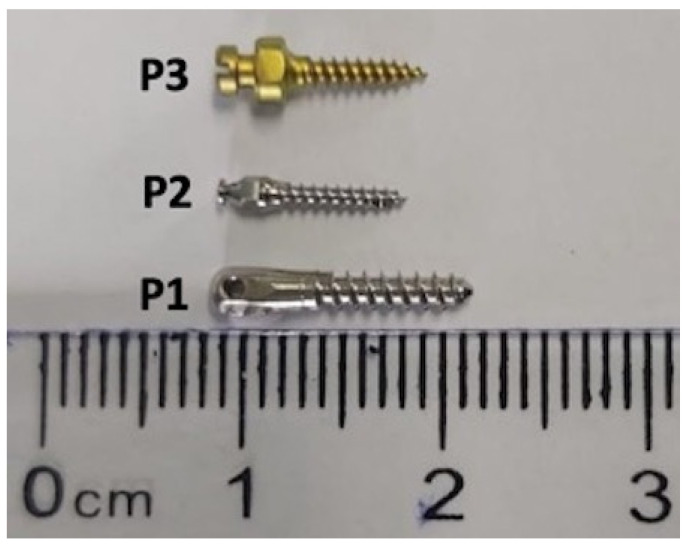
Selecting the most biocompatible orthodontic implant available on the market may be a major challenge, given the wide array of orthodontic devices currently available on the market. The latest scientific data have suggested that in vitro evaluations using oral cell lines provide reliable data regarding the toxicity of residual particles released by different types of orthodontic devices. In this regard, the in vitro biocompatibility of three different commercially available implants (stainless steel and titanium-based implants) was assessed.
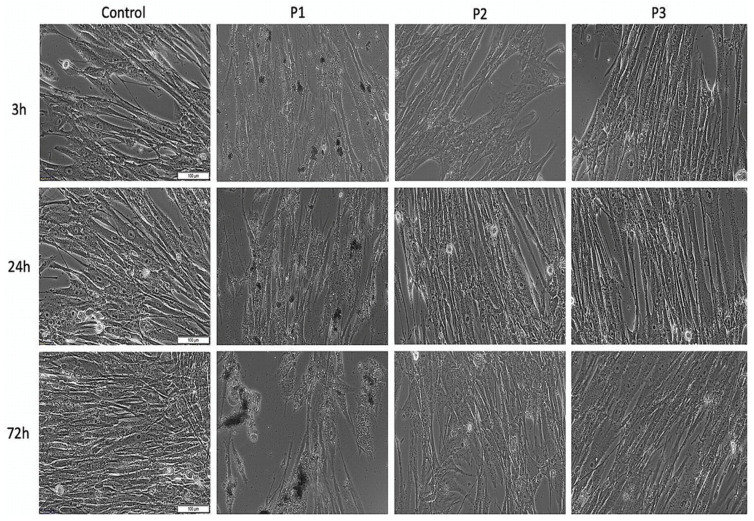
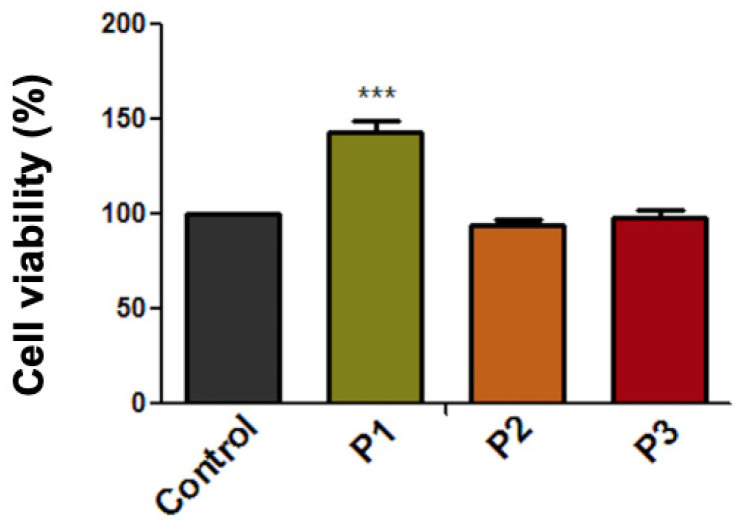
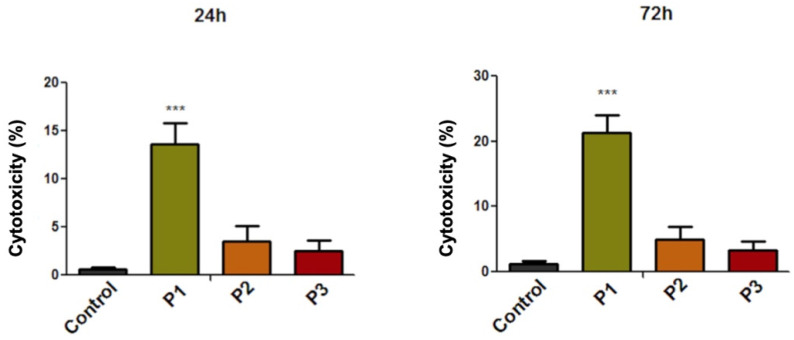
As an in vitro model, human gingival fibroblasts (HGFs) were employed to evaluate the cellular morphology, cell viability, and cytotoxicity by means of 3-(4,5-dimethylthiazol-2-yl)-2,5-diphenyltetrazolium bromide (MTT) and lactate dehydrogenase (LDH) assays at 24 h and 72 h post-exposure to test implants.
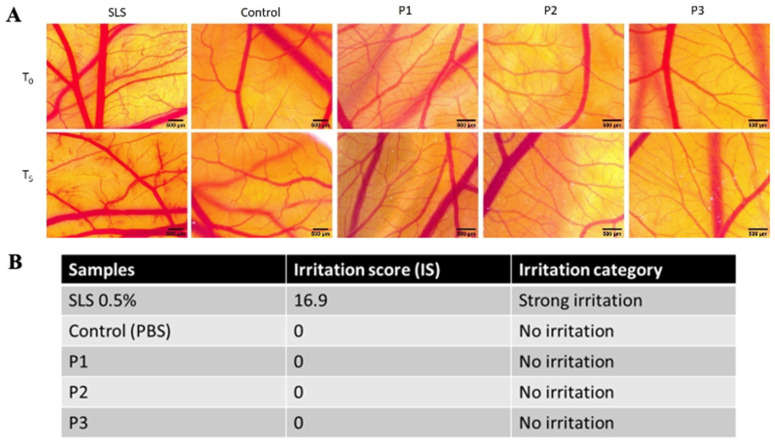
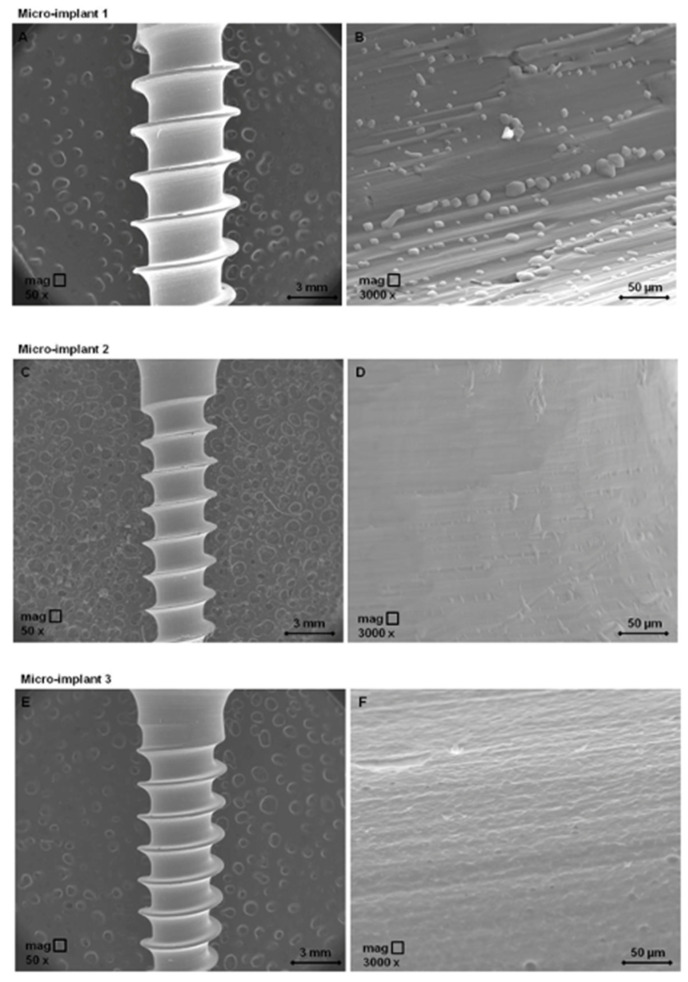
The results correlate the composition and topography of the implant surface with biological experimental evaluations related to directly affected cells (gingival fibroblasts) and toxicological results on blood vessels (hen's egg test-chorioallantoic membrane (HET-CAM) assay). The stainless steel implant exhibits a relative cytotoxicity against HGF cells, while the other two samples induced no significant alterations of HGF cells.
Among the three test orthodontic implants, the stainless steel implant induced slight cytotoxic effects, thus increased vigilance is required in their clinical use, especially in patients with high sensitivity to nickel.
鉴于目前市场上正畸装置种类繁多,选择市场上生物相容性最佳的正畸植入物可能是一项重大挑战。最新科学数据表明,使用口腔细胞系进行的体外评估能够提供有关不同类型正畸装置释放的残留颗粒毒性的可靠数据。在此方面,评估了三种不同市售植入物(不锈钢和钛基植入物)的体外生物相容性。
作为体外模型,采用人牙龈成纤维细胞(HGFs),通过在暴露于测试植入物后24小时和72小时进行的3-(4,5-二甲基噻唑-2-基)-2,5-二苯基四氮唑溴盐(MTT)和乳酸脱氢酶(LDH)测定,来评估细胞形态、细胞活力和细胞毒性。
结果将植入物表面的组成和形貌与直接受影响细胞(牙龈成纤维细胞)的生物学实验评估以及血管的毒理学结果(鸡胚绒毛尿囊膜(HET-CAM)测定)相关联。不锈钢植入物对HGF细胞表现出相对细胞毒性,而其他两个样品未引起HGF细胞的显著改变。
在三种测试正畸植入物中,不锈钢植入物诱导了轻微的细胞毒性作用,因此在其临床使用中需要提高警惕,尤其是对镍高度敏感的患者。