Department of Life Science, The University of Seoul, Seoul, Korea.
Oncogenesis. 2013 Aug 19;2(8):e64. doi: 10.1038/oncsis.2013.28.
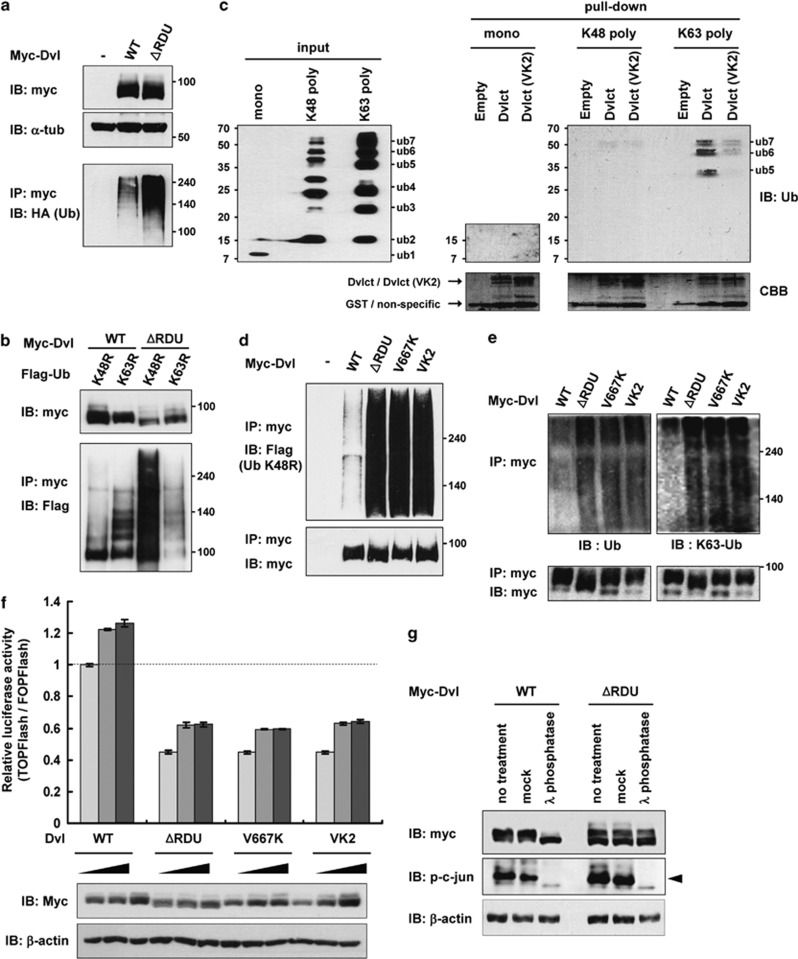
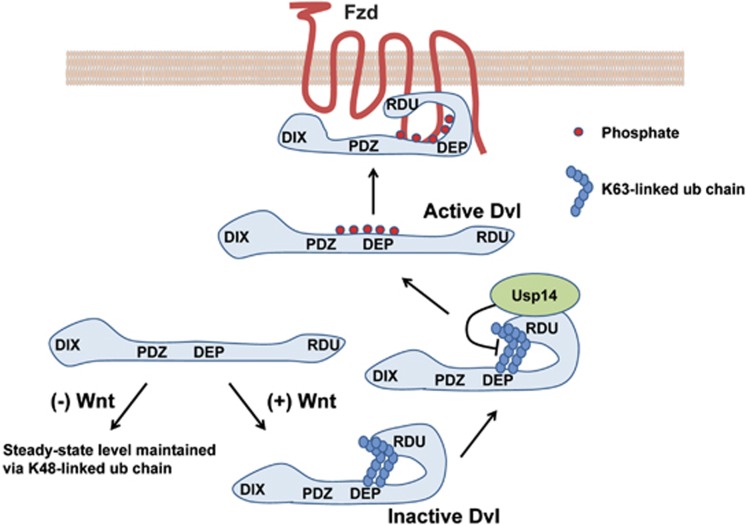
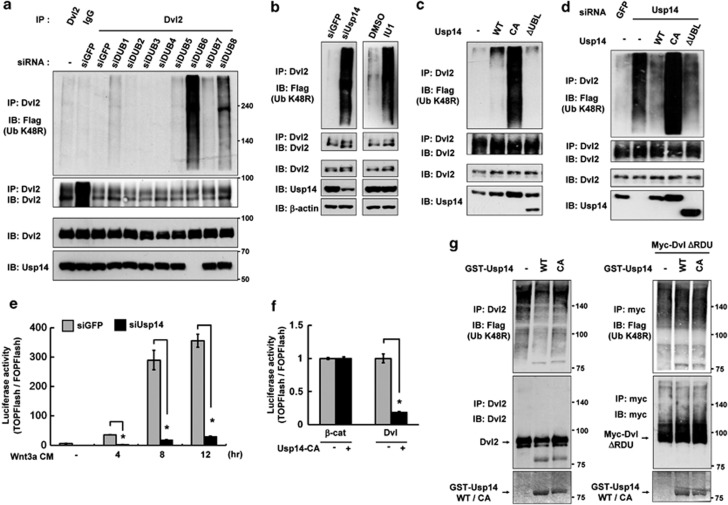
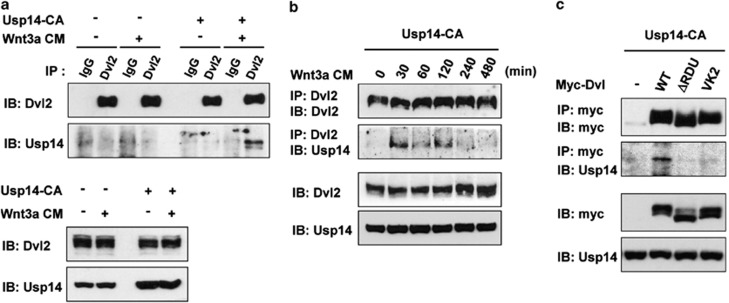
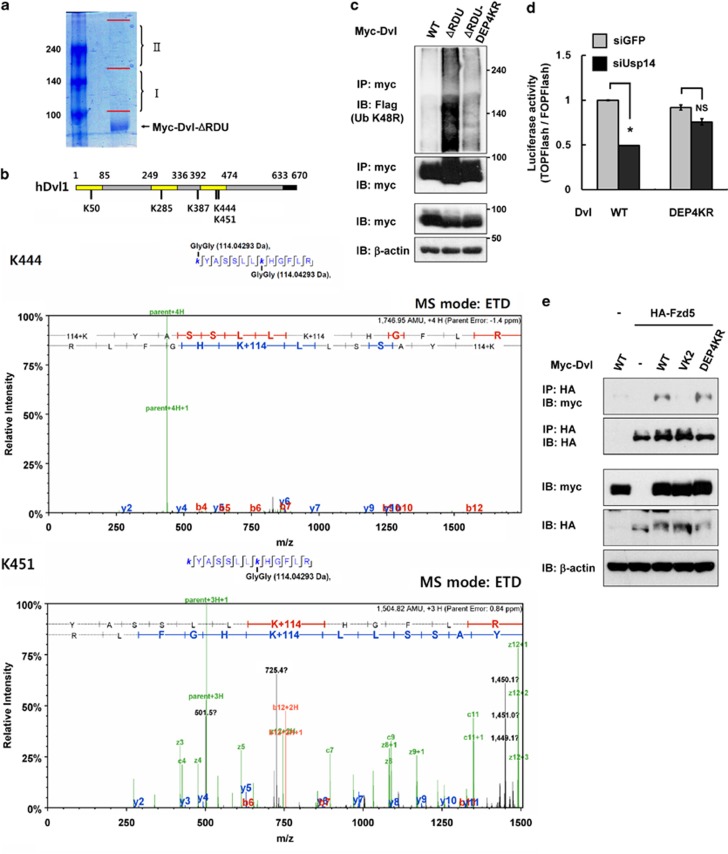
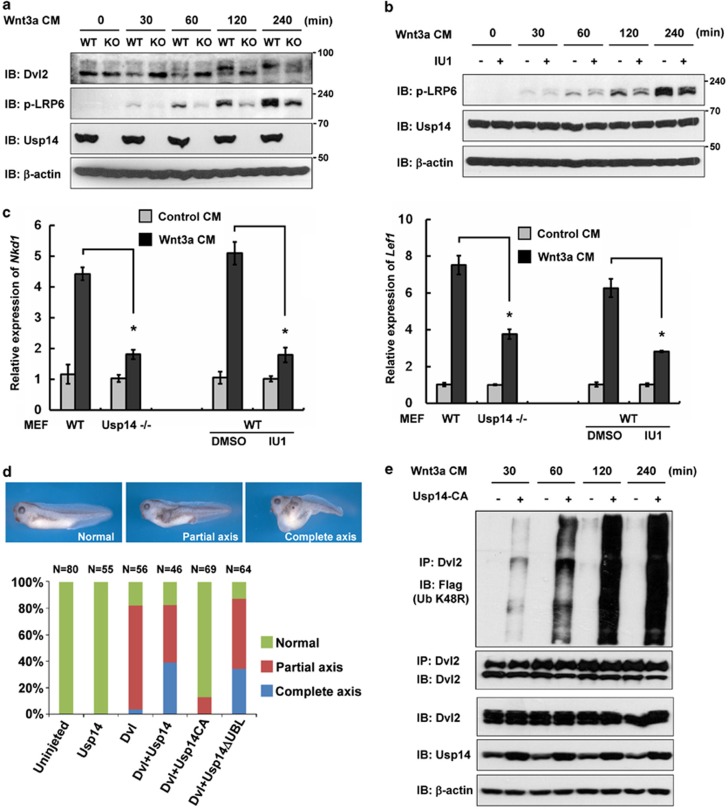
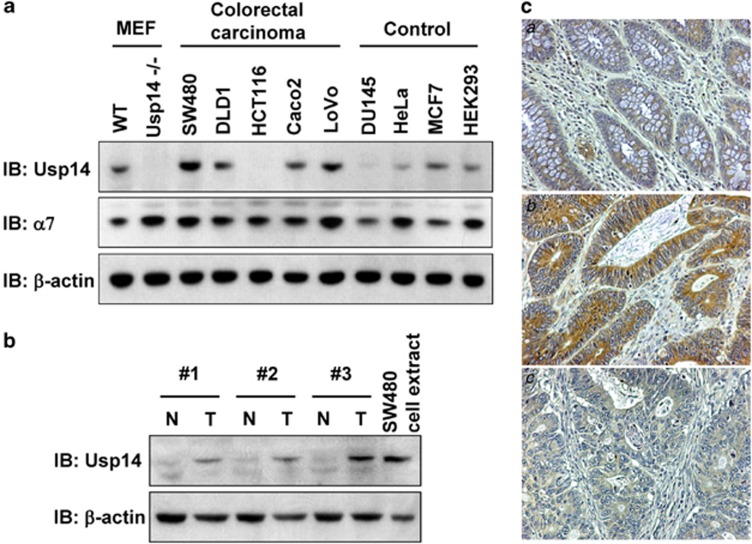
Dishevelled (Dvl) is a key regulator of Wnt signaling both in the canonical and non-canonical pathways. Here we report the identification of a regulatory domain of ubiquitination (RDU) in the C-terminus of Dvl. Mutations in the RDU resulted in accumulation of polyubiquitinated forms of Dvl, which were mainly K63 linked. Small interfering RNA-based screening identified Usp14 as a mediator of Dvl deubiquitination. Genetic and chemical suppression of Usp14 activity caused an increase in Dvl polyubiquitination and significantly impaired downstream Wnt signaling. These data suggest that Usp14 functions as a positive regulator of the Wnt signaling pathway. Consistently, tissue microarray analysis of colon cancer revealed a strong correlation between the levels of Usp14 and β-catenin, which suggests an oncogenic role for Usp14 via enhancement of Wnt/β-catenin signaling.
Dvl(Dishevelled)是 Wnt 信号通路(包括经典和非经典途径)的关键调节因子。本文报道了 Dvl 羧基端泛素化调节域(RDU)的鉴定。RDU 突变导致 Dvl 多聚泛素化形式的积累,主要是 K63 连接的。基于小干扰 RNA 的筛选鉴定出 Usp14 是 Dvl 去泛素化的介质。Usp14 活性的遗传和化学抑制导致 Dvl 多聚泛素化增加,并显著损害下游 Wnt 信号转导。这些数据表明 Usp14 作为 Wnt 信号通路的正调节剂发挥作用。一致地,结肠癌组织微阵列分析显示 Usp14 水平与 β-catenin 之间存在很强的相关性,这表明 Usp14 通过增强 Wnt/β-catenin 信号转导发挥致癌作用。