Department of Psychology, Brigham Young University Provo, UT, USA ; Neuroscience Center, Brigham Young University Provo, UT, USA ; Department of Psychiatry, University of Utah Salt Lake City, UT, USA ; The Brain Institute of Utah, University of Utah Salt Lake City, UT, USA.
Front Hum Neurosci. 2013 Aug 6;7:395. doi: 10.3389/fnhum.2013.00395. eCollection 2013.
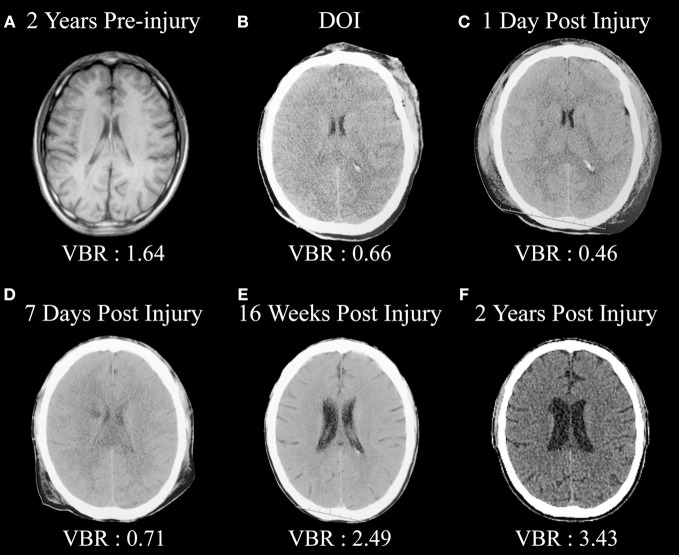
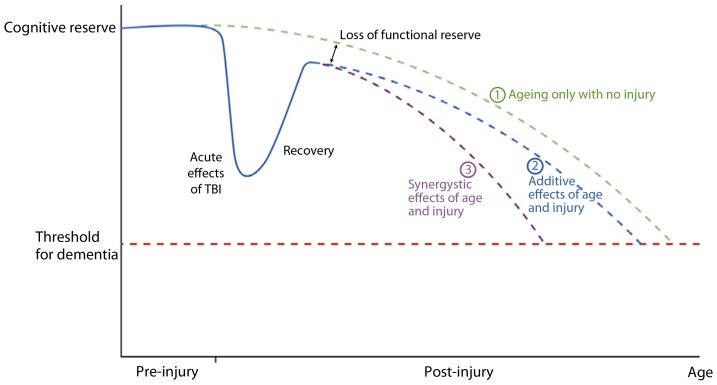
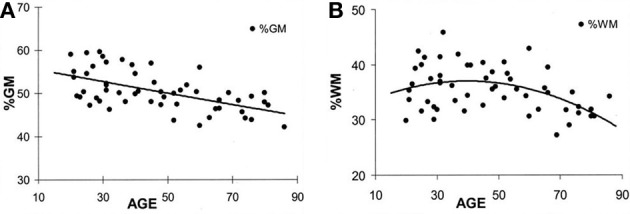
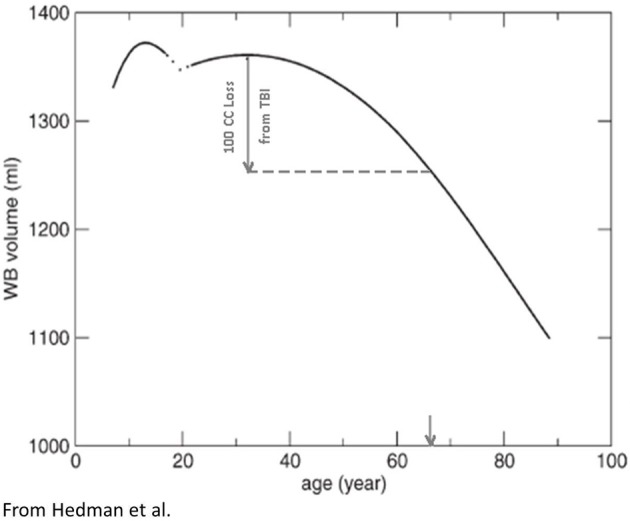
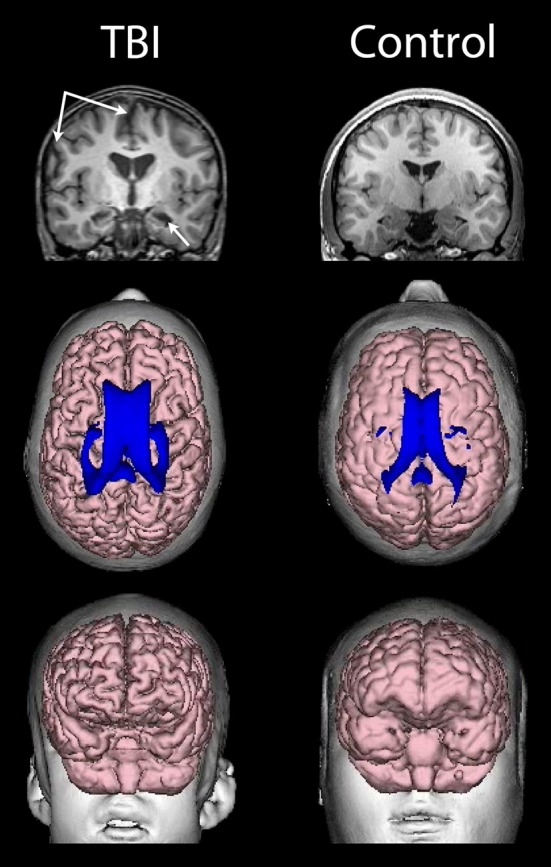
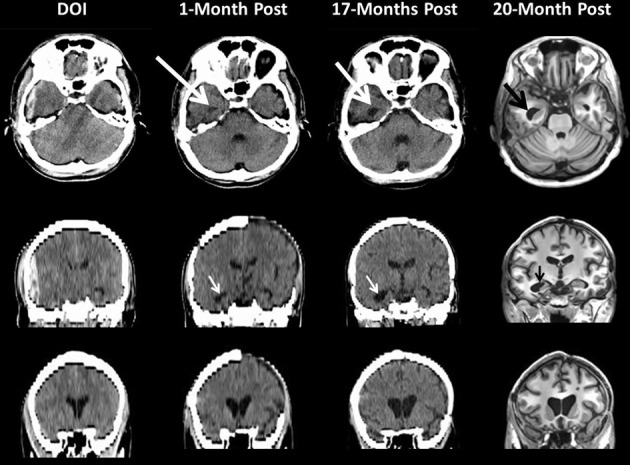
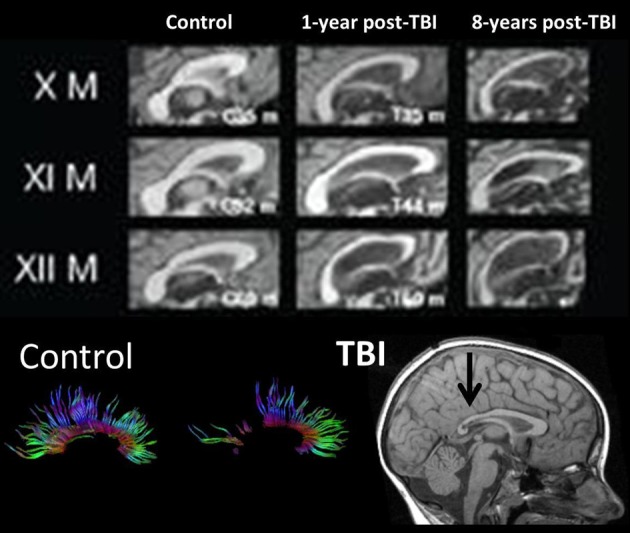
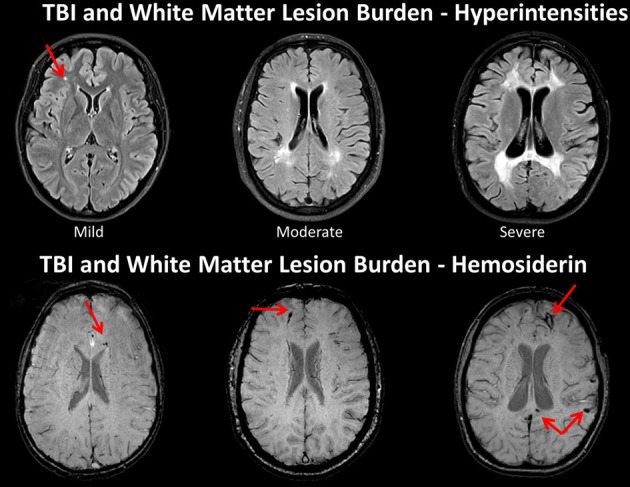
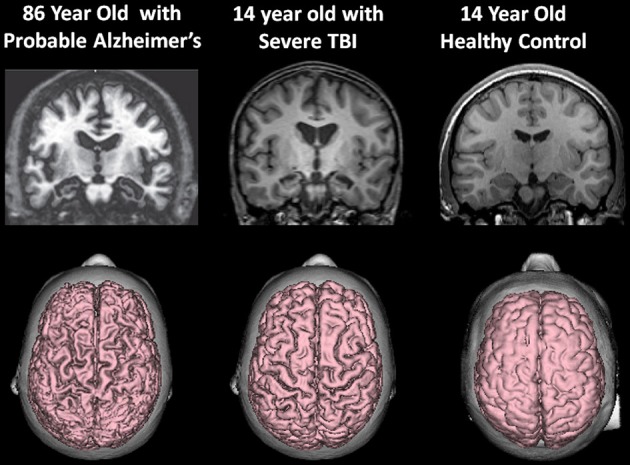
Depending on severity, traumatic brain injury (TBI) induces immediate neuropathological effects that in the mildest form may be transient but as severity increases results in neural damage and degeneration. The first phase of neural degeneration is explainable by the primary acute and secondary neuropathological effects initiated by the injury; however, neuroimaging studies demonstrate a prolonged period of pathological changes that progressively occur even during the chronic phase. This review examines how neuroimaging may be used in TBI to understand (1) the dynamic changes that occur in brain development relevant to understanding the effects of TBI and how these relate to developmental stage when the brain is injured, (2) how TBI interferes with age-typical brain development and the effects of aging thereafter, and (3) how TBI results in greater frontotemporolimbic damage, results in cerebral atrophy, and is more disruptive to white matter neural connectivity. Neuroimaging quantification in TBI demonstrates degenerative effects from brain injury over time. An adverse synergistic influence of TBI with aging may predispose the brain injured individual for the development of neuropsychiatric and neurodegenerative disorders long after surviving the brain injury.
根据严重程度,创伤性脑损伤(TBI)会立即引起神经病理学效应,在最轻微的形式下可能是短暂的,但随着严重程度的增加,会导致神经损伤和退化。神经退化的第一阶段可以用损伤引发的原发性急性和继发性神经病理学效应来解释;然而,神经影像学研究表明,即使在慢性阶段,也会出现一个持续时间较长的病理变化期。这篇综述探讨了神经影像学如何在 TBI 中被用于理解:(1)与理解 TBI 效应相关的脑发育中的动态变化,以及这些变化与大脑受伤时的发育阶段的关系;(2)TBI 如何干扰典型的年龄相关脑发育,以及其后的衰老效应;以及(3)TBI 如何导致更大的额颞叶边缘系统损伤,导致脑萎缩,并对大脑白质的神经连接造成更大的破坏。TBI 中的神经影像学定量分析显示了随时间推移的脑损伤的退行性效应。TBI 与衰老的不良协同影响可能使脑损伤个体在幸存脑损伤后很长时间内易患神经精神和神经退行性疾病。