Department of Pathology, Beth Israel Deaconess Medical Center, Harvard Medical School, Boston, MA 02215, USA.
Cell Rep. 2013 Aug 29;4(4):803-16. doi: 10.1016/j.celrep.2013.07.031. Epub 2013 Aug 22.
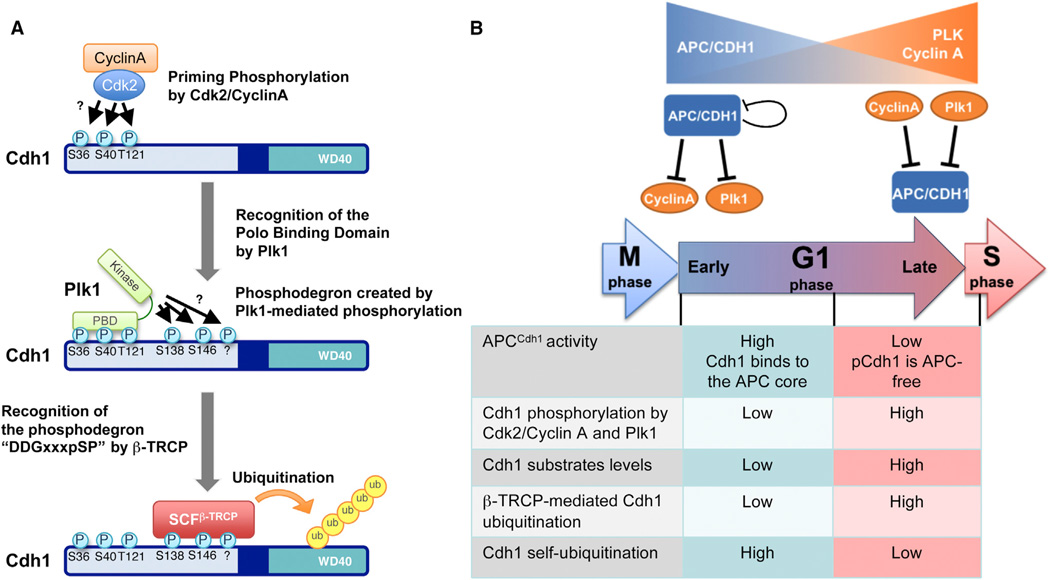
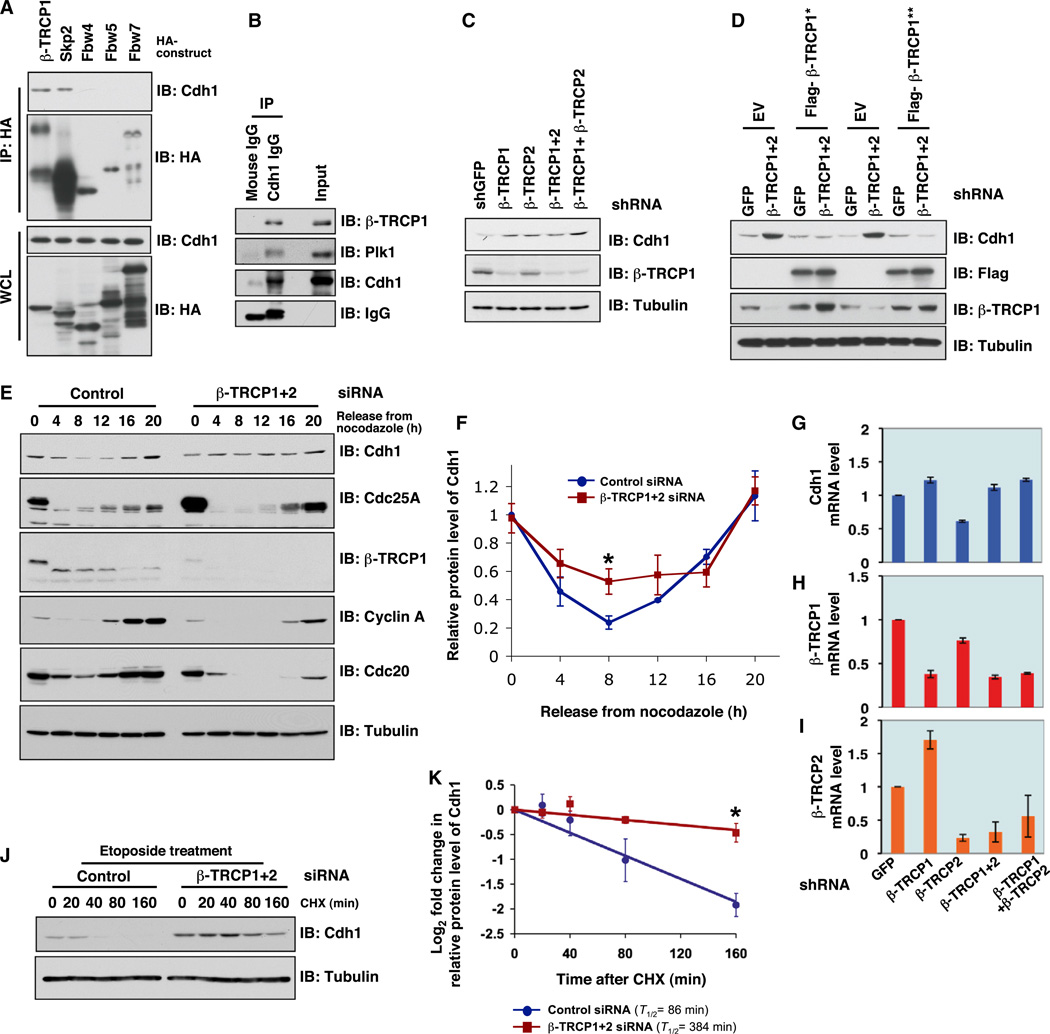
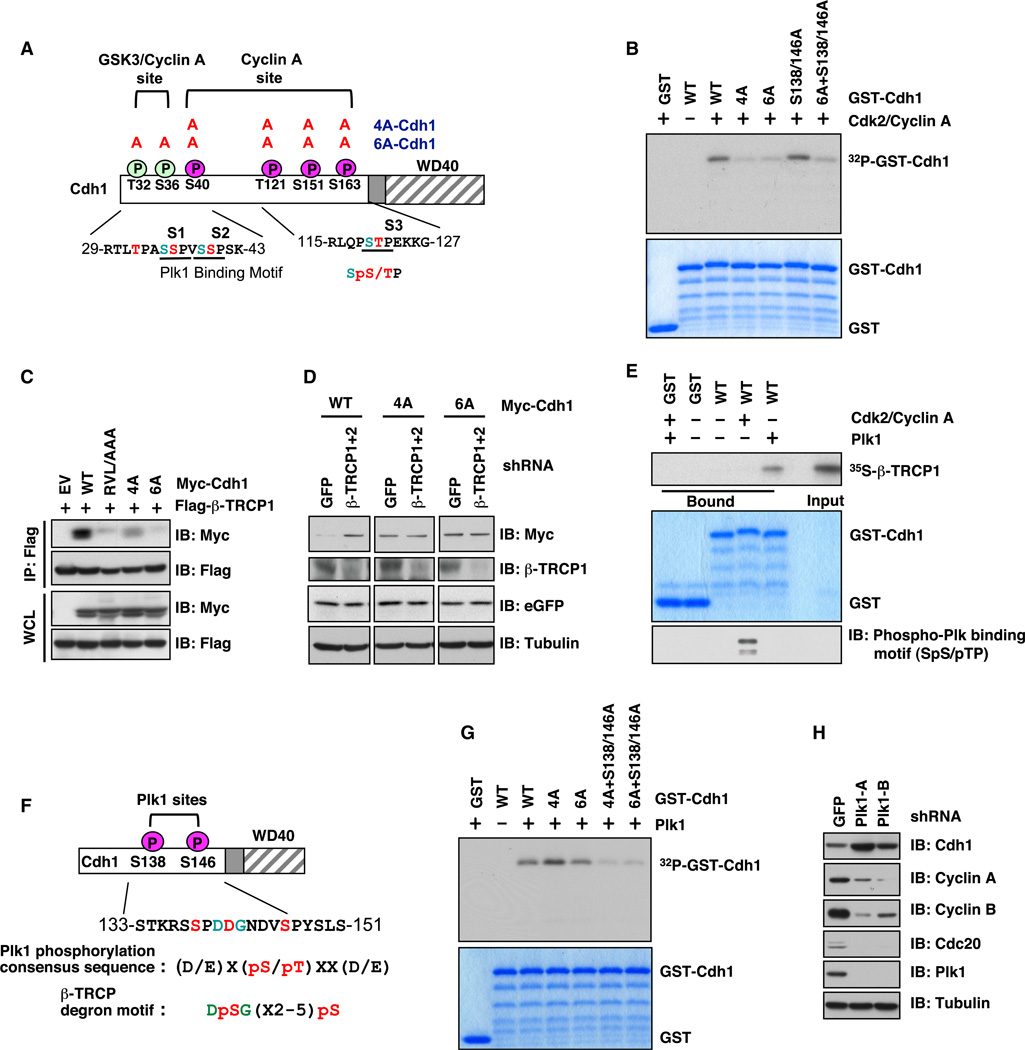
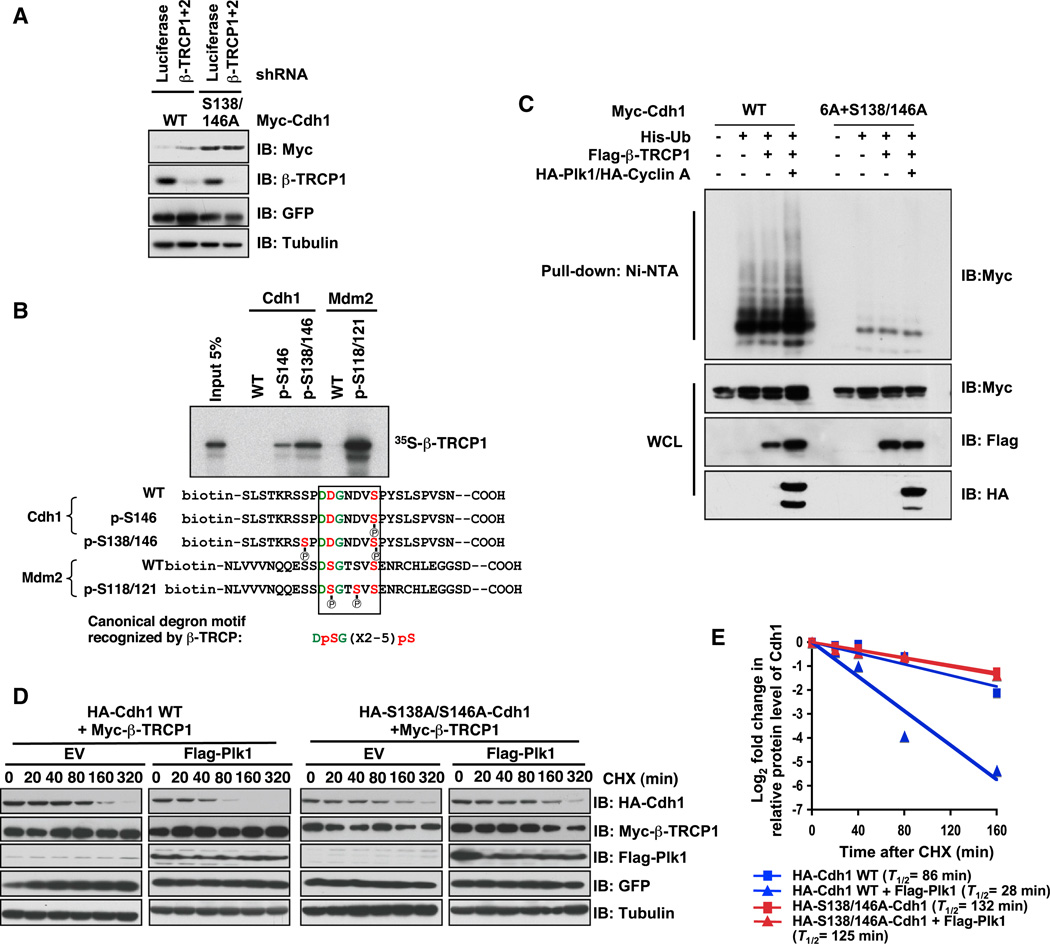
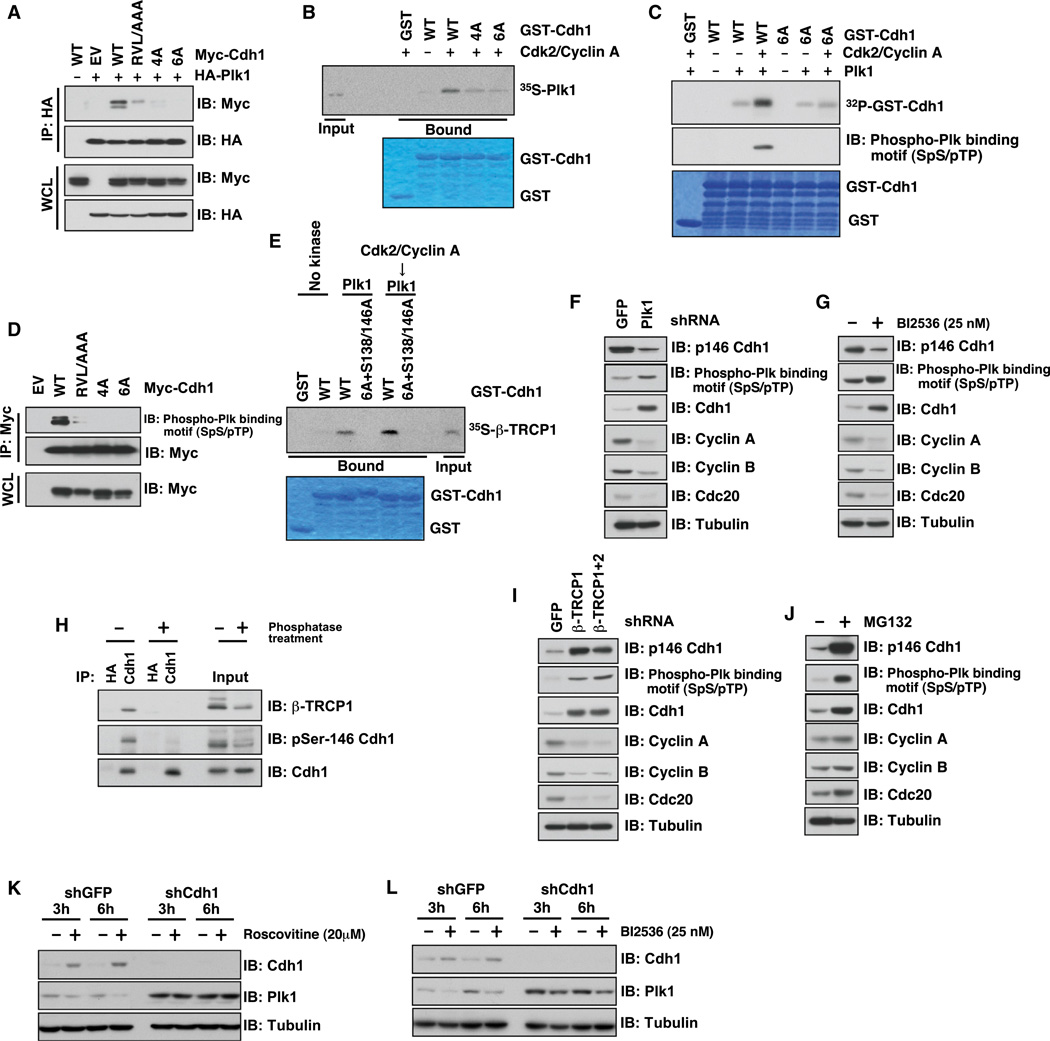
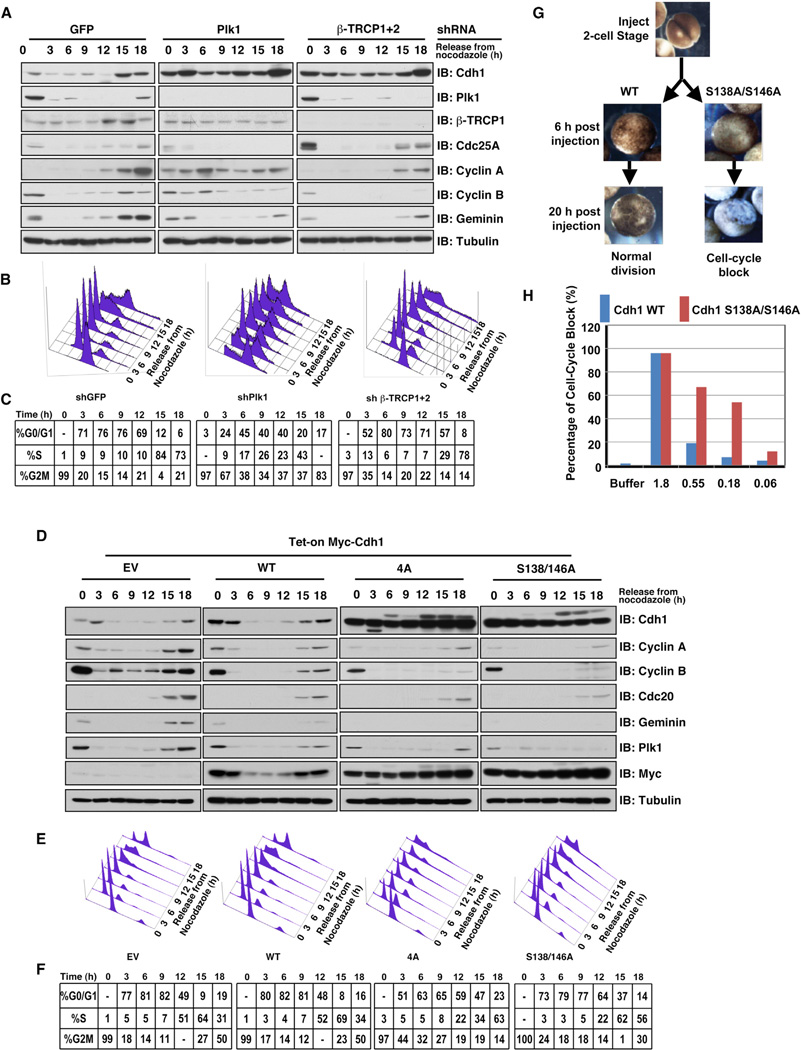
Proper cell-cycle transitions are driven by waves of ubiquitin-dependent degradation of key regulators by the anaphase-promoting complex (APC) and Skp1-Cullin1-F-box (SCF) E3 ubiquitin ligase complexes. But precisely how APC and SCF activities are coordinated to regulate cell-cycle progression remains largely unclear. We previously showed that APC/Cdh1 earmarks the SCF component Skp2 for degradation. Here, we continue to report that SCF(β-TRCP) reciprocally controls APC/Cdh1 activity by governing Cdh1 ubiquitination and subsequent degradation. Furthermore, we define both cyclin A and Plk1, two well-known Cdh1 substrates, as upstream modifying enzymes that promote Cdh1 phosphorylation to trigger Cdh1 ubiquitination and subsequent degradation by SCF(β-TRCP). Thus, our work reveals a negative repression mechanism for SCF to control APC, thereby illustrating an elegant dual repression system between these two E3 ligase complexes to create the ordered cascade of APC and SCF activities governing timely cell-cycle transitions.
适当的细胞周期转变是由后期促进复合物(APC)和 Skp1-Cullin1-F-box(SCF)E3 泛素连接酶复合物驱动的,通过泛素依赖性降解关键调节因子的波实现。但是,APC 和 SCF 活性如何协调以调节细胞周期进程在很大程度上仍不清楚。我们之前表明,APC/Cdh1 将 SCF 成分 Skp2 指定为降解目标。在这里,我们继续报告说,SCF(β-TRCP)通过控制 Cdh1 的泛素化和随后的降解来反向控制 APC/Cdh1 活性。此外,我们确定了两个众所周知的 Cdh1 底物,即细胞周期蛋白 A 和 Plk1,作为上游修饰酶,可促进 Cdh1 的磷酸化,从而触发 Cdh1 泛素化和随后由 SCF(β-TRCP)降解。因此,我们的工作揭示了 SCF 对 APC 的负调控机制,从而说明了这两个 E3 连接酶复合物之间的一种优雅的双重负调控系统,以创建 APC 和 SCF 活性的有序级联,从而控制细胞周期的适时转变。