Center for Species Survival, Smithsonian Conservation Biology Institute, National Zoological Park, Washington, District of Columbia, United States of America ; Department of Environmental Science and Policy, George Mason University, Fairfax, Virginia, United States of America.
PLoS One. 2013 Aug 16;8(8):e71033. doi: 10.1371/journal.pone.0071033. eCollection 2013.
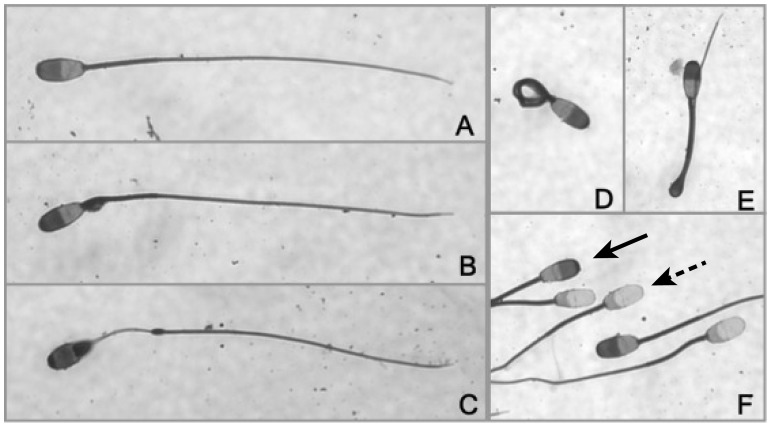
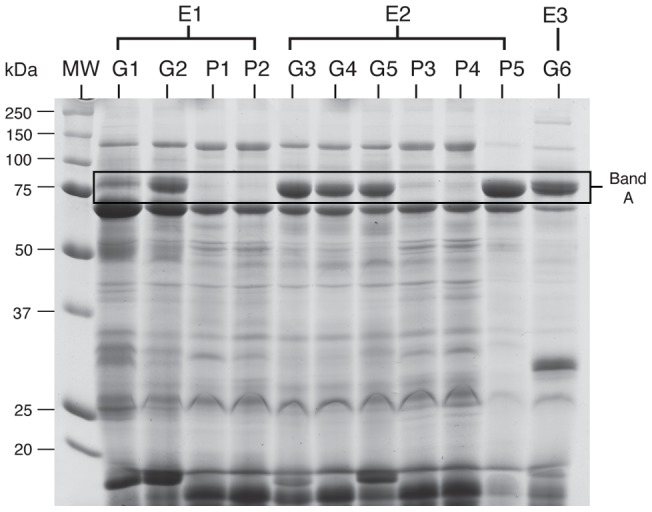
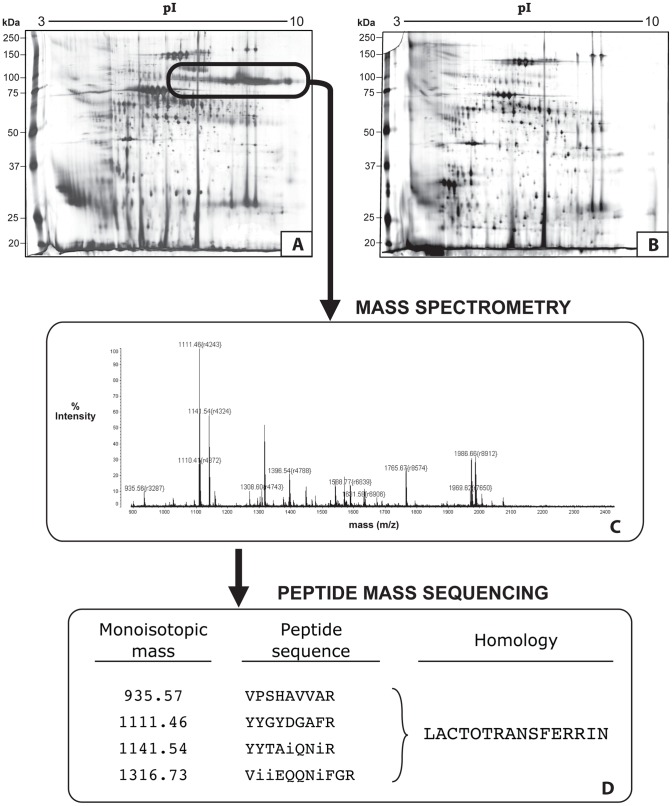
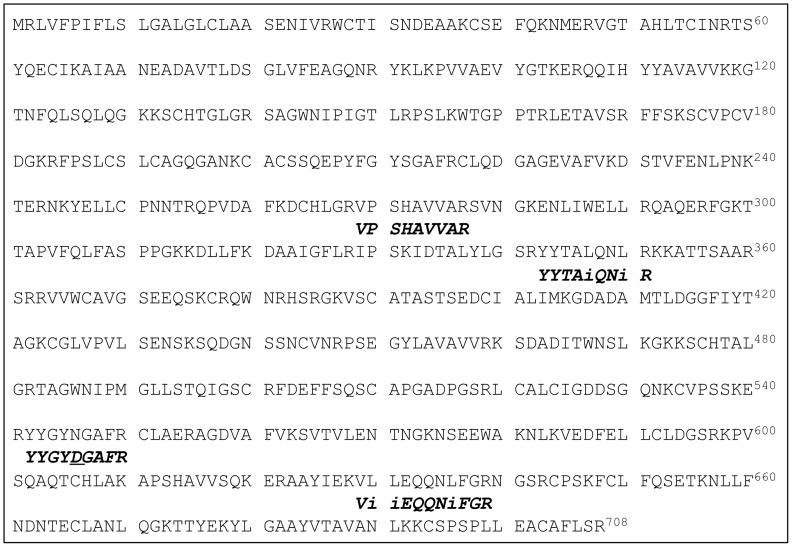
Asian elephants (Elephas maximus) have highly variable ejaculate quality within individuals, greatly reducing the efficacy of artificial insemination and making it difficult to devise a sperm cryopreservation protocol for this endangered species. Because seminal plasma influences sperm function and physiology, including sperm motility, the objectives of this study were to characterize the chemistry and protein profiles of Asian elephant seminal plasma and to determine the relationships between seminal plasma components and semen quality. Ejaculates exhibiting good sperm motility (≥65%) expressed higher percentages of spermatozoa with normal morphology (80.3±13.0 vs. 44.9±30.8%) and positive Spermac staining (51.9±14.5 vs. 7.5±14.4%), in addition to higher total volume (135.1±89.6 vs. 88.8±73.1 ml) and lower sperm concentration (473.0±511.2 vs. 1313.8±764.7×10⁶ cells ml⁻¹) compared to ejaculates exhibiting poor sperm motility (≤10%; P<0.05). Comparison of seminal plasma from ejaculates with good versus poor sperm motility revealed significant differences in concentrations of creatine phosphokinase, alanine aminotransferase, phosphorus, sodium, chloride, magnesium, and glucose. These observations suggest seminal plasma influences semen quality in elephants. One- and two-dimensional (2D) gel electrophoresis revealed largely similar compositional profiles of seminal plasma proteins between good and poor motility ejaculates. However, a protein of ∼80 kDa was abundant in 85% of ejaculates with good motility, and was absent in 90% of poor motility ejaculates (P<0.05). We used mass spectrometry to identify this protein as lactotransferrin, and immunoblot analysis to confirm this identification. Together, these findings lay a functional foundation for understanding the contributions of seminal plasma in the regulation of Asian elephant sperm motility, and for improving semen collection and storage in this endangered species.
亚洲象(Elephas maximus)个体间的精液质量存在高度可变性,极大地降低了人工授精的效果,也使得为这一濒危物种设计精子冷冻保存方案变得困难。由于精浆会影响精子的功能和生理特性,包括精子活力,因此本研究的目的是对亚洲象精浆的化学性质和蛋白质图谱进行描述,并确定精浆成分与精液质量之间的关系。具有良好精子活力(≥65%)的精液中,形态正常的精子比例(80.3±13.0%比 44.9±30.8%)和 Spermac 染色阳性的精子比例(51.9±14.5%比 7.5±14.4%)更高,总体积(135.1±89.6 比 88.8±73.1 ml)更大,精子浓度(473.0±511.2 比 1313.8±764.7×10⁶ cells ml⁻¹)更低(P<0.05)。与精子活力低(≤10%)的精液相比,精子活力高的精液中的精浆中肌酸磷酸激酶、丙氨酸氨基转移酶、磷、钠、氯、镁和葡萄糖的浓度有显著差异。这些发现表明精浆影响大象的精液质量。一维和二维凝胶电泳显示,活力好和活力差的精液中的精浆蛋白质组成图谱基本相似。然而,一种约 80 kDa 的蛋白质在 85%活力好的精液中含量丰富,而在 90%活力差的精液中则不存在(P<0.05)。我们使用质谱技术鉴定该蛋白为乳转铁蛋白,并通过免疫印迹分析验证了这一鉴定。这些发现为理解精浆在调节亚洲象精子活力中的作用奠定了功能基础,也为改善这一濒危物种的精液采集和储存提供了依据。