Li Zhaohui, Sun He, Zhang Jianbin, Zhang Haijiao, Meng Fanyu, Cui Zhanfeng
Institute of Biomedical Engineering, University of Oxford, Oxford, United Kingdom.
PLoS One. 2013 Aug 15;8(8):e72612. doi: 10.1371/journal.pone.0072612. eCollection 2013.
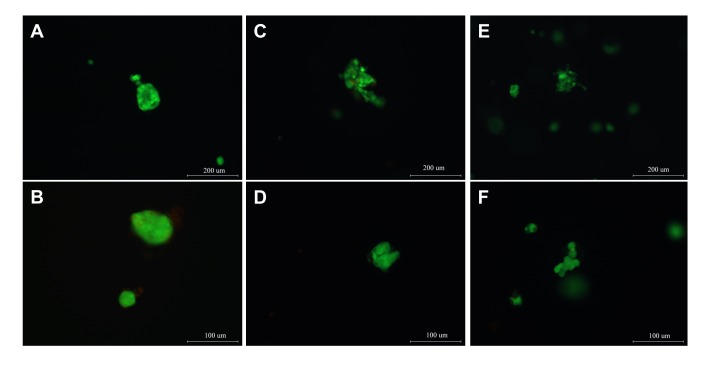
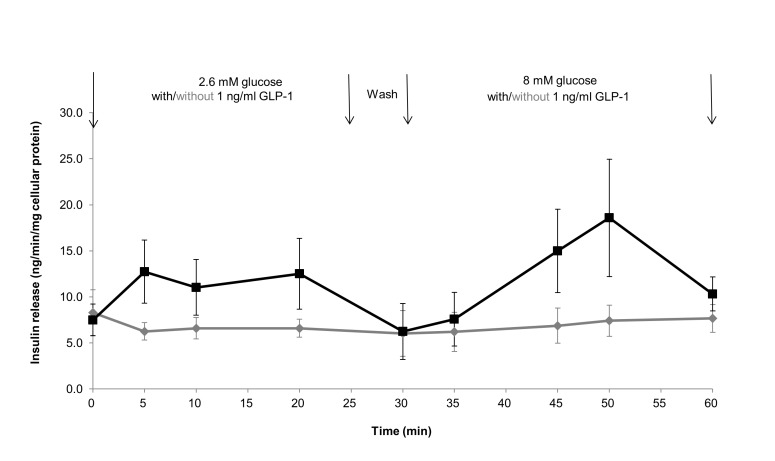
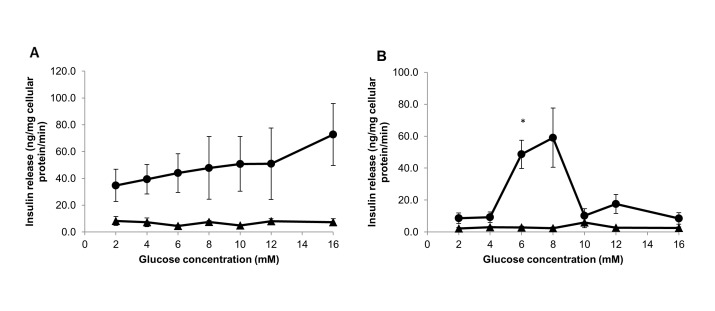
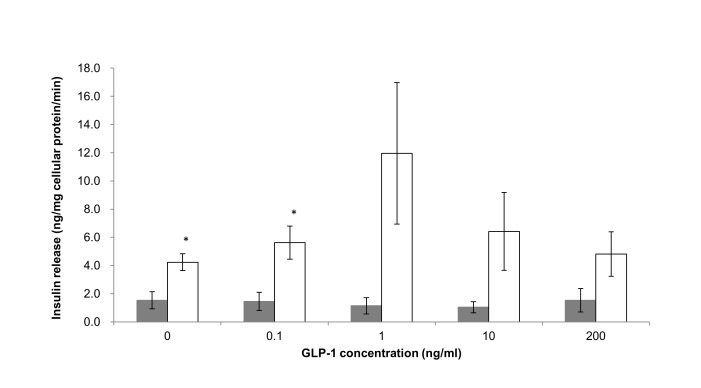
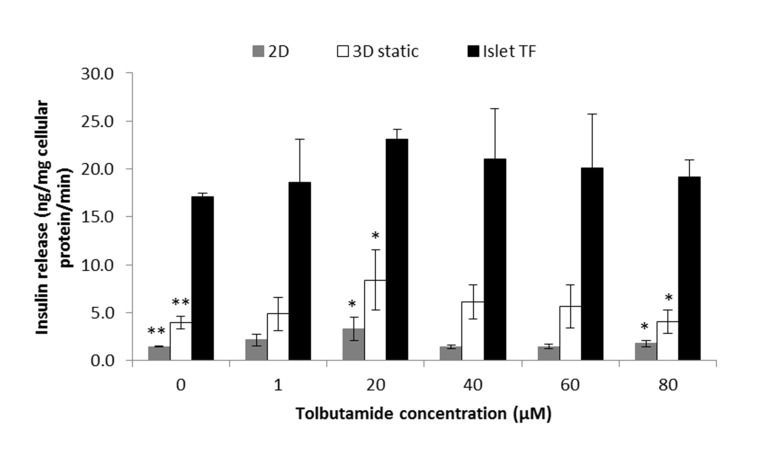
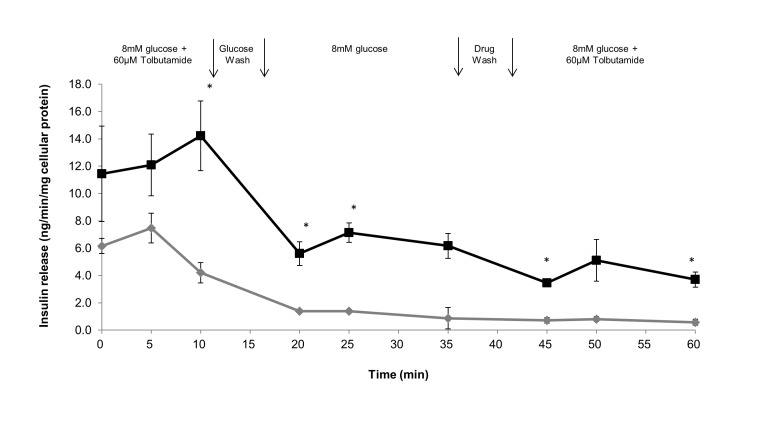
Increasing individuals diagnosed with type II diabetes pose a strong demand for the development of more effective anti-diabetic drugs. However, expensive, ethically controversial animal-based screening for anti-diabetic compounds is not always predictive of the human response. The use of in vitro cell-based models in research presents obviously ethical and cost advantages over in vivo models. This study was to develop an in vitro three-dimensional (3D) perfused culture model of islets (Islet TF) for maintaining viability and functionality longer for diabetic drug efficacy tests. Briefly fresh isolated rat islets were encapsulated in ultrapure alginate and the encapsulated islets were cultured in TissueFlex(®), a multiple, parallel perfused microbioreactor system for 7 days. The encapsulated islets cultured statically in cell culture plates (3D static) and islets cultured in suspension (2D) were used as the comparisons. In this study we demonstrate for the first time that Islet TF model can maintain the in vitro islet viability, and more importantly, the elevated functionality in terms of insulin release and dynamic responses over a 7-day culture period. The Islet TF displays a high sensitivity in responding to drugs and drug dosages over conventional 2D and 3D static models. Actual drug administration in clinics could be simulated using the developed Islet TF model, and the patterns of insulin release response to the tested drugs were in agreement with the data obtained in vivo. Islet TF could be a more predictive in vitro model for routine short- and long-term anti-diabetic drug efficacy testing.
越来越多被诊断为II型糖尿病的患者对开发更有效的抗糖尿病药物提出了强烈需求。然而,针对抗糖尿病化合物进行的基于动物的筛选成本高昂且存在伦理争议,而且并不总能预测人体反应。在研究中使用基于体外细胞的模型相对于体内模型具有明显的伦理和成本优势。本研究旨在开发一种胰岛的体外三维(3D)灌注培养模型(胰岛TF),以在更长时间内维持其活力和功能,用于糖尿病药物疗效测试。简而言之,将新鲜分离的大鼠胰岛封装在超纯藻酸盐中,然后将封装好的胰岛在TissueFlex(®)中培养7天,TissueFlex(®)是一种多通道、平行灌注的微生物反应器系统。将在细胞培养板中静态培养的封装胰岛(3D静态)和悬浮培养的胰岛(2D)用作对照。在本研究中,我们首次证明胰岛TF模型能够在体外维持胰岛活力,更重要的是,在7天的培养期内,其在胰岛素释放和动态反应方面的功能有所增强。与传统的2D和3D静态模型相比,胰岛TF对药物和药物剂量的反应具有更高的敏感性。使用所开发的胰岛TF模型可以模拟临床实际给药情况,并且对测试药物的胰岛素释放反应模式与体内获得的数据一致。胰岛TF可能是用于常规短期和长期抗糖尿病药物疗效测试的更具预测性的体外模型。