Laboratoire de Microbiologie des Environnements Extrêmes UMR 6197, Université de Bretagne Occidentale, UEB, IUEM Plouzané, France ; Laboratoire de Microbiologie des Environnements Extrêmes UMR 6197, Ifremer Plouzané, France ; Laboratoire de Microbiologie des Environnements Extrêmes UMR 6197, CNRS Plouzané, France ; Domaines Océaniques UMR6538, IUEM, Université de Bretagne Occidentale Plouzané, France.
Front Microbiol. 2013 Aug 27;4:250. doi: 10.3389/fmicb.2013.00250. eCollection 2013.
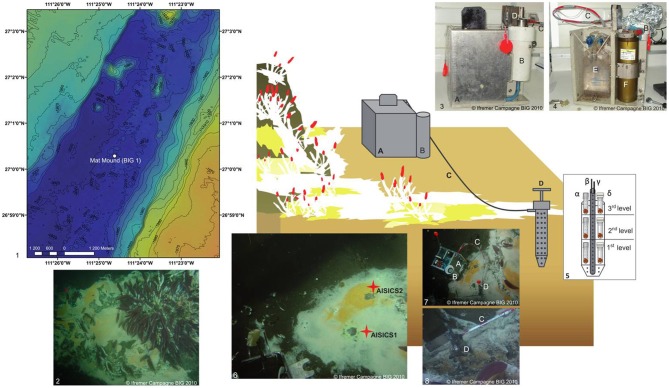
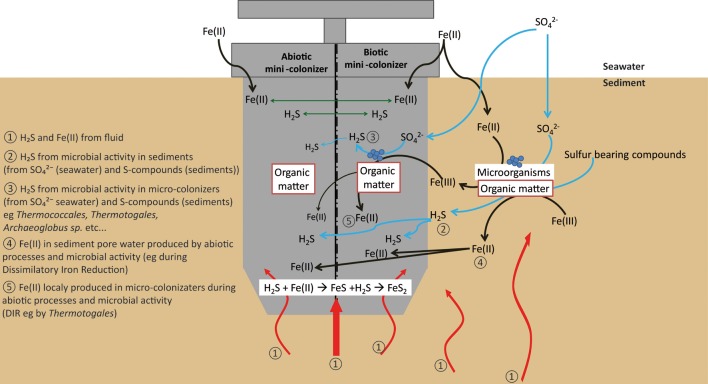
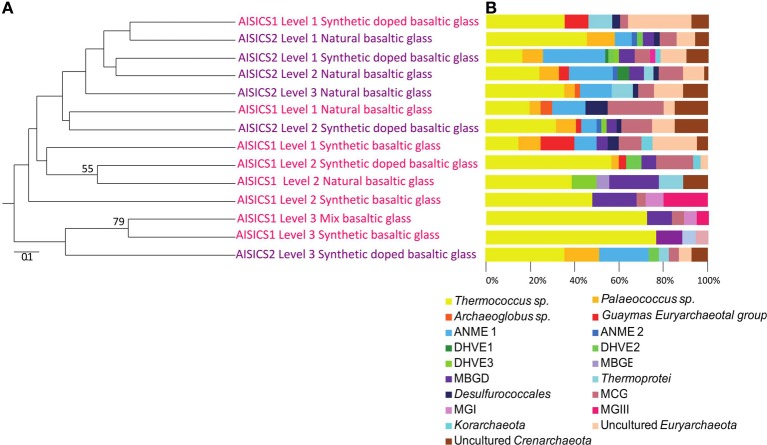
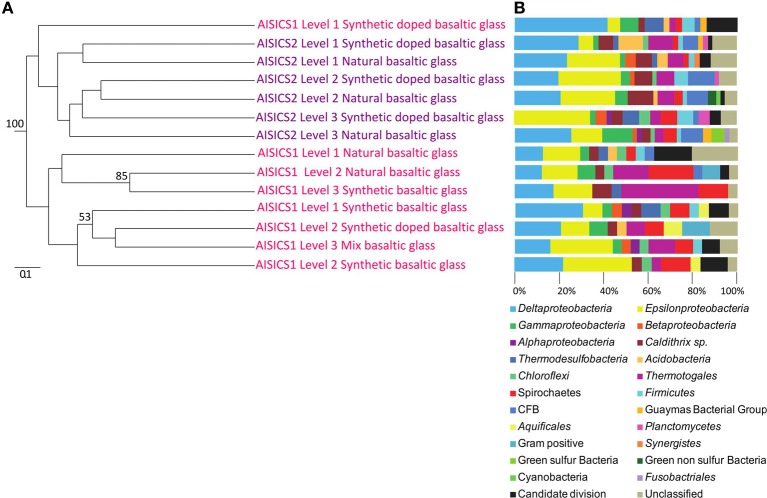
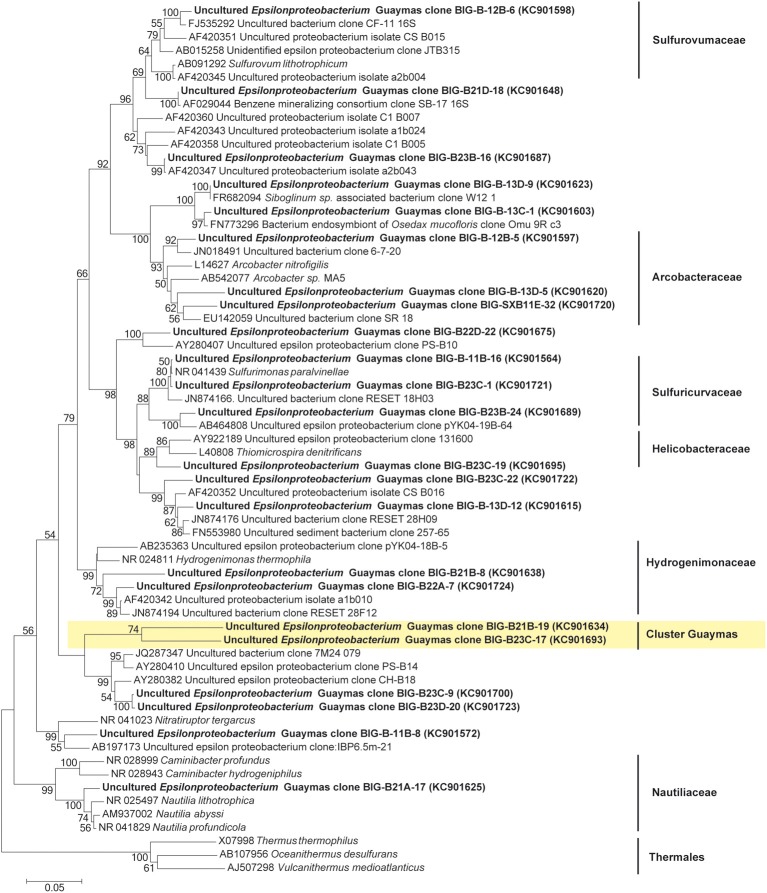
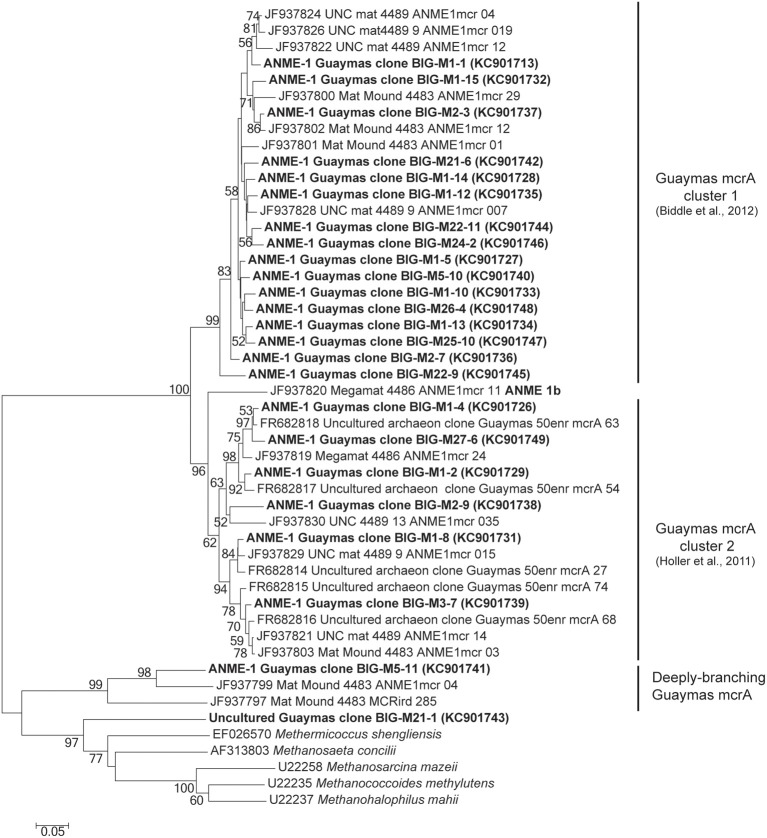
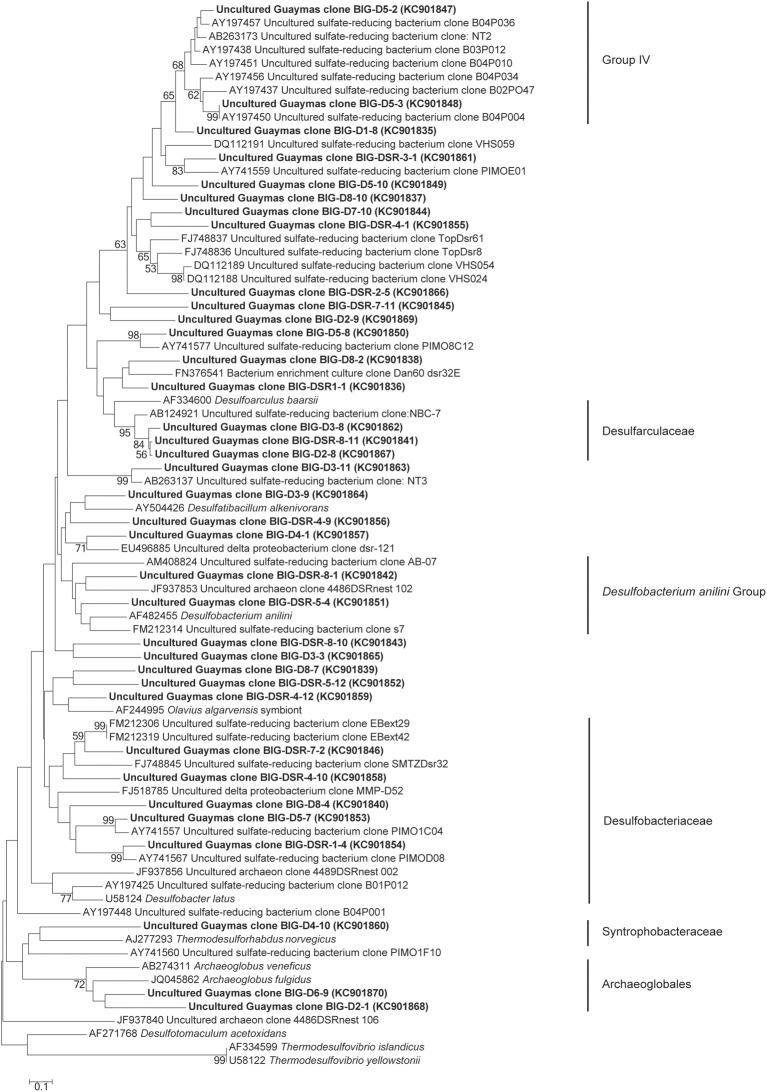
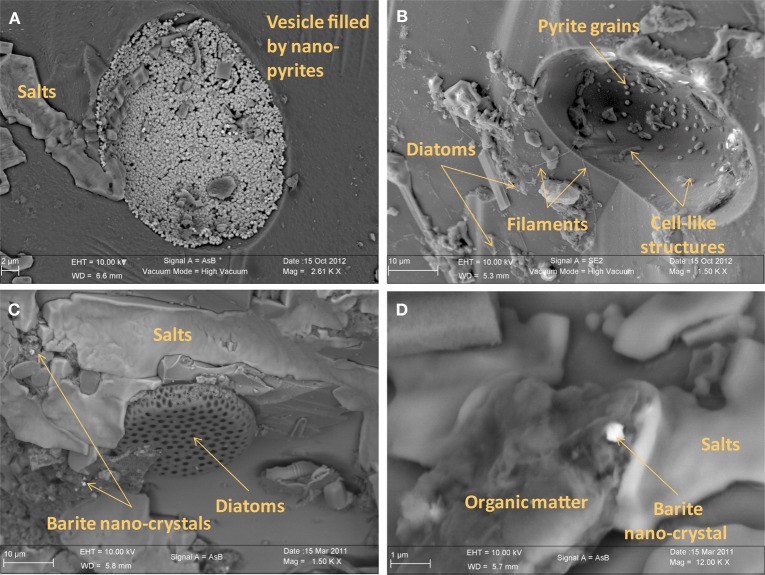
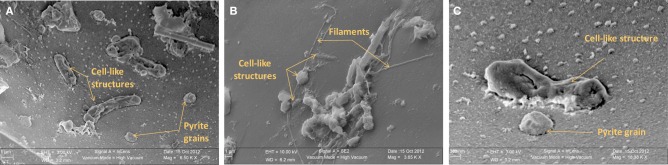
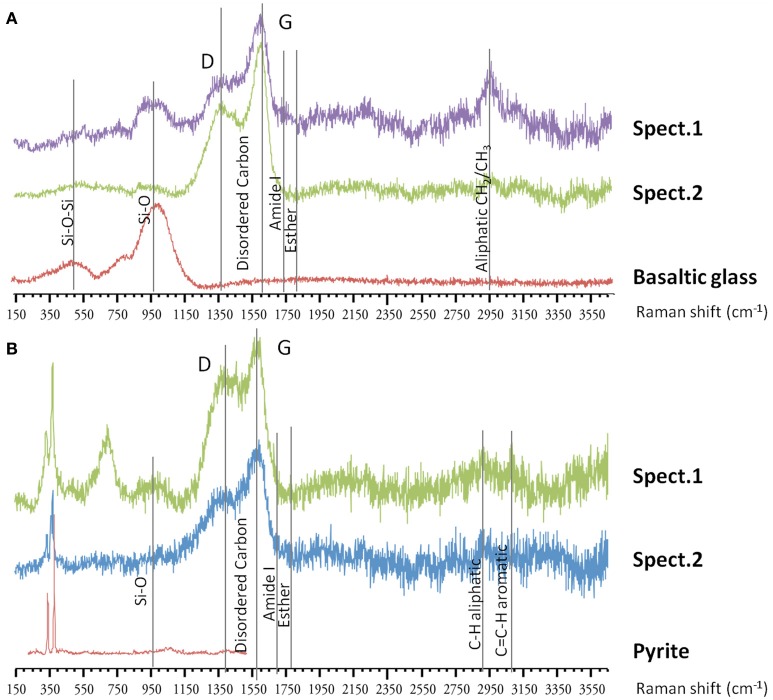
Oceanic basalts host diverse microbial communities with various metabolisms involved in C, N, S, and Fe biogeochemical cycles which may contribute to mineral and glass alteration processes at, and below the seafloor. In order to study the microbial colonization on basaltic glasses and their potential biotic/abiotic weathering products, two colonization modules called AISICS ("Autonomous in situ Instrumented Colonization System") were deployed in hydrothermal deep-sea sediments at the Guaymas Basin for 8 days and 22 days. Each AISICS module contained 18 colonizers (including sterile controls) filled with basaltic glasses of contrasting composition. Chemical analyses of ambient fluids sampled through the colonizers showed a greater contribution of hydrothermal fluids (maximum temperature 57.6°C) for the module deployed during the longer time period. For each colonizer, the phylogenetic diversity and metabolic function of bacterial and archaeal communities were explored using a molecular approach by cloning and sequencing. Results showed large microbial diversity in all colonizers. The bacterial distribution was primarily linked to the deployment duration, as well as the depth for the short deployment time module. Some 16s rRNA sequences formed a new cluster of Epsilonproteobacteria. Within the Archaea the retrieved diversity could not be linked to either duration, depth or substrata. However, mcrA gene sequences belonging to the ANME-1 mcrA-guaymas cluster were found sometimes associated with their putative sulfate-reducers syntrophs depending on the colonizers. Although no specific glass alteration texture was identified, nano-crystals of barite and pyrite were observed in close association with organic matter, suggesting a possible biological mediation. This study gives new insights into the colonization steps of volcanic rock substrates and the capability of microbial communities to exploit new environmental conditions.
海洋玄武岩中栖息着多种多样的微生物群落,这些微生物参与碳、氮、硫和铁的生物地球化学循环,可能有助于海底和海底以下的矿物和玻璃蚀变过程。为了研究微生物对玄武玻璃的定殖及其潜在的生物/非生物风化产物,两个名为 AISICS(“自主原位仪器化定殖系统”)的定殖模块被部署在瓜伊马斯盆地的热液深海沉积物中,时间分别为 8 天和 22 天。每个 AISICS 模块包含 18 个殖民者(包括无菌对照),其中填充有组成不同的玄武玻璃。通过殖民者采集的环境流体的化学分析表明,对于部署时间较长的模块,热液流体的贡献更大(最高温度为 57.6°C)。对于每个殖民者,使用克隆和测序的分子方法探索了细菌和古菌群落的系统发育多样性和代谢功能。结果表明,所有殖民者中都存在大量的微生物多样性。细菌的分布主要与部署时间以及短期部署时间模块的深度有关。一些 16s rRNA 序列形成了一个新的 Epsilonproteobacteria 聚类。在古菌中,所获得的多样性与持续时间、深度或基底都没有关系。然而,有时会发现属于 ANME-1 mcrA-guaymas 簇的 mcrA 基因序列与其假定的硫酸盐还原菌共生体有关,这取决于殖民者。虽然没有确定特定的玻璃蚀变纹理,但在有机物附近观察到了重晶石和黄铁矿的纳米晶体,这表明可能存在生物介导。这项研究为火山岩基质的定殖步骤以及微生物群落利用新环境条件的能力提供了新的见解。