Sudek Lisa A, Wanger Greg, Templeton Alexis S, Staudigel Hubert, Tebo Bradley M
Marine Biology Research Division, Scripps Institution of Oceanography, University of California, San Diego, La Jolla CA, USA.
Jet Propulsion Laboratory, California Institute of Technology, University of Southern California, Pasadena CA, USA.
Front Microbiol. 2017 Mar 10;8:363. doi: 10.3389/fmicb.2017.00363. eCollection 2017.
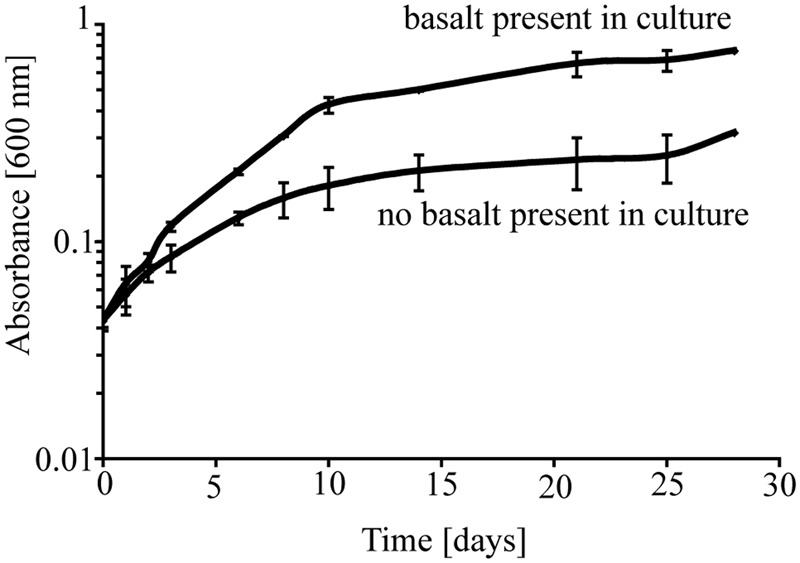
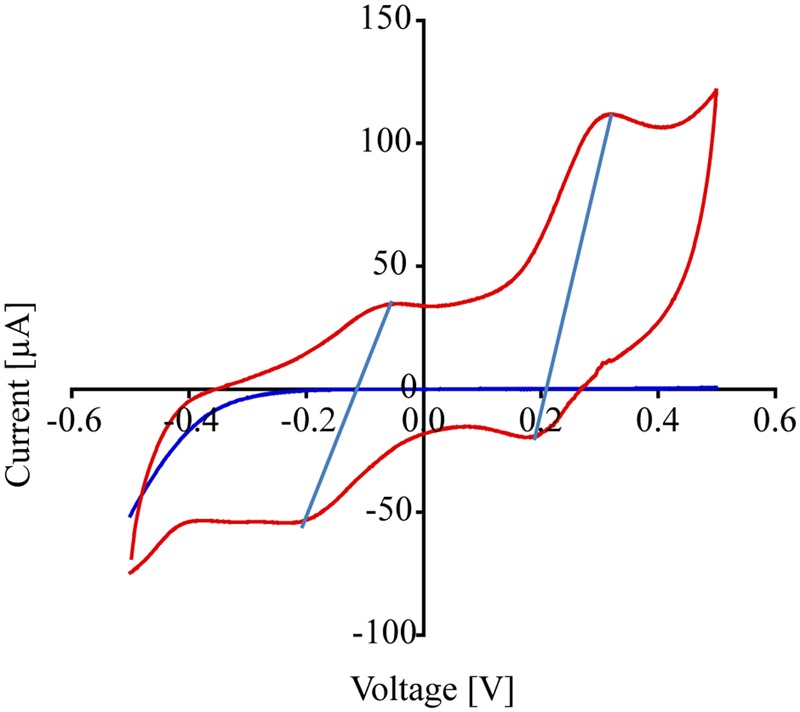
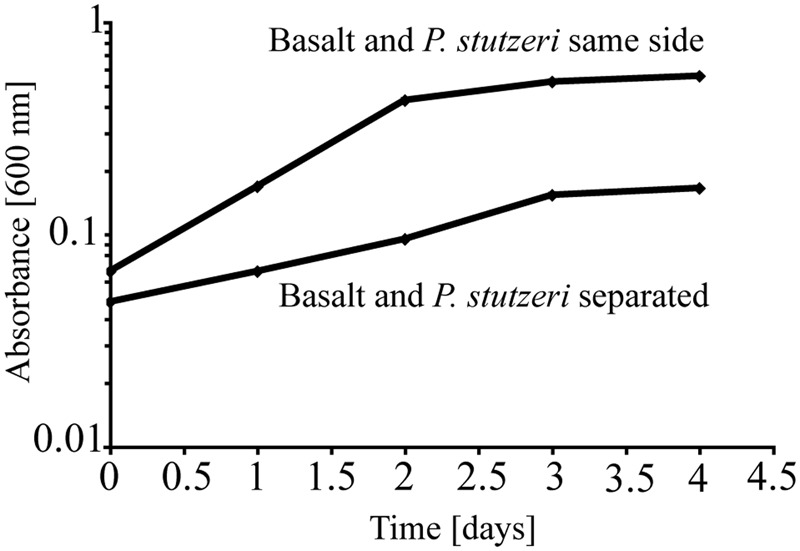
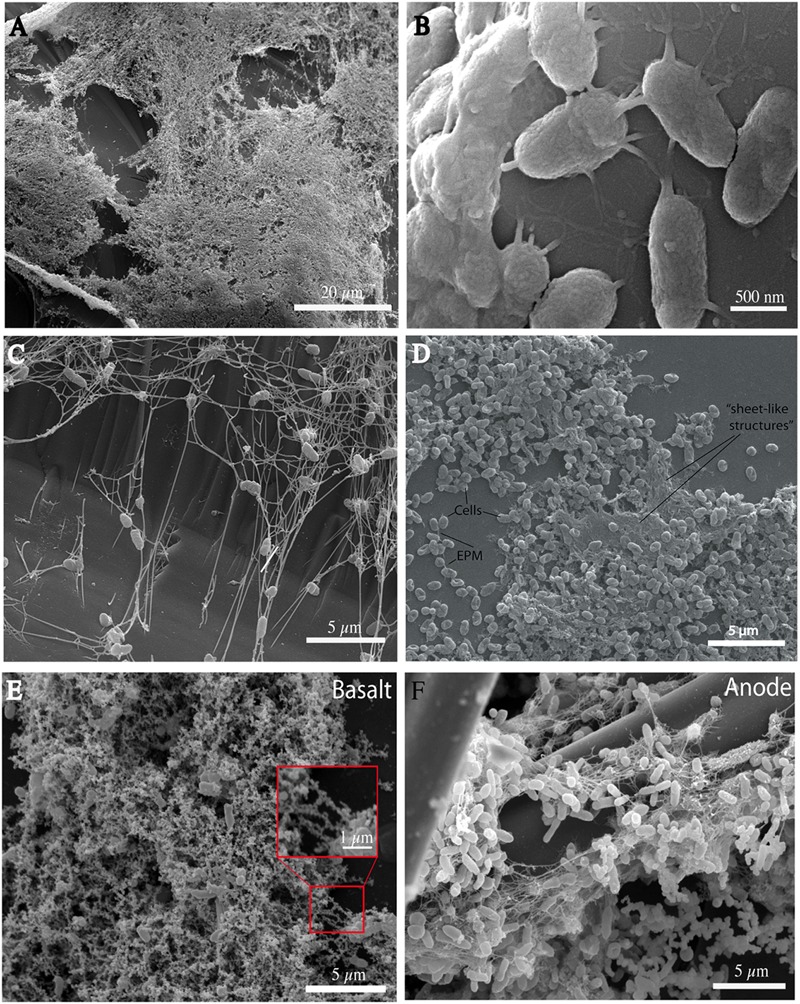
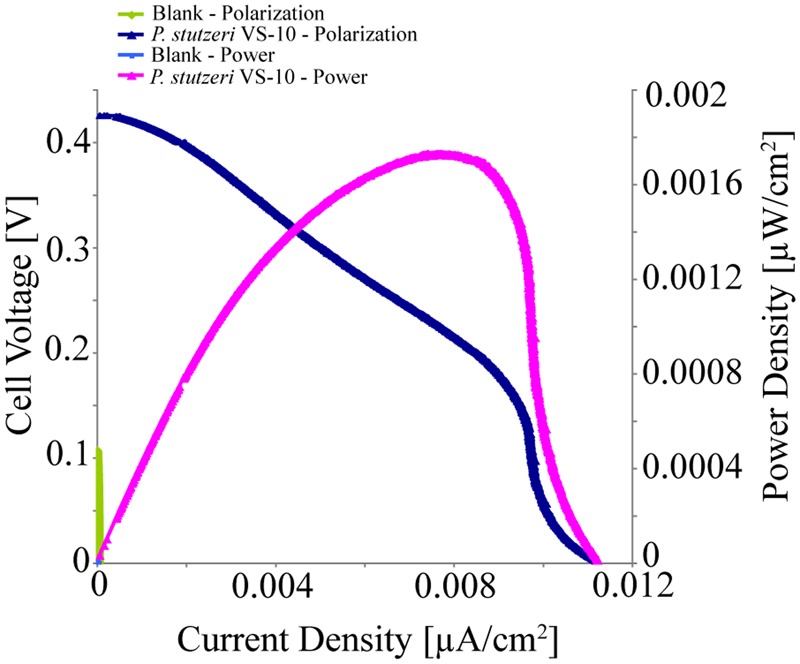
Phylogenetically and metabolically diverse bacterial communities have been found in association with submarine basaltic glass surfaces. The driving forces behind basalt colonization are for the most part unknown. It remains ambiguous if basalt provides ecological advantages beyond representing a substrate for surface colonization, such as supplying nutrients and/or energy. VS-10, a metabolically versatile bacterium isolated from Vailulu'u Seamount, was used as a model organism to investigate the physiological responses observed when biofilms are established on basaltic glasses. In Fe-limited heterotrophic media, VS-10 exhibited elevated growth in the presence of basaltic glass. Diffusion chamber experiments demonstrated that physical attachment or contact of soluble metabolites such as siderophores with the basaltic glass plays a pivotal role in this process. Electrochemical data indicated that VS-10 is able to use solid substrates (electrodes) as terminal electron donors and acceptors. Siderophore production and heterotrophic Fe(II) oxidation are discussed as potential mechanisms enhancing growth of VS-10 on glass surfaces. In correlation with that we discuss the possibility that metabolic versatility could represent a common and beneficial physiological trait in marine microbial communities being subject to oligotrophic and rapidly changing deep-sea conditions.
在与海底玄武岩玻璃表面相关的环境中,已发现系统发育和代谢多样的细菌群落。玄武岩定殖背后的驱动力在很大程度上尚不清楚。玄武岩除了作为表面定殖的基质外,是否还提供了诸如供应营养物质和/或能量等生态优势,目前仍不明确。VS - 10是一种从瓦伊卢卢乌海山分离出的代谢多功能细菌,被用作模式生物,以研究在玄武岩玻璃上形成生物膜时所观察到的生理反应。在铁限制的异养培养基中,VS - 10在玄武岩玻璃存在的情况下生长有所增加。扩散室实验表明,诸如铁载体等可溶性代谢物与玄武岩玻璃的物理附着或接触在这一过程中起关键作用。电化学数据表明,VS - 10能够将固体底物(电极)用作末端电子供体和受体。讨论了铁载体的产生和异养铁(II)氧化作为增强VS - 10在玻璃表面生长的潜在机制。与此相关,我们讨论了代谢多功能性可能代表海洋微生物群落中一种常见且有益的生理特征的可能性,这些群落面临着贫营养和快速变化的深海环境。