Departments of Microbiology and Immunology, Medicine, McGill University, Montréal, Québec, Canada.
PLoS Pathog. 2013;9(8):e1003575. doi: 10.1371/journal.ppat.1003575. Epub 2013 Aug 22.
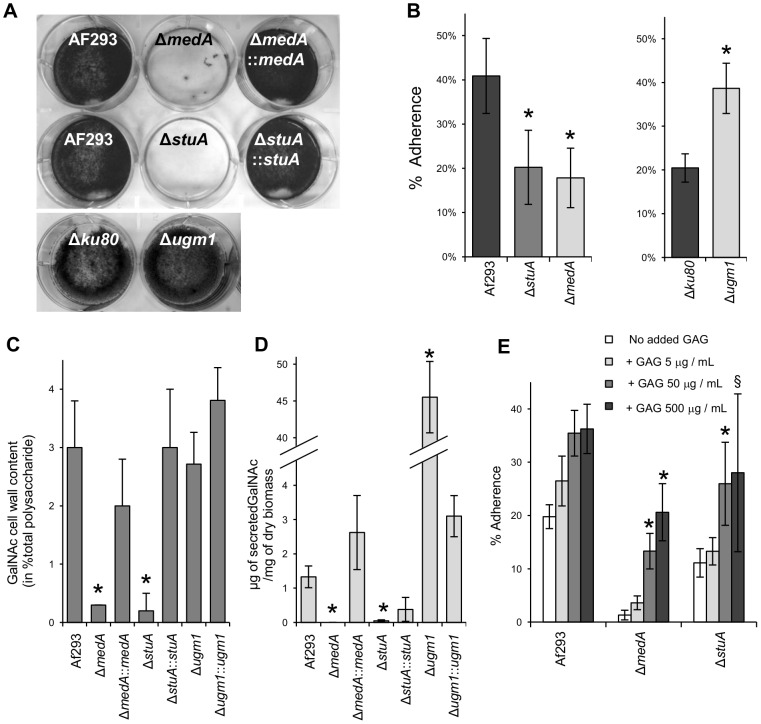
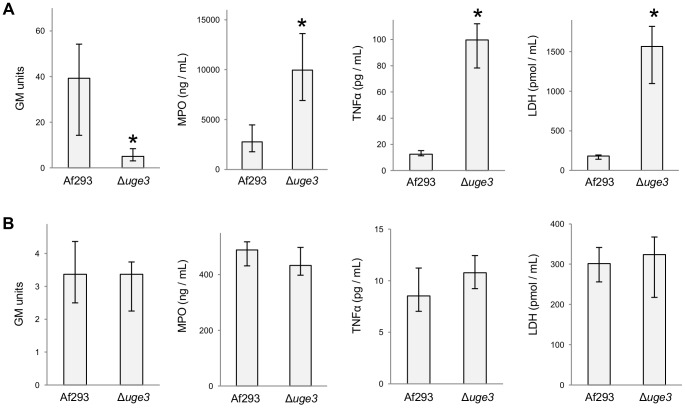
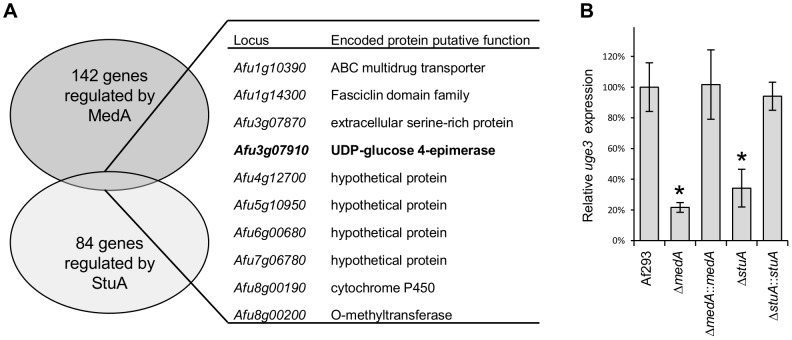
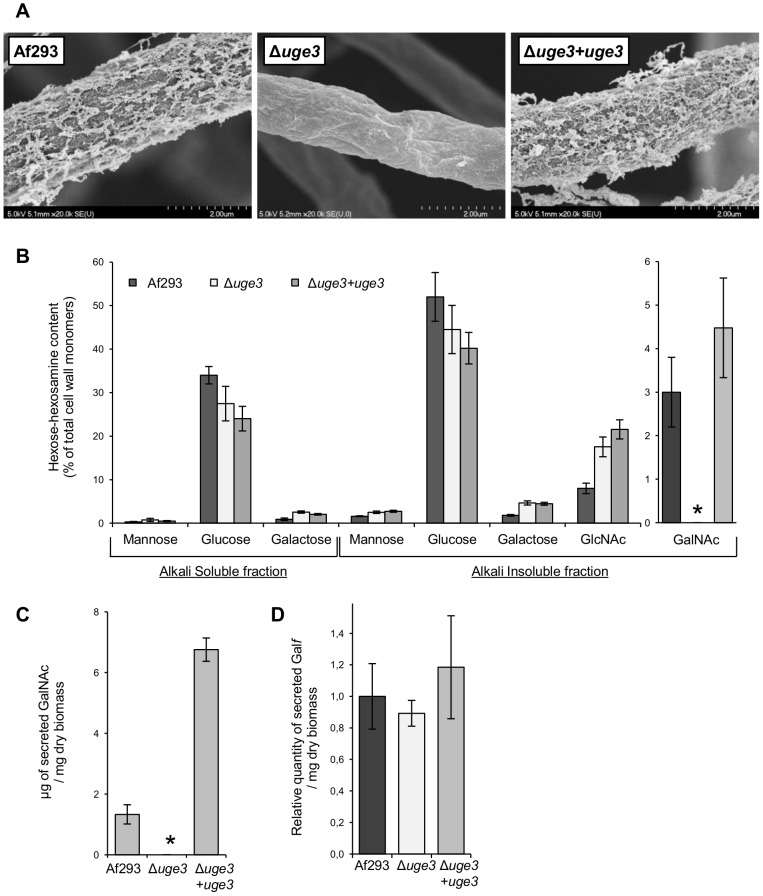
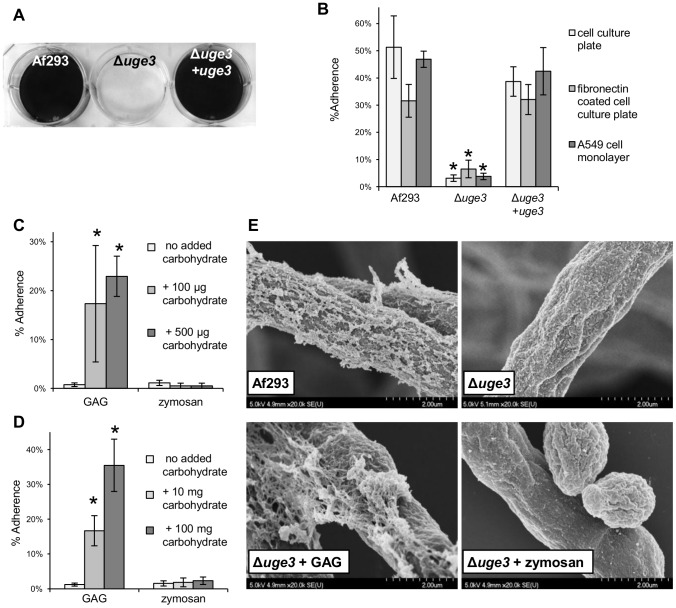
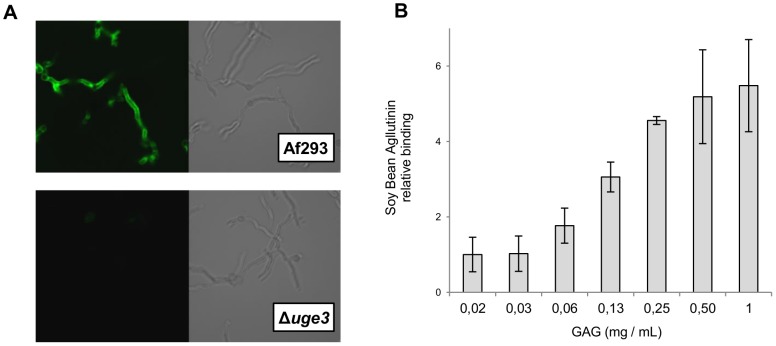
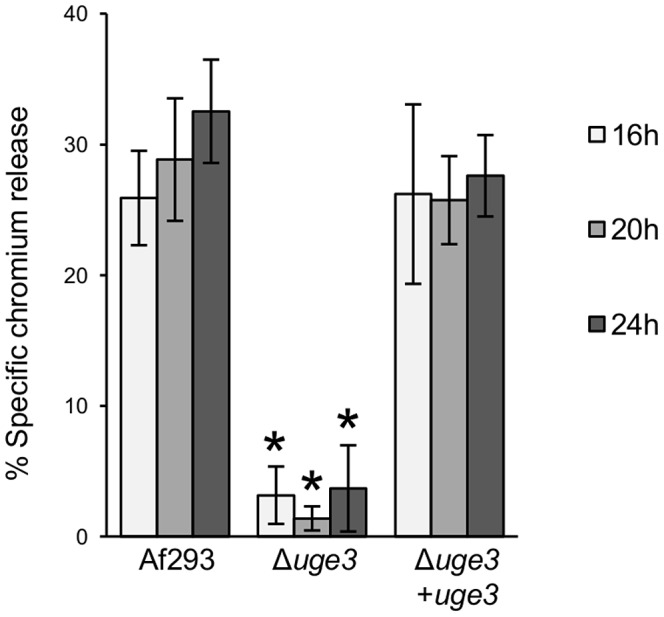
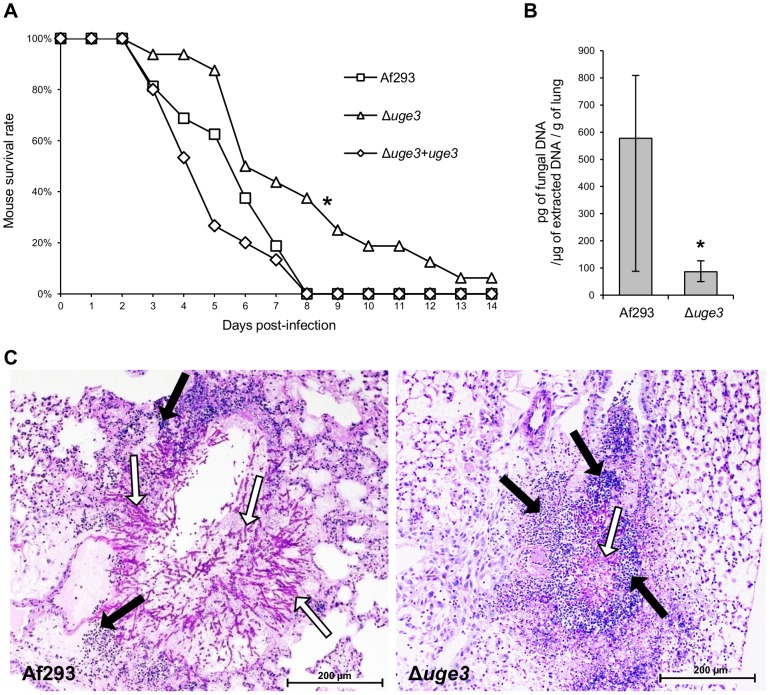
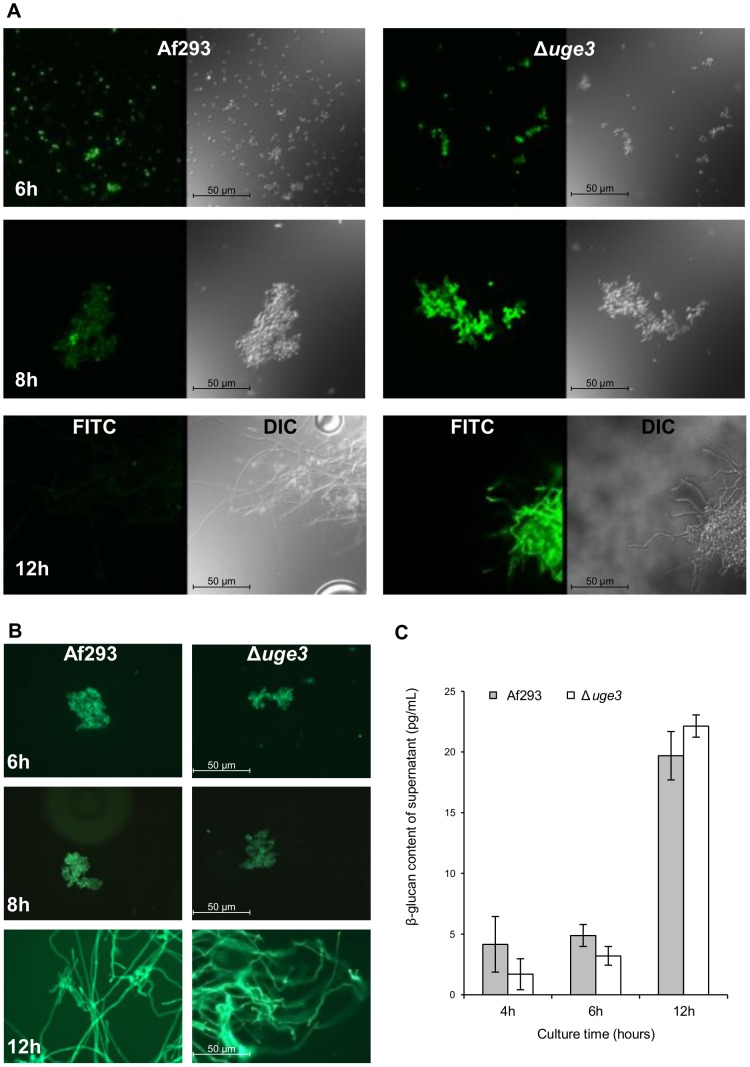
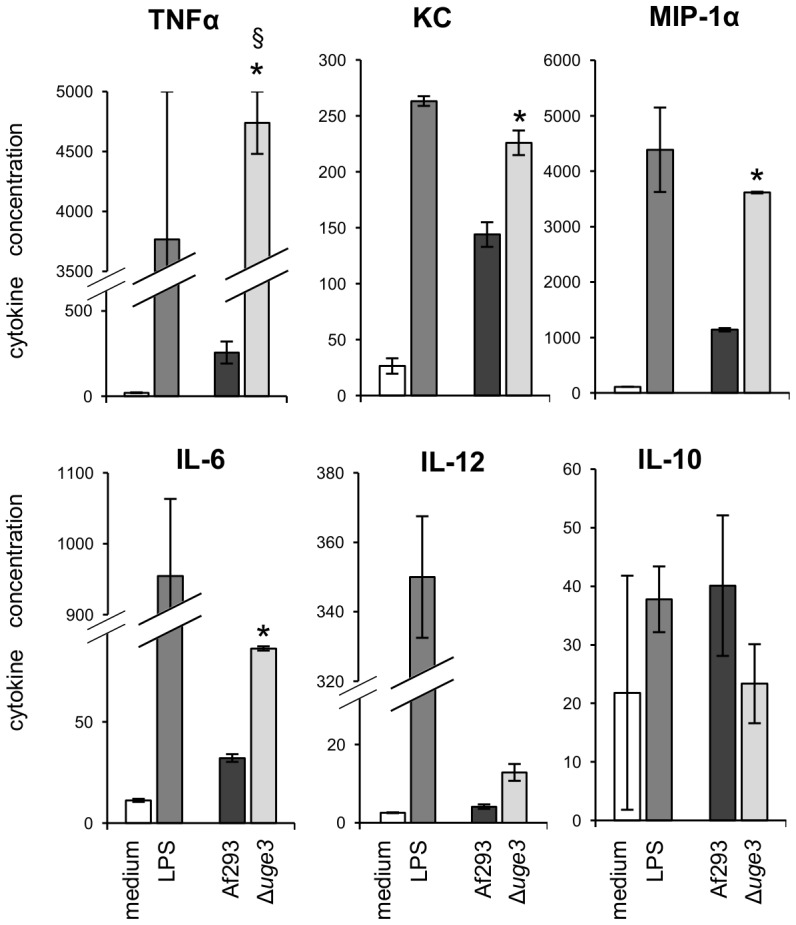
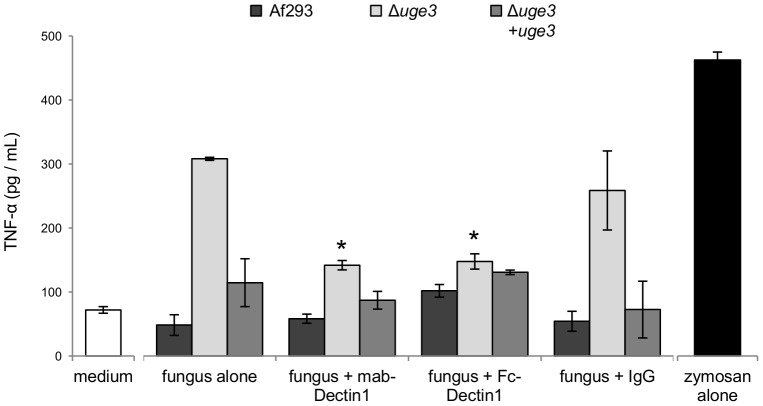
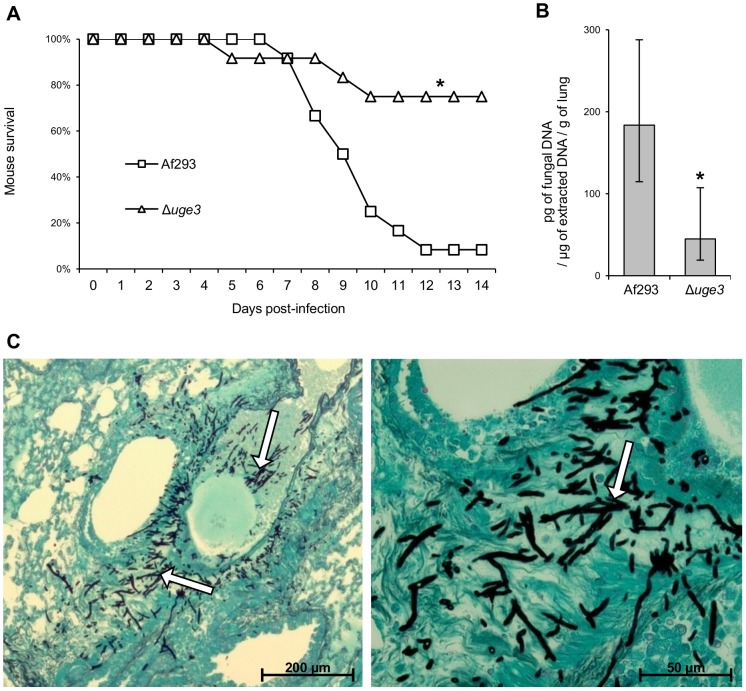
Aspergillus fumigatus is the most common cause of invasive mold disease in humans. The mechanisms underlying the adherence of this mold to host cells and macromolecules have remained elusive. Using mutants with different adhesive properties and comparative transcriptomics, we discovered that the gene uge3, encoding a fungal epimerase, is required for adherence through mediating the synthesis of galactosaminogalactan. Galactosaminogalactan functions as the dominant adhesin of A. fumigatus and mediates adherence to plastic, fibronectin, and epithelial cells. In addition, galactosaminogalactan suppresses host inflammatory responses in vitro and in vivo, in part through masking cell wall β-glucans from recognition by dectin-1. Finally, galactosaminogalactan is essential for full virulence in two murine models of invasive aspergillosis. Collectively these data establish a role for galactosaminogalactan as a pivotal bifunctional virulence factor in the pathogenesis of invasive aspergillosis.
烟曲霉是人类最常见的侵袭性霉菌病病原体。该霉菌与宿主细胞和大分子结合的机制仍难以捉摸。本研究利用具有不同粘附特性的突变体和比较转录组学,发现编码真菌差向异构酶的 uge3 基因通过介导半乳氨基半乳糖聚糖的合成而在粘附过程中发挥作用。半乳氨基半乳糖聚糖是烟曲霉的主要黏附素,介导其对塑料、纤维连接蛋白和上皮细胞的黏附。此外,半乳氨基半乳糖聚糖在体外和体内抑制宿主的炎症反应,部分原因是通过掩盖细胞壁β-葡聚糖,使其免受 dectin-1 的识别。最后,半乳氨基半乳糖聚糖对于两种侵袭性曲霉菌病的小鼠模型的完全毒力是必需的。总的来说,这些数据确立了半乳氨基半乳糖聚糖作为侵袭性曲霉菌病发病机制中关键双功能毒力因子的作用。