Department of Biochemistry and Molecular Genetics, University of Alabama at Birmingham, Birmingham, AL 35294-0024, USA.
Cell Rep. 2013 Sep 12;4(5):974-84. doi: 10.1016/j.celrep.2013.07.044. Epub 2013 Aug 29.
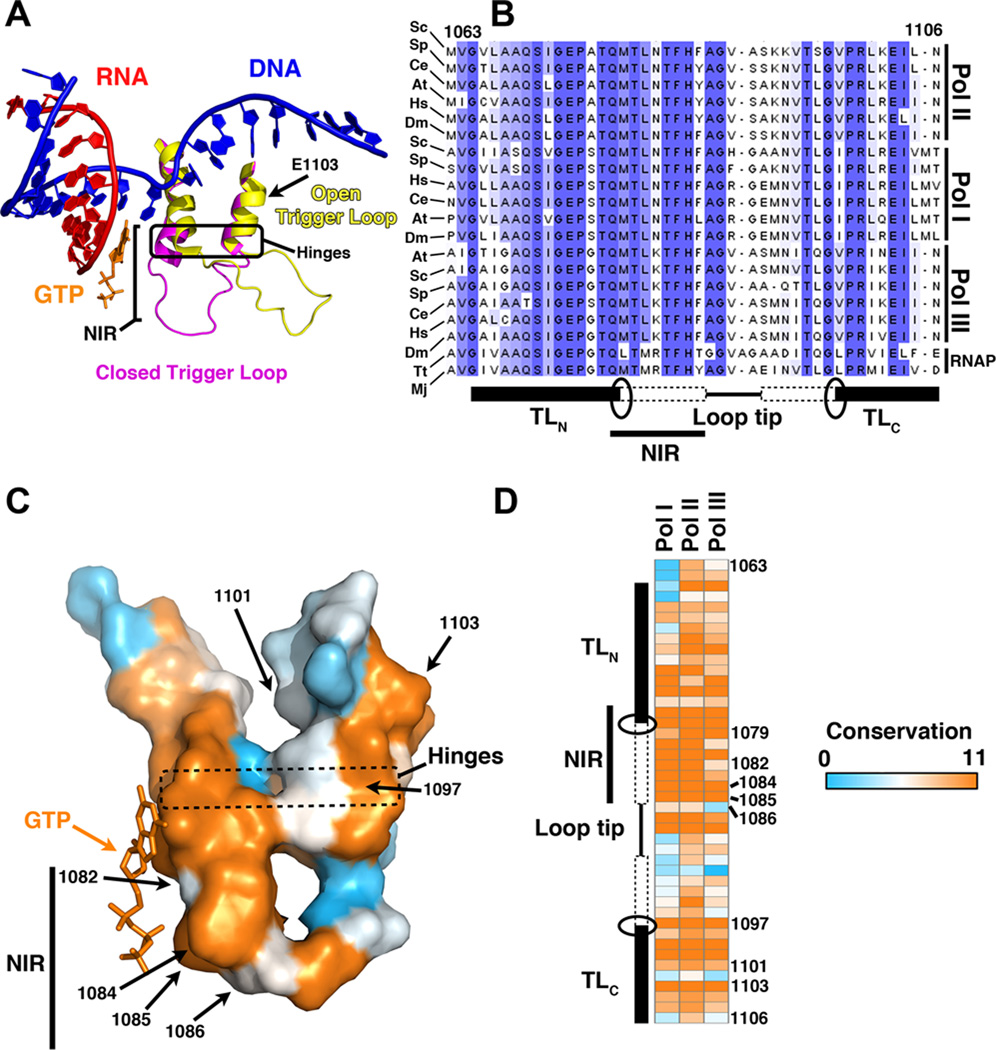
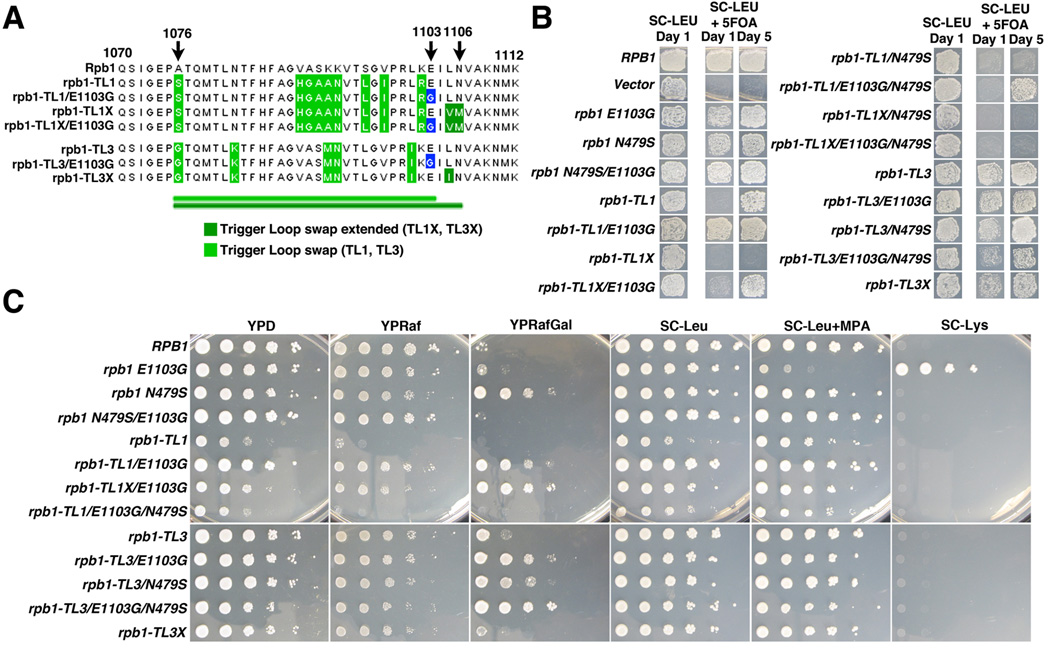
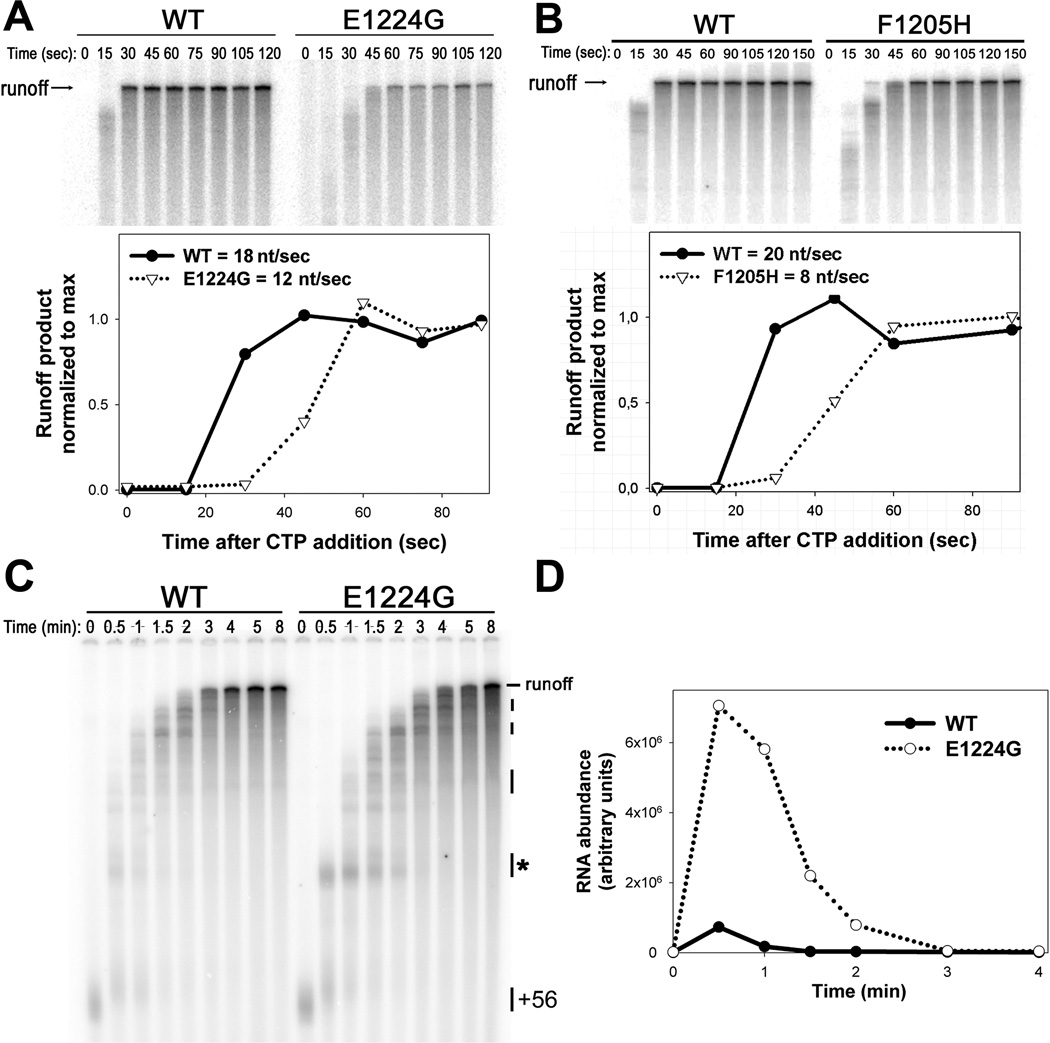
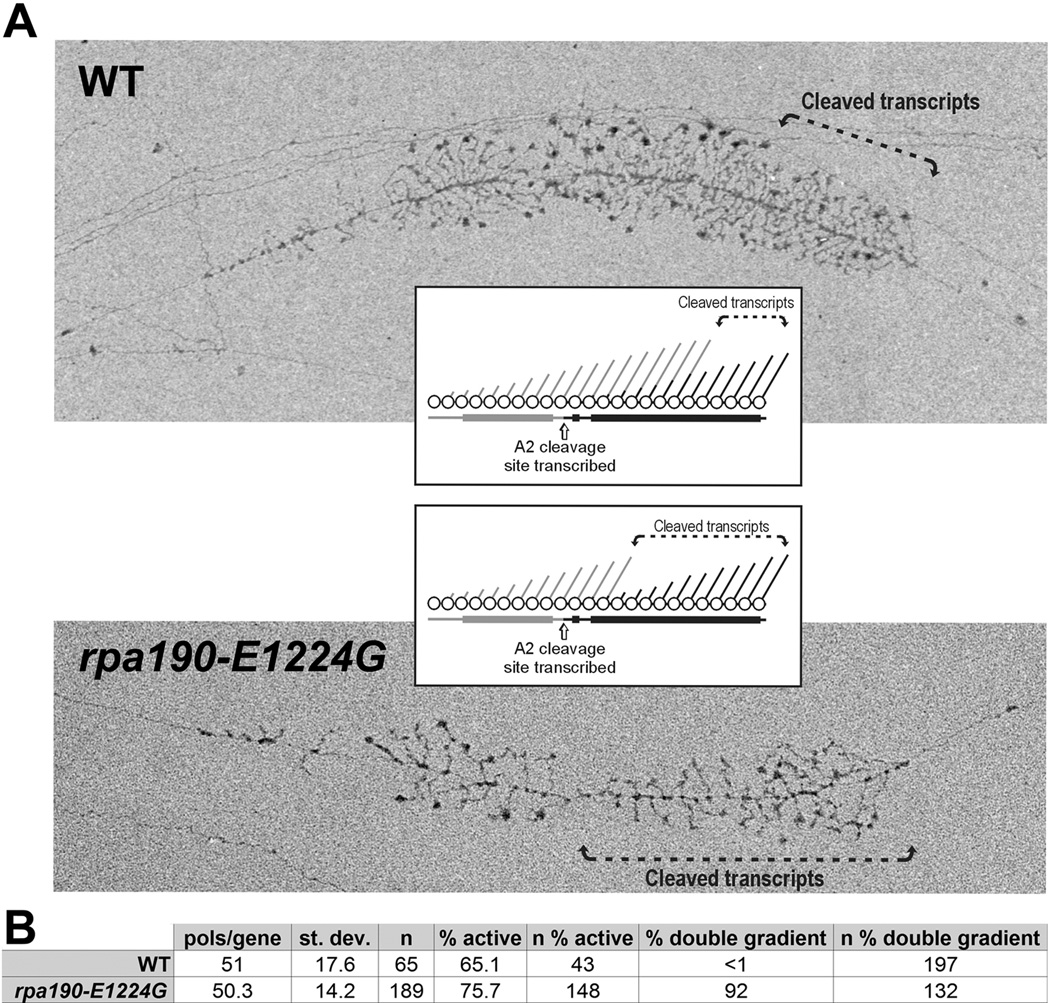
Multisubunit RNA polymerases (msRNAPs) exhibit high sequence and structural homology, especially within their active sites, which is generally thought to result in msRNAP functional conservation. However, we show that mutations in the trigger loop (TL) in the largest subunit of RNA polymerase I (Pol I) yield phenotypes unexpected from studies of Pol II. For example, a well-characterized gain-of-function mutation in Pol II results in loss of function in Pol I (Pol II: rpb1- E1103G; Pol I: rpa190-E1224G). Studies of chimeric Pol II enzymes hosting Pol I or Pol III TLs suggest that consequences of mutations that alter TL dynamics are dictated by the greater enzymatic context and not solely the TL sequence. Although the rpa190-E1224G mutation diminishes polymerase activity, when combined with mutations that perturb Pol I catalysis, it enhances polymerase function, similar to the analogous Pol II mutation. These results suggest that Pol I and Pol II have different rate-limiting steps.
多亚基 RNA 聚合酶(msRNAP)表现出高度的序列和结构同源性,尤其是在它们的活性部位,这通常被认为导致 msRNAP 功能保守。然而,我们表明,RNA 聚合酶 I(Pol I)大亚基中的触发环(TL)中的突变产生了与 Pol II 研究中预期不同的表型。例如,Pol II 中一个特征明确的功能获得性突变导致 Pol I 功能丧失(Pol II:rpb1-E1103G;Pol I:rpa190-E1224G)。研究表明,改变 TL 动力学的突变的后果是由更大的酶环境决定的,而不仅仅是 TL 序列。虽然 rpa190-E1224G 突变降低了聚合酶活性,但当与干扰 Pol I 催化的突变组合时,它会增强聚合酶功能,类似于类似的 Pol II 突变。这些结果表明 Pol I 和 Pol II 具有不同的限速步骤。