Unité de Recherche sur les Maladies Infectieuses et Tropicales Emergentes, UM63, CNRS7278, IRD198, INSERMU1095, Marseille, France.
Nat Rev Microbiol. 2013 Aug;11(8):574-85. doi: 10.1038/nrmicro3068.
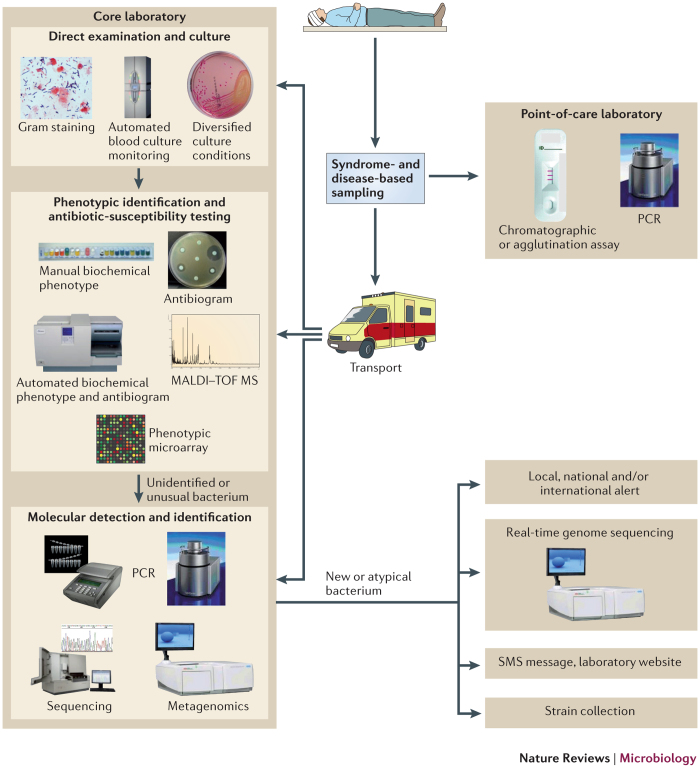
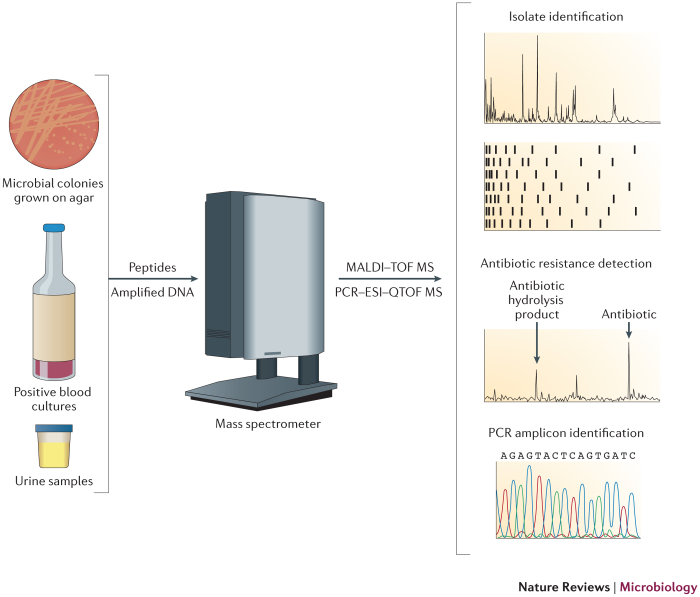
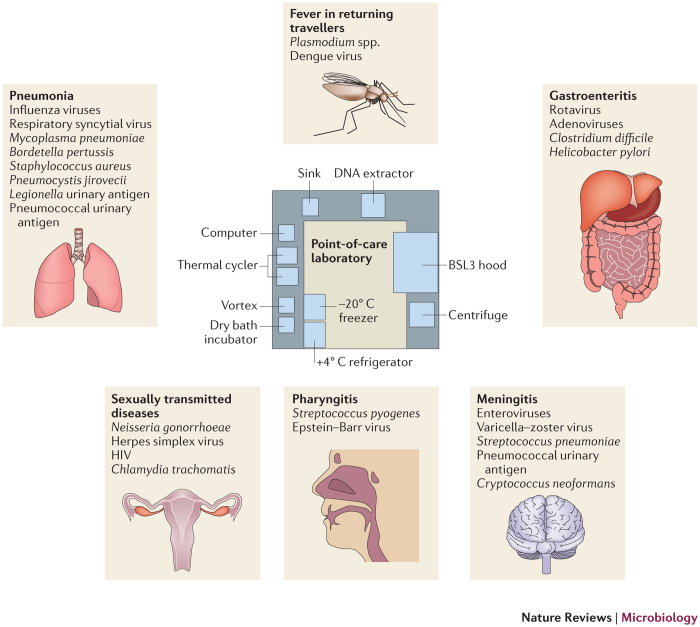
In the twenty-first century, the clinical microbiology laboratory plays a central part in optimizing the management of infectious diseases and surveying local and global epidemiology. This pivotal role is made possible by the adoption of rational sampling, point-of-care tests, extended automation and new technologies, including mass spectrometry for colony identification, real-time genomics for isolate characterization, and versatile and permissive culture systems. When balanced with cost, these developments can improve the workflow and output of clinical microbiology laboratories and, by identifying and characterizing microbial pathogens, provide significant input to scientific discovery.
在二十一世纪,临床微生物学实验室在优化传染病管理和调查本地及全球流行病学方面发挥着核心作用。通过采用合理的采样、即时检测、扩展自动化和新技术,包括用于菌落鉴定的质谱技术、用于分离物特征描述的实时基因组学技术以及多功能和宽松的培养系统,实现了这一关键角色。在与成本平衡的情况下,这些发展可以改善临床微生物学实验室的工作流程和产出,并通过鉴定和描述微生物病原体,为科学发现提供重要的投入。