Department of Microbiology, Immunology & Biochemistry, University of Tennessee Health Sciences Center, Memphis, TN, USA.
Regional Biocontainment Laboratory, University of Tennessee Health Sciences Center, Memphis, TN, USA.
Future Microbiol. 2013 Sep;8(9):1129-1146. doi: 10.2217/fmb.13.80.
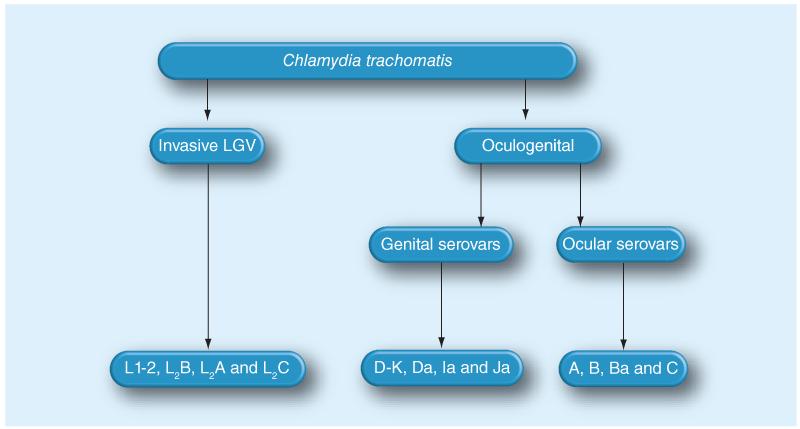
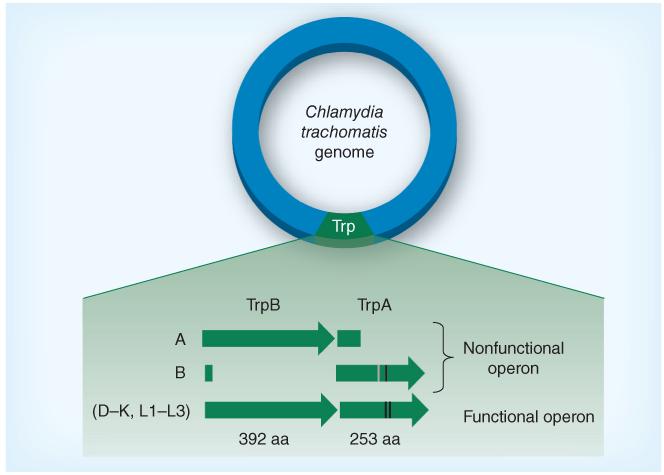
Chlamydia trachomatis infections are a global health problem. This obligate intracellular bacterial pathogen comprises lymphogranuloma venereum (L1-L3), ocular (A-C) and genital (D-K) serovars. Although genetically similar, each serovar group differs in disease severity and tissue tropism through mechanisms that are not well understood. It is clear that host genetic differences also play a role in chlamydial disease outcome and key host polymorphisms are beginning to emerge from both human and experimental animal studies. In this review, we will highlight pathogen and host genes that link genetic diversity, disease severity and tissue tropism. We will also use this information to provide new insights that may be helpful in developing improved management strategies for these important pathogens.
沙眼衣原体感染是一个全球性的健康问题。这种专性细胞内细菌病原体包括性病淋巴肉芽肿(L1-L3)、眼(A-C)和生殖道(D-K)血清型。尽管在基因上相似,但每个血清型组在疾病严重程度和组织嗜性方面存在差异,其机制尚不清楚。很明显,宿主遗传差异也在衣原体疾病的结果中发挥作用,人类和实验动物研究都开始出现关键的宿主多态性。在这篇综述中,我们将强调连接遗传多样性、疾病严重程度和组织嗜性的病原体和宿主基因。我们还将利用这些信息提供新的见解,这可能有助于制定这些重要病原体的改进管理策略。