DiDonato Brumbach Andrea C, Goffman Lisa
J Speech Lang Hear Res. 2014 Feb;57(1):158-71. doi: 10.1044/1092-4388(2013/12-0215).
To examine how language production interacts with speech motor and gross and fine motor skill in children with specific language impairment (SLI).
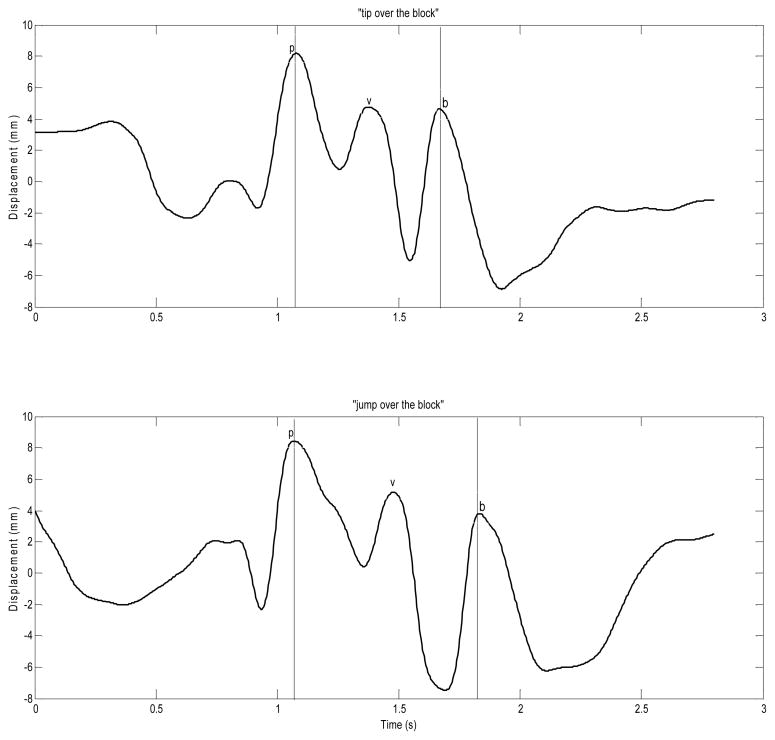
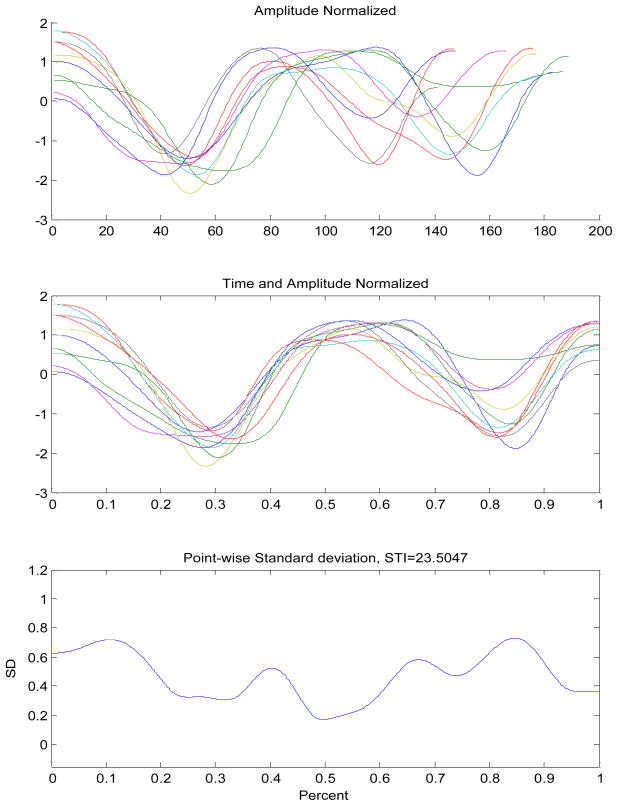
Eleven children with SLI and 12 age-matched peers (4-6 years) produced structurally primed sentences containing particles and prepositions. Utterances were analyzed for errors and for articulatory duration and variability. Standard measures of motor, language, and articulation skill were also obtained.
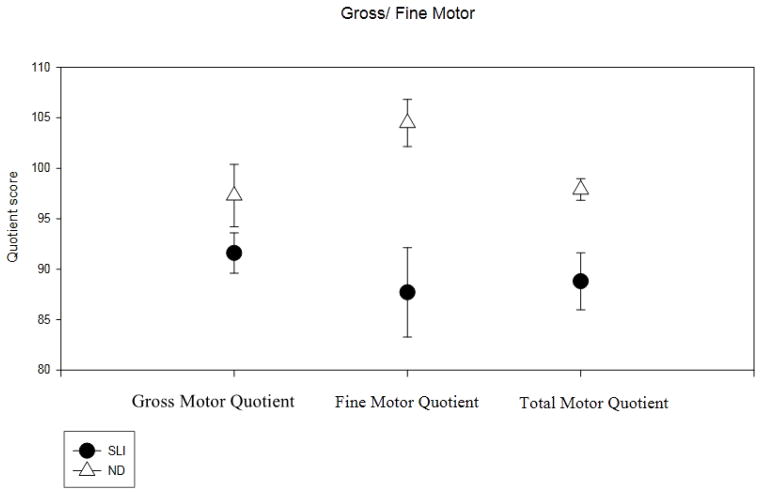
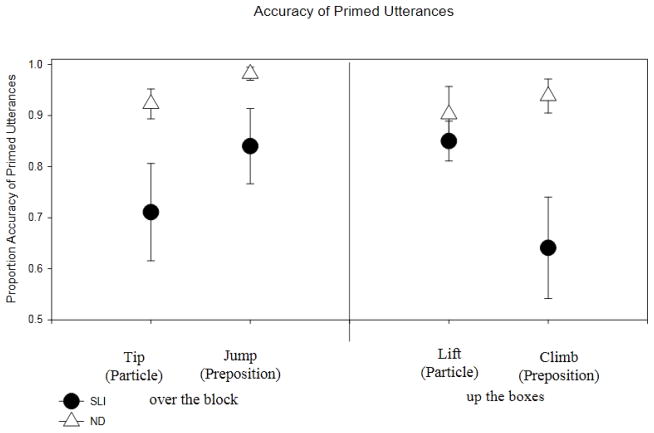
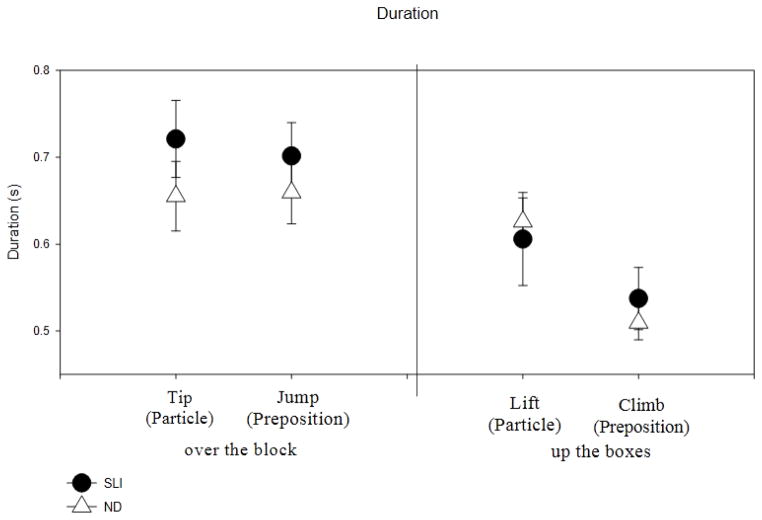
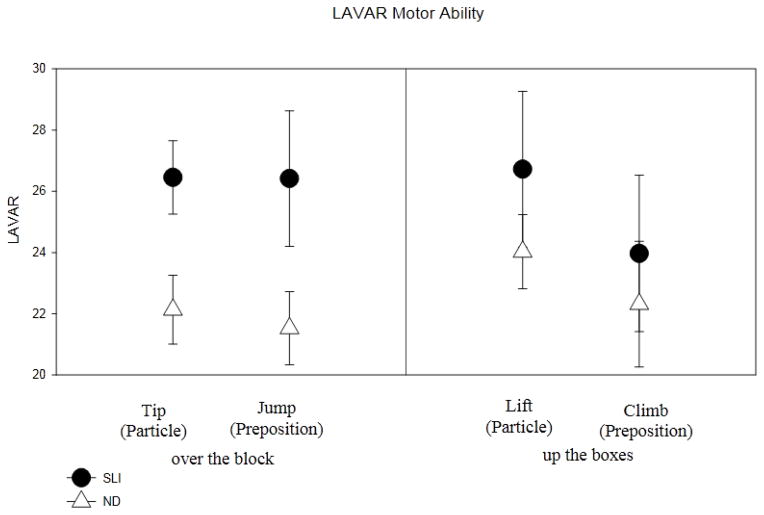
Sentences containing particles, as compared with prepositions, were less likely to be produced in a priming task and were longer in duration, suggesting increased difficulty with this syntactic structure. Children with SLI demonstrated higher articulatory variability and poorer gross and fine motor skills compared with aged-matched controls. Articulatory variability was correlated with generalized gross and fine motor performance.
Children with SLI show co-occurring speech motor and generalized motor deficits. Current theories do not fully account for the present findings, though the procedural deficit hypothesis provides a framework for interpreting overlap among language and motor domains.
研究特定语言障碍(SLI)儿童的语言生成如何与言语运动以及粗大和精细运动技能相互作用。
11名患有SLI的儿童和12名年龄匹配的同龄人(4至6岁)生成包含小品词和介词的结构启动句。对发音错误、发音时长和变异性进行分析。还获得了运动、语言和发音技能的标准测量值。
与介词相比,包含小品词的句子在启动任务中生成的可能性较小,且持续时间更长,这表明这种句法结构难度更大。与年龄匹配的对照组相比,患有SLI的儿童表现出更高的发音变异性以及更差的粗大和精细运动技能。发音变异性与总体粗大和精细运动表现相关。
患有SLI的儿童同时存在言语运动和总体运动缺陷。尽管程序缺陷假说为解释语言和运动领域之间的重叠提供了一个框架,但目前的理论并不能完全解释当前的研究结果。