Department of Dermatology, University of Luebeck, Luebeck, Germany ; Department of Pathology, University of Luebeck, Luebeck, Germany.
PLoS One. 2013 Sep 2;8(9):e73596. doi: 10.1371/journal.pone.0073596. eCollection 2013.
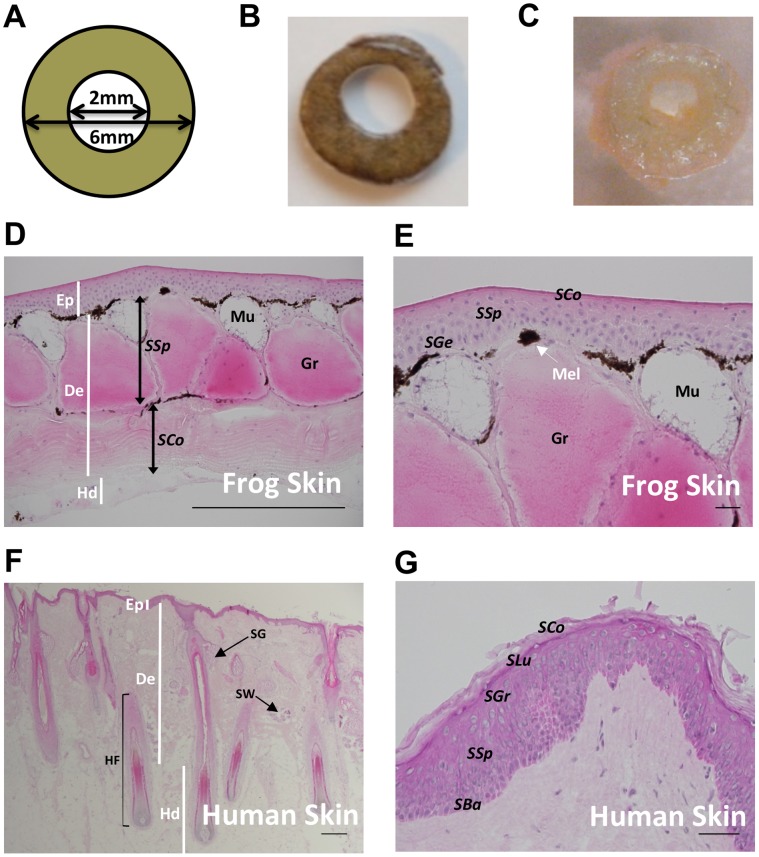
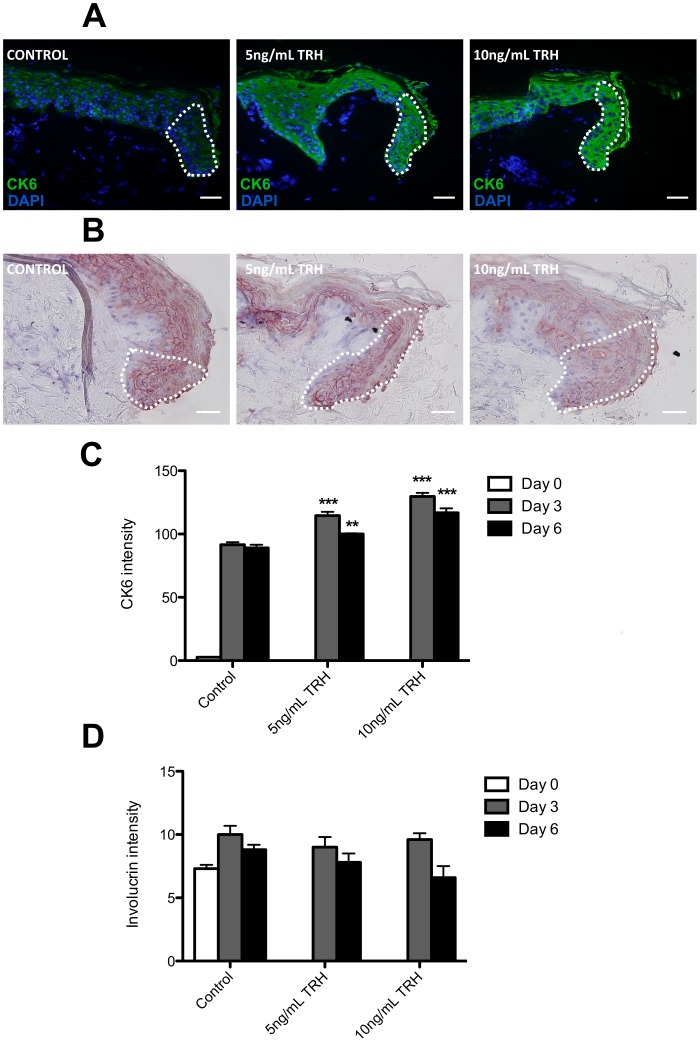
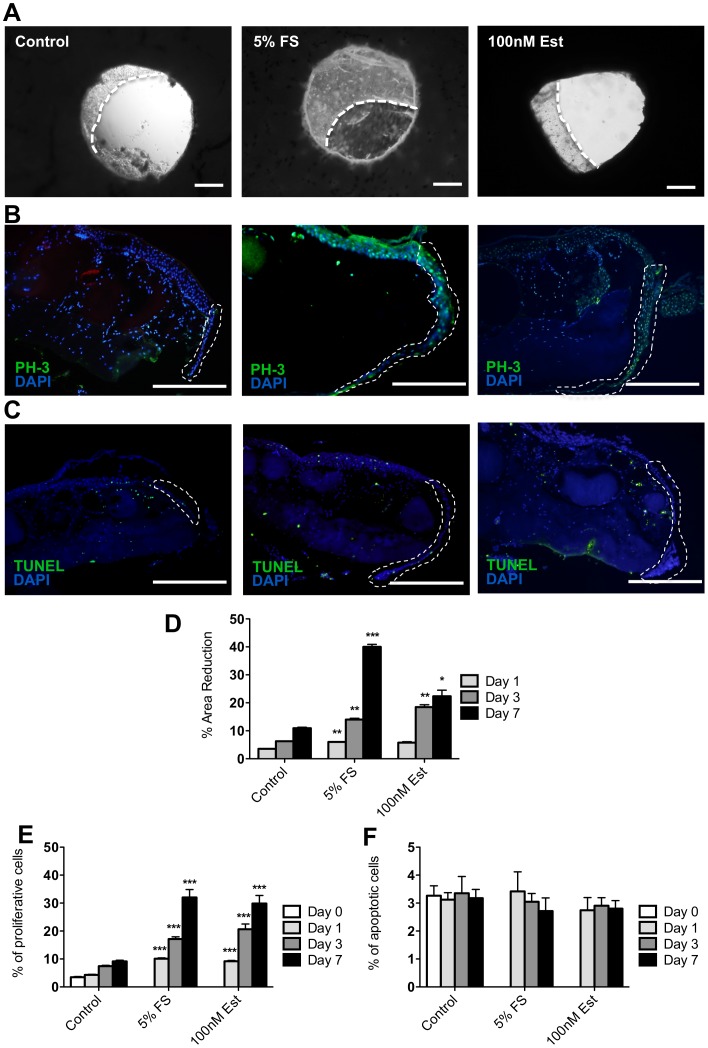
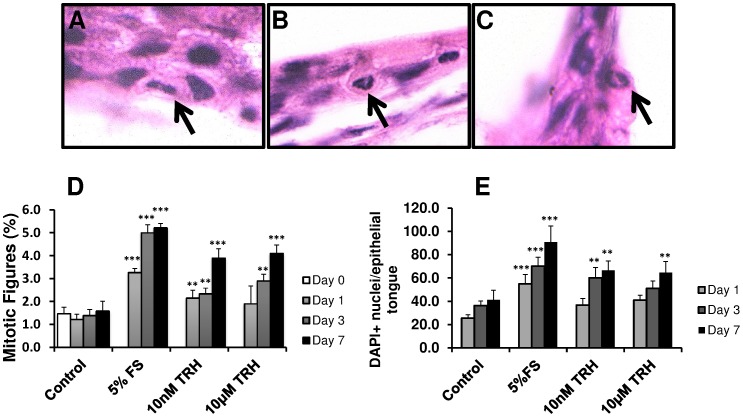
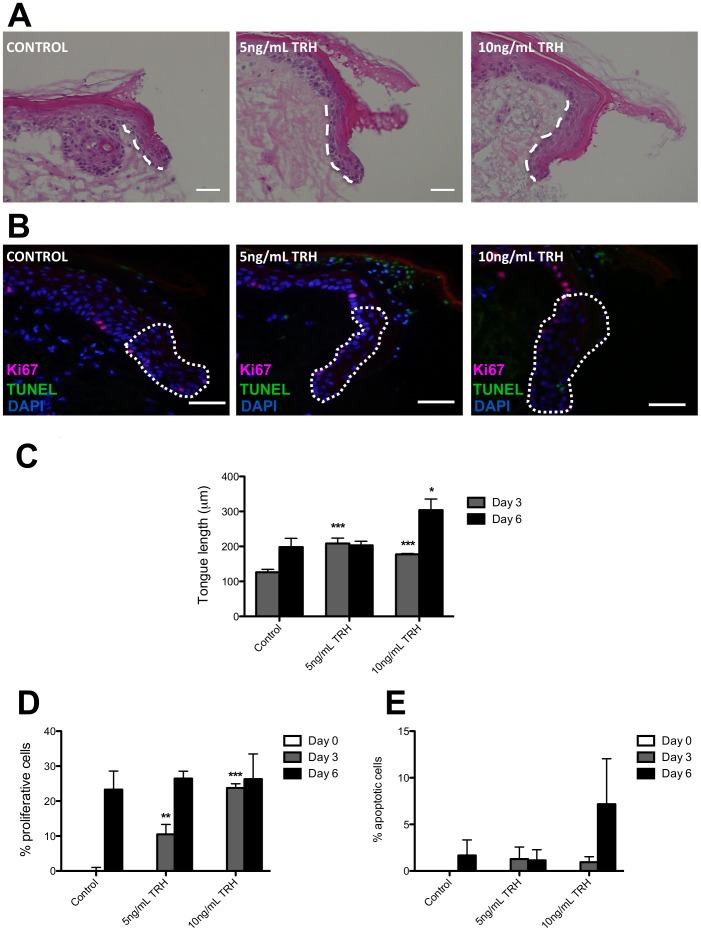
There remains a critical need for new therapeutics that promote wound healing in patients suffering from chronic skin wounds. This is, in part, due to a shortage of simple, physiologically and clinically relevant test systems for investigating candidate agents. The skin of amphibians possesses a remarkable regenerative capacity, which remains insufficiently explored for clinical purposes. Combining comparative biology with a translational medicine approach, we report the development and application of a simple ex vivo frog (Xenopus tropicalis) skin organ culture system that permits exploration of the effects of amphibian skin-derived agents on re-epithelialisation in both frog and human skin. Using this amphibian model, we identify thyrotropin-releasing hormone (TRH) as a novel stimulant of epidermal regeneration. Moving to a complementary human ex vivo wounded skin assay, we demonstrate that the effects of TRH are conserved across the amphibian-mammalian divide: TRH stimulates wound closure and formation of neo-epidermis in organ-cultured human skin, accompanied by increased keratinocyte proliferation and wound healing-associated differentiation (cytokeratin 6 expression). Thus, TRH represents a novel, clinically relevant neuroendocrine wound repair promoter that deserves further exploration. These complementary frog and human skin ex vivo assays encourage a comparative biology approach in future wound healing research so as to facilitate the rapid identification and preclinical testing of novel, evolutionarily conserved, and clinically relevant wound healing promoters.
对于患有慢性皮肤伤口的患者,促进伤口愈合的新疗法仍然是迫切需要的。部分原因是缺乏简单、生理相关且临床相关的候选药物测试系统。两栖动物的皮肤具有显著的再生能力,但尚未充分探索其在临床应用中的潜力。我们采用比较生物学与转化医学方法相结合,开发并应用了一种简单的体外青蛙(Xenopus tropicalis)皮肤器官培养系统,该系统可用于研究两栖动物皮肤来源的药物对青蛙和人类皮肤再上皮化的影响。利用这种两栖动物模型,我们发现促甲状腺素释放激素(TRH)是一种新型表皮再生刺激剂。在互补的人类体外创伤皮肤检测中,我们证明了 TRH 在两栖动物到哺乳动物的转变中具有保守作用:TRH 可刺激器官培养的人类皮肤的伤口闭合和新生表皮形成,同时增加角质形成细胞的增殖和与伤口愈合相关的分化(细胞角蛋白 6 表达)。因此,TRH 代表了一种新型的、具有临床相关性的神经内分泌伤口修复促进剂,值得进一步探索。这些互补的青蛙和人类皮肤体外检测鼓励在未来的伤口愈合研究中采用比较生物学方法,以促进新型、进化保守且具有临床相关性的伤口愈合促进剂的快速鉴定和临床前测试。