Department of Primary Health Care and General Practice, University of Otago, Wellington South 6242, New Zealand.
BMC Nurs. 2013 Sep 13;12(1):20. doi: 10.1186/1472-6955-12-20.
Diabetes is a major health issue for individuals and for health services. There is a considerable literature on the management of diabetes and also on communication in primary care consultations. However, few studies combine these two topics and specifically in relation to nurse communication. This paper describes the nature of nurse-patient communication in diabetes management.
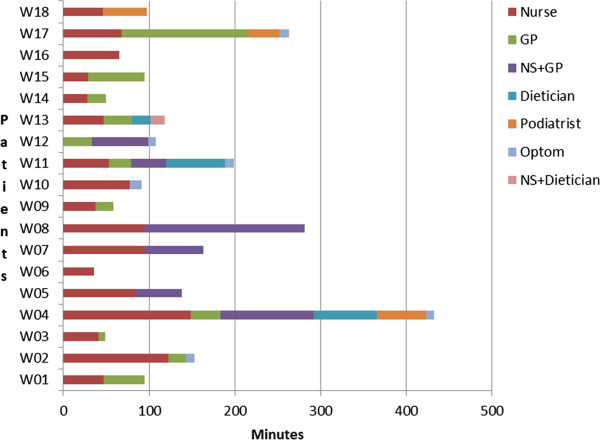
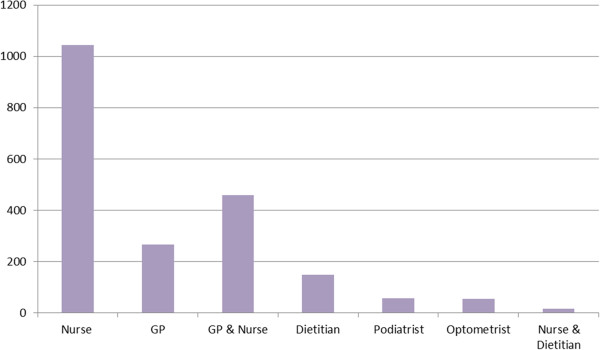
Thirty-five primary health care consultations involving 18 patients and 10 nurses were video-recorded as part of a larger multi-site study tracking health care interactions between health professionals and patients who were newly diagnosed with Type 2 diabetes. Patients and nurses were interviewed separately at the end of the 6-month study period and asked to describe their experience of managing diabetes. The analysis used ethnography and interaction analysis.In addition to analysis of the recorded consultations and interviews, the number of consultations for each patient and total time spent with nurses and other health professionals were quantified and compared.
This study showed that initial consultations with nurses often incorporated completion of extensive checklists, physical examination, referral to other health professionals and distribution of written material, and were typically longer than consultations with other health professionals. The consultations were driven more by the nurses' clinical agenda than by what the patient already knew or wanted to know. Interactional analysis showed that protocols and checklists both help and hinder the communication process. This contradictory outcome was also evident at a health systems level: although organisational targets may have been met, the patient did not always feel that their priorities were attended to. Both nurses and patients reported a sense of being overwhelmed arising from the sheer volume of information exchanged along with a mismatch in expectations.
Conscientious nursing work was evident but at times misdirected in terms of optimal use of time. The misalignment of patient expectations and clinical protocols highlights a common dilemma in clinical practice and raises questions about the best ways to balance the needs of individuals with the needs of a health system. Video- recording can be a powerful tool for reflection and peer review.
糖尿病是个人和医疗服务的主要健康问题。有相当多的文献涉及糖尿病的管理,也有关于初级保健咨询中沟通的文献。然而,很少有研究将这两个主题结合起来,特别是在与护士沟通方面。本文描述了糖尿病管理中护士与患者沟通的性质。
作为一项更大的多地点研究的一部分,35 次初级保健咨询涉及 18 名患者和 10 名护士,这些咨询被录制成视频。该研究跟踪了新诊断为 2 型糖尿病的患者与医疗保健专业人员之间的医疗互动。在研究结束后的 6 个月,患者和护士分别接受了采访,并被要求描述他们管理糖尿病的经验。分析采用了民族志和互动分析。除了对记录的咨询和访谈进行分析外,还对每位患者的咨询次数以及与护士和其他卫生专业人员的总用时进行了量化和比较。
这项研究表明,与护士的首次咨询通常包括完成广泛的检查表、体检、转介给其他卫生专业人员和分发书面材料,且通常比与其他卫生专业人员的咨询时间更长。这些咨询更多地是由护士的临床议程驱动的,而不是由患者已经知道或想要知道的内容驱动的。互动分析表明,协议和检查表既有助于也阻碍了沟通过程。这种矛盾的结果在卫生系统层面也很明显:尽管组织目标可能已经实现,但患者并不总是觉得他们的优先事项得到了关注。护士和患者都报告说,由于交换的信息量很大,以及期望的不匹配,他们感到不知所措。
尽管在时间的最佳利用方面有时出现了误导,但认真的护理工作是显而易见的。患者期望与临床协议的不匹配突出了临床实践中的一个常见困境,并引发了关于平衡个人需求与卫生系统需求的最佳方式的问题。录像可以成为反思和同行评审的有力工具。