Department of Veterinary Integrative Biosciences, College of Veterinary Medicine and Biomedical Science, Texas A&M University, College Station, TX 77843-4458, USA.
BMC Genet. 2013 Sep 13;14:83. doi: 10.1186/1471-2156-14-83.
Maternal inheritance is an essential point in Arabian horse population genetics and strains classification. The mitochondrial DNA (mtDNA) sequencing is a highly informative tool to investigate maternal lineages. We sequenced the whole mtDNA D-loop of 251 Arabian horses to study the genetic diversity and phylogenetic relationships of Arabian populations and to examine the traditional strain classification system that depends on maternal family lines using native Arabian horses from the Middle East.
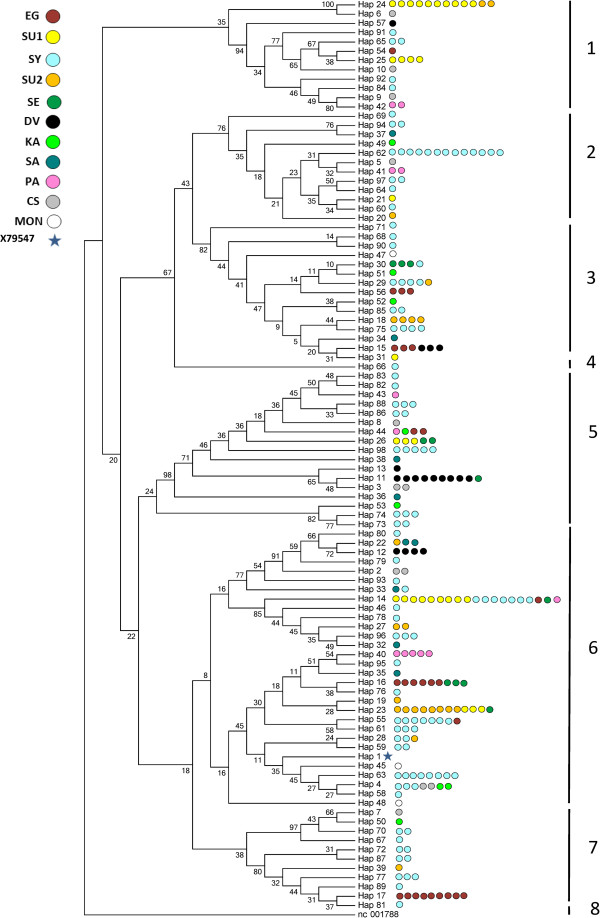
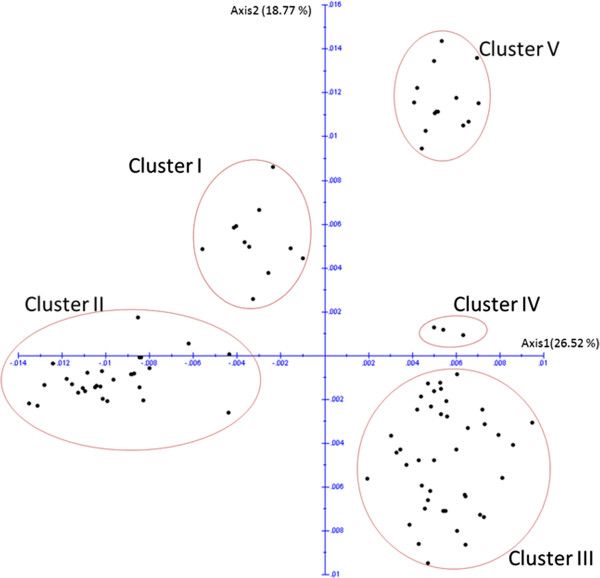
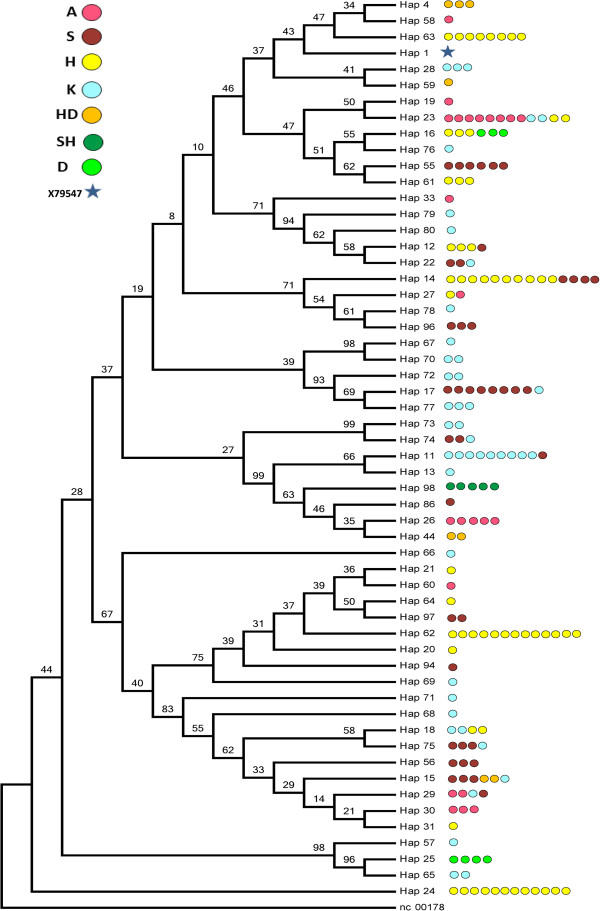
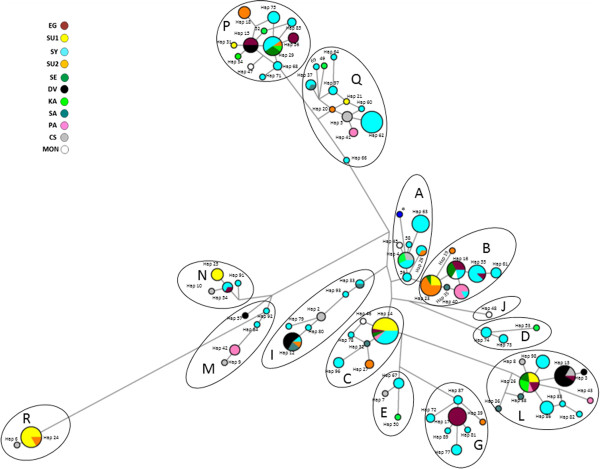
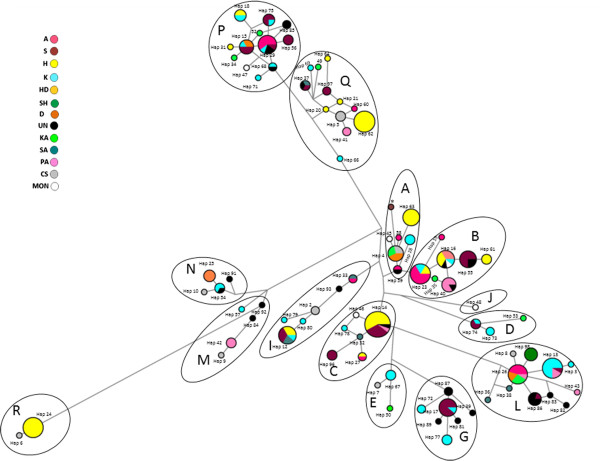
The variability in the upstream region of the D-loop revealed additional differences among the haplotypes that had identical sequences in the hypervariable region 1 (HVR1). While the American-Arabians showed relatively low diversity, the Syrian population was the most variable and contained a very rare and old haplogroup. The Middle Eastern horses had major genetic contributions to the Western horses and there was no clear pattern of differentiation among all tested populations. Our results also showed that several individuals from different strains shared a single haplotype, and individuals from a single strain were represented in clearly separated haplogroups.
The whole mtDNA D-loop sequence was more powerful for analysis of the maternal genetic diversity in the Arabian horses than using just the HVR1. Native populations from the Middle East, such as Syrians, could be suggested as a hot spot of genetic diversity and may help in understanding the evolution history of the Arabian horse breed. Most importantly, there was no evidence that the Arabian horse breed has clear subdivisions depending on the traditional maternal based strain classification system.
母系遗传是阿拉伯马种群遗传学和品种分类的一个重要特征。线粒体 DNA(mtDNA)测序是一种非常有效的工具,可以用于研究母系谱系。我们对 251 匹阿拉伯马的整个 mtDNA D 环进行了测序,以研究阿拉伯马种群的遗传多样性和系统发育关系,并检验依赖母系家族谱系的传统品种分类系统,所用的阿拉伯马均来自中东的本土品种。
D 环上游区域的变异性揭示了在高变区 1(HVR1)具有相同序列的单倍型之间的额外差异。虽然美国阿拉伯马的多样性相对较低,但叙利亚种群的变异性最大,包含一个非常罕见和古老的单倍群。中东马对西方马有重要的遗传贡献,所有测试种群之间没有明显的分化模式。我们的研究结果还表明,来自不同品种的几个个体共享单一单倍型,而来自单一品种的个体则代表了明显分离的单倍群。
与仅使用 HVR1 相比,整个 mtDNA D 环序列更有助于分析阿拉伯马的母系遗传多样性。来自中东的本土品种,如叙利亚马,可能是遗传多样性的热点,有助于了解阿拉伯马品种的进化历史。最重要的是,没有证据表明阿拉伯马品种存在明显的细分,这取决于传统的基于母系的品种分类系统。