Institute of Horticultural Plant Physiology, Biochemistry and Molecular Biology, Fujian Agriculture and Forestry University, 350002 Fuzhou, China.
BMC Genomics. 2013 Sep 14;14:621. doi: 10.1186/1471-2164-14-621.
Very little is known about manganese (Mn)-toxicity-responsive genes in citrus plants. Seedlings of 'Xuegan' (Citrus sinensis) and 'Sour pummelo' (Citrus grandis) were irrigated for 17 weeks with nutrient solution containing 2 μM (control) or 600 μM (Mn-toxicity) MnSO₄. The objectives of this study were to understand the mechanisms of citrus Mn-tolerance and to identify differentially expressed genes, which might be involved in Mn-tolerance.
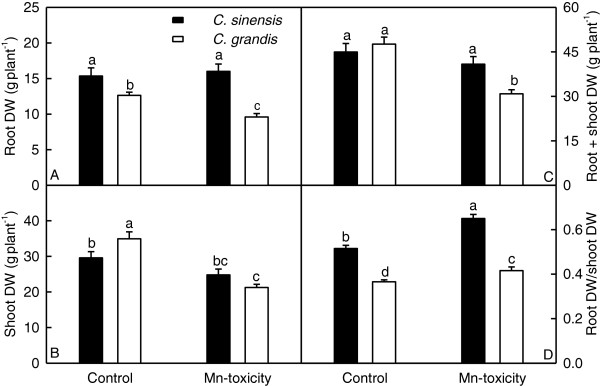
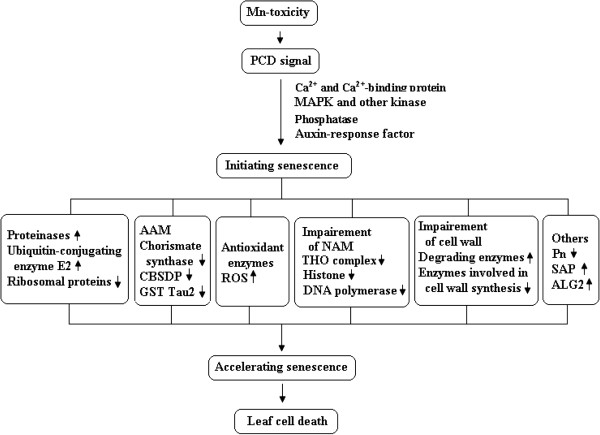
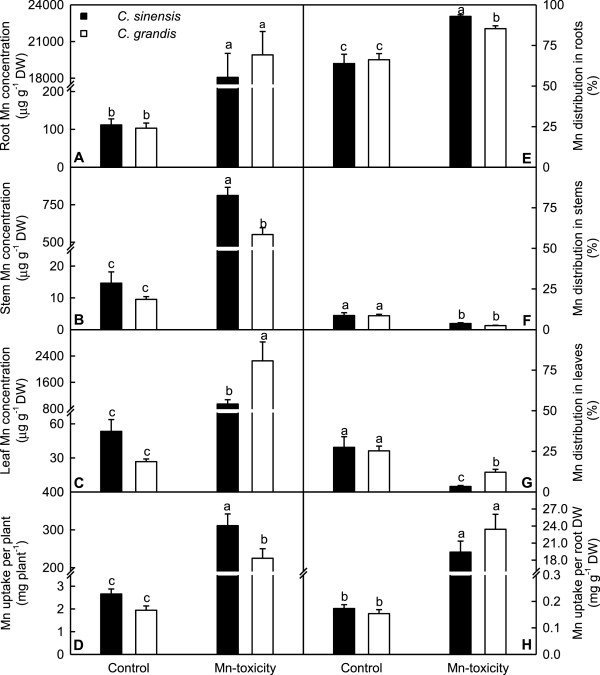
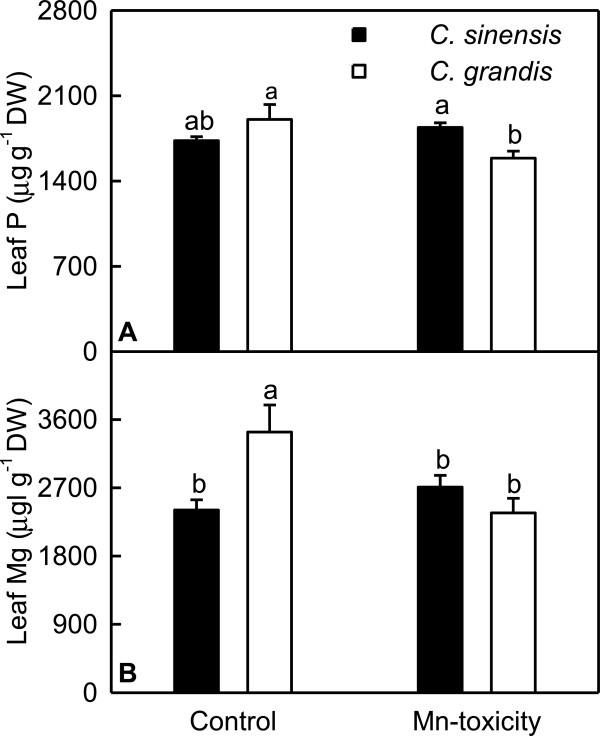
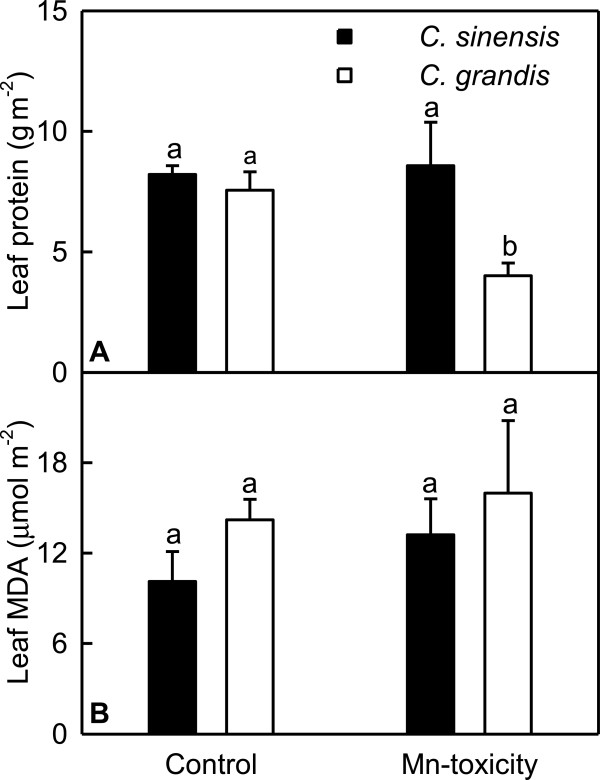
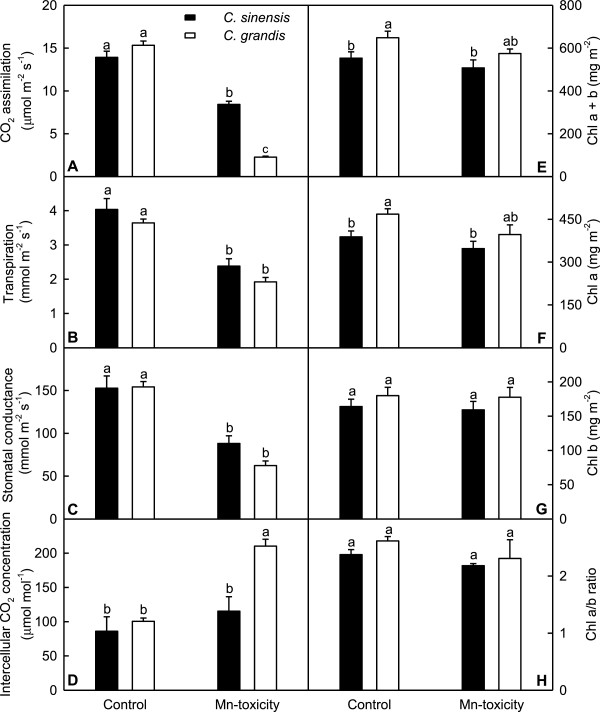
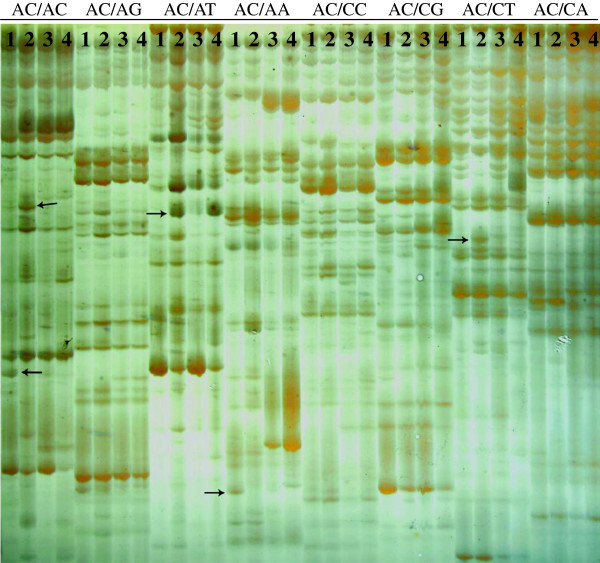
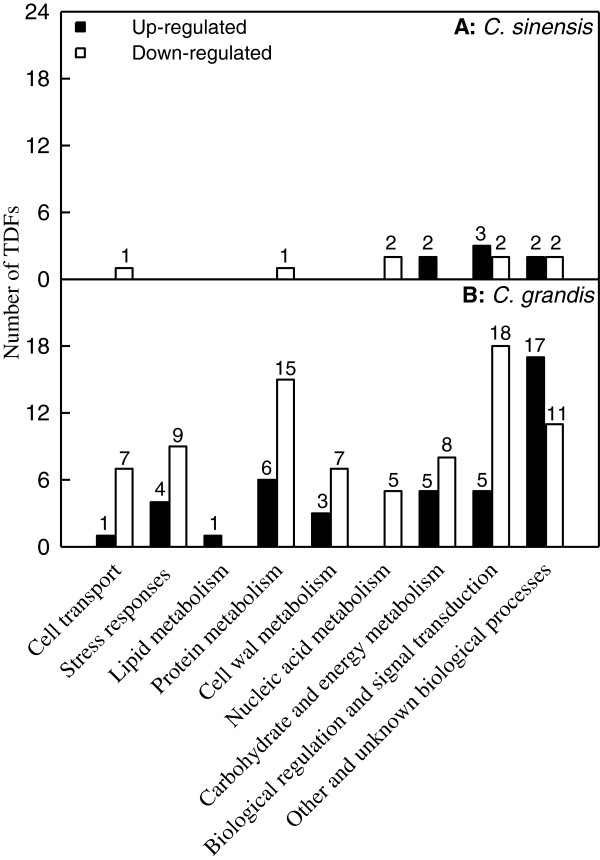
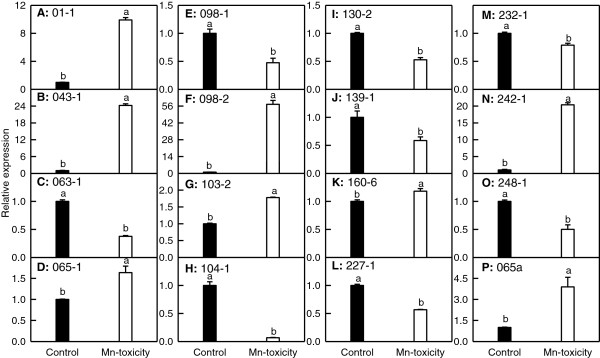
Under Mn-toxicity, the majority of Mn in seedlings was retained in the roots; C. sinensis seedlings accumulated more Mn in roots and less Mn in shoots (leaves) than C. grandis ones and Mn concentration was lower in Mn-toxicity C. sinensis leaves compared to Mn-toxicity C. grandis ones. Mn-toxicity affected C. grandis seedling growth, leaf CO₂ assimilation, total soluble concentration, phosphorus (P) and magenisum (Mg) more than C. sinensis. Using cDNA-AFLP, we isolated 42 up-regulated and 80 down-regulated genes in Mn-toxicity C. grandis leaves. They were grouped into the following functional categories: biological regulation and signal transduction, carbohydrate and energy metabolism, nucleic acid metabolism, protein metabolism, lipid metabolism, cell wall metabolism, stress responses and cell transport. However, only 7 up-regulated and 8 down-regulated genes were identified in Mn-toxicity C. sinensis ones. The responses of C. grandis leaves to Mn-toxicity might include following several aspects: (1) accelerating leaf senescence; (2) activating the metabolic pathway related to ATPase synthesis and reducing power production; (3) decreasing cell transport; (4) inhibiting protein and nucleic acid metabolisms; (5) impairing the formation of cell wall; and (6) triggering multiple signal transduction pathways. We also identified many new Mn-toxicity-responsive genes involved in biological and signal transduction, carbohydrate and protein metabolisms, stress responses and cell transport.
Our results demonstrated that C. sinensis was more tolerant to Mn-toxicity than C. grandis, and that Mn-toxicity affected gene expression far less in C. sinensis leaves. This might be associated with more Mn accumulation in roots and less Mn accumulation in leaves of Mn-toxicity C. sinensis seedlings than those of C. grandis seedlings. Our findings increase our understanding of the molecular mechanisms involved in the responses of plants to Mn-toxicity.
关于柑橘植物锰毒性反应基因知之甚少。用含有 2 μM(对照)或 600 μM(锰毒性)MnSO₄的营养液浇灌‘血柑’(甜橙)和‘酸柚’(柚子)幼苗 17 周。本研究的目的是了解柑橘锰耐性的机制,并鉴定可能参与锰耐性的差异表达基因。
在锰毒性下,幼苗中的大部分锰都保留在根部;与柚子相比,血柑幼苗在根部积累更多的锰,在叶片中积累更少的锰,而且锰毒性下血柑叶片中的锰浓度也低于锰毒性下柚子叶片中的锰浓度。锰毒性对柚子幼苗的生长、叶片 CO₂同化、总可溶性浓度、磷(P)和镁(Mg)的影响大于血柑。通过 cDNA-AFLP,我们分离到 42 个在锰毒性下上调和 80 个下调的基因在锰毒性柚子叶片中。它们被分为以下功能类别:生物调节和信号转导、碳水化合物和能量代谢、核酸代谢、蛋白质代谢、脂质代谢、细胞壁代谢、应激反应和细胞运输。然而,仅在锰毒性下血柑中鉴定到 7 个上调和 8 个下调的基因。柚子叶片对锰毒性的反应可能包括以下几个方面:(1)加速叶片衰老;(2)激活与 ATP 合成和还原力产生相关的代谢途径;(3)减少细胞运输;(4)抑制蛋白质和核酸代谢;(5)损害细胞壁的形成;(6)触发多条信号转导途径。我们还鉴定了许多涉及生物和信号转导、碳水化合物和蛋白质代谢、应激反应和细胞运输的新的锰毒性反应基因。
我们的结果表明,与柚子相比,血柑对锰毒性更具耐受性,而且锰毒性对血柑叶片中基因表达的影响要小得多。这可能与锰毒性血柑幼苗根部积累的锰比柚子幼苗多,叶片积累的锰少有关。我们的研究结果增加了对植物对锰毒性反应分子机制的理解。