Department of Human Movement, Social and Health Sciences, University of Rome Foro Italico, Rome, Italy.
PLoS One. 2013 Sep 6;8(9):e74227. doi: 10.1371/journal.pone.0074227. eCollection 2013.
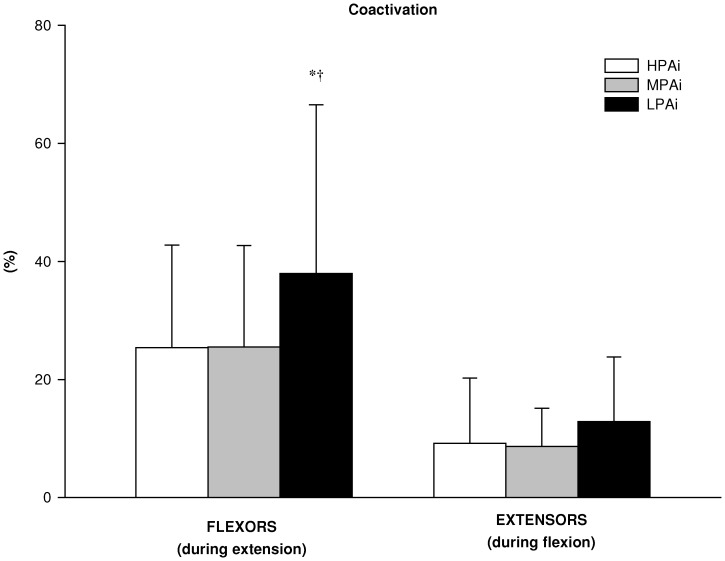
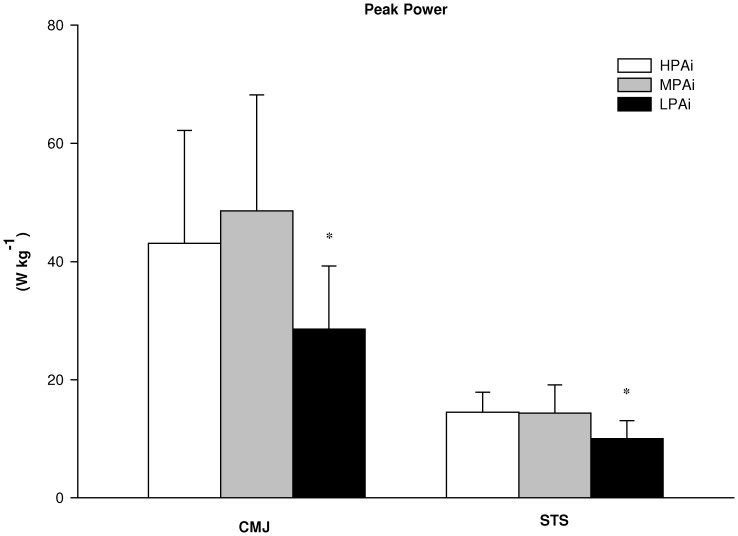
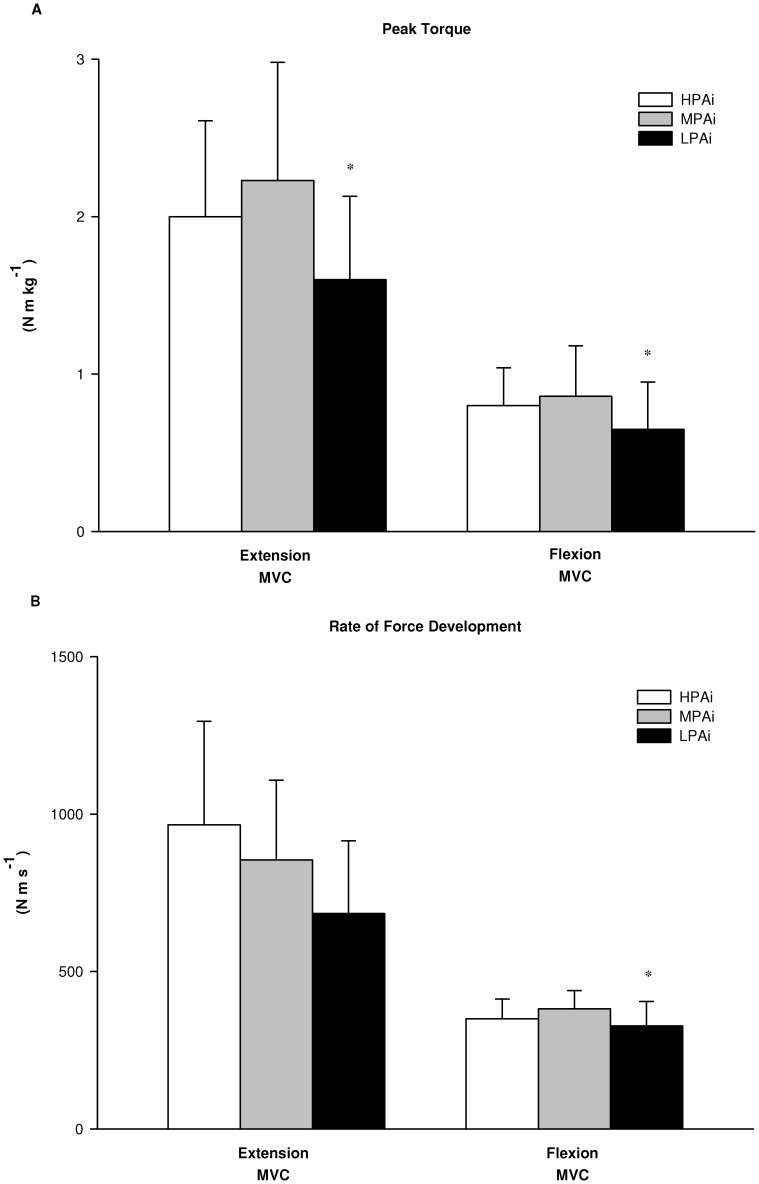
Maintaining adequate levels of physical activity is known to preserve health status and functional independence as individuals grow older. However, the relationship between determinants of physical activity (volume and intensity) and physiological factors underlying mobility (cardio-respiratory fitness, neuromuscular function and functional abilities) is still unclear. The aim of this study was to investigate the association between objectively quantified physical activity and a spectrum of physiological factors underlying mobility in young, middle-aged and older individuals living in a city district. Experiments were carried out on 24 young (28 ± 2 years), 24 middle-aged (48 ± 2 years) and 24 older (70 ± 3 years) gender-matched volunteers. Physical activity was monitored by a wearable activity monitor to quantify volume and intensity of overall physical activity and selected habitual activities over 24 hours. Ventilatory threshold was assessed during an incremental cycling test. Torque, muscle fiber conduction velocity and agonist-antagonist coactivation were measured during maximal voluntary contraction of knee extensors and flexors. Ground reaction forces were measured during sit-to-stand and counter-movement jump. K-means cluster analysis was used to classify the participants' physical activity levels based on parameters of volume and intensity. Two clusters of physical activity volume (i.e., high and low volume) and three clusters of physical activity intensity (i.e. high, medium and low intensity) were identified in all participants. Cardio-respiratory fitness was associated with volume of overall physical activity as well as lying, sitting, standing, walking and stair climbing. On the other hand, neuromuscular function and functional abilities showed a significant association with intensity of overall physical activity as well as postural transition, walking and stair climbing. As a practical application, the relative role played by volume and intensity of overall physical activity and selected habitual activities should be taken into account in the design of preventative training interventions to preserve mobility as individuals grow older.
保持足够的身体活动水平已知可以保持健康状态和功能独立性,随着个体年龄的增长。然而,身体活动的决定因素(量和强度)与移动性的生理因素(心肺功能适应性、神经肌肉功能和功能能力)之间的关系尚不清楚。本研究旨在调查在城市社区居住的年轻、中年和老年人中,身体活动的客观量化与移动性的一系列生理因素之间的关联。实验在 24 名年轻(28 ± 2 岁)、24 名中年(48 ± 2 岁)和 24 名老年(70 ± 3 岁)的性别匹配志愿者中进行。通过可穿戴活动监测器监测身体活动,以量化 24 小时内的总体身体活动量和强度以及选定的习惯性活动。在递增式踏车测试中评估呼吸阈。在最大自主收缩时测量膝关节伸肌和屈肌的扭矩、肌肉纤维传导速度和拮抗剂协同收缩。在坐站和反向跳跃时测量地面反作用力。使用 K-均值聚类分析根据体积和强度参数对参与者的身体活动水平进行分类。在所有参与者中,确定了身体活动量(即高和低量)的两个聚类和身体活动强度(即高、中、低强度)的三个聚类。心肺功能适应性与总体身体活动量以及躺着、坐着、站立、行走和爬楼梯有关。另一方面,神经肌肉功能和功能能力与总体身体活动强度以及姿势转换、行走和爬楼梯有显著的相关性。作为实际应用,在设计预防性训练干预措施以保持个体随着年龄增长的移动性时,应考虑总体身体活动和选定习惯性活动的量和强度的相对作用。