1. Research Center for Micro and Nano Technology, Universidad Veracruzana, Calzada Adolfo Ruíz Cortines 455, 94294, Boca del Río, Ver., Mexico.
Int J Med Sci. 2013 Aug 27;10(11):1445-50. doi: 10.7150/ijms.4732. eCollection 2013.
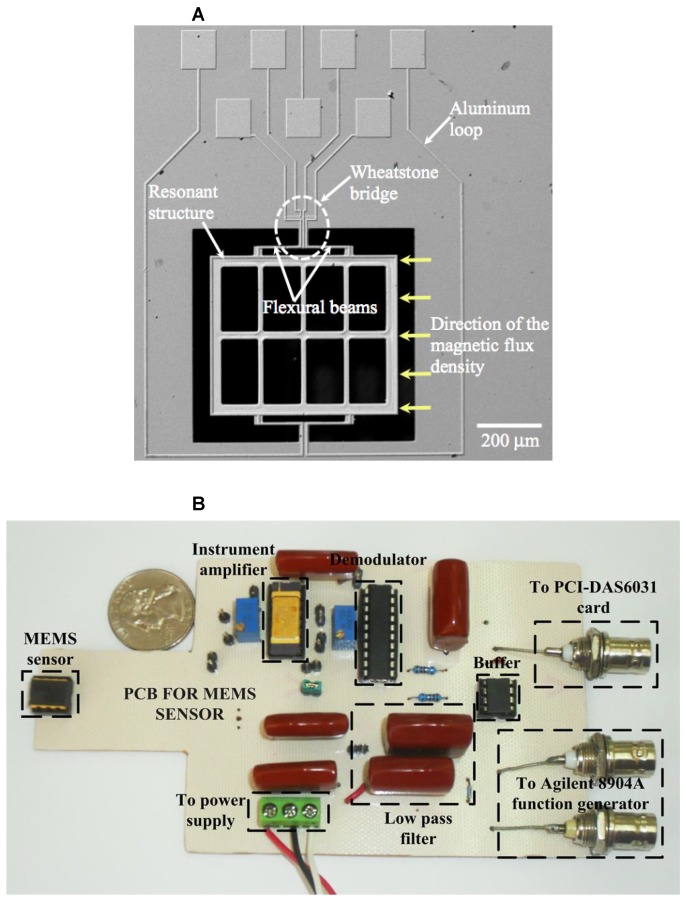
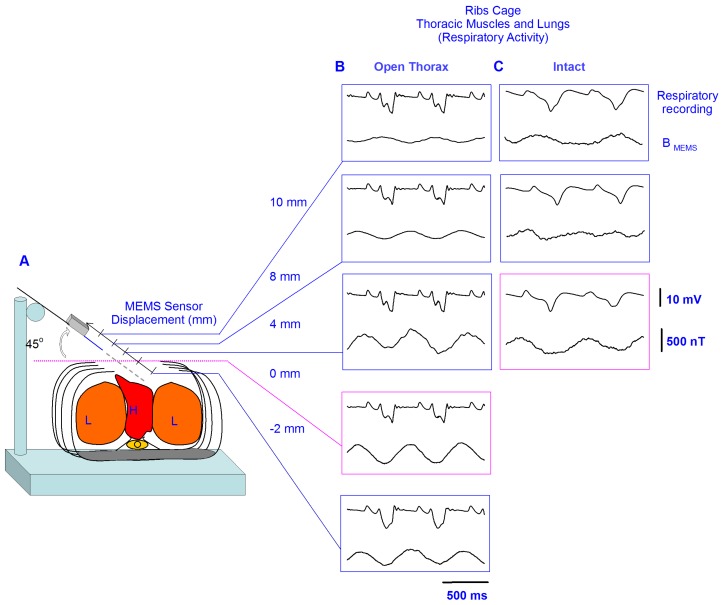
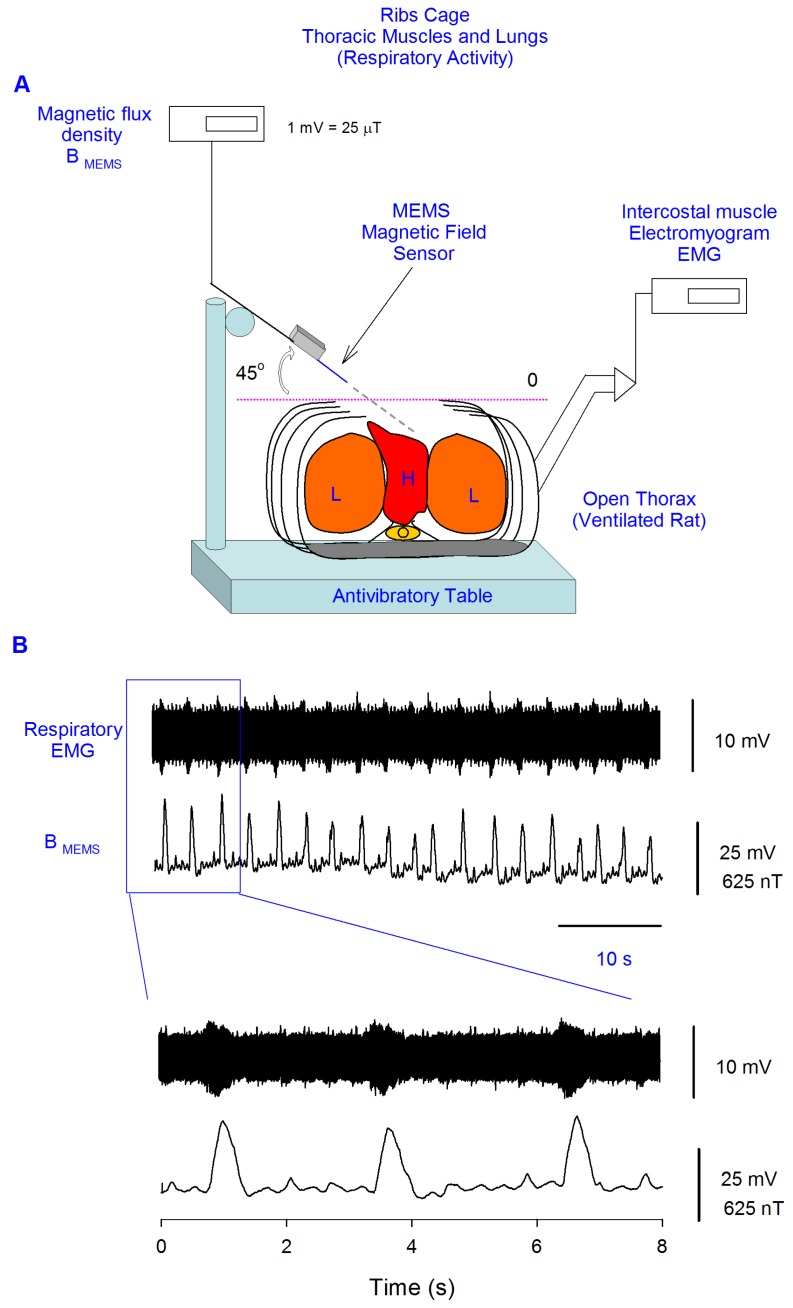
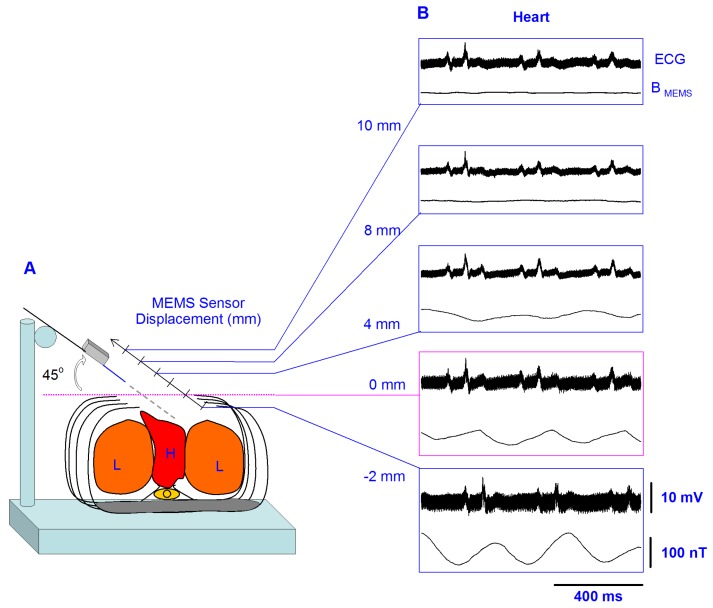
Magnetic fields generated by the brain or the heart are very useful in clinical diagnostics. Therefore, magnetic signals produced by other organs are also of considerable interest. Here we show first evidence that thoracic muscles can produce a strong magnetic flux density during respiratory activity, that we name respiratory magnetogram. We used a small magnetometer based on microelectromechanical systems (MEMS), which was positioned inside the open thoracic cage of anaesthetized and ventilated rats. With this new MEMS sensor of about 20 nT resolution, we recorded a strong and rhythmic respiratory magnetogram of about 600 nT.
大脑或心脏产生的磁场在临床诊断中非常有用。因此,其他器官产生的磁信号也引起了相当大的关注。在这里,我们首次证明了在呼吸活动期间,胸部肌肉可以产生很强的磁通密度,我们称之为呼吸磁图。我们使用了一种基于微机电系统(MEMS)的小型磁力计,该磁力计被放置在麻醉和通气的大鼠的开放胸腔笼内。使用这种新的 MEMS 传感器,分辨率约为 20 nT,我们记录到了一个约 600 nT 的强而有节奏的呼吸磁图。