Koul Parvaiz A, Khan Umar Hafiz, Hussain Tajamul, Koul Ajaz Nabi, Malik Sajjad, Shah Sanaullah, Bazaz Sajjad Rajab, Rashid Wasim, Jan Rafi Ahmad
Department of Internal and Pulmonary Medicine, Sher-i-Kashmir Institute of Medical Sciences, Srinagar, Jammu and Kashmir, India.
Lung India. 2013 Jul;30(3):193-8. doi: 10.4103/0970-2113.116254.
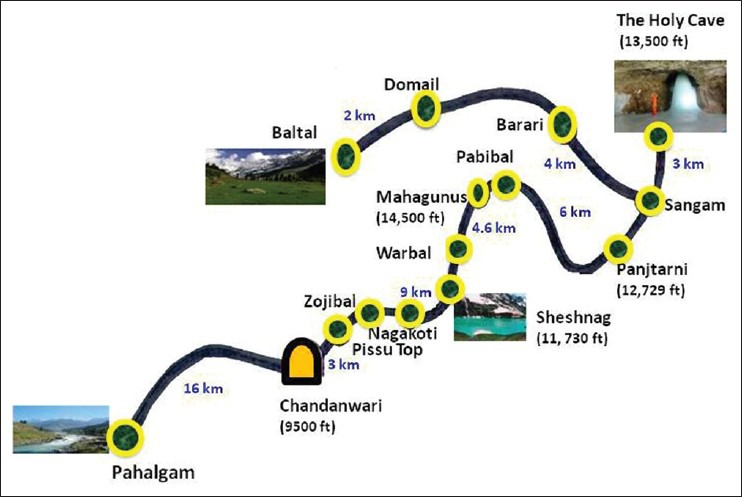
Annual pilgrimage (Yatra) to the cave shrine of Shri Amarnath Ji' is a holy ritual among the Hindu devotees of Lord Shiva. Located in the Himalayan Mountain Range (altitude 13,000 ft) in south Kashmir, the shrine is visited by thousands of devotees and altitude sickness is reportedly common.
More than 600,000 pilgrims visited the cave shrine in 2011 and 2012 with 239 recorded deaths. Thirty one patients with suspected altitude sickness were referred from medical centers en-route the cave to Sher-i-Kashmir Institute of Medical Sciences, a tertiary-care center in capital Srinagar (5,000 ft). The clinical features and the response to treatment were recorded.
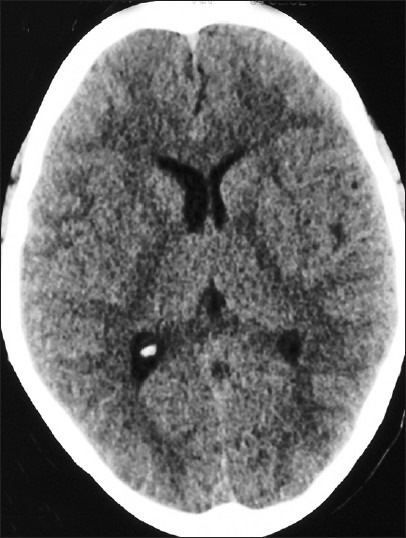
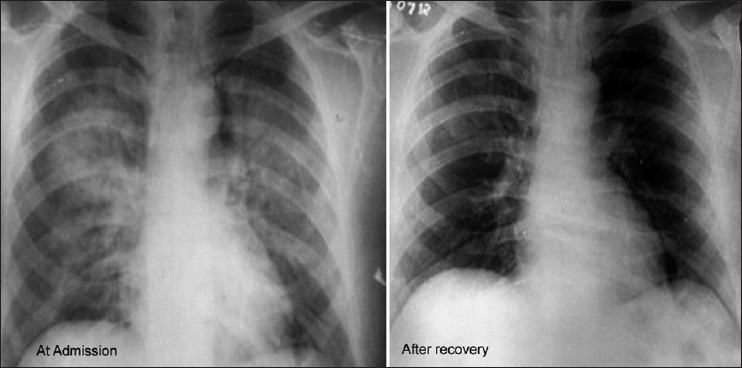
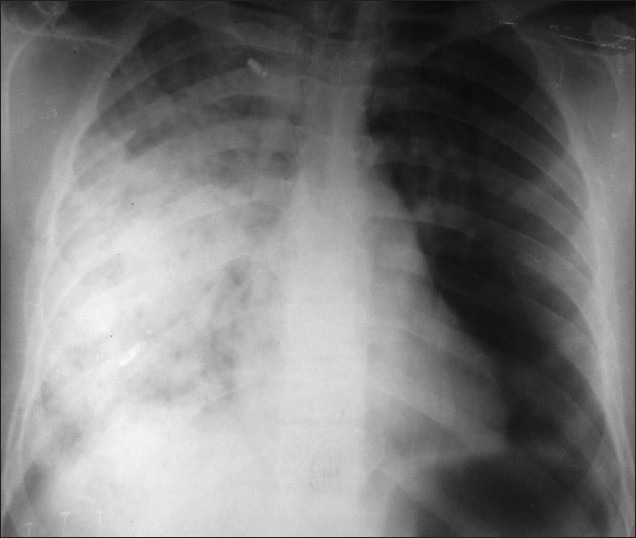
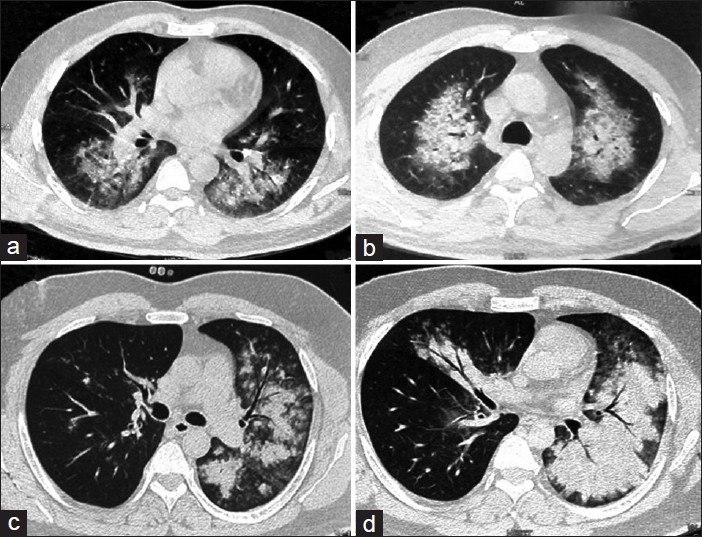
Thirty-one patients (all lowlanders, 19 male; age 18-60 years, median 41) had presented with acute onset breathlessness of 1-4 days (median 1.9 d) starting within 12-24 h of a rapid ascent; accompanied by cough (68%), headache (8%), dizziness and nausea (65%). Sixteen patients had associated encephalopathy. Clinical features on admission included tachypnea (n = 31), tachycardia (n = 23), bilateral chest rales (n = 29), cyanosis (n = 22) and grade 2-4 encephalopathy. Hypoxemia was demonstrable in 24 cases and bilateral infiltrates on radiologic imaging in 29. Ten patients had evidence of high-altitude cerebral edema. All patients were managed with oxygen, steroids, nifedipine, sildenafil and other supportive measures including invasive ventilation (n = 3). Three patients died due to multiorgan dysfunction.
Altitude sickness is common among Amaranath Yatris from the plains and appropriate educational strategies should be invoked for prevention and prompt treatment.
每年前往什里阿玛纳特吉洞穴神庙的朝圣之旅是湿婆神印度教信徒的一项神圣仪式。该神庙位于克什米尔南部的喜马拉雅山脉(海拔13000英尺),成千上万的信徒前来朝拜,据报道高原病很常见。
2011年和2012年有超过60万朝圣者参观该洞穴神庙,有239例死亡记录。31例疑似高原病患者从前往洞穴途中的医疗中心转诊至位于首都斯利那加(海拔5000英尺)的三级医疗中心——谢里-克什米尔医学科学研究所。记录了临床特征及治疗反应。
31例患者(均为来自平原地区的低海拔者,19例男性;年龄18 - 60岁,中位数41岁)在快速上升至高原12 - 24小时内出现急性起病的呼吸困难1 - 4天(中位数1.9天);伴有咳嗽(68%)、头痛(8%)、头晕和恶心(65%)。16例患者伴有脑病。入院时的临床特征包括呼吸急促(n = 31)、心动过速(n = 23)、双侧肺部啰音(n = 29)、发绀(n = 22)以及2 - 4级脑病。24例患者有低氧血症,29例患者影像学检查显示双侧肺部浸润。10例患者有高原脑水肿的证据。所有患者均接受了吸氧、使用类固醇、硝苯地平、西地那非及其他支持措施,包括有创通气(n = 3)。3例患者因多器官功能障碍死亡。
来自平原地区的阿玛纳特朝圣者中高原病很常见,应采取适当的教育策略进行预防和及时治疗。