Department of Medicine, Division of Infectious Diseases and Immunology, University of Massachusetts Medical School, Worcester, MA 01605.
J Exp Med. 2013 Oct 21;210(11):2447-63. doi: 10.1084/jem.20120201. Epub 2013 Sep 30.
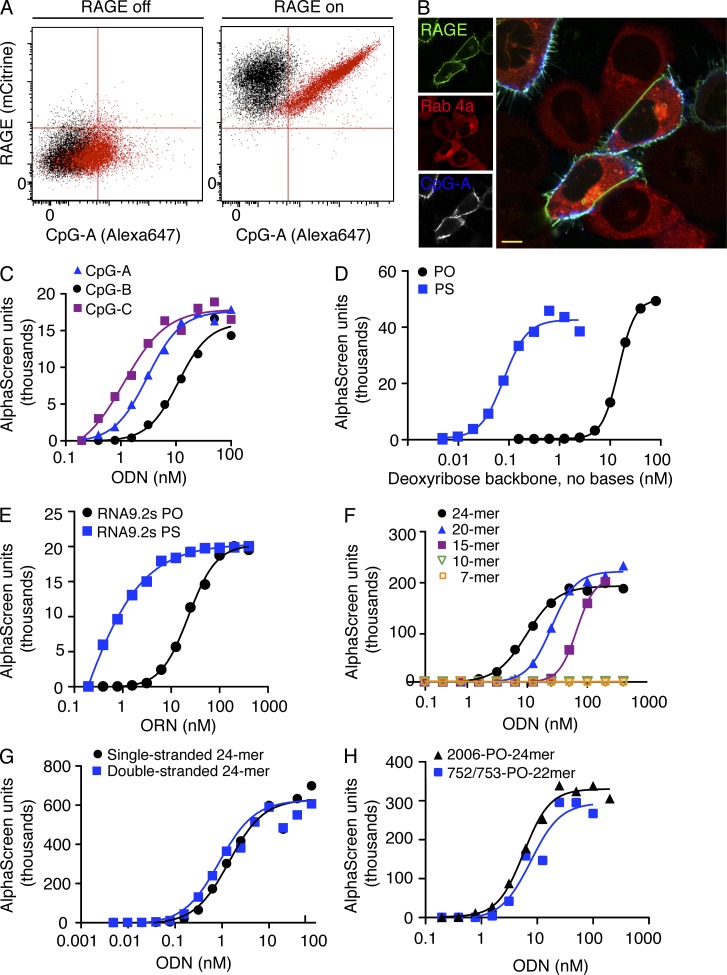
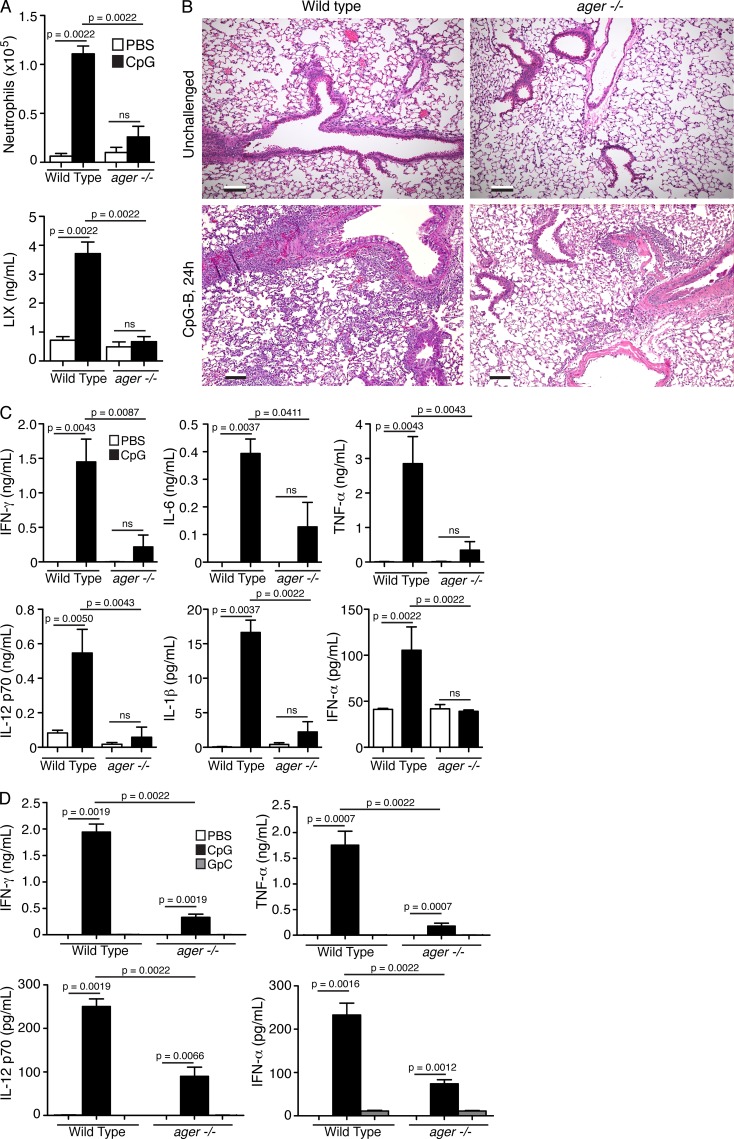
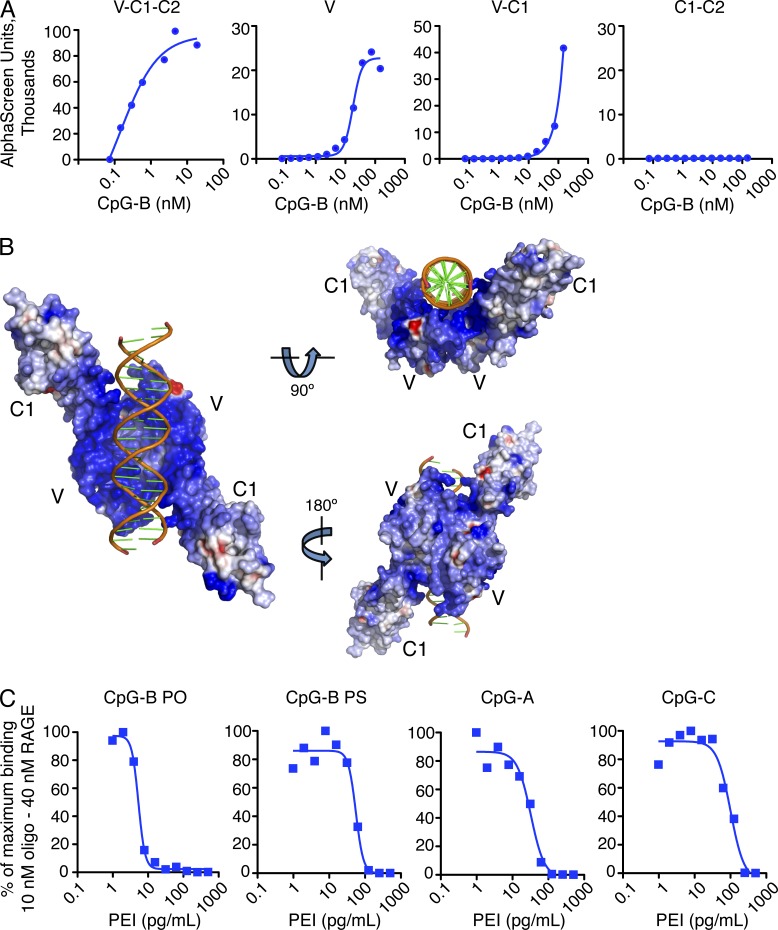
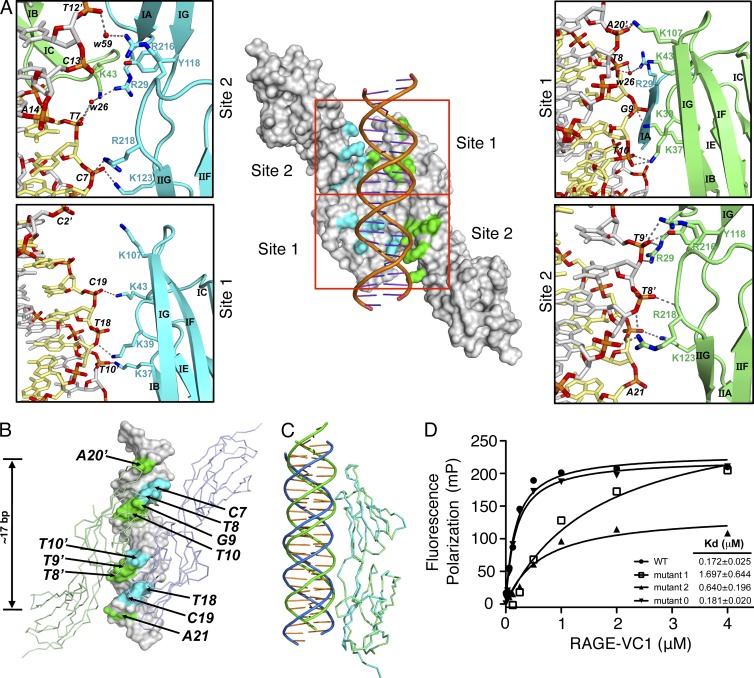
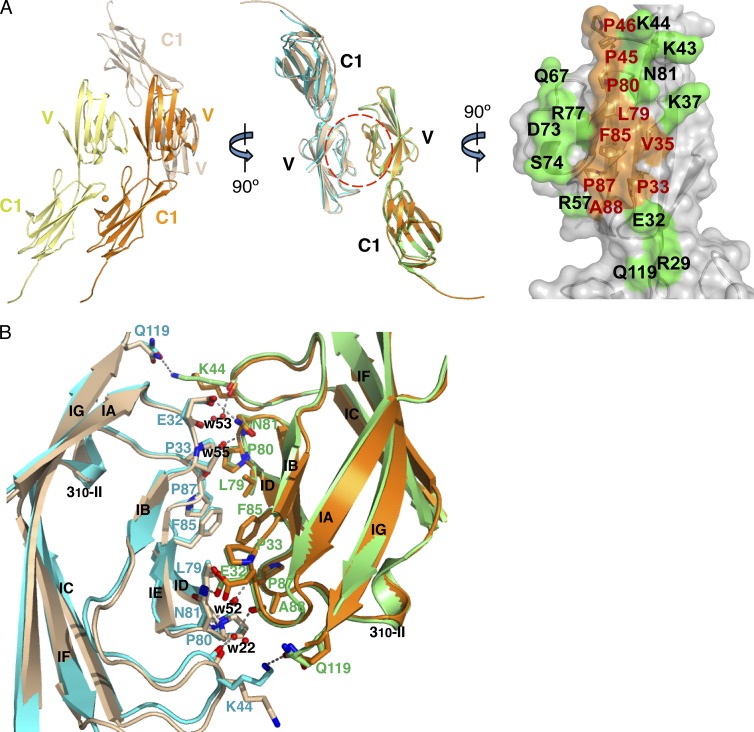
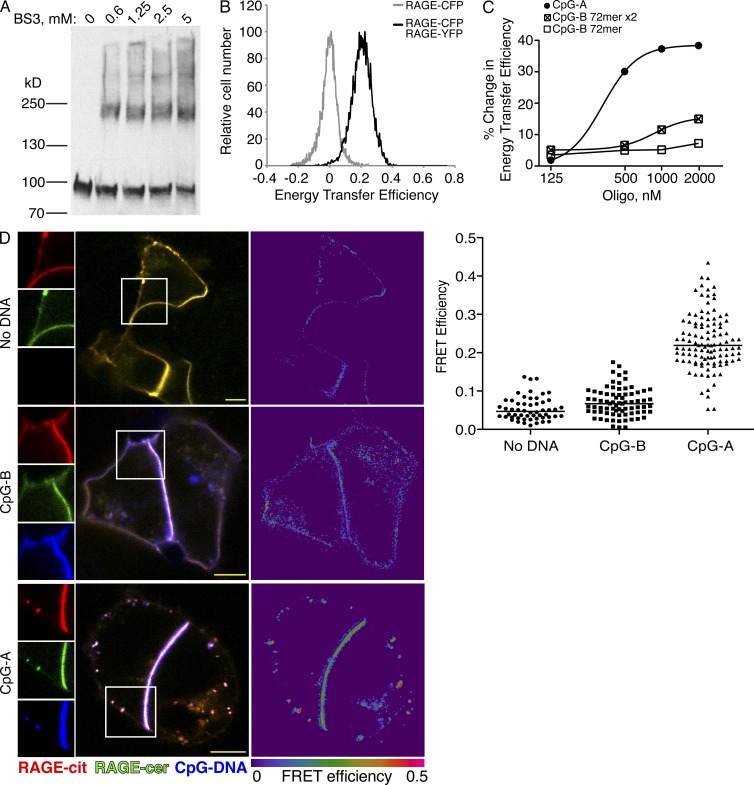
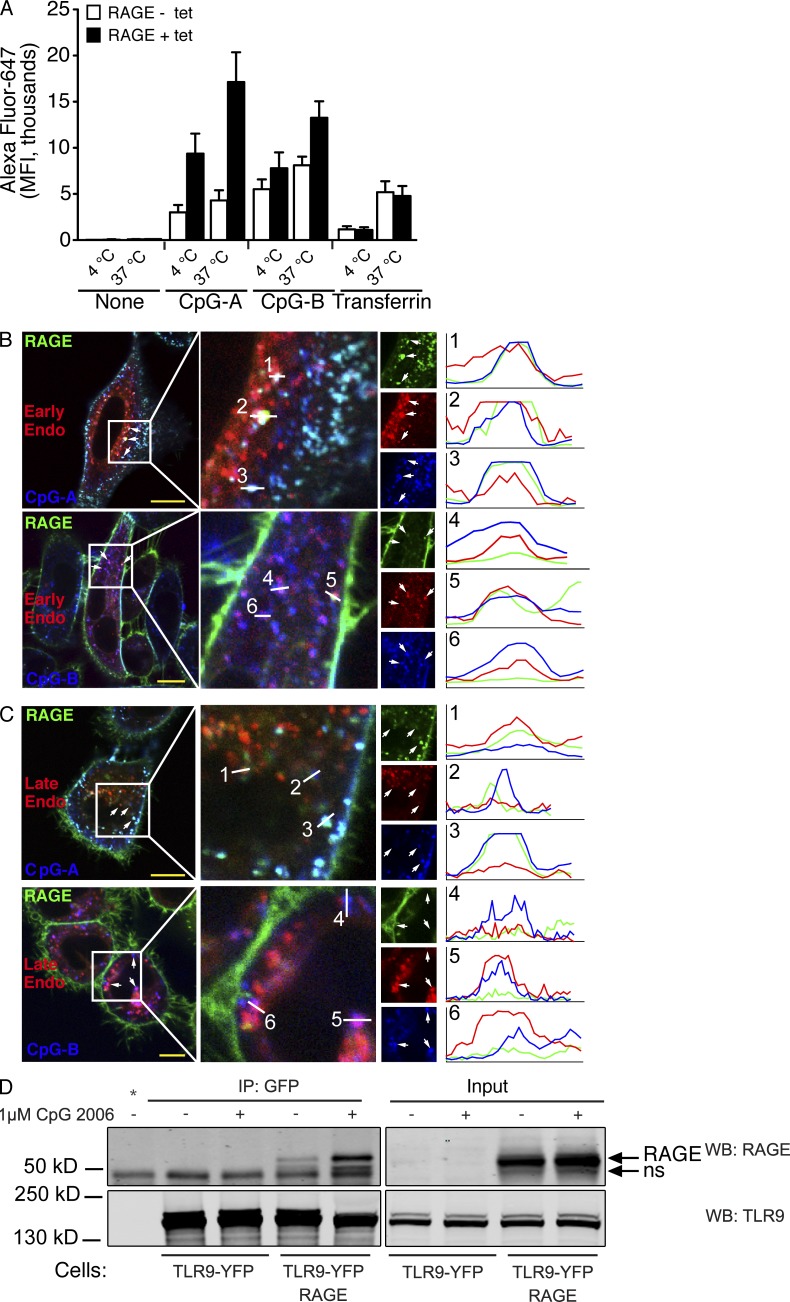
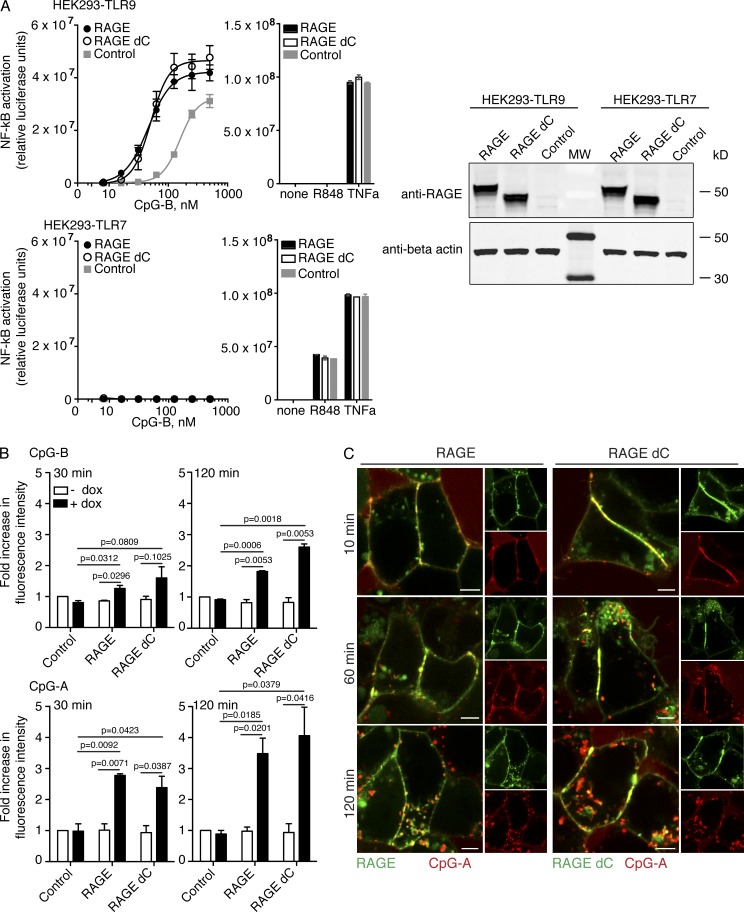
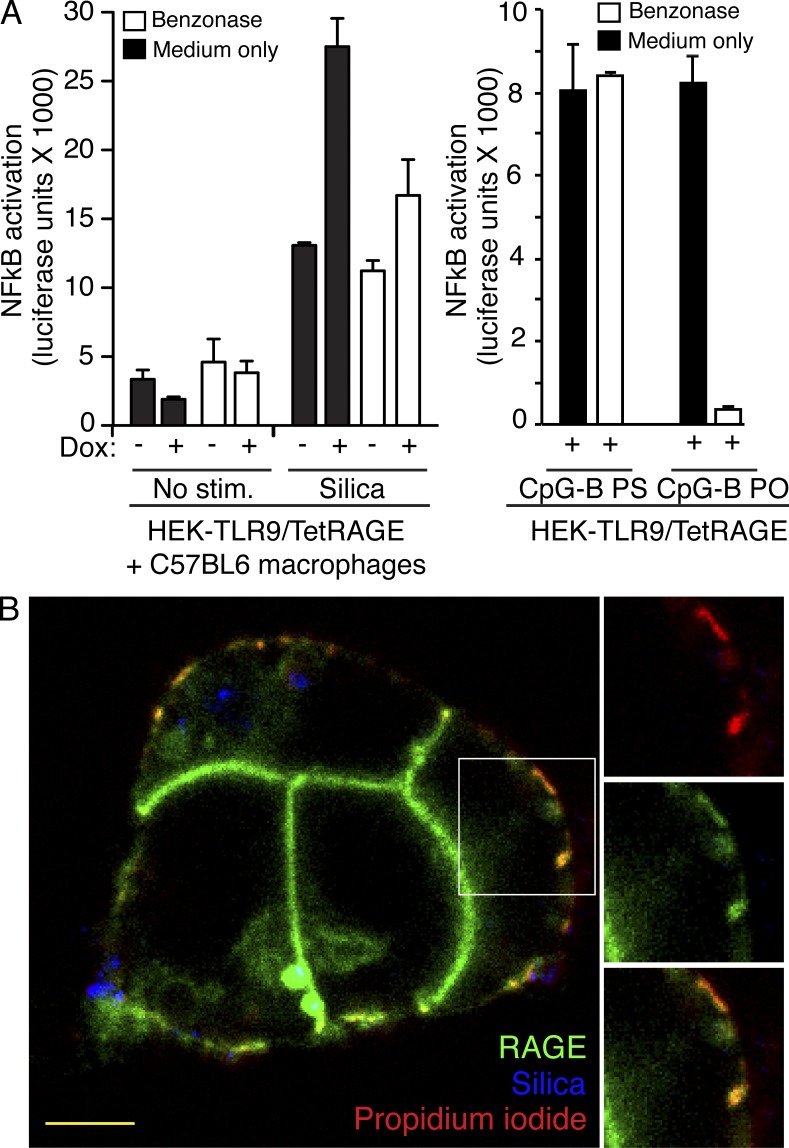
Recognition of DNA and RNA molecules derived from pathogens or self-antigen is one way the mammalian immune system senses infection and tissue damage. Activation of immune signaling receptors by nucleic acids is controlled by limiting the access of DNA and RNA to intracellular receptors, but the mechanisms by which endosome-resident receptors encounter nucleic acids from the extracellular space are largely undefined. In this study, we show that the receptor for advanced glycation end-products (RAGE) promoted DNA uptake into endosomes and lowered the immune recognition threshold for the activation of Toll-like receptor 9, the principal DNA-recognizing transmembrane signaling receptor. Structural analysis of RAGE-DNA complexes indicated that DNA interacted with dimers of the outermost RAGE extracellular domains, and could induce formation of higher-order receptor complexes. Furthermore, mice deficient in RAGE were unable to mount a typical inflammatory response to DNA in the lung, indicating that RAGE is important for the detection of nucleic acids in vivo.
哺乳动物免疫系统通过识别源自病原体或自身抗原的 DNA 和 RNA 分子来感知感染和组织损伤。核酸激活免疫信号受体受到限制,使 DNA 和 RNA 无法进入细胞内受体,但细胞内体驻留受体如何从细胞外空间接触核酸的机制在很大程度上尚未确定。在这项研究中,我们表明,晚期糖基化终产物(RAGE)受体促进 DNA 进入内体,并降低了 Toll 样受体 9(主要的 DNA 识别跨膜信号受体)的免疫识别阈值。RAGE-DNA 复合物的结构分析表明,DNA 与最外层 RAGE 细胞外结构域的二聚体相互作用,并且可以诱导形成更高阶的受体复合物。此外,缺乏 RAGE 的小鼠无法对肺部的 DNA 产生典型的炎症反应,表明 RAGE 对于体内核酸的检测很重要。