Department of Biomedical Research, Dasman Diabetes Institute, Kuwait, Kuwait.
PLoS One. 2013 Sep 24;8(9):e75342. doi: 10.1371/journal.pone.0075342. eCollection 2013.
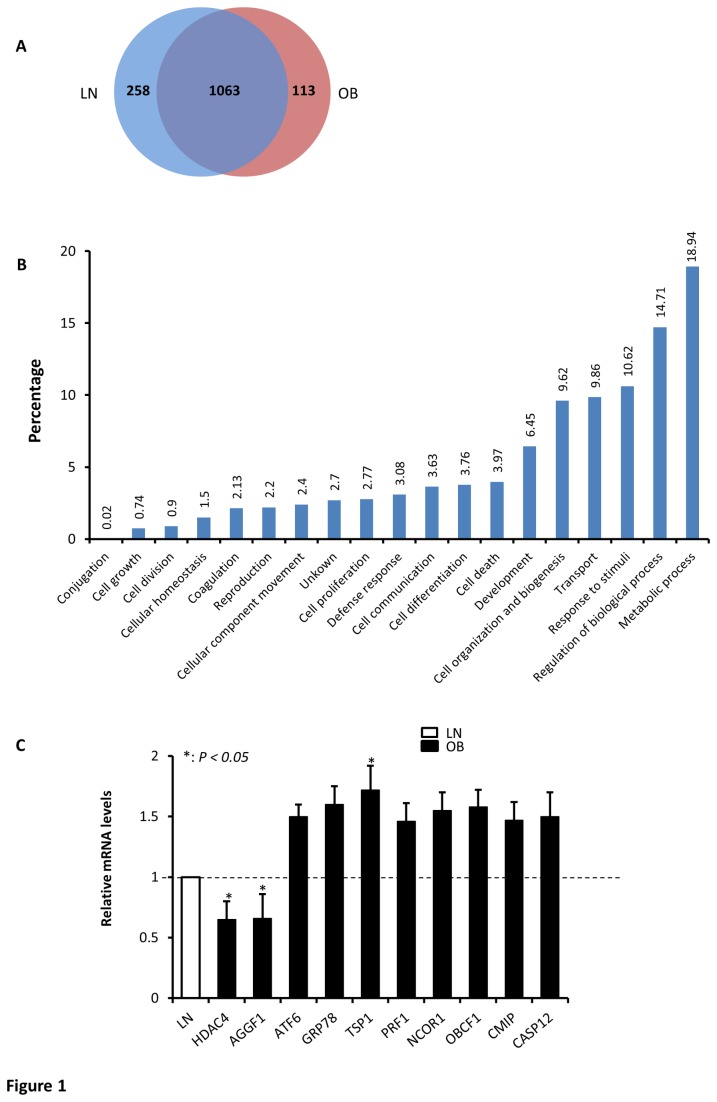
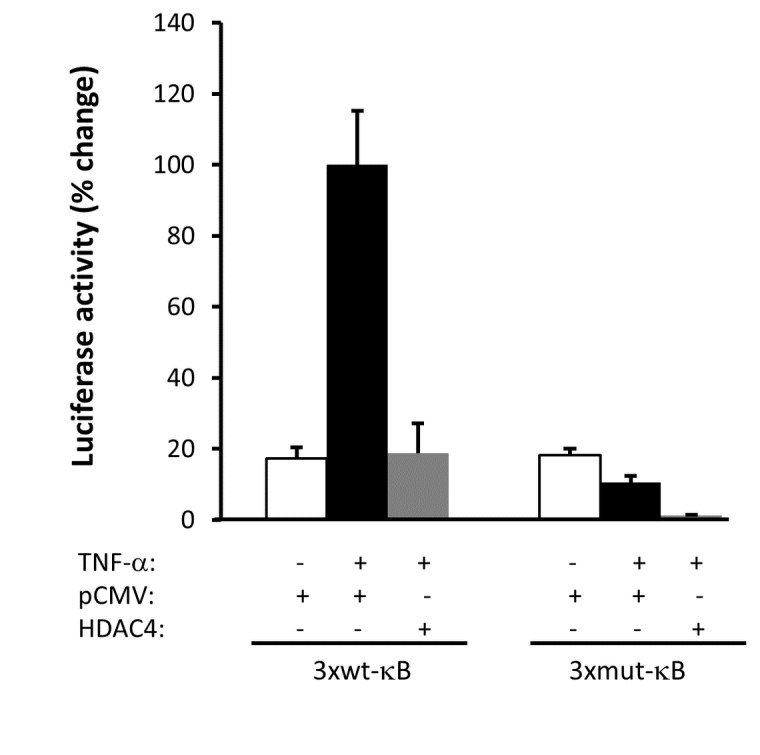
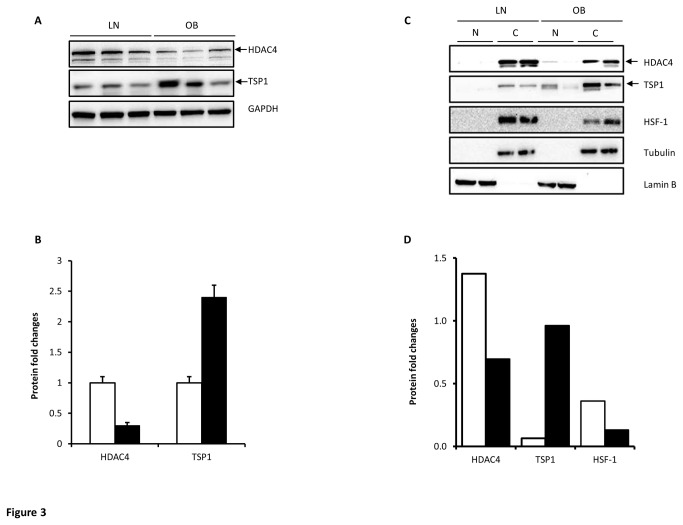
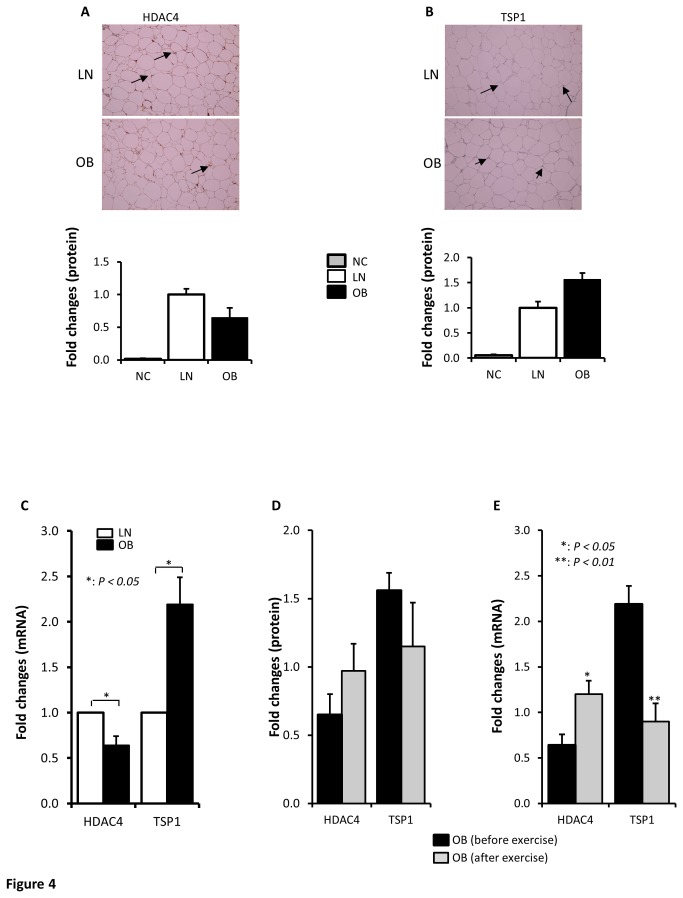
Sedentary lifestyle and excessive energy intake are prominent contributors to obesity; a major risk factors for the development of insulin resistance, type 2 diabetes and cardiovascular diseases. Elucidating the molecular mechanisms underlying these chronic conditions is of relevant importance as it might lead to the identification of novel anti-obesity targets. The purpose of the current study is to investigate differentially expressed proteins between lean and obese subjects through a shot-gun quantitative proteomics approach using peripheral blood mononuclear cells (PBMCs) extracts as well as potential modulation of those proteins by physical exercise. Using this approach, a total of 47 proteins showed at least 1.5 fold change between lean and obese subjects. In obese, the proteomic profiling before and after 3 months of physical exercise showed differential expression of 38 proteins. Thrombospondin 1 (TSP1) was among the proteins that were upregulated in obese subjects and then decreased by physical exercise. Conversely, the histone deacetylase 4 (HDAC4) was downregulated in obese subjects and then induced by physical exercise. The proteomic data was further validated by qRT-PCR, Western blot and immunohistochemistry in both PBMCs and adipose tissue. We also showed that HDAC4 levels correlated positively with maximum oxygen consumption (VO2 Max) but negatively with body mass index, percent body fat, and the inflammatory chemokine RANTES. In functional assays, our data indicated that ectopic expression of HDAC4 significantly impaired TNF-α-dependent activation of NF-κB, establishing thus a link between HDAC4 and regulation of the immune system. Together, the expression pattern of HDAC4 in obese subjects before and after physical exercise, its correlation with various physical, clinical and metabolic parameters along with its inhibitory effect on NF-κB are suggestive of a protective role of HDAC4 against obesity. HDAC4 could therefore represent a potential therapeutic target for the control and management of obesity and presumably insulin resistance.
久坐的生活方式和过多的能量摄入是肥胖的主要原因;肥胖是胰岛素抵抗、2 型糖尿病和心血管疾病发展的主要危险因素。阐明这些慢性疾病的分子机制具有重要意义,因为这可能导致新的抗肥胖靶点的发现。本研究的目的是通过使用外周血单核细胞 (PBMC) 提取物的 shotgun 定量蛋白质组学方法,研究瘦人和肥胖个体之间差异表达的蛋白质,以及这些蛋白质是否可能被体育锻炼所调节。通过这种方法,在瘦人和肥胖个体之间共发现了 47 种蛋白质表达水平至少有 1.5 倍的变化。在肥胖个体中,经过 3 个月的体育锻炼前后的蛋白质组学分析显示 38 种蛋白质表达存在差异。血小板反应蛋白 1(TSP1)是肥胖个体中上调的蛋白质之一,而体育锻炼则使其表达下调。相反,组蛋白去乙酰化酶 4(HDAC4)在肥胖个体中表达下调,而体育锻炼使其表达上调。蛋白质组学数据通过 qRT-PCR、Western blot 和免疫组织化学在 PBMC 和脂肪组织中进一步验证。我们还表明,HDAC4 水平与最大耗氧量 (VO2 Max) 呈正相关,与体重指数、体脂百分比和炎症趋化因子 RANTES 呈负相关。在功能测定中,我们的数据表明,HDAC4 的异位表达显著抑制了 TNF-α 依赖的 NF-κB 的激活,从而在 HDAC4 与免疫系统调节之间建立了联系。总之,HDAC4 在肥胖个体接受体育锻炼前后的表达模式,以及与各种身体、临床和代谢参数的相关性及其对 NF-κB 的抑制作用,表明 HDAC4 在肥胖中的保护作用。因此,HDAC4 可能是肥胖和胰岛素抵抗的潜在治疗靶点。