Department of Neurosurgery and Brain Repair, University of South Florida College of Medicine, Tampa, Florida, United States of America.
PLoS One. 2013 Sep 25;8(9):e76329. doi: 10.1371/journal.pone.0076329. eCollection 2013.
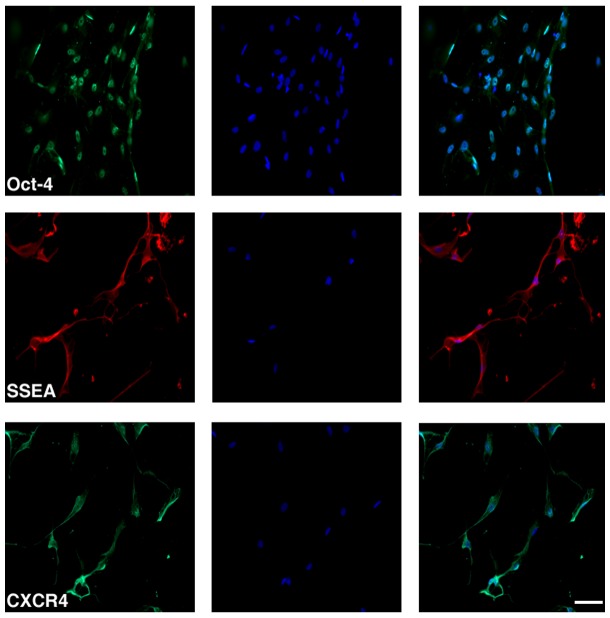
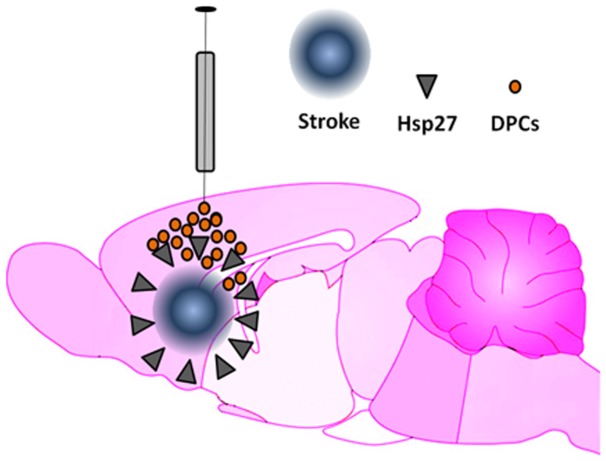
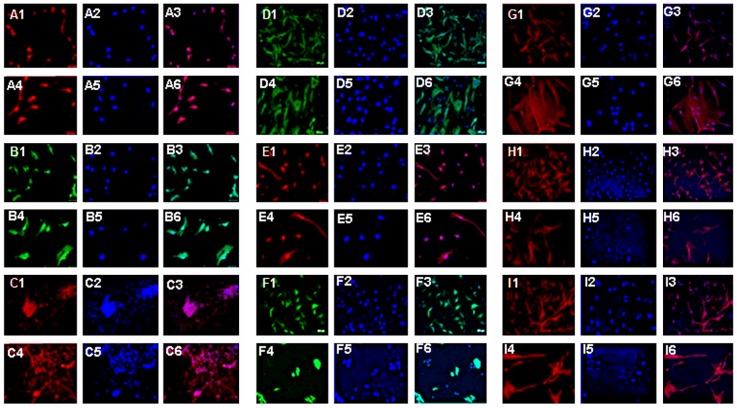
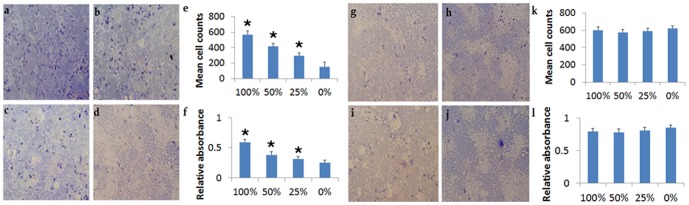
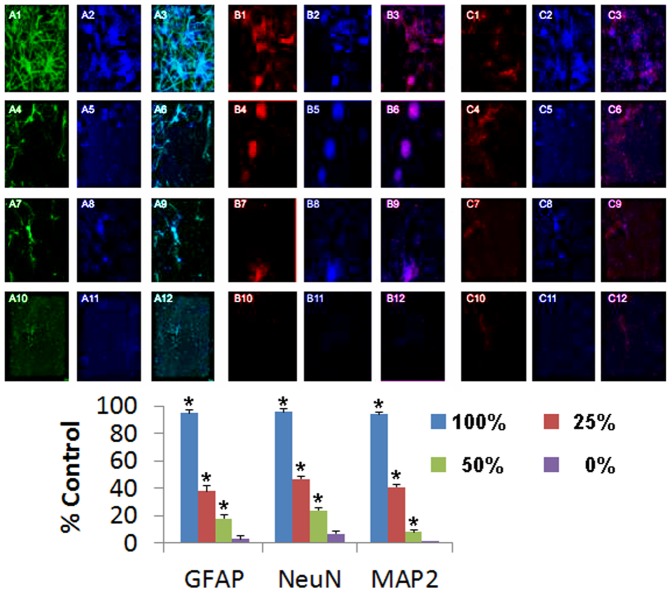
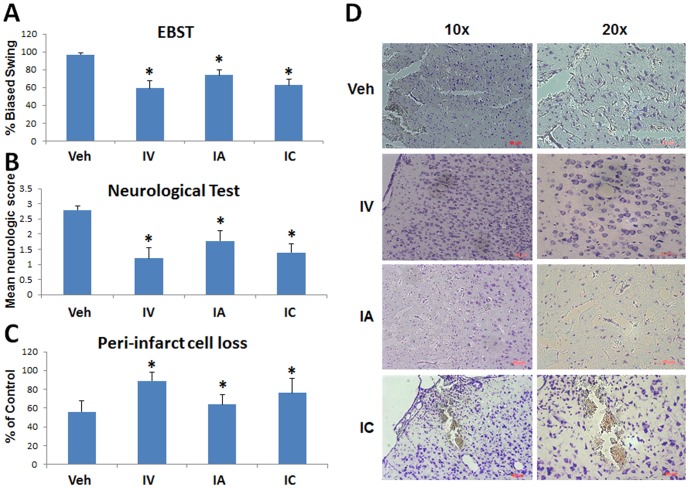
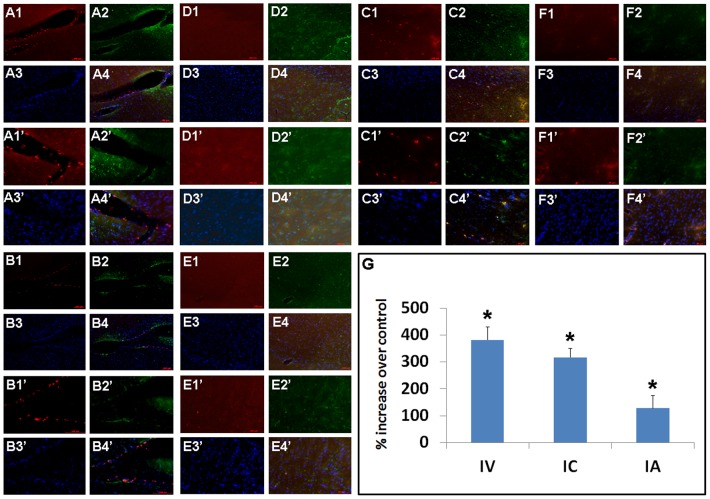
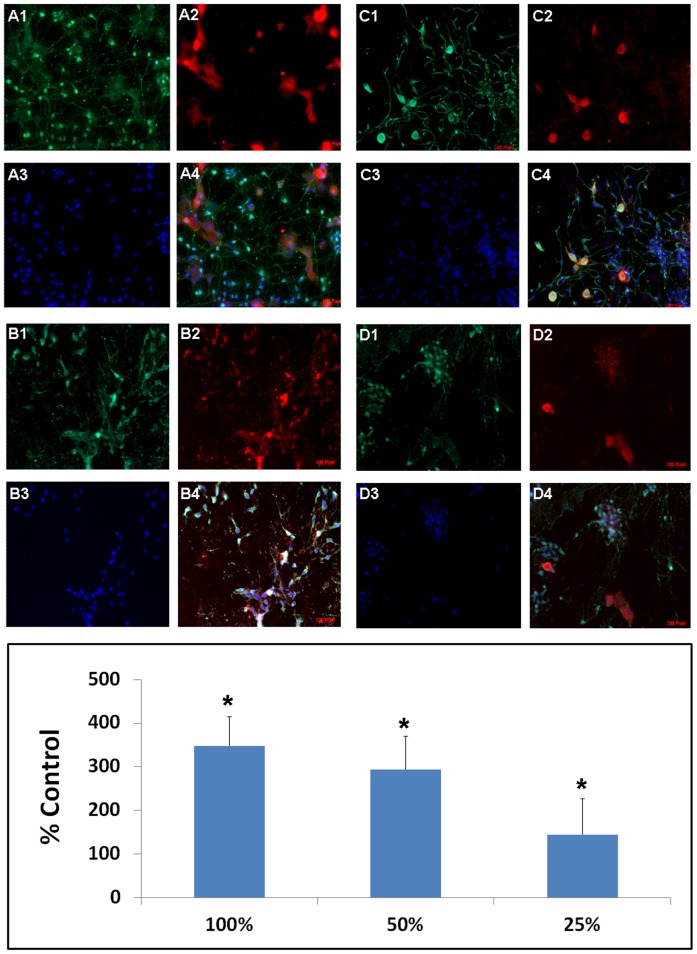
In this study, we investigated the dog placenta as a viable source of stem cells for stroke therapy. Immunocytochemical evaluation of phenotypic markers of dog placenta cells (DPCs) cultured in proliferation and differentiation medium revealed that DPCs expressed both stem cell and neural cell markers, respectively. Co-culture with DPCs afforded neuroprotection of rat primary neural cells in a dose-dependent manner against oxygen-glucose deprivation. Subsequent in vivo experiments showed that transplantation of DPCs, in particular intravenous and intracerebral cell delivery, produced significant behavioral recovery and reduced histological deficits in ischemic stroke animals compared to those that received intra-arterial delivery of DPCs or control stroke animals. Furthermore, both in vitro and in vivo studies implicated elevated expression of heat shock protein 27 (Hsp27) as a potential mechanism of action underlying the observed therapeutic benefits of DPCs in stroke. This study supports the use of stem cells for stroke therapy and implicates a key role of Hsp27 signaling pathway in neuroprotection.
在这项研究中,我们研究了狗胎盘作为中风治疗的可行干细胞来源。对在增殖和分化培养基中培养的狗胎盘细胞(DPC)的表型标志物进行免疫细胞化学评估表明,DPC 分别表达了干细胞和神经细胞标志物。与 DPC 共培养以剂量依赖性方式为大鼠原代神经细胞提供了对氧葡萄糖剥夺的神经保护作用。随后的体内实验表明,与接受动脉内 DPC 输注或对照中风动物的动物相比,DPC 的移植,特别是静脉内和脑内细胞递送,在缺血性中风动物中产生了显著的行为恢复并减少了组织学缺陷。此外,体外和体内研究都表明热休克蛋白 27(Hsp27)的表达升高是 DPC 在中风中观察到的治疗益处的潜在作用机制。这项研究支持将干细胞用于中风治疗,并表明 Hsp27 信号通路在神经保护中起关键作用。