Da Costa Marc M J, Allen Claire E, Higginbottom Adrian, Ramesh Tennore, Shaw Pamela J, McDermott Christopher J
Sheffield Institute for Translational Neuroscience, The University of Sheffield, Sheffield S10 2HQ, UK.
Dis Model Mech. 2014 Jan;7(1):73-81. doi: 10.1242/dmm.012013. Epub 2013 Oct 2.
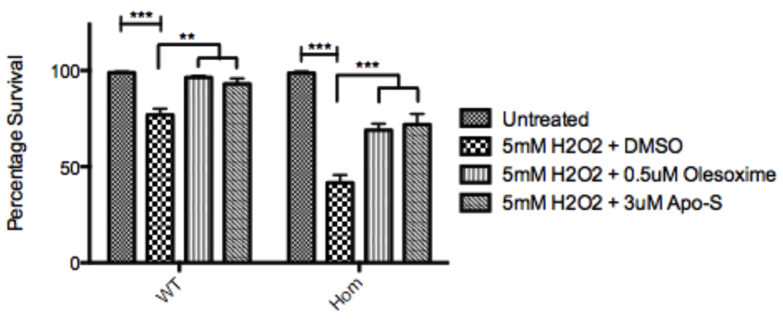
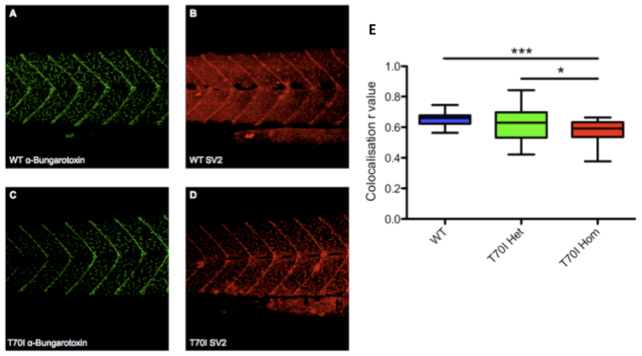
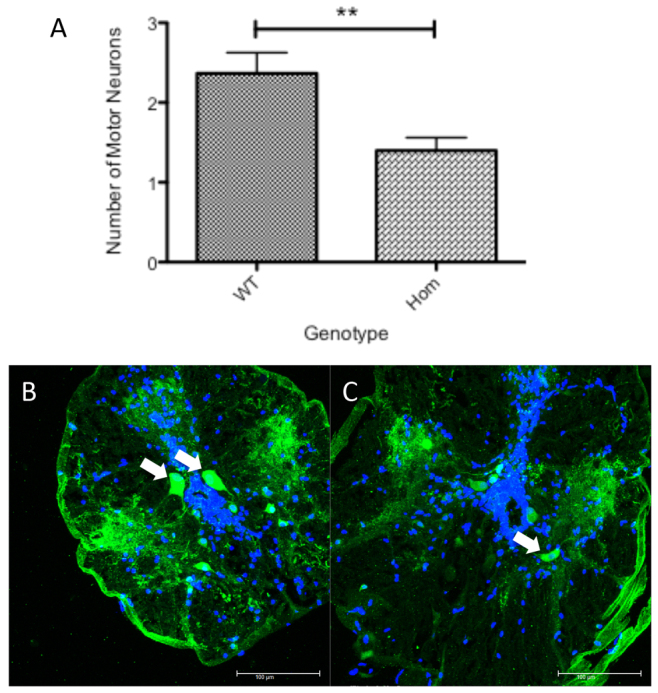
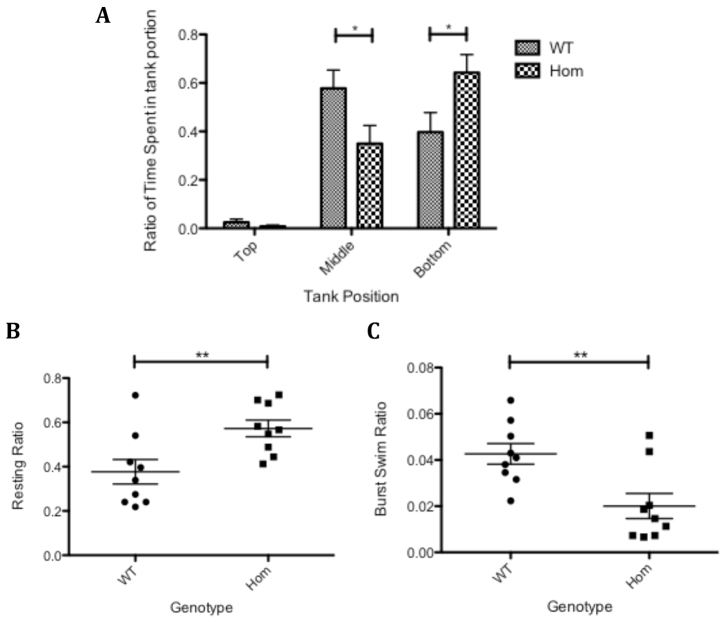
Mutations in the superoxide dismutase gene (SOD1) are one cause of familial amyotrophic lateral sclerosis [ALS; also known as motor neuron disease (MND)] in humans. ALS is a relentlessly progressive neurodegenerative disease and, to date, there are no neuroprotective therapies with significant impact on the disease course. Current transgenic murine models of the disease, which overexpress mutant SOD1, have so far been ineffective in the identification of new therapies beneficial in the human disease. Because the human and the zebrafish (Danio rerio) SOD1 protein share 76% identity, TILLING ('targeting induced local lesions in genomes') was carried out in collaboration with the Sanger Institute in order to identify mutations in the zebrafish sod1 gene. A T70I mutant zebrafish line was characterised using oxidative stress assays, neuromuscular junction (NMJ) analysis and motor function studies. The T70I sod1 zebrafish model offers the advantage over current murine models of expressing the mutant Sod1 protein at a physiological level, as occurs in humans with ALS. The T70I sod1 zebrafish demonstrates key features of ALS: an early NMJ phenotype, susceptibility to oxidative stress and an adult-onset motor neuron disease phenotype. We have demonstrated that the susceptibility of T70I sod1 embryos to oxidative stress can be used in a drug screening assay, to identify compounds that merit further investigation as potential therapies for ALS.
超氧化物歧化酶基因(SOD1)突变是人类家族性肌萎缩侧索硬化症[ALS;也称为运动神经元病(MND)]的病因之一。ALS是一种无情进展的神经退行性疾病,迄今为止,尚无对疾病进程有重大影响的神经保护疗法。目前过表达突变型SOD1的该疾病转基因小鼠模型,在鉴定对人类疾病有益的新疗法方面一直无效。由于人类和斑马鱼(Danio rerio)的SOD1蛋白有76%的一致性,因此与桑格研究所合作开展了定向诱导基因组局部突变(TILLING),以鉴定斑马鱼sod1基因中的突变。使用氧化应激测定、神经肌肉接头(NMJ)分析和运动功能研究对T70I突变斑马鱼品系进行了表征。与目前的小鼠模型相比,T70I sod1斑马鱼模型具有在生理水平表达突变型Sod1蛋白的优势,就像患有ALS的人类一样。T70I sod1斑马鱼表现出ALS的关键特征:早期NMJ表型、对氧化应激的易感性和成年期发病的运动神经元病表型。我们已经证明,T70I sod1胚胎对氧化应激的易感性可用于药物筛选试验,以鉴定值得作为ALS潜在疗法进一步研究的化合物。