Instituto de Hortofruticultura Subtropical y Mediterránea (IHSM-UMA-CSIC), Departamento de Biología Molecular y Bioquímica, Facultad de Ciencias, Universidad de Málaga, Campus de Teatinos s/n, E-29071 Málaga, Spain.
J Exp Bot. 2013 Nov;64(14):4421-39. doi: 10.1093/jxb/ert257. Epub 2013 Oct 5.
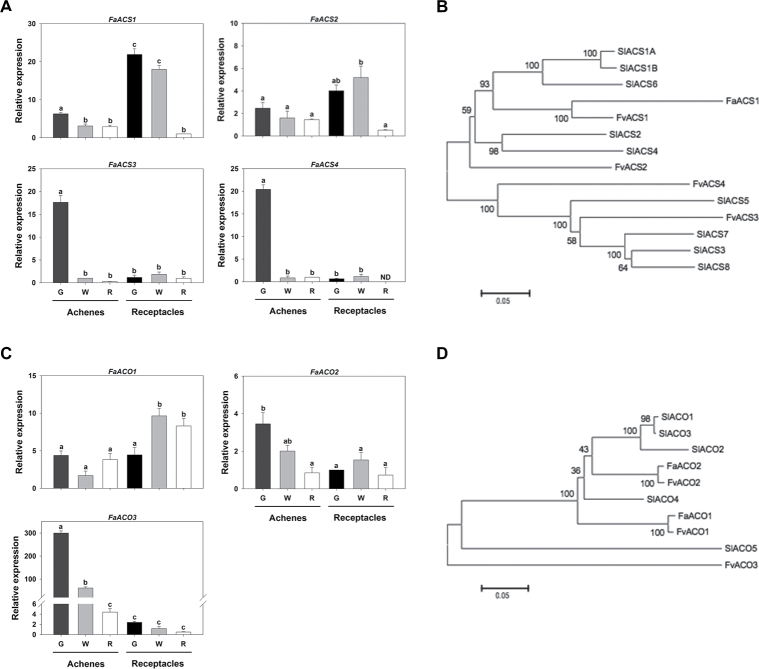
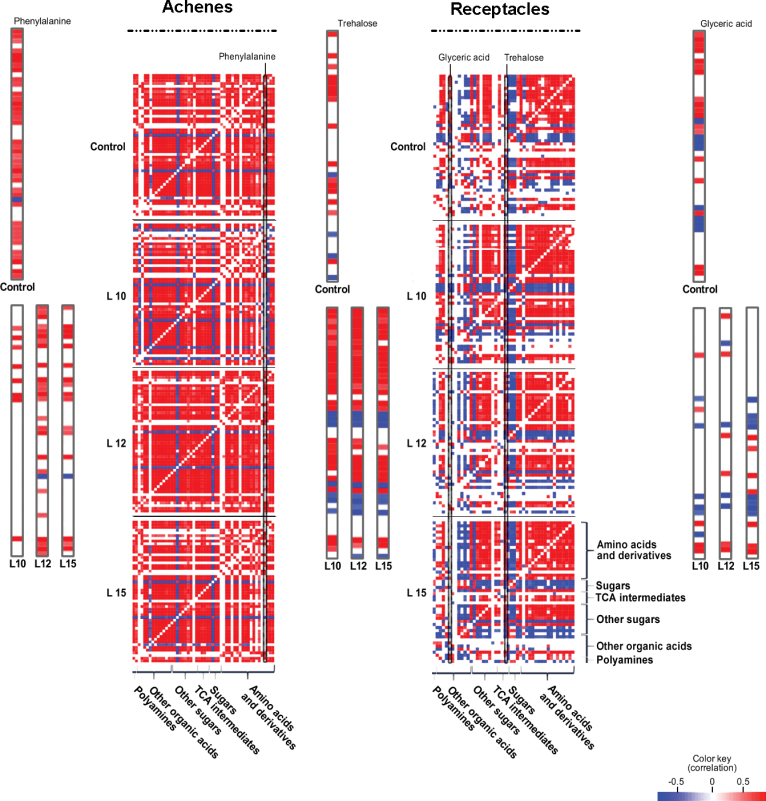
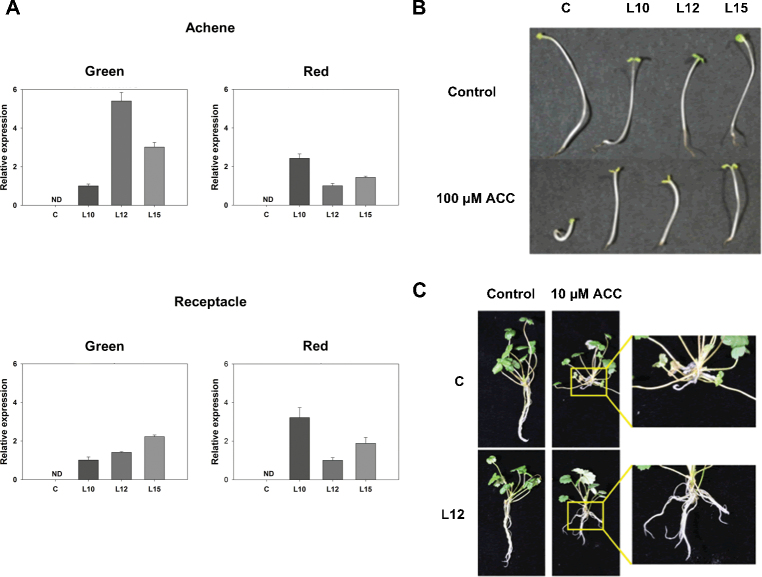
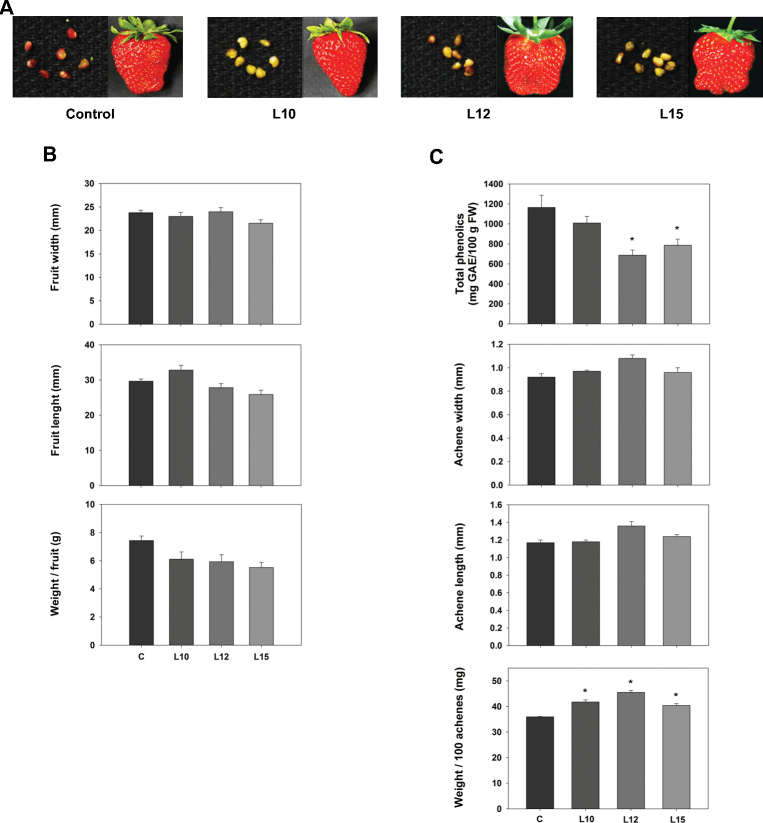
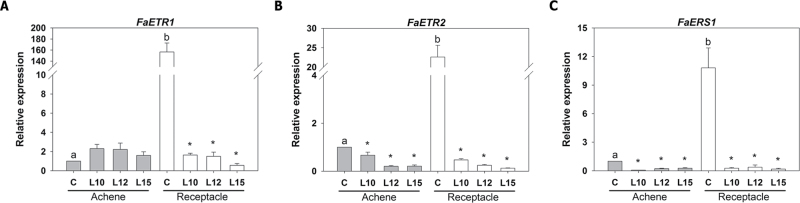
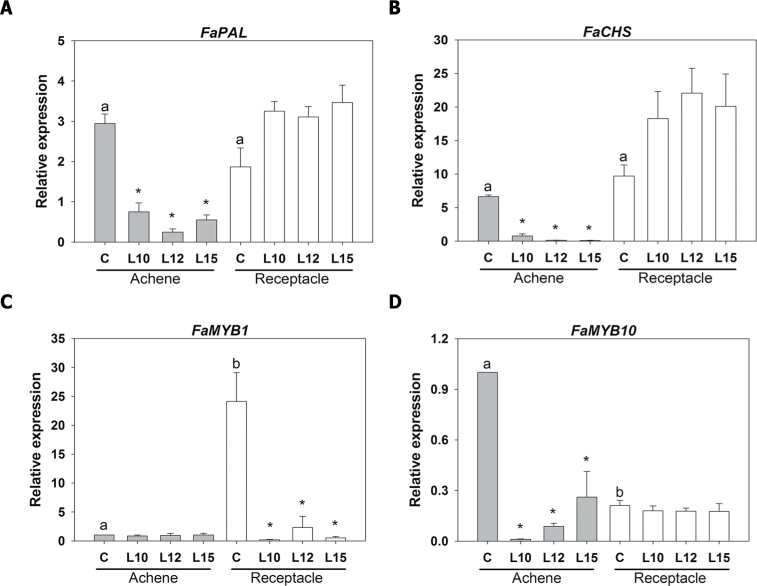
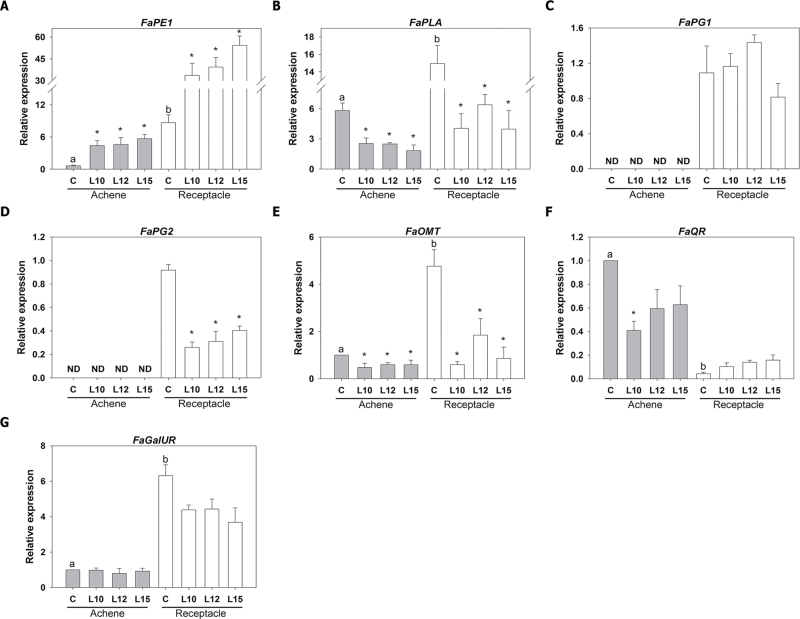
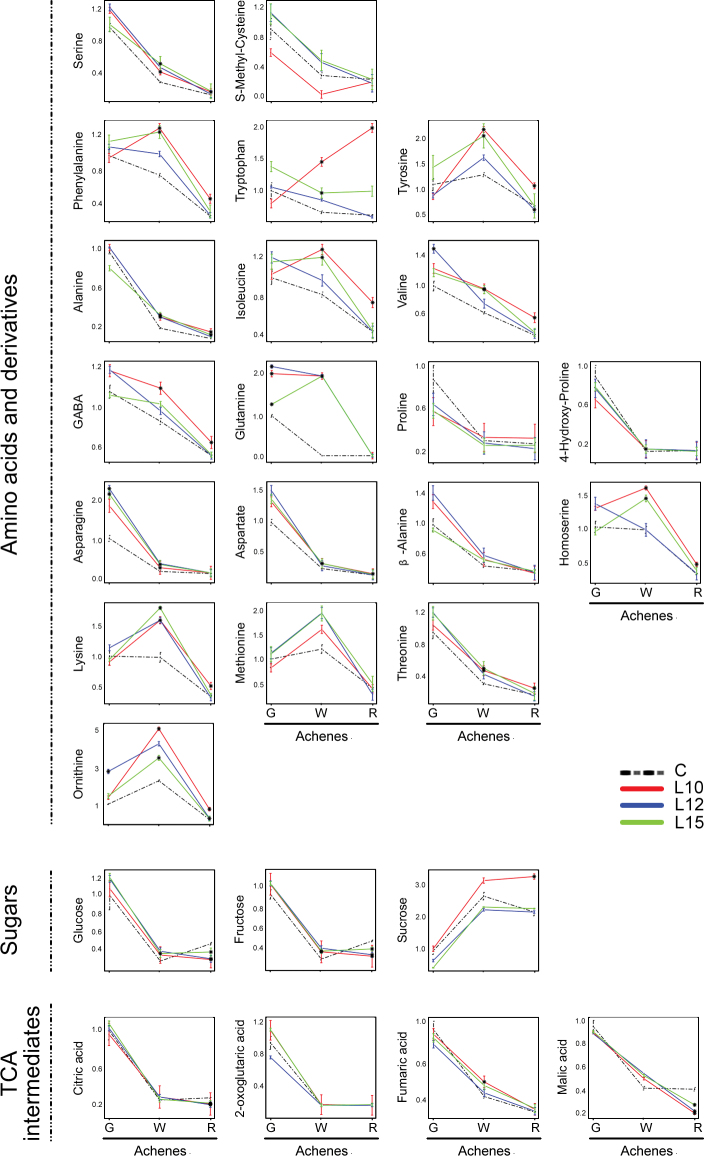
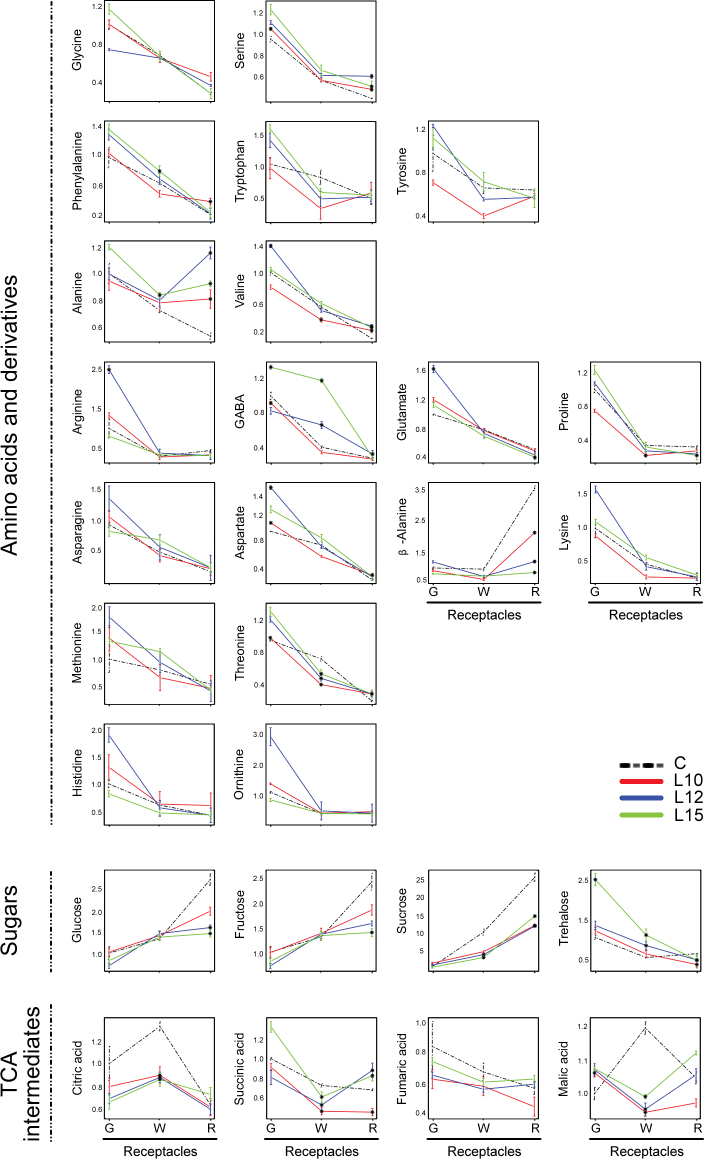
The fruit of the strawberry Fragaria×ananassa has traditionally been classified as non-climacteric because its ripening process is not governed by ethylene. However, previous studies have reported the timely endogenous production of minor amounts of ethylene by the fruit as well as the differential expression of genes of the ethylene synthesis, reception, and signalling pathways during fruit development. Mining of the Fragaria vesca genome allowed for the identification of the two main ethylene biosynthetic genes, 1-aminocyclopropane-1-carboxylic acid (ACC) synthase and ACC oxidase. Their expression pattern during fruit ripening was found to be stage and organ (achene or receptacle) specific. Strawberry plants with altered sensitivity to ethylene could be employed to unravel the role of ethylene in the ripening process of the strawberry fruit. To this end, independent lines of transgenic strawberry plants were generated that overexpress the Arabidopsis etr1-1 mutant ethylene receptor, which is a dominant negative allele, causing diminished sensitivity to ethylene. Genes involved in ethylene perception as well as in its related downstream processes, such as flavonoid biosynthesis, pectin metabolism, and volatile biosynthesis, were differently expressed in two transgenic tissues, the achene and the receptacle. The different transcriptional responsiveness of the achene and the receptacle to ethylene was also revealed by the metabolic profiling of the primary metabolites in these two organs. The free amino acid content was higher in the transgenic lines compared with the control in the mature achene, while glucose and fructose, and citric and malic acids were at lower levels. In the receptacle, the most conspicuous change in the transgenic lines was the depletion of the tricarboxylic acid cycle intermediates at the white stage of development, most probably as a consequence of diminished respiration. The results are discussed in the context of the importance of ethylene during strawberry fruit ripening.
草莓( Fragaria ×ananassa)果实传统上被归类为非跃变型果实,因为其成熟过程不受乙烯调控。然而,先前的研究已经报道了果实中乙烯的少量内源性及时产生,以及在果实发育过程中乙烯合成、接收和信号转导途径的基因的差异表达。挖掘草莓( Fragaria vesca)基因组使得能够鉴定出两个主要的乙烯生物合成基因,1-氨基环丙烷-1-羧酸(ACC)合酶和 ACC 氧化酶。在果实成熟过程中,它们的表达模式具有阶段和器官(心皮或花托)特异性。可以利用对乙烯敏感性改变的草莓植株来阐明乙烯在草莓果实成熟过程中的作用。为此,生成了具有独立转化株系的草莓植物,这些植物过表达拟南芥etr1-1 突变型乙烯受体,这是一个显性负等位基因,导致对乙烯的敏感性降低。参与乙烯感知及其相关下游过程的基因,如类黄酮生物合成、果胶代谢和挥发性生物合成,在两个转化组织(心皮和花托)中表达不同。这两个器官中初级代谢物的代谢组学分析也揭示了心皮和花托对乙烯的不同转录响应。与对照相比,成熟心皮中转化株系的游离氨基酸含量较高,而葡萄糖和果糖以及柠檬酸和苹果酸含量较低。在花托中,转化株系中最明显的变化是在白色发育阶段三羧酸循环中间产物的耗尽,很可能是由于呼吸作用减弱所致。讨论了这些结果在草莓果实成熟过程中乙烯重要性的背景下。