Stowers Institute for Medical Research, University of Kansas School of Medicine, Kansas City, Kansas, United States of America.
PLoS Genet. 2013;9(10):e1003857. doi: 10.1371/journal.pgen.1003857. Epub 2013 Oct 3.
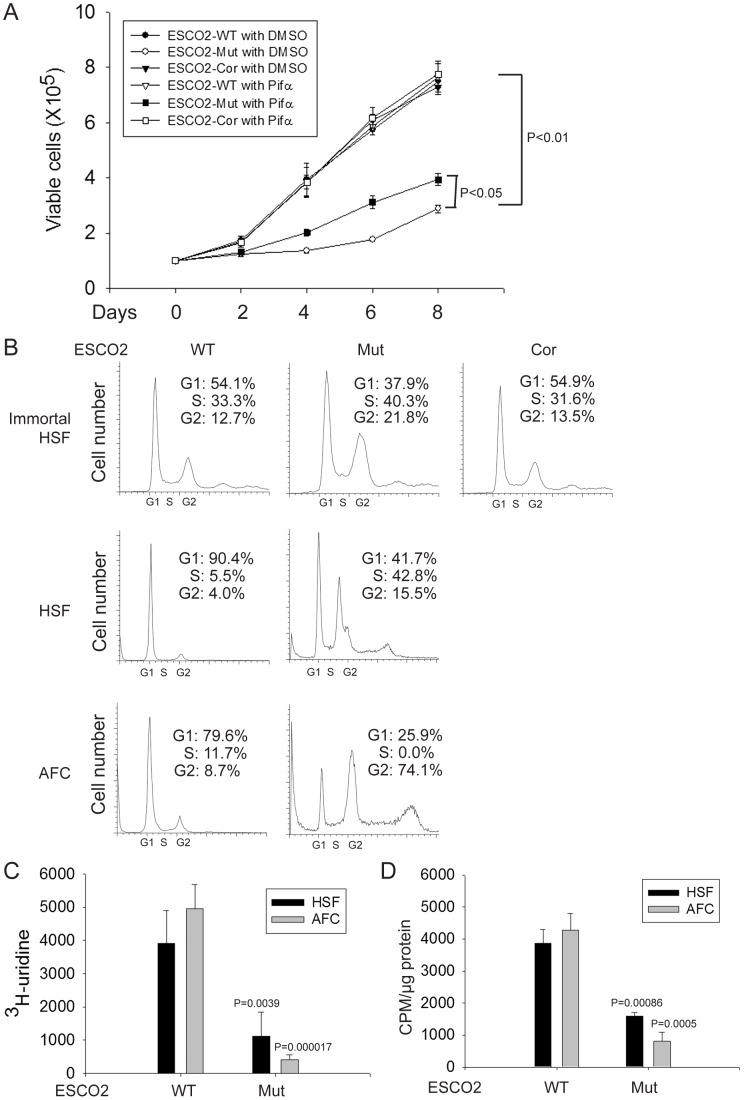
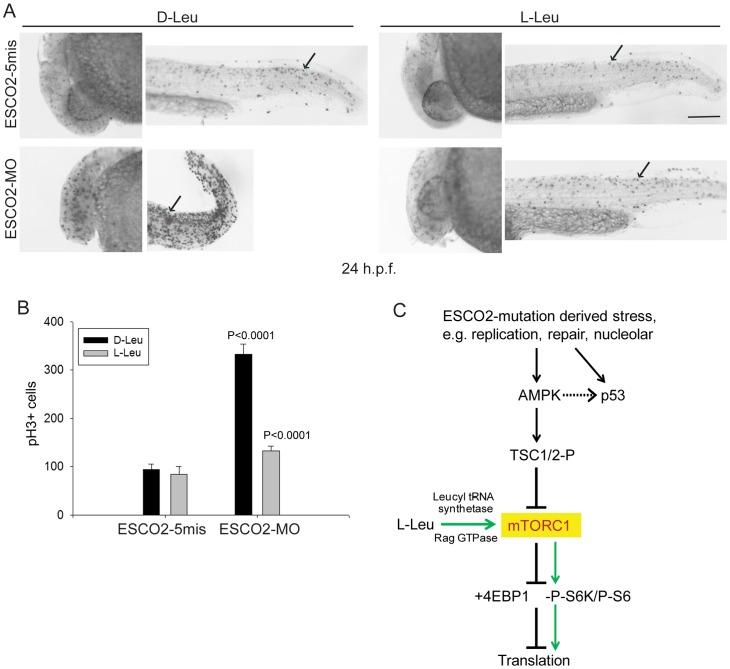
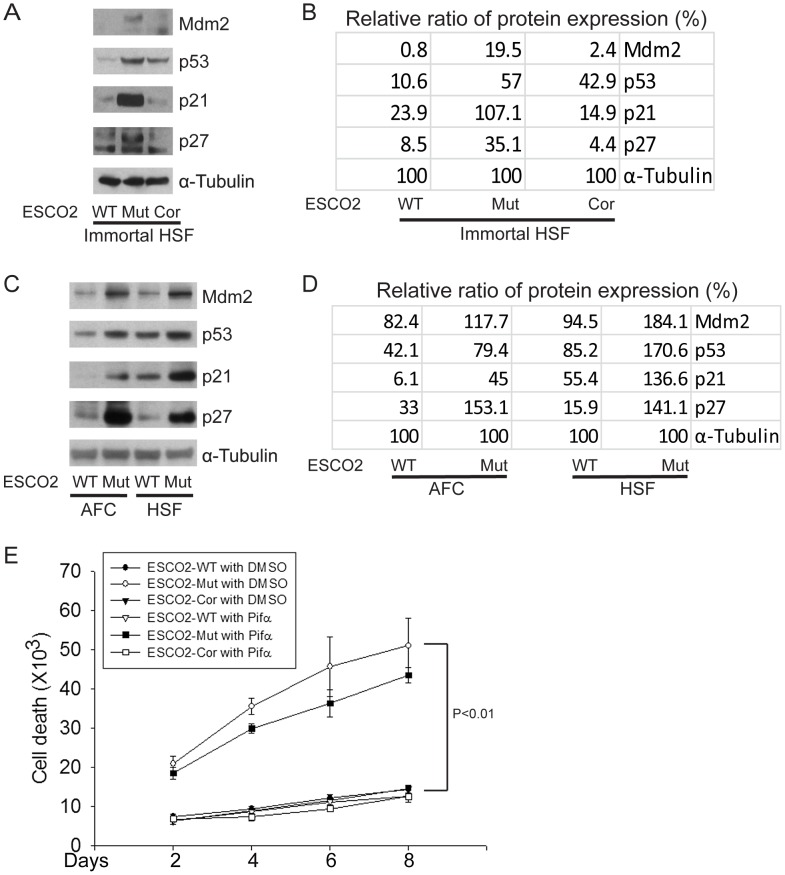
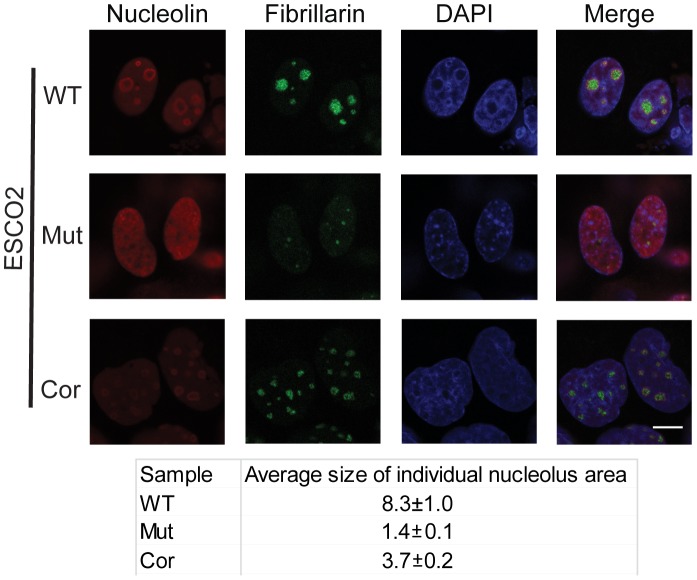
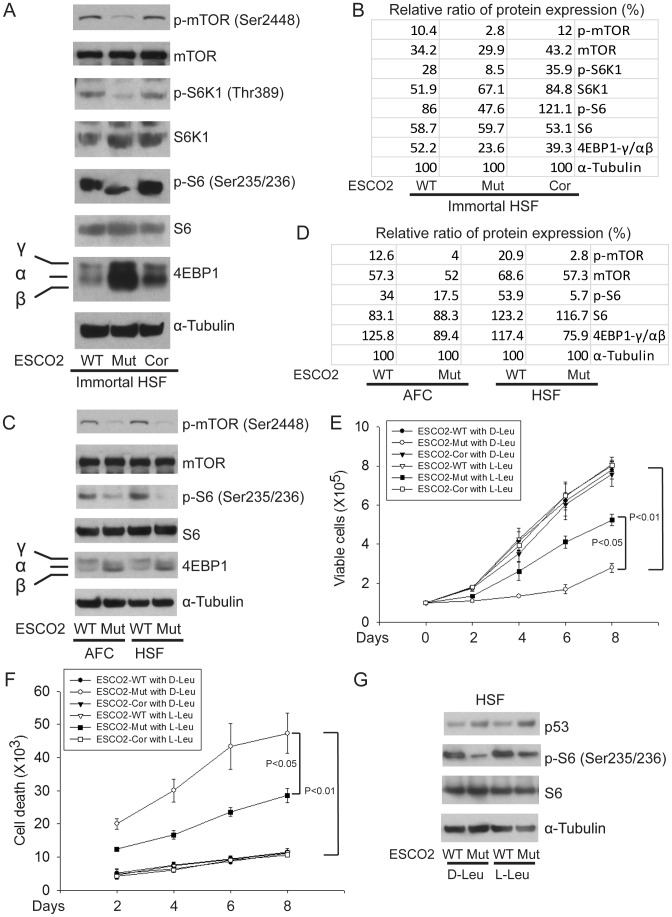
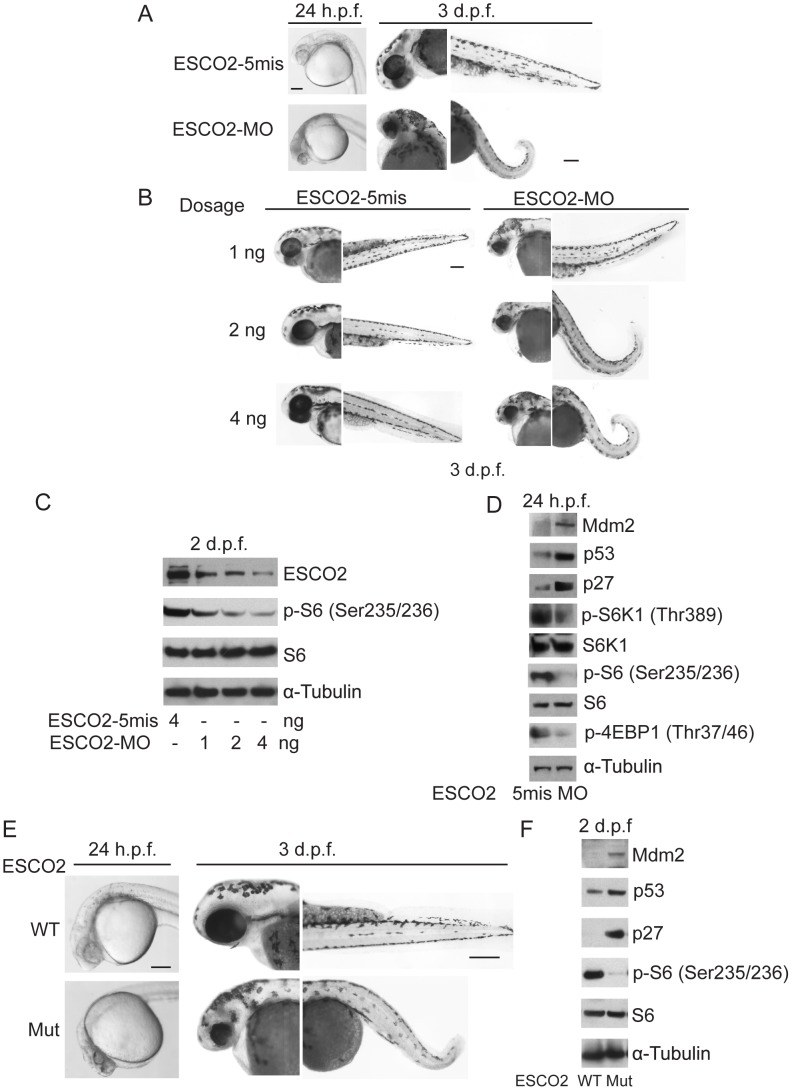
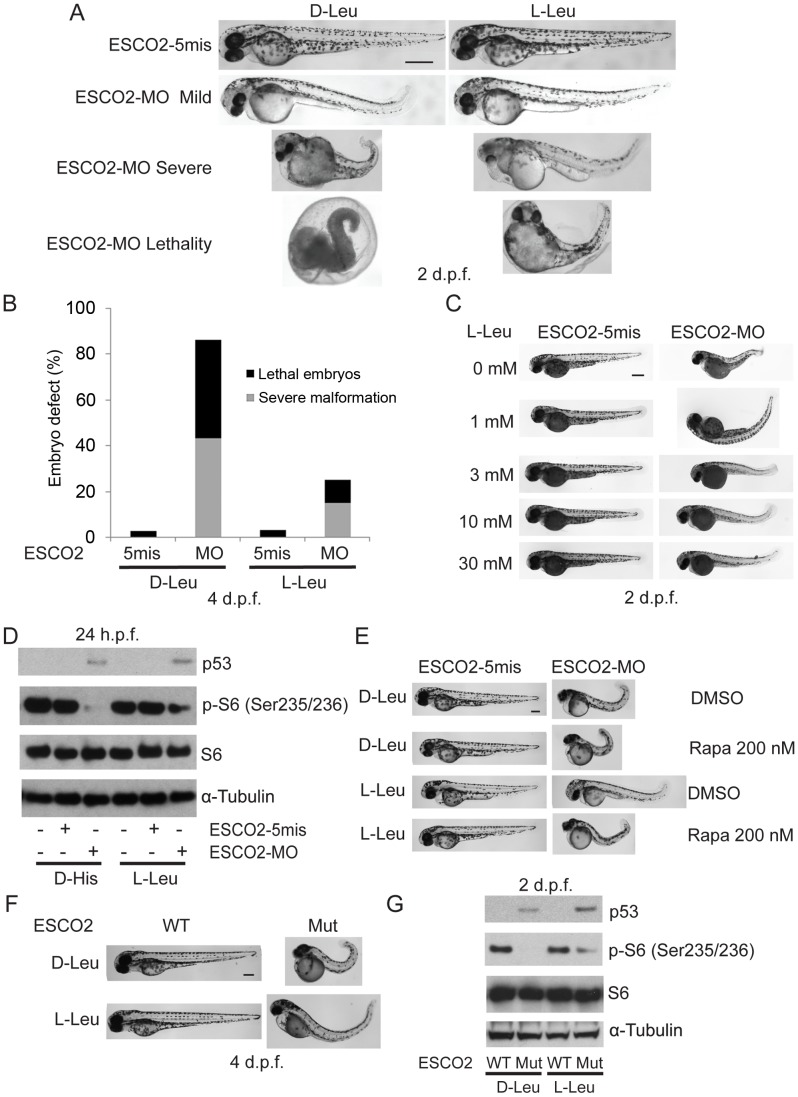
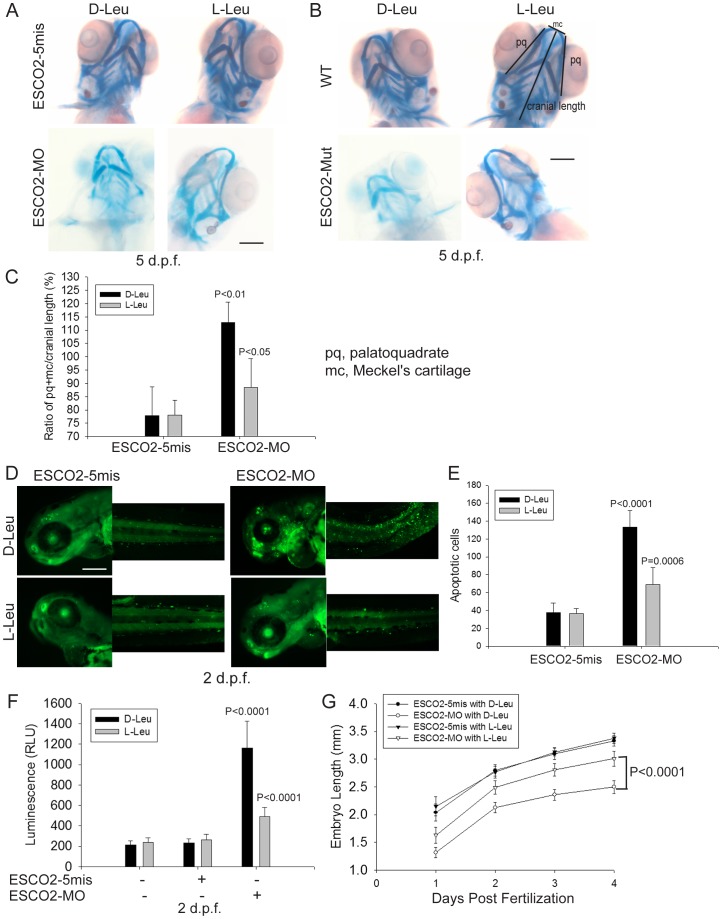
Roberts syndrome (RBS) is a human disease characterized by defects in limb and craniofacial development and growth and mental retardation. RBS is caused by mutations in ESCO2, a gene which encodes an acetyltransferase for the cohesin complex. While the essential role of the cohesin complex in chromosome segregation has been well characterized, it plays additional roles in DNA damage repair, chromosome condensation, and gene expression. The developmental phenotypes of Roberts syndrome and other cohesinopathies suggest that gene expression is impaired during embryogenesis. It was previously reported that ribosomal RNA production and protein translation were impaired in immortalized RBS cells. It was speculated that cohesin binding at the rDNA was important for nucleolar form and function. We have explored the hypothesis that reduced ribosome function contributes to RBS in zebrafish models and human cells. Two key pathways that sense cellular stress are the p53 and mTOR pathways. We report that mTOR signaling is inhibited in human RBS cells based on the reduced phosphorylation of the downstream effectors S6K1, S6 and 4EBP1, and this correlates with p53 activation. Nucleoli, the sites of ribosome production, are highly fragmented in RBS cells. We tested the effect of inhibiting p53 or stimulating mTOR in RBS cells. The rescue provided by mTOR activation was more significant, with activation rescuing both cell division and cell death. To study this cohesinopathy in a whole animal model we used ESCO2-mutant and morphant zebrafish embryos, which have developmental defects mimicking RBS. Consistent with RBS patient cells, the ESCO2 mutant embryos show p53 activation and inhibition of the TOR pathway. Stimulation of the TOR pathway with L-leucine rescued many developmental defects of ESCO2-mutant embryos. Our data support the idea that RBS can be attributed in part to defects in ribosome biogenesis, and stimulation of the TOR pathway has therapeutic potential.
罗伯茨综合征(RBS)是一种人类疾病,其特征为肢体和颅面发育及生长缺陷以及智力迟钝。RBS 是由 ESCO2 基因突变引起的,ESCO2 基因编码着黏合蛋白复合体的乙酰转移酶。虽然黏合蛋白复合体在染色体分离中的基本作用已得到很好的描述,但它在 DNA 损伤修复、染色体浓缩和基因表达中还具有额外的作用。罗伯茨综合征和其他黏合蛋白病的发育表型表明,胚胎发生过程中的基因表达受到损害。先前有报道称,永生化 RBS 细胞中的核糖体 RNA 产生和蛋白质翻译受到损害。推测黏合蛋白在 rDNA 上的结合对于核仁的形态和功能很重要。我们已经探索了在斑马鱼模型和人类细胞中,核糖体功能降低导致 RBS 的假说。两条感知细胞应激的关键途径是 p53 和 mTOR 途径。我们报告称,基于下游效应物 S6K1、S6 和 4EBP1 的磷酸化减少,人类 RBS 细胞中的 mTOR 信号被抑制,这与 p53 激活相关。核糖体产生的部位核仁在 RBS 细胞中高度碎片化。我们测试了在 RBS 细胞中抑制 p53 或刺激 mTOR 的效果。mTOR 激活的挽救更为显著,激活挽救了细胞分裂和细胞死亡。为了在全动物模型中研究这种黏合蛋白病,我们使用了 ESCO2 突变体和形态发生缺陷的斑马鱼胚胎,这些胚胎表现出类似于 RBS 的发育缺陷。与 RBS 患者细胞一致,ESCO2 突变胚胎显示出 p53 激活和 TOR 途径抑制。用 L-亮氨酸刺激 TOR 途径挽救了 ESCO2 突变胚胎的许多发育缺陷。我们的数据支持这样一种观点,即 RBS 部分归因于核糖体生物发生缺陷,并且刺激 TOR 途径具有治疗潜力。