Wyss Institute for Biologically Inspired Engineering, Harvard University, Boston, Massachusetts, United States of America.
PLoS One. 2013 Oct 3;8(10):e76122. doi: 10.1371/journal.pone.0076122. eCollection 2013.
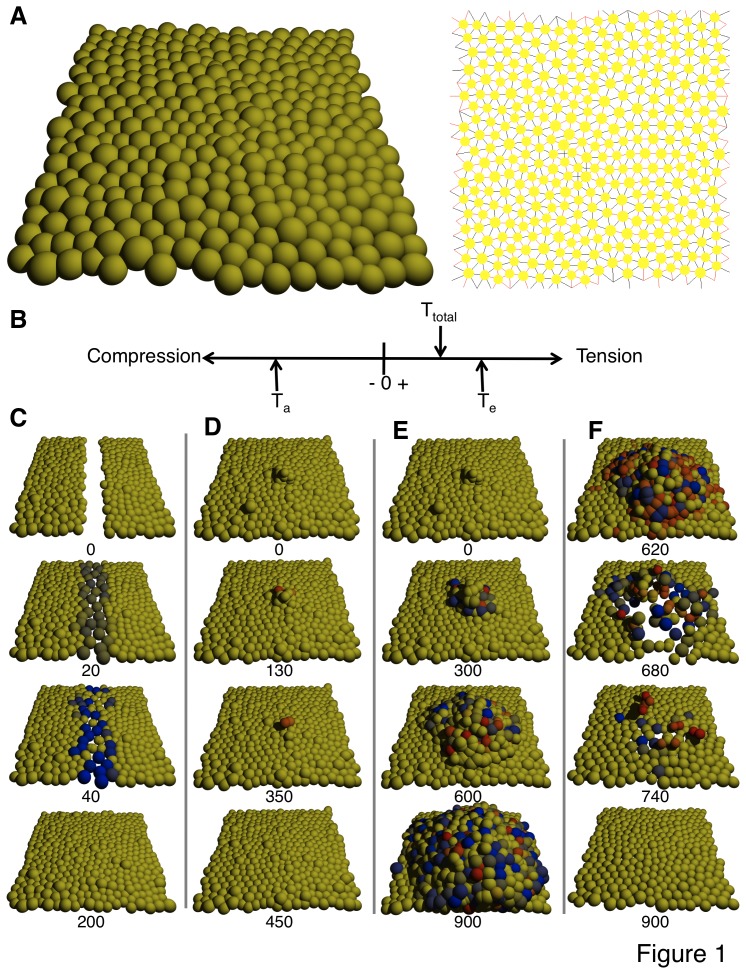
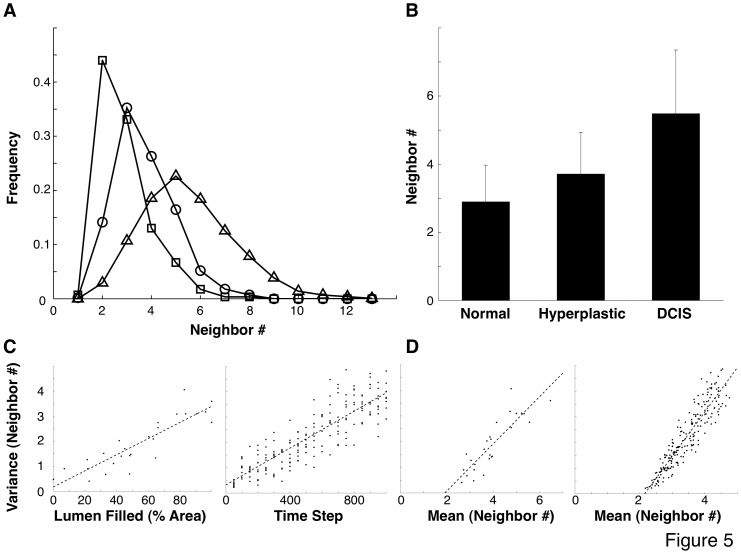
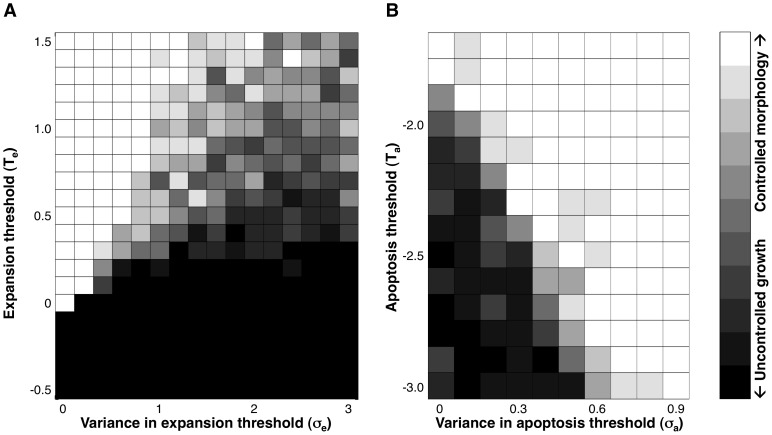
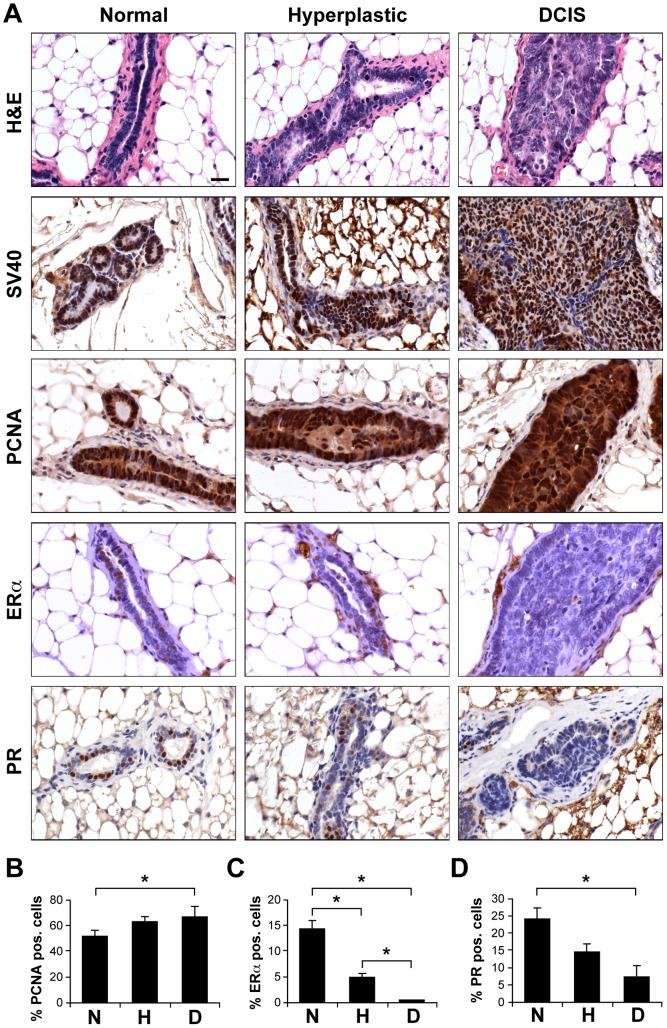
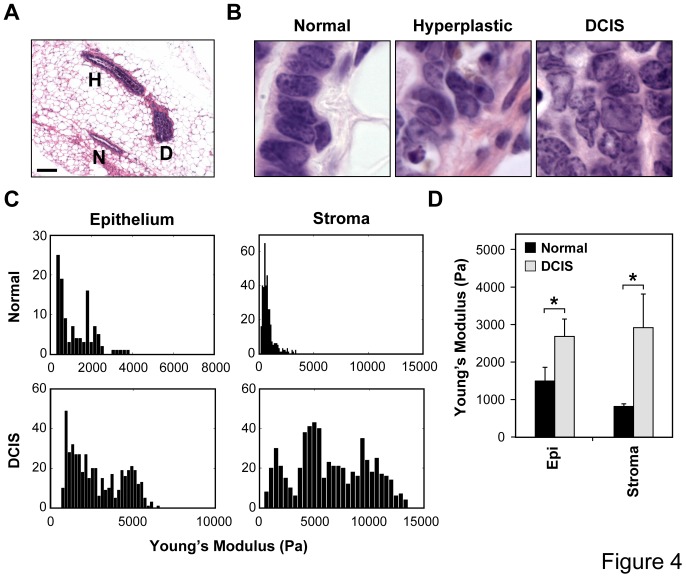
Changes in extracellular matrix (ECM) structure or mechanics can actively drive cancer progression; however, the underlying mechanism remains unknown. Here we explore whether this process could be mediated by changes in cell shape that lead to increases in genetic noise, given that both factors have been independently shown to alter gene expression and induce cell fate switching. We do this using a computer simulation model that explores the impact of physical changes in the tissue microenvironment under conditions in which physical deformation of cells increases gene expression variability among genetically identical cells. The model reveals that cancerous tissue growth can be driven by physical changes in the microenvironment: when increases in cell shape variability due to growth-dependent increases in cell packing density enhance gene expression variation, heterogeneous autonomous growth and further structural disorganization can result, thereby driving cancer progression via positive feedback. The model parameters that led to this prediction are consistent with experimental measurements of mammary tissues that spontaneously undergo cancer progression in transgenic C3(1)-SV40Tag female mice, which exhibit enhanced stiffness of mammary ducts, as well as progressive increases in variability of cell-cell relations and associated cell shape changes. These results demonstrate the potential for physical changes in the tissue microenvironment (e.g., altered ECM mechanics) to induce a cancerous phenotype or accelerate cancer progression in a clonal population through local changes in cell geometry and increased phenotypic variability, even in the absence of gene mutation.
细胞外基质(ECM)结构或力学的变化可以主动推动癌症的进展;然而,其潜在机制尚不清楚。在这里,我们探讨了这一过程是否可以通过导致遗传噪声增加的细胞形状变化来介导,因为这两个因素都已被独立证明可以改变基因表达并诱导细胞命运转换。我们使用计算机模拟模型来探索在组织微环境的物理变化条件下,细胞的物理变形会增加遗传上相同的细胞中基因表达的可变性,从而对基因表达可变性产生影响。该模型表明,组织中的物理变化可以驱动癌症组织的生长:当细胞形状变化的增加导致细胞包装密度的依赖性增加而增强基因表达的变异性时,可能会导致异质自主生长和进一步的结构紊乱,从而通过正反馈驱动癌症的进展。导致这一预测的模型参数与自发发生在转基因 C3(1)-SV40Tag 雌性小鼠中的乳腺癌进展的乳腺组织的实验测量值一致,这些小鼠表现出乳腺导管硬度增强,以及细胞-细胞关系的可变性和相关细胞形状变化的逐渐增加。这些结果表明,组织微环境中的物理变化(例如 ECM 力学的改变)具有通过局部改变细胞几何形状和增加表型可变性来诱导癌症表型或加速克隆群体中癌症进展的潜力,即使在没有基因突变的情况下也是如此。