Institut Pasteur, Department of Immunology, Lymphocyte Cell Biology Unit, F-75724 Paris, France.
J Exp Med. 2013 Oct 21;210(11):2415-33. doi: 10.1084/jem.20130150. Epub 2013 Oct 7.
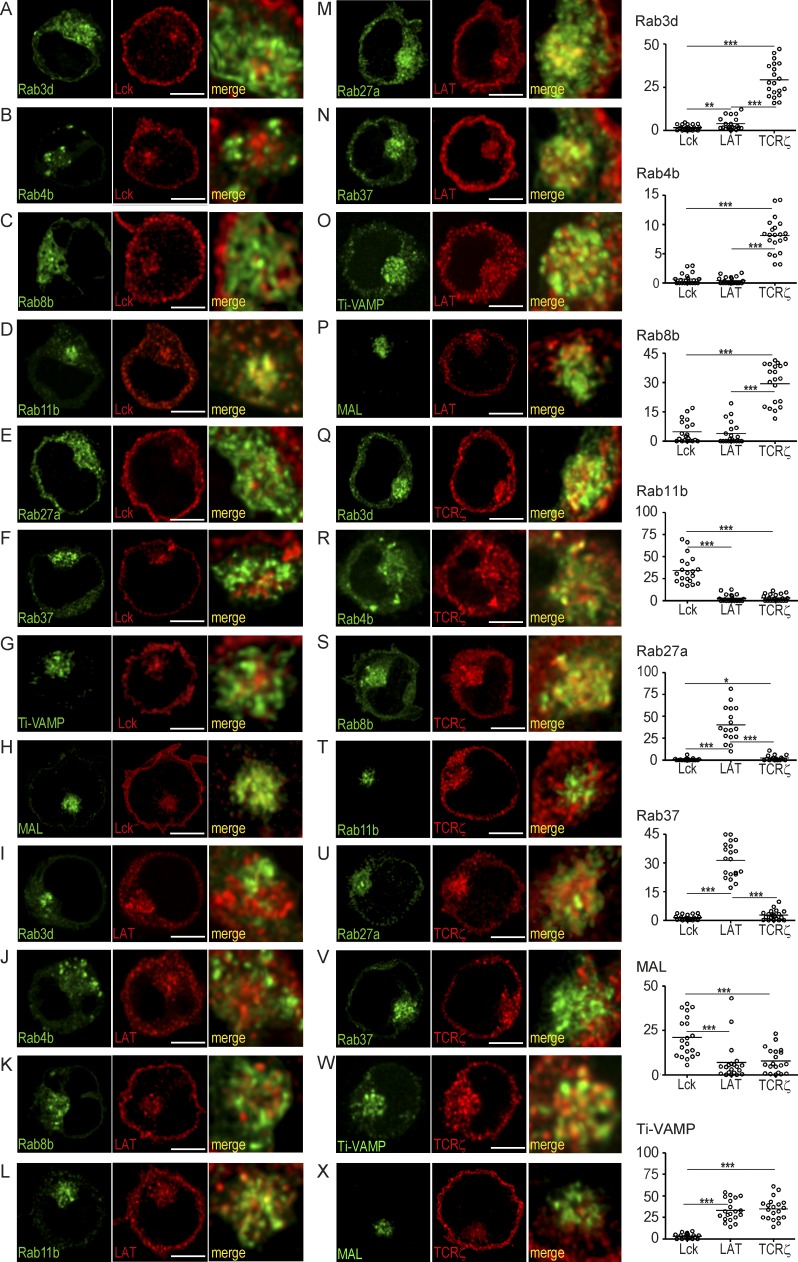
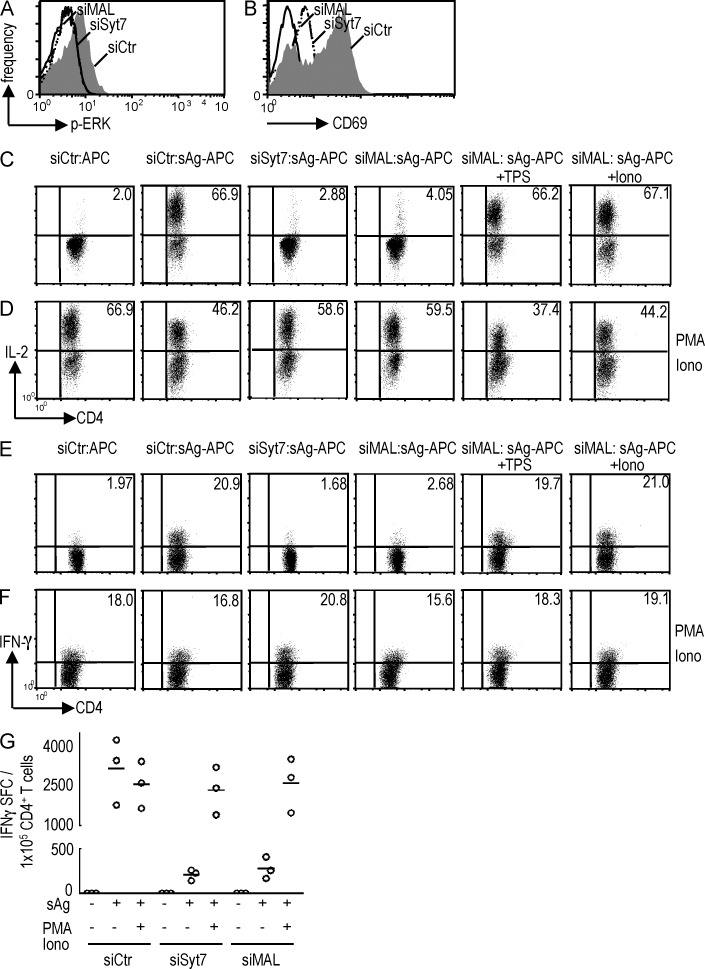
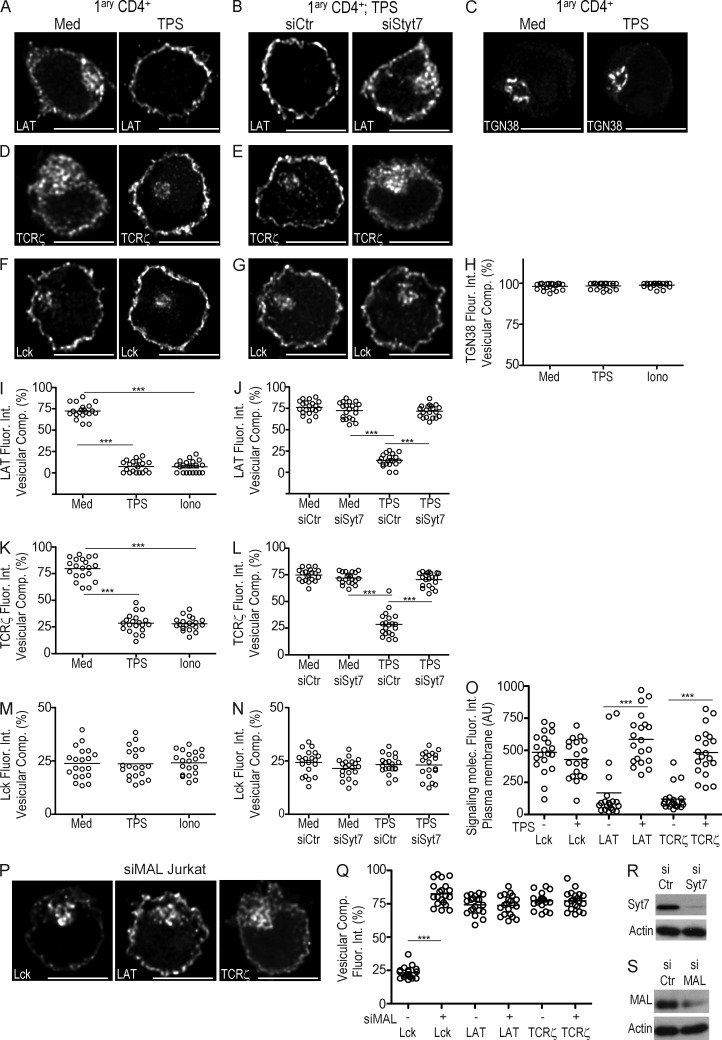
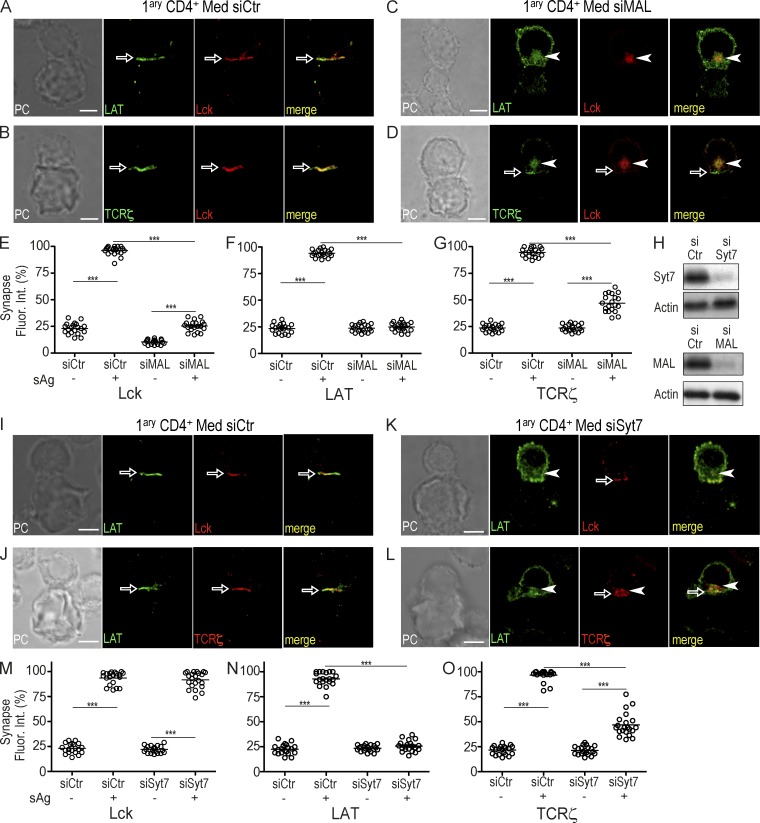
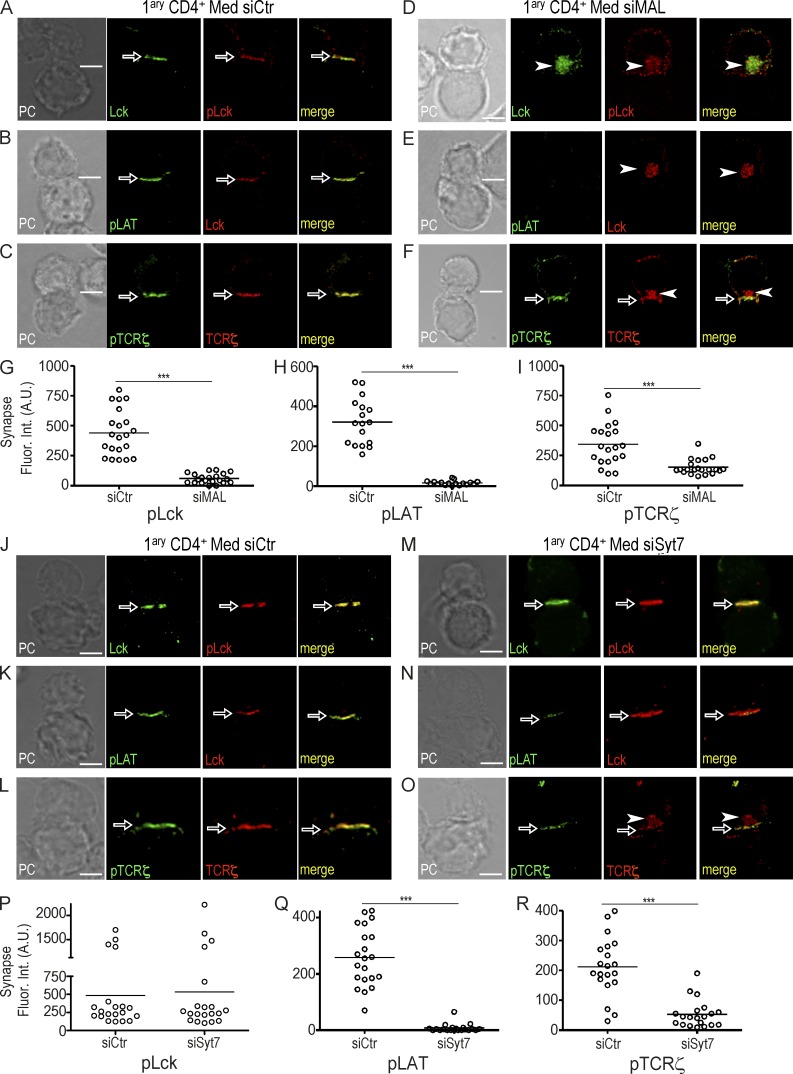
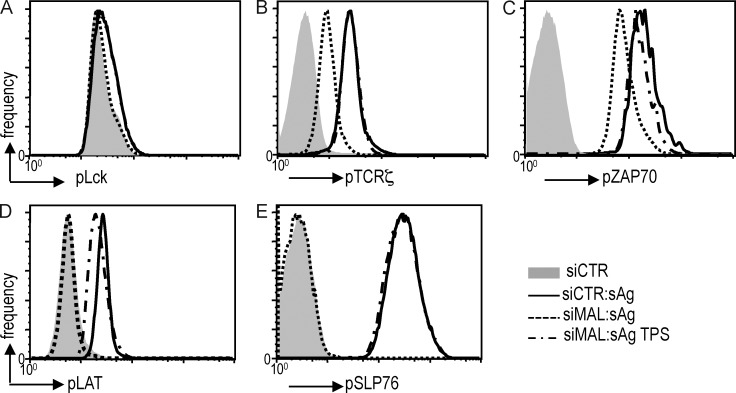
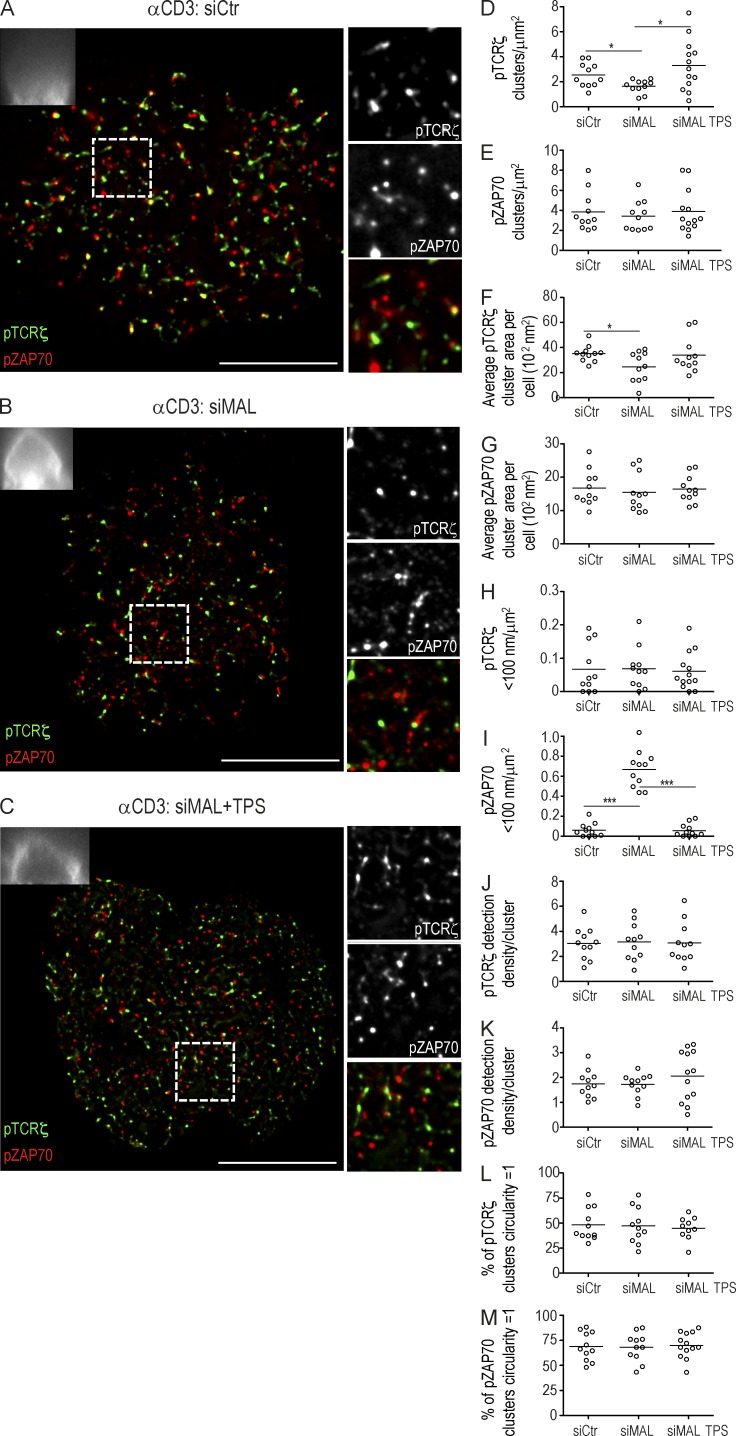
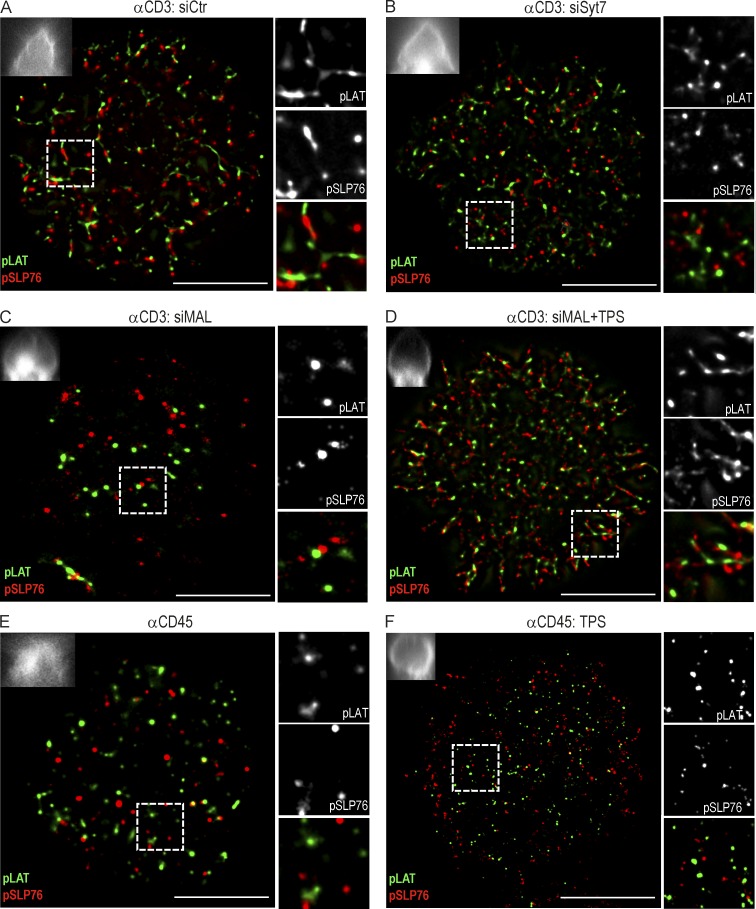
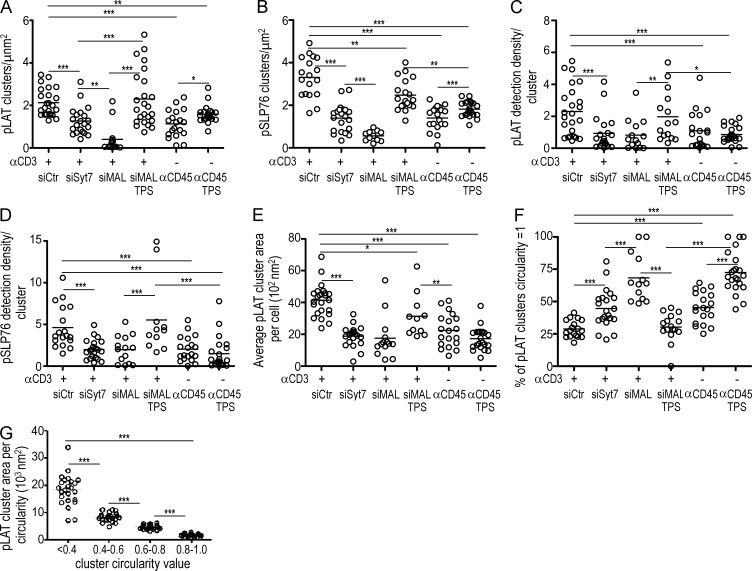
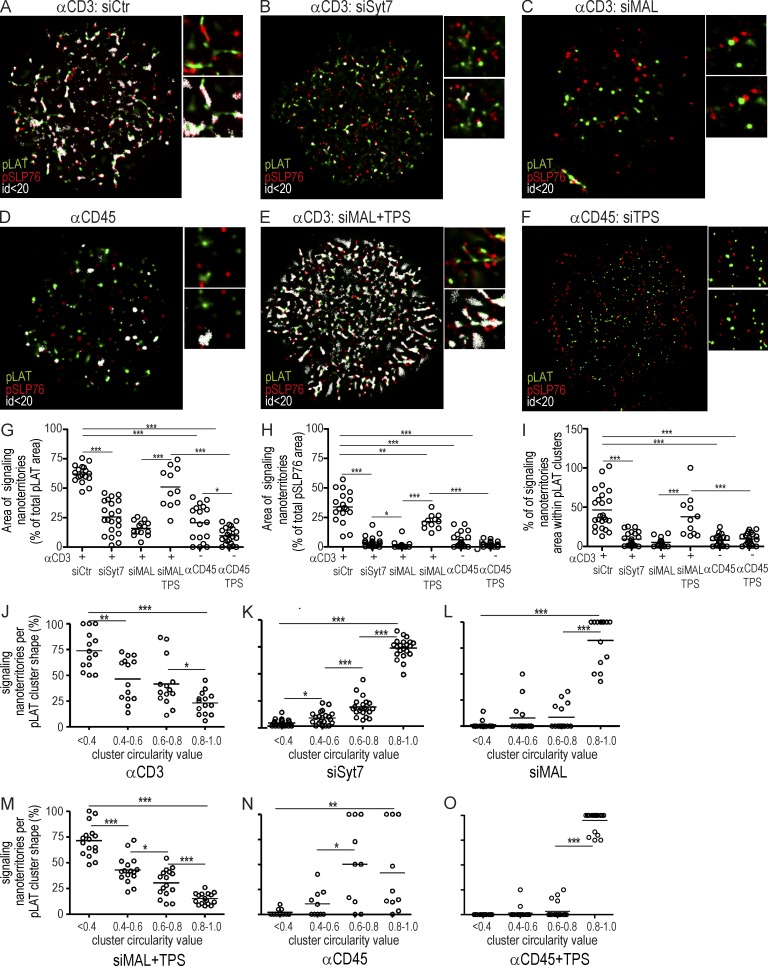
How the vesicular traffic of signaling molecules contributes to T cell receptor (TCR) signal transduction at the immunological synapse remains poorly understood. In this study, we show that the protein tyrosine kinase Lck, the TCRζ subunit, and the adapter LAT traffic through distinct exocytic compartments, which are released at the immunological synapse in a differentially regulated manner. Lck vesicular release depends on MAL protein. Synaptic Lck, in turn, conditions the calcium- and synaptotagmin-7-dependent fusion of LAT and TCRζ containing vesicles. Fusion of vesicles containing TCRζ and LAT at the synaptic membrane determines not only the nanoscale organization of phosphorylated TCRζ, ZAP70, LAT, and SLP76 clusters but also the presence of phosphorylated LAT and SLP76 in interacting signaling nanoterritories. This mechanism is required for priming IL-2 and IFN-γ production and may contribute to fine-tuning T cell activation breadth in response to different stimulatory conditions.
信号分子的小泡运输如何促进 T 细胞受体 (TCR) 在免疫突触处的信号转导仍知之甚少。在这项研究中,我们表明蛋白酪氨酸激酶 Lck、TCRζ 亚基和衔接蛋白 LAT 通过不同的胞吐隔室运输,这些隔室以不同调节的方式在免疫突触处释放。Lck 的小泡释放依赖于 MAL 蛋白。反过来,突触 Lck 调节包含 LAT 和 TCRζ 的小泡的钙依赖性和突触融合素 7 依赖性融合。突触膜上包含 TCRζ 和 LAT 的小泡融合不仅决定了磷酸化 TCRζ、ZAP70、LAT 和 SLP76 簇的纳米级组织,还决定了相互作用的信号纳米区中磷酸化 LAT 和 SLP76 的存在。这种机制是启动 IL-2 和 IFN-γ 产生所必需的,可能有助于根据不同的刺激条件精细调节 T 细胞的激活广度。