University of Nevada School of Medicine, Department of Emergency Medicine, Las Vegas, Nevada ; MedicWest Ambulance/American Medical Response, Las Vegas, Nevada.
West J Emerg Med. 2013 Sep;14(5):482-8. doi: 10.5811/westjem.2013.1.12665.
To determine emergency physician (EP) opinions of prehospital patient care reports (PCRs) and whether such reports are available at the time of emergency department (ED) medical decision-making.
Prospective, cross-sectional, electronic web-based survey of EPs regarding preferences and availability of prehospital PCRs at the time of ED medical decision-making.
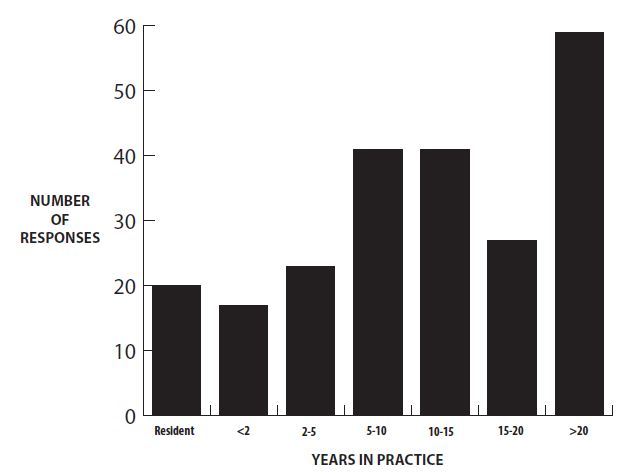
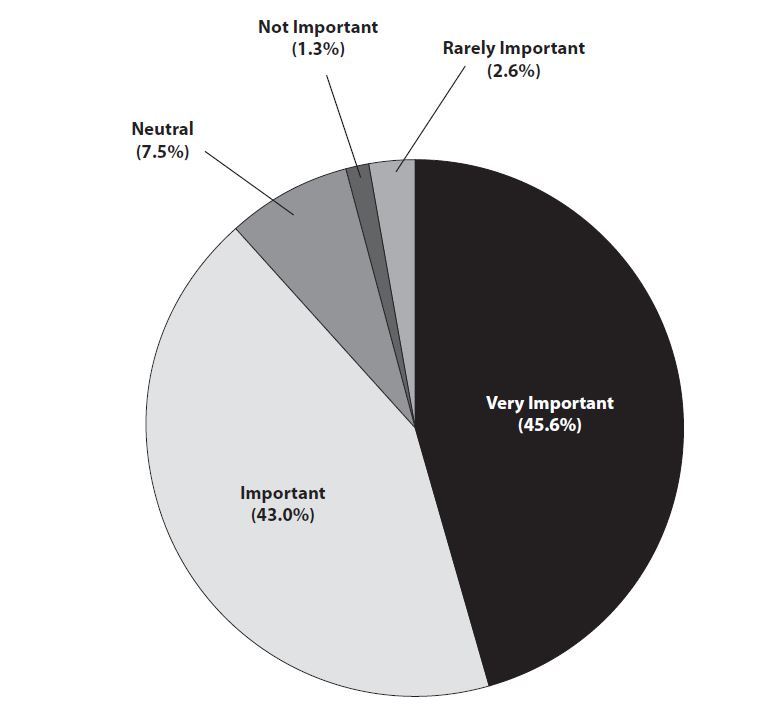
We sent the survey to 1,932 EPs via 4 American College of Emergency Physicians (ACEP) email lists. As a result, 228 (11.8%) of email list members from 31 states and the District of Columbia completed the survey. Most respondents preferred electronic prehospital PCRs as opposed to handwritten prehospital PCRs (52.2% [95% confidence interval (CI): 49.1, 55.3] vs. 17.1% [95%CI: 11.7, 22.5]). The remaining respondents (30.5% [95%CI: 26.0, 35.0]) had no preference or had seen only one type of PCR. Of the respondents, 45.6% [95%CI: 42.1, 48.7] stated PCRs were "very important" while 43.0% [95% CI: 39.3, 46.7] rated PCRs as "important" in their ED practice. Most respondents (79.6% [95%CI: 76.5, 82.7]) reported electronic prehospital PCRs were available ≤50% of the time for medical decision-making while 20.4% [95%CI: 9.2, 31.6] reported that electronic prehospital PCRs were available > 50% of the time (P=0.00). A majority of participants (77.6% [95%CI: 74.5, 80.7]) reported that handwritten prehospital PCRs were available ≥ 50% while 22.4% [95%CI: 11.8, 33.0] of the time for medical decision-making (P=0.00).
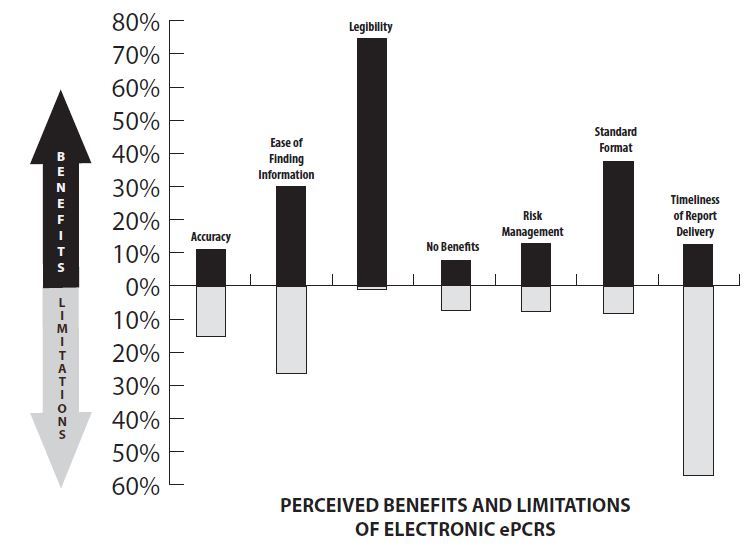
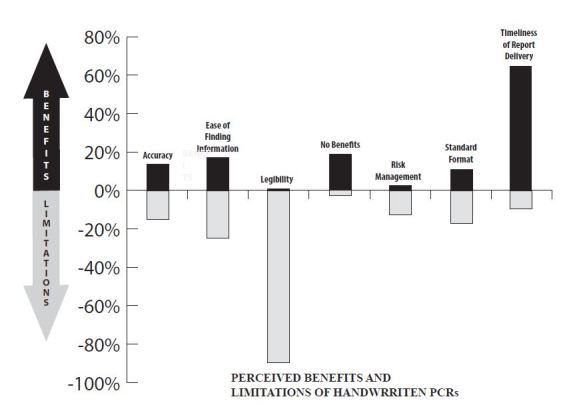
EPs in this study felt that prehospital PCRs were important to their ED practice and preferred electronic prehospital PCRs over handwritten PCRs. However, most electronic prehospital PCRs were unavailable at the time of ED medical decision-making. Although handwritten prehospital PCRs were more readily available, legibility and accuracy were reported concerns. This study suggest that strategies should be devised to improve the overall accuracy of PCRs and assure that electronic prehospital PCRs are delivered to the receiving ED in time for consideration in ED medical decision-making.
旨在确定急诊医师(EP)对院前患者护理报告(PCR)的意见,以及在急诊部(ED)医疗决策时此类报告是否可用。
对 EP 进行前瞻性、横断面、电子网络调查,了解 ED 医疗决策时对院前 PCR 的偏好和可用性。
我们通过美国急诊医师学院(ACEP)的 4 个电子邮件列表向 1932 名 EP 发送了调查。结果,来自 31 个州和哥伦比亚特区的 228 名(11.8%[95%置信区间(CI):49.1,55.3])电子邮件列表成员完成了调查。大多数受访者更喜欢电子院前 PCR,而不是手写的院前 PCR(52.2%[95%CI:49.1,55.3] 与 17.1%[95%CI:11.7,22.5])。其余的受访者(30.5%[95%CI:26.0,35.0])没有偏好,或者只见过一种 PCR。在受访者中,45.6%[95%CI:42.1,48.7]表示 PCR“非常重要”,而 43.0%[95%CI:39.3,46.7]则将 PCR 评定为 ED 实践中的“重要”。大多数受访者(79.6%[95%CI:76.5,82.7])报告说,电子院前 PCR 在医疗决策时的可用性≤50%,而 20.4%[95%CI:9.2,31.6]报告说,电子院前 PCR 的可用性>50%(P=0.00)。大多数参与者(77.6%[95%CI:74.5,80.7])报告说,手写的院前 PCR 在医疗决策时的可用性≥50%,而 22.4%[95%CI:11.8,33.0](P=0.00)。
本研究中的 EP 认为,院前 PCR 对他们的 ED 实践很重要,他们更喜欢电子院前 PCR 而不是手写 PCR。然而,大多数电子院前 PCR 在 ED 医疗决策时无法获得。尽管手写的院前 PCR 更容易获得,但报告的可读性和准确性令人担忧。本研究表明,应制定策略来提高 PCR 的整体准确性,并确保电子院前 PCR 及时送达接收的 ED,以便在 ED 医疗决策中进行考虑。