Department of Otorhinolaryngology, Medical University of Vienna, Vienna, Austria.
Clin Exp Allergy. 2013 Nov;43(11):1202-16. doi: 10.1111/cea.12128.
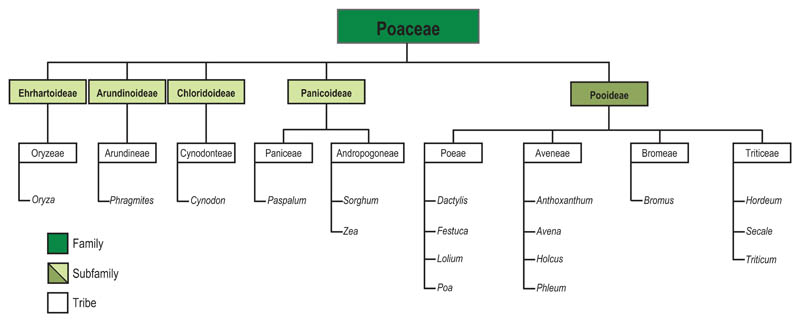
Grass pollen allergy affects approximately 40% of allergic patients. Subcutaneous allergen immunotherapy (SCIT) is the only allergen-specific and disease-modifying treatment available. Currently available therapeutic vaccines for the treatment of grass pollen allergy are based on natural grass pollen extracts which are either made from pollen of one cross-reactive grass species or from several related grass species. Clinical studies have shown that SCIT performed with timothy grass pollen extract is effective for the treatment of grass pollen allergy. Moreover, it has been demonstrated that recombinant timothy grass pollen allergens contain the majority of relevant epitopes and can be used for SCIT in clinical trials. However, recent in vitro studies have suggested that mixes consisting of allergen extracts from several related grass species may have advantages for SCIT over single allergen extracts. Here, we review current knowledge regarding the disease-relevant allergens in grass pollen allergy, available clinical studies comparing SCIT with allergen extracts from timothy grass or from mixes of several related grass species of the Pooideae subfamily, in vitro cross-reactivity studies performed with natural allergen extracts and recombinant allergens and SCIT studies performed with recombinant timothy grass pollen allergens. In vitro and clinical studies performed with natural allergen extracts reveal no relevant advantages of using multiple grass mixes as opposed to single grass pollen extracts. Several studies analysing the molecular composition of natural allergen extracts and the molecular profile of patients' immune responses after SCIT with allergen extracts indicate that the major limitation for the production of a high quality grass pollen vaccine resides in intrinsic features of natural allergen extracts which can only be overcome with recombinant allergen-based technologies.
花粉过敏症影响大约 40%的过敏患者。皮下变应原免疫疗法(SCIT)是唯一可用的变应原特异性和疾病修饰治疗方法。目前可用于治疗花粉过敏症的治疗性疫苗基于天然花粉提取物,这些提取物要么来自一种交叉反应性草种的花粉,要么来自几种相关草种。临床研究表明,用梯牧草花粉提取物进行 SCIT 对治疗花粉过敏症有效。此外,已经证明重组梯牧草花粉过敏原包含大多数相关表位,可用于临床试验中的 SCIT。然而,最近的体外研究表明,由几种相关草种的过敏原提取物组成的混合物可能比单一过敏原提取物在 SCIT 中具有优势。在这里,我们回顾了有关花粉过敏症中与疾病相关的过敏原的现有知识,比较了 SCIT 与梯牧草过敏原提取物或几种 Poaceae 亚科相关草种混合物的临床研究,用天然过敏原提取物和重组过敏原进行的体外交叉反应性研究以及用重组梯牧草花粉过敏原进行的 SCIT 研究。用天然过敏原提取物进行的体外和临床研究表明,与使用单一草花粉提取物相比,使用多种草混合物没有任何相关优势。几项分析天然过敏原提取物的分子组成和 SCIT 后患者免疫反应的分子特征的研究表明,生产高质量花粉疫苗的主要限制在于天然过敏原提取物的固有特性,只有使用基于重组过敏原的技术才能克服这些特性。