Division of Immunopathology, Department of Pathophysiology and Allergy Research, Center for Pathophysiology, Infectiology and Immunology, Medical University of Vienna, Vienna, Austria.
Laboratory of Immunopathology, Department of Clinical Immunology and Allergology, Sechenov First Moscow State Medical University, Moscow, Russia.
Front Immunol. 2020 Jul 7;11:1368. doi: 10.3389/fimmu.2020.01368. eCollection 2020.
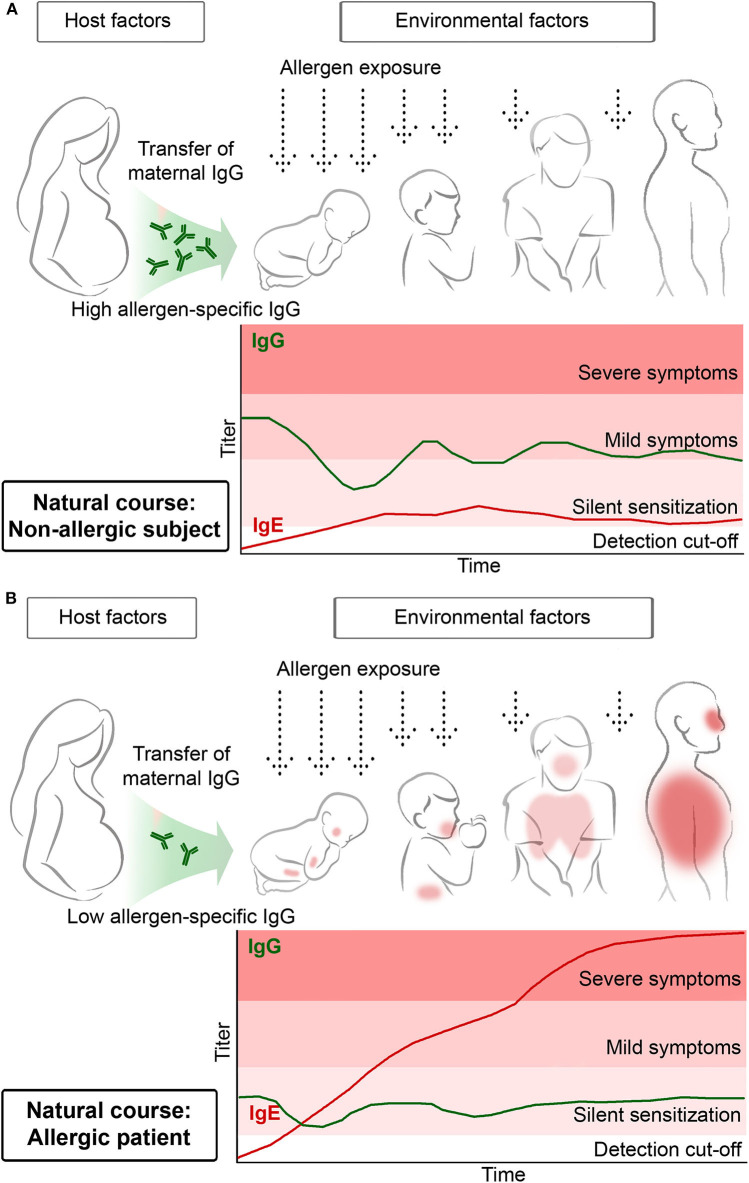
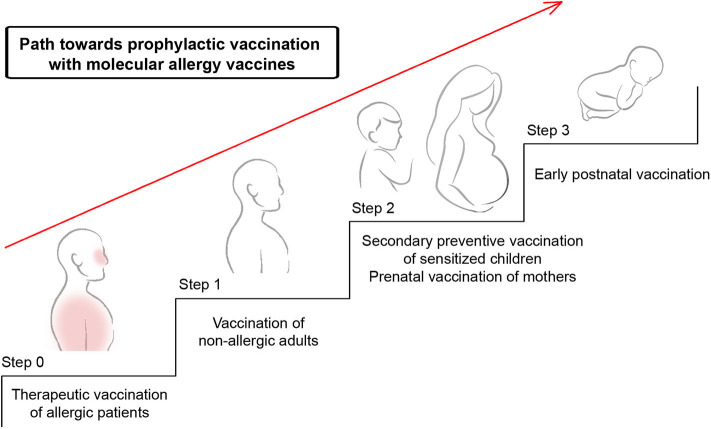
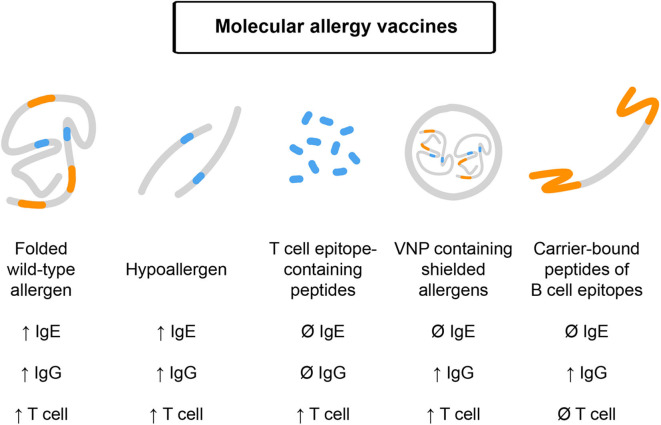
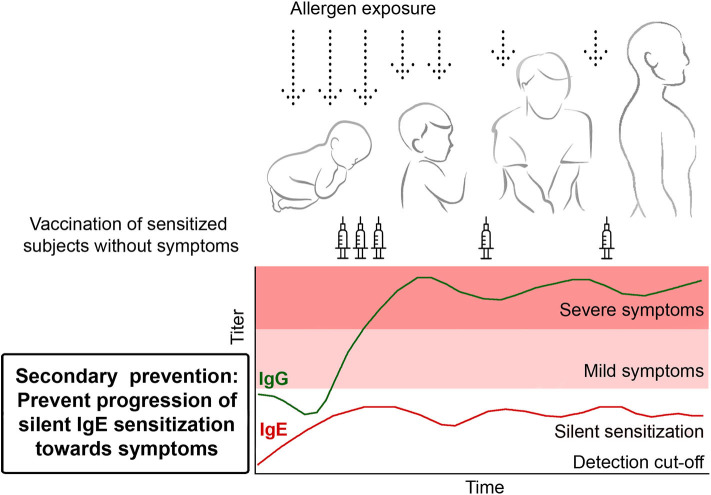
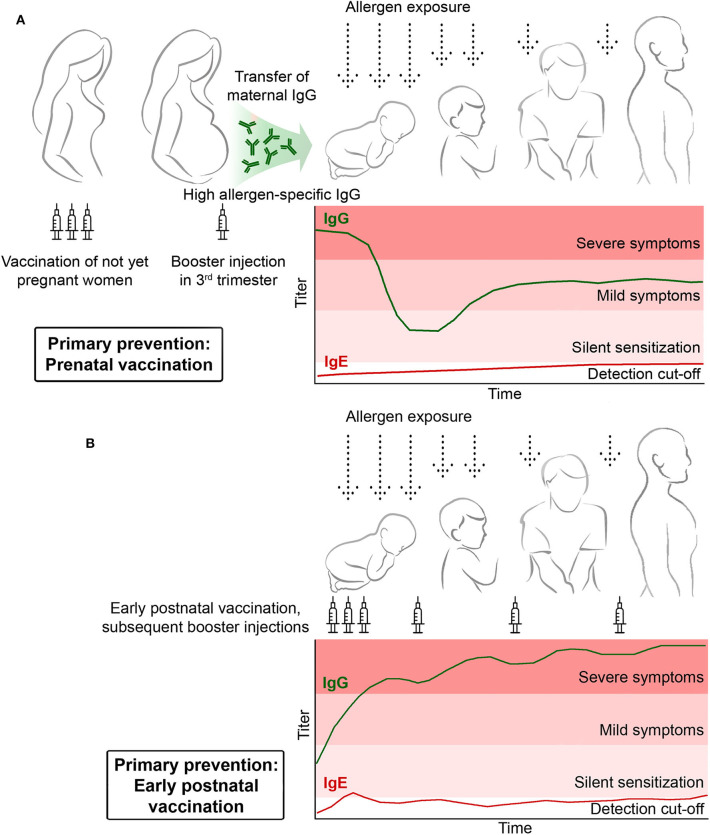
Vaccines for infectious diseases have improved the life of the human species in a tremendous manner. The principle of vaccination is to establish adaptive immune response consisting of antibody and T cell responses against pathogens which should defend the vaccinated person against future challenge with the culprit pathogen. The situation is completely different for immunoglobulin E (IgE)-associated allergy, an immunologically-mediated hypersensitivity which is already characterized by increased IgE antibody levels and T cell responses against innocuous antigens (i.e., allergens). Thus, allergic patients suffer from a deviated hyper-immunity against allergens leading to inflammation upon allergen contact. Paradoxically, vaccination with allergens, termed allergen-specific immunotherapy (AIT), induces a counter immune response based on the production of high levels of allergen-specific IgG antibodies and alterations of the adaptive cellular response, which reduce allergen-induced symptoms of allergic inflammation. AIT was even shown to prevent the progression of mild to severe forms of allergy. Consequently, AIT can be considered as a form of therapeutic vaccination. In this article we describe a strategy and possible road map for the use of an AIT approach for prophylactic vaccination against allergy which is based on new molecular allergy vaccines. This road map includes the use of AIT for secondary preventive vaccination to stop the progression of clinically silent allergic sensitization toward symptomatic allergy and ultimately the prevention of allergic sensitization by maternal vaccination and/or early primary preventive vaccination of children. Prophylactic allergy vaccination with molecular allergy vaccines may allow halting the allergy epidemics affecting almost 30% of the population as it has been achieved for vaccination against infectious diseases.
用于传染病的疫苗以巨大的方式改善了人类的生活。疫苗接种的原则是建立针对病原体的适应性免疫应答,该应答由抗体和 T 细胞应答组成,以保护接种者免受未来病原体的挑战。对于免疫球蛋白 E(IgE)相关过敏的情况则完全不同,这是一种免疫介导的超敏反应,其特征已经是 IgE 抗体水平增加和针对无害抗原(即过敏原)的 T 细胞应答。因此,过敏患者患有针对过敏原的偏差超免疫,导致过敏原接触时发生炎症。矛盾的是,用过敏原进行疫苗接种,称为过敏原特异性免疫疗法(AIT),会根据产生高水平的过敏原特异性 IgG 抗体和适应性细胞应答的改变来诱导对抗免疫应答,从而减少过敏原诱导的过敏炎症症状。AIT 甚至被证明可以预防轻度至重度过敏形式的进展。因此,AIT 可以被认为是一种治疗性疫苗接种。在本文中,我们描述了一种使用 AIT 方法进行预防过敏的策略和可能的路线图,该策略基于新型分子过敏原疫苗。该路线图包括使用 AIT 进行二级预防接种,以阻止向有症状过敏发展的临床无症状过敏致敏的进展,最终通过母体疫苗接种和/或儿童早期初级预防接种预防过敏致敏。用分子过敏原疫苗进行预防性过敏接种可能允许阻止影响近 30%人口的过敏流行,就像已经实现针对传染病的疫苗接种那样。