CNRS, Université de Strasbourg, UMR7242, Ecole Supérieure de Biotechnologie de Strasbourg, and Medalis/Labex, Drug Discovery Center, Illkirch, France.
J Am Heart Assoc. 2013 Oct 23;2(5):e000411. doi: 10.1161/JAHA.113.000411.
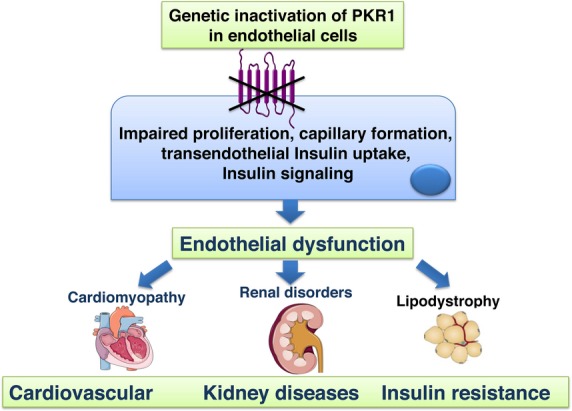
Reciprocal relationships between endothelial dysfunction and insulin resistance result in a vicious cycle of cardiovascular, renal, and metabolic disorders. The mechanisms underlying these impairments are unclear. The peptide hormones prokineticins exert their angiogenic function via prokineticin receptor-1 (PKR1). We explored the extent to which endothelial PKR1 contributes to expansion of capillary network and the transcapillary passage of insulin into the heart, kidney, and adipose tissues, regulating organ functions and metabolism in a specific mice model.
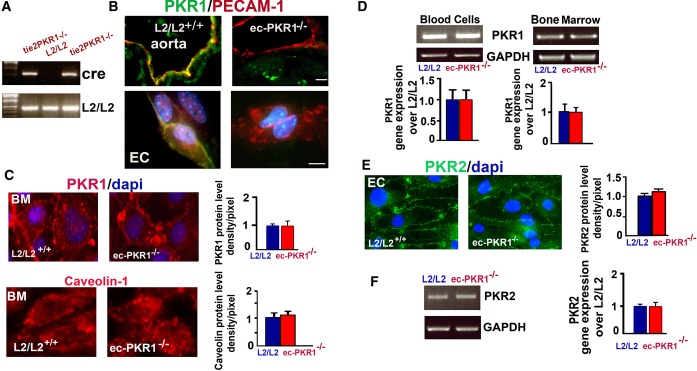
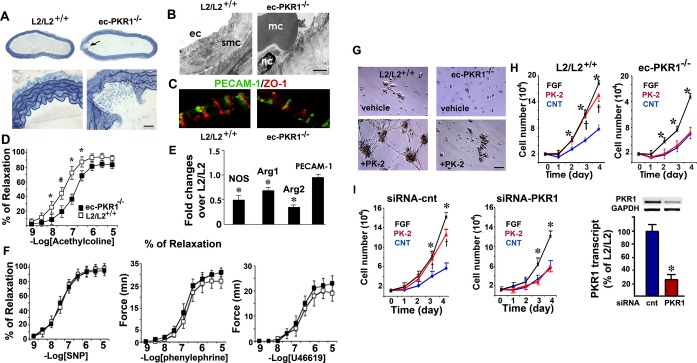
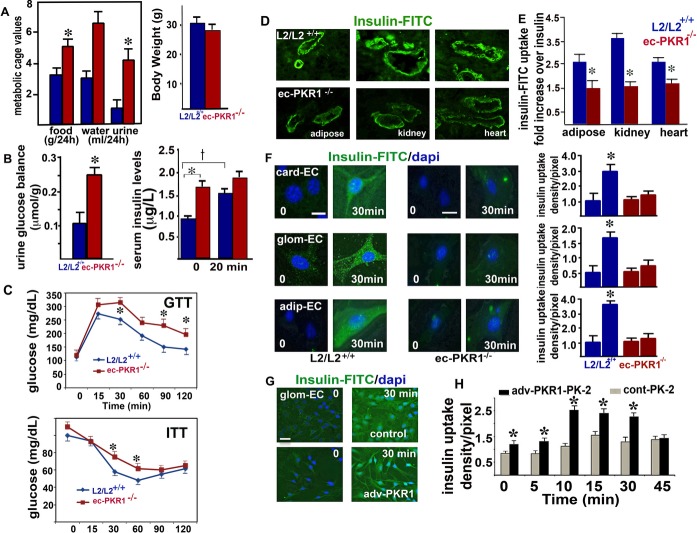
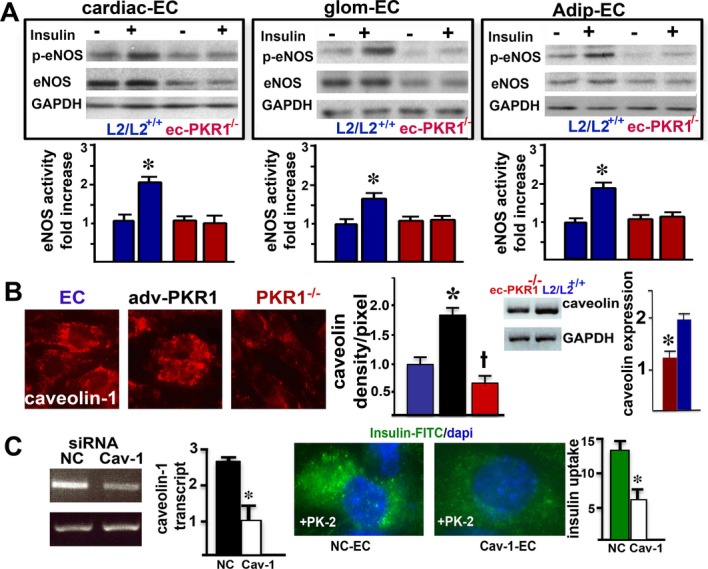
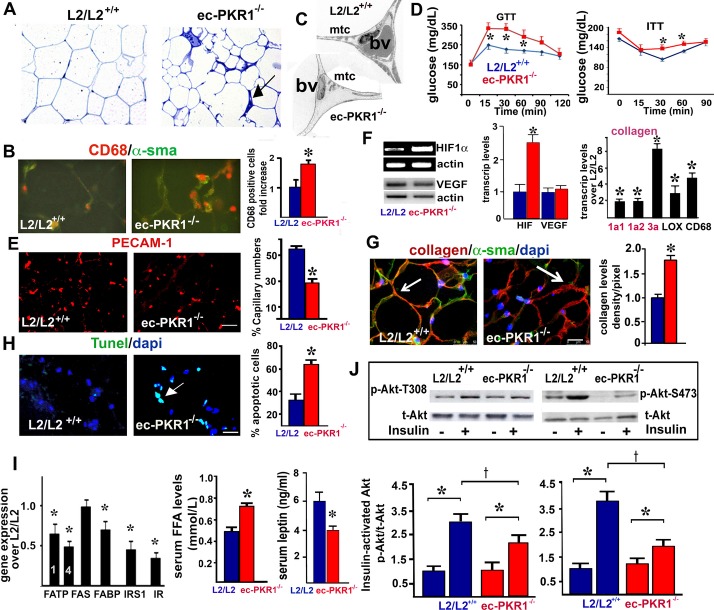
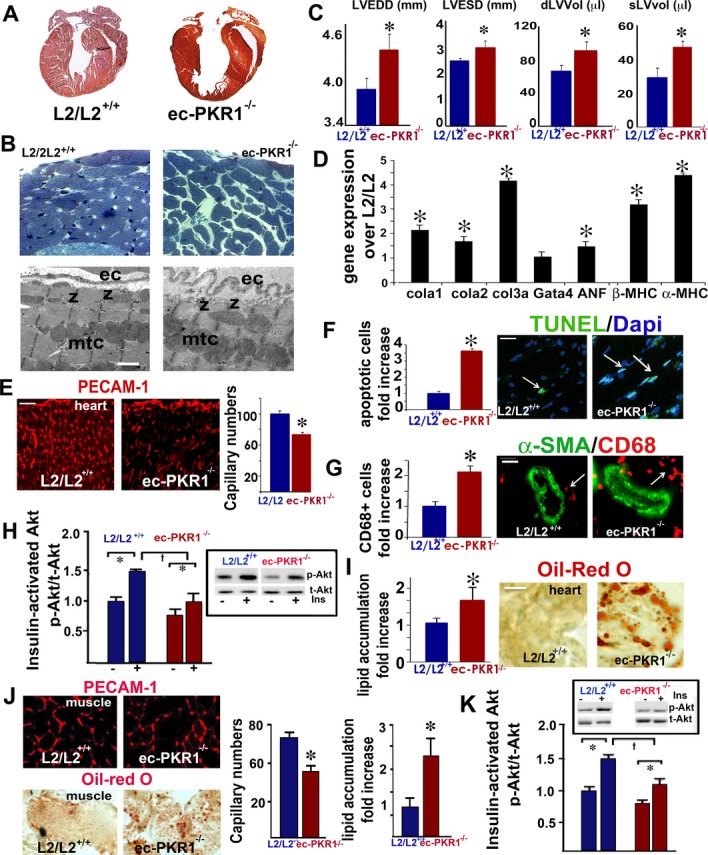
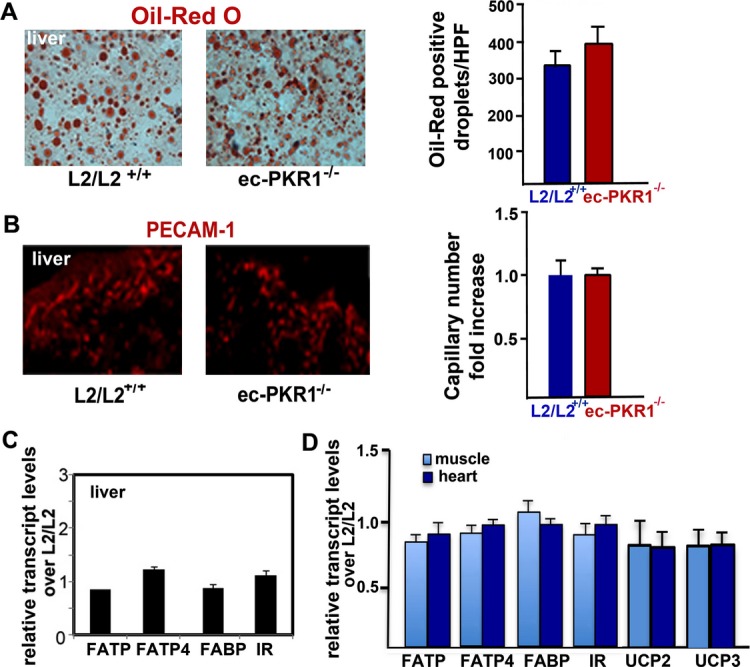
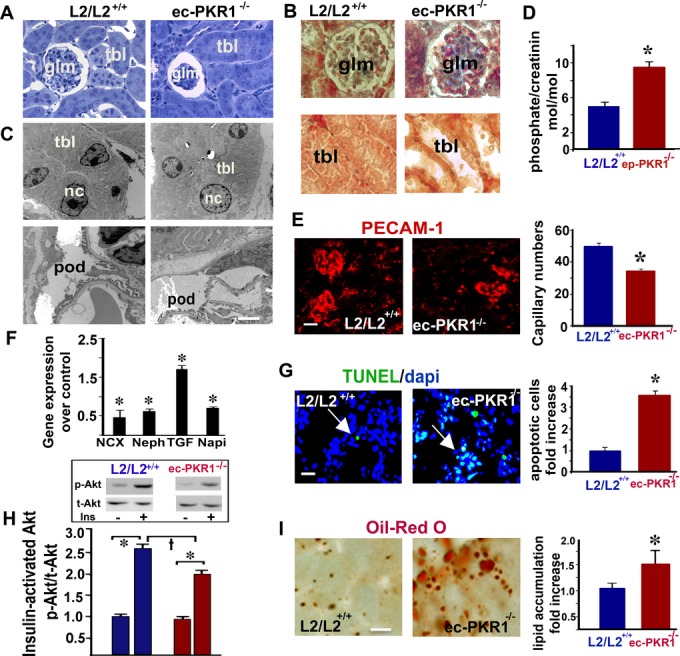
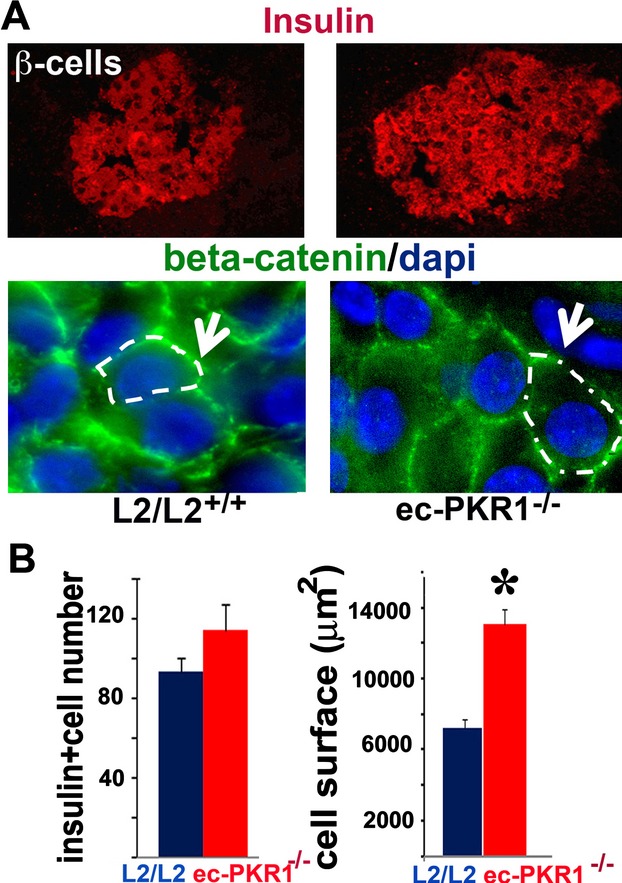
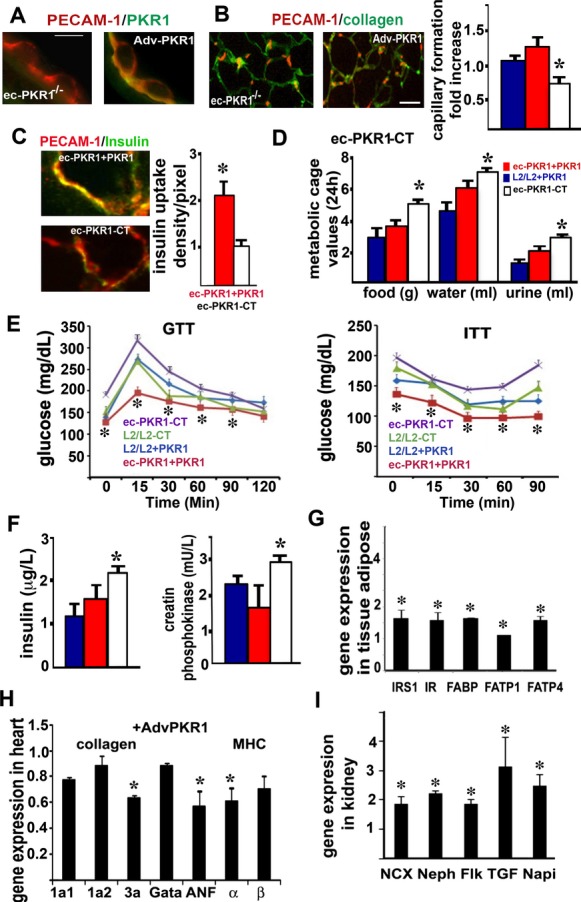
By combining cellular studies and studies in endothelium-specific loss-of-function mouse model (ec-PKR1-/-), we showed that a genetically induced PKR1 loss in the endothelial cells causes the impaired capillary formation and transendothelial insulin delivery, leading to insulin resistance and cardiovascular and renal disorders. Impaired insulin delivery in endothelial cells accompanied with defective expression and activation of endothelial nitric oxide synthase in the ec-PKR1-/- aorta, consequently diminishing endothelium-dependent relaxation. Despite having a lean body phenotype, ec-PKR1-/- mice exhibited polyphagia, polydipsia, polyurinemia, and hyperinsulinemia, which are reminiscent of human lipodystrophy. High plasma free fatty acid levels and low leptin levels further contribute to the development of insulin resistance at the later age. Peripheral insulin resistance and ectopic lipid accumulation in mutant skeletal muscle, heart, and kidneys were accompanied by impaired insulin-mediated Akt signaling in these organs. The ec-PKR1-/- mice displayed myocardial fibrosis, low levels of capillary formation, and high rates of apoptosis, leading to diastolic dysfunction. Compact fibrotic glomeruli and high levels of phosphate excretion were found in mutant kidneys. PKR1 restoration in ec-PKR1-/- mice reversed the decrease in capillary recruitment and insulin uptake and improved heart and kidney function and insulin resistance.
We show a novel role for endothelial PKR1 signaling in cardiac, renal, and metabolic functions by regulating transendothelial insulin uptake and endothelial cell proliferation. Targeting endothelial PKR1 may serve as a therapeutic strategy for ameliorating these disorders.
内皮功能障碍和胰岛素抵抗之间的相互关系导致心血管、肾脏和代谢紊乱的恶性循环。这些损伤的机制尚不清楚。肽激素促动力素通过促动力素受体-1(PKR1)发挥其血管生成功能。我们探索了内皮 PKR1 在多大程度上促进毛细血管网络的扩张以及胰岛素向心脏、肾脏和脂肪组织的跨毛细血管传递,从而在特定的小鼠模型中调节器官功能和代谢。
通过结合细胞研究和内皮细胞特异性功能丧失小鼠模型(ec-PKR1-/-)的研究,我们表明内皮细胞中基因诱导的 PKR1 缺失导致毛细血管形成受损和跨内皮胰岛素传递受损,导致胰岛素抵抗和心血管及肾脏疾病。ec-PKR1-/-主动脉内皮细胞中胰岛素传递受损伴随着内皮型一氧化氮合酶表达和激活的缺陷,从而减少内皮依赖性松弛。尽管 ec-PKR1-/-小鼠具有瘦体型表型,但它们表现出多食、多饮、多尿和高胰岛素血症,这些与人类脂肪营养不良相似。高血浆游离脂肪酸水平和低瘦素水平进一步导致老年时胰岛素抵抗的发展。在突变骨骼肌、心脏和肾脏中,外周胰岛素抵抗和异位脂质积累伴随着这些器官中胰岛素介导的 Akt 信号转导受损。ec-PKR1-/-小鼠表现出心肌纤维化、毛细血管形成水平低和细胞凋亡率高,导致舒张功能障碍。突变肾脏中发现致密的纤维性肾小球和高磷酸盐排泄水平。ec-PKR1-/-小鼠中 PKR1 的恢复逆转了毛细血管募集和胰岛素摄取的减少,并改善了心脏和肾脏功能以及胰岛素抵抗。
我们通过调节跨内皮胰岛素摄取和内皮细胞增殖,显示内皮 PKR1 信号在心脏、肾脏和代谢功能中的新作用。靶向内皮 PKR1 可能是改善这些疾病的一种治疗策略。