1] Inserm UMR1073, Nutrition, Gut and Brain Laboratory, Rouen 76183, France [2] Institute for Research and Innovation in Biomedicine (IRIB), Rouen University, Normandy University, Rouen 76183, France [3] Department of Psychosomatic Internal Medicine, Kagoshima University Graduate School of Medical and Dental Sciences, Kagoshima 890-8520, Japan [4].
Nat Commun. 2013;4:2685. doi: 10.1038/ncomms3685.
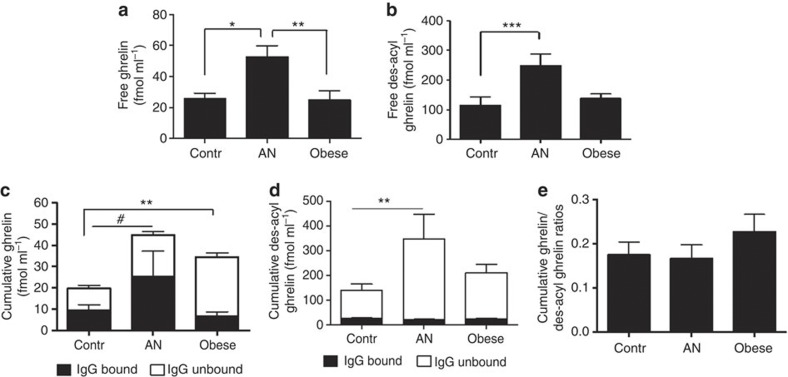
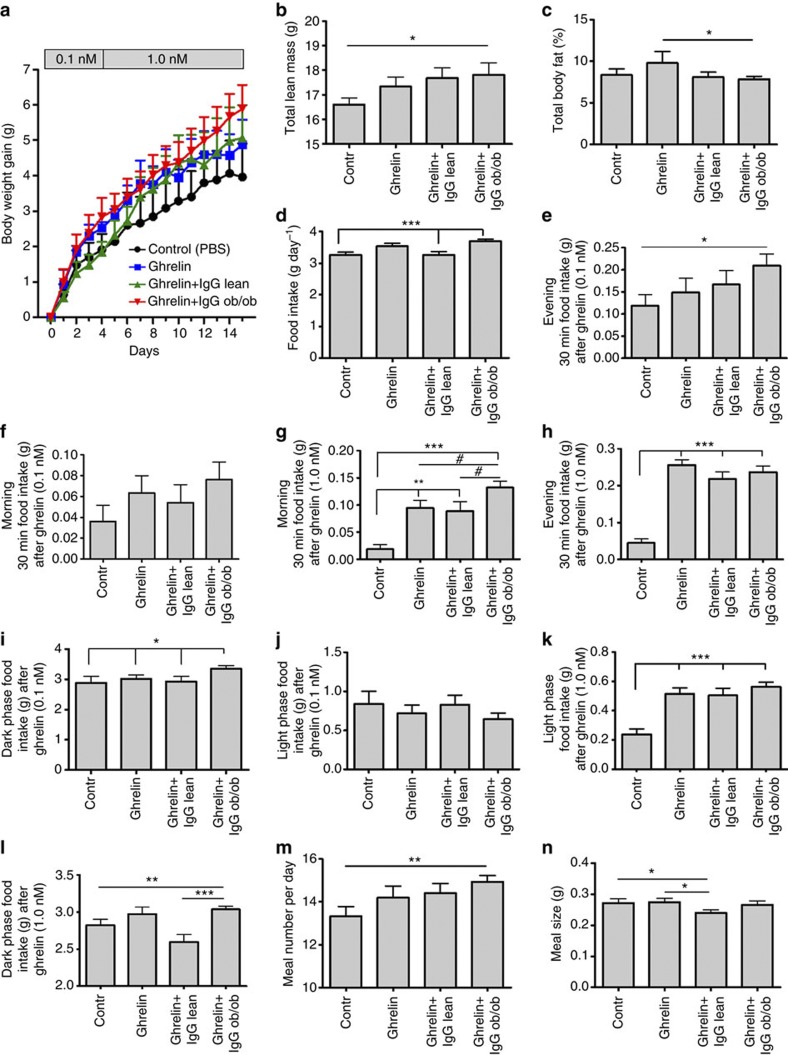
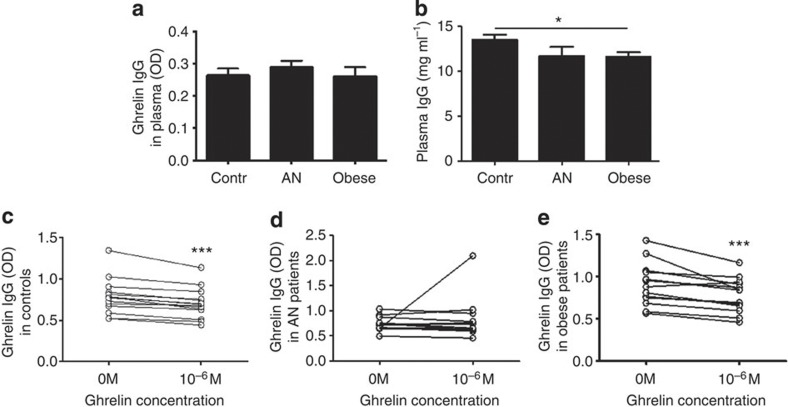
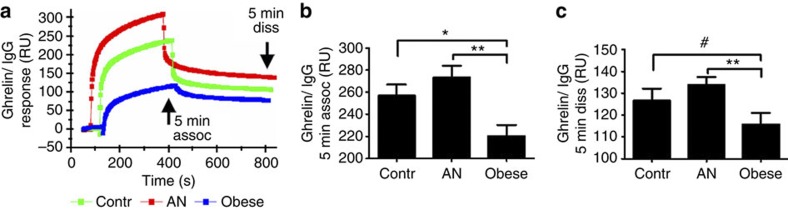
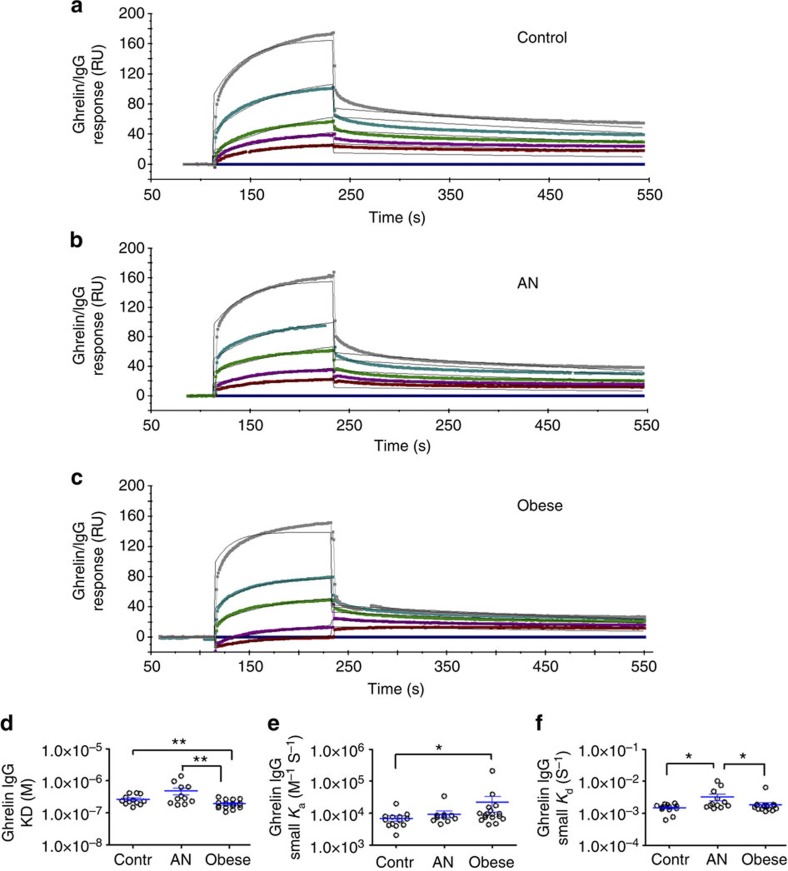
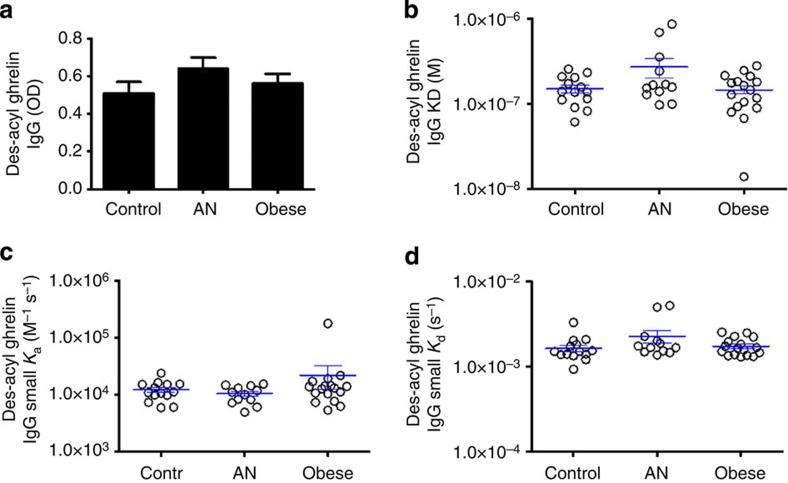
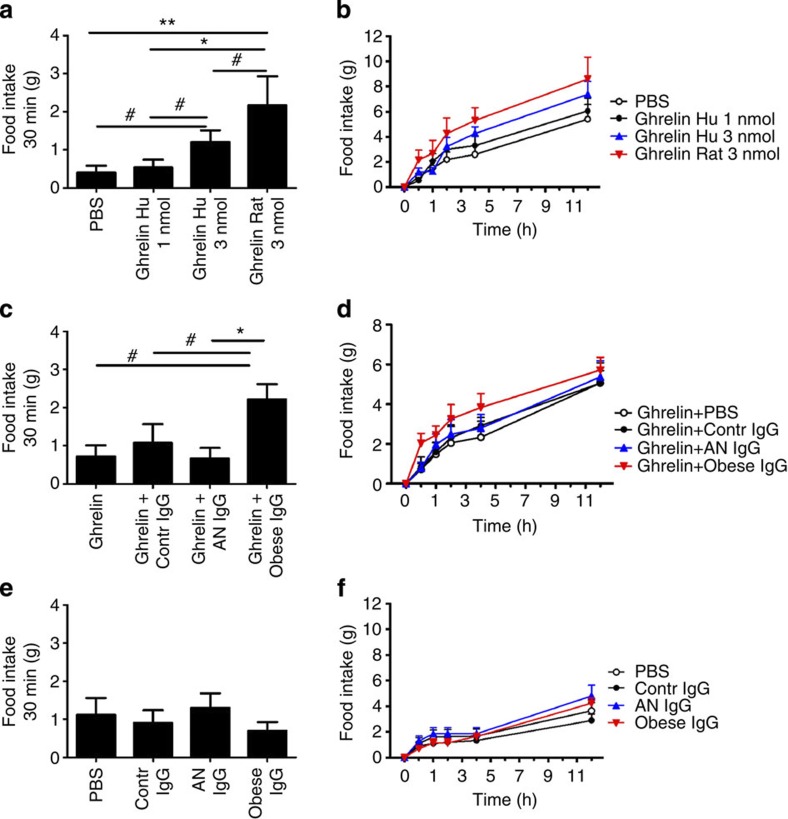
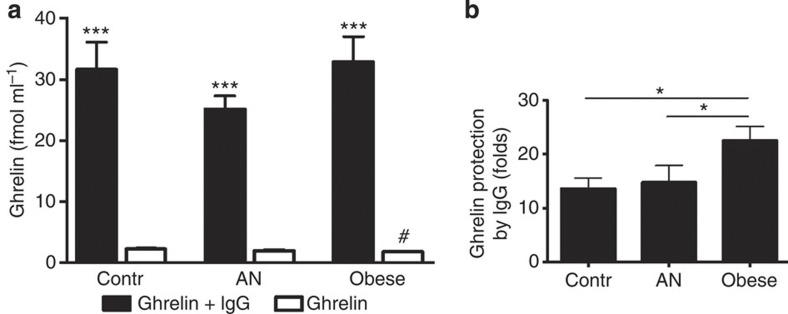
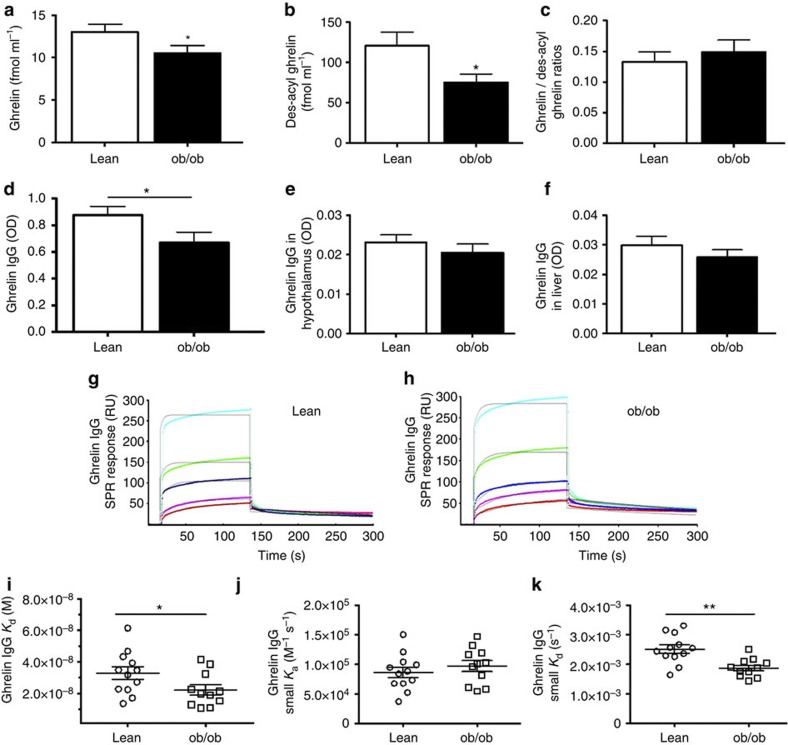
Obese individuals often have increased appetite despite normal plasma levels of the main orexigenic hormone ghrelin. Here we show that ghrelin degradation in the plasma is inhibited by ghrelin-reactive IgG immunoglobulins, which display increased binding affinity to ghrelin in obese patients and mice. Co-administration of ghrelin together with IgG from obese individuals, but not with IgG from anorectic or control patients, increases food intake in rats. Similarly, chronic injections of ghrelin together with IgG from ob/ob mice increase food intake, meal frequency and total lean body mass of mice. These data reveal that in both obese humans and mice, IgG with increased affinity for ghrelin enhances ghrelin's orexigenic effect, which may contribute to increased appetite and overeating.
肥胖个体的血浆主要食欲激素胃饥饿素水平正常,但食欲却常常增加。在这里,我们发现血浆中的胃饥饿素降解受到胃饥饿素反应性 IgG 免疫球蛋白的抑制,而肥胖患者和肥胖小鼠的这种 IgG 对胃饥饿素的结合亲和力增加。将胃饥饿素与肥胖个体的 IgG 共同给予大鼠,而不是与厌食症或对照个体的 IgG 共同给予,会增加大鼠的食物摄入量。同样,慢性给予肥胖 ob/ob 小鼠的 IgG 与胃饥饿素一起,会增加小鼠的食物摄入量、进食频率和总瘦体重。这些数据表明,在肥胖的人类和小鼠中,对胃饥饿素亲和力增加的 IgG 增强了胃饥饿素的食欲刺激作用,这可能导致食欲增加和暴饮暴食。