Verna & Marrs McLean Department of Biochemistry and Molecular Biology, Baylor College of Medicine, Houston, Texas, United States of America.
PLoS Genet. 2013 Nov;9(11):e1003901. doi: 10.1371/journal.pgen.1003901. Epub 2013 Nov 7.
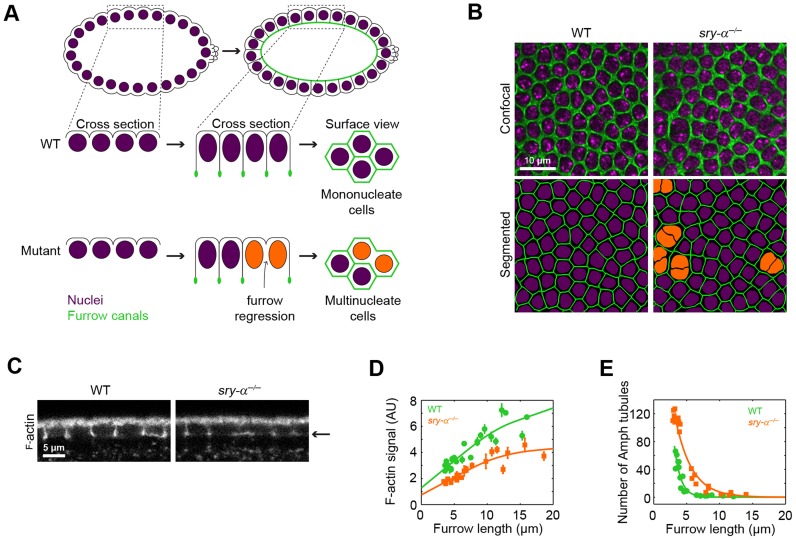
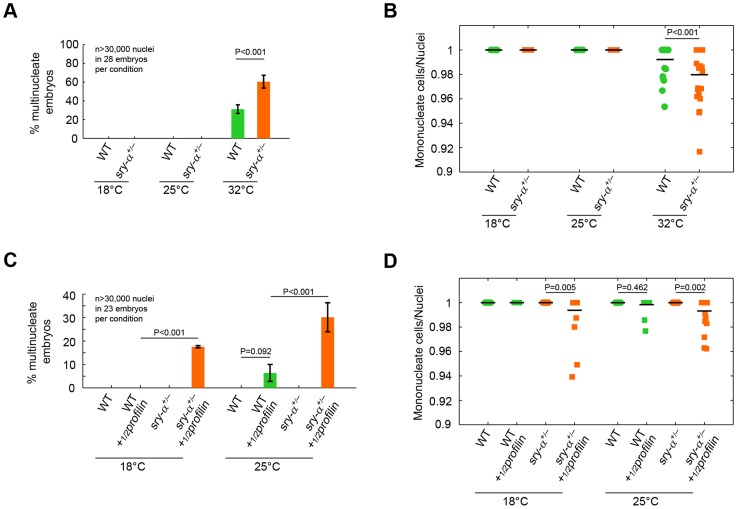
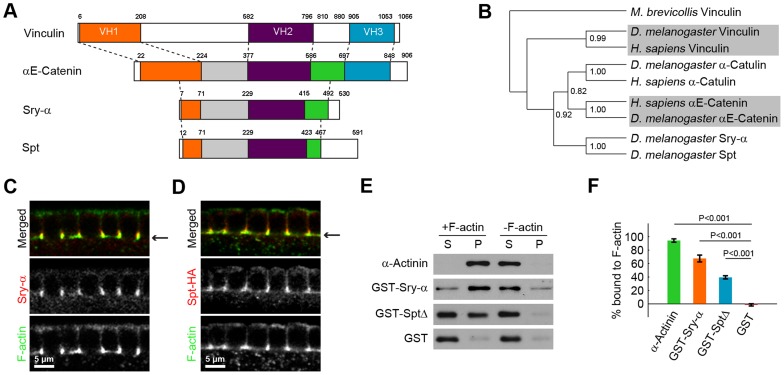
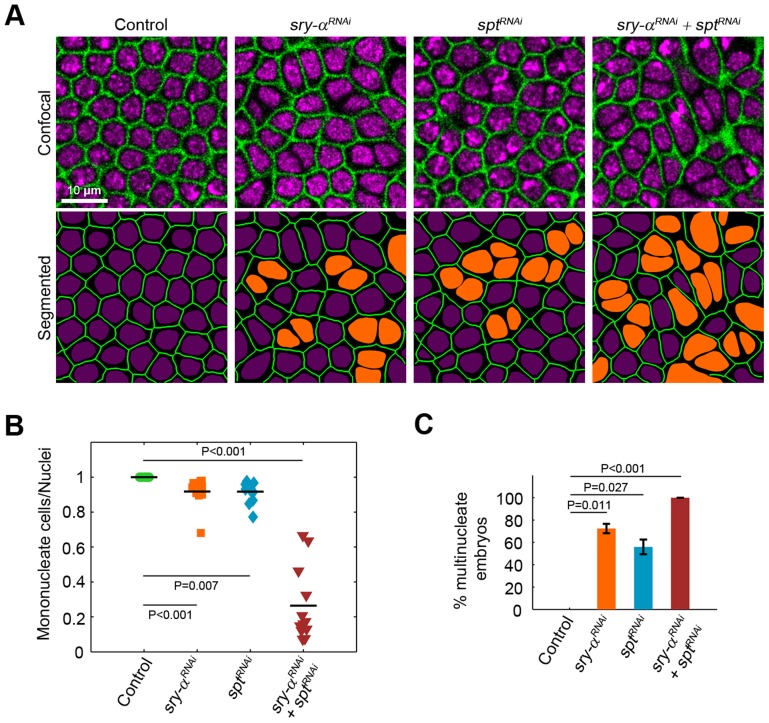
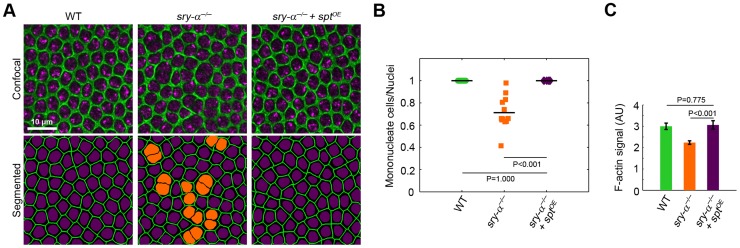
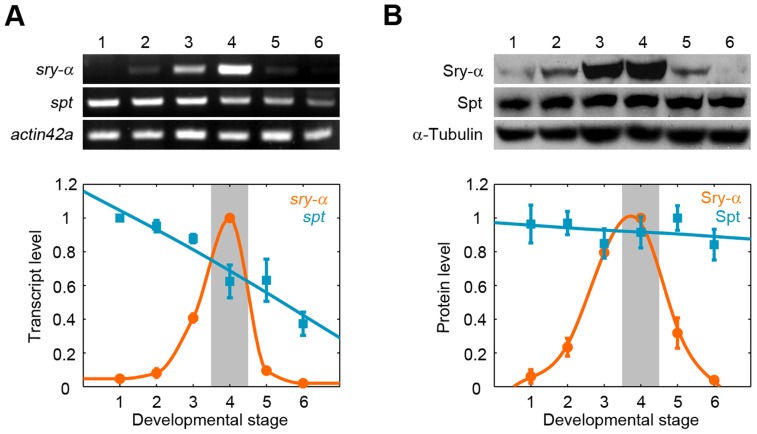
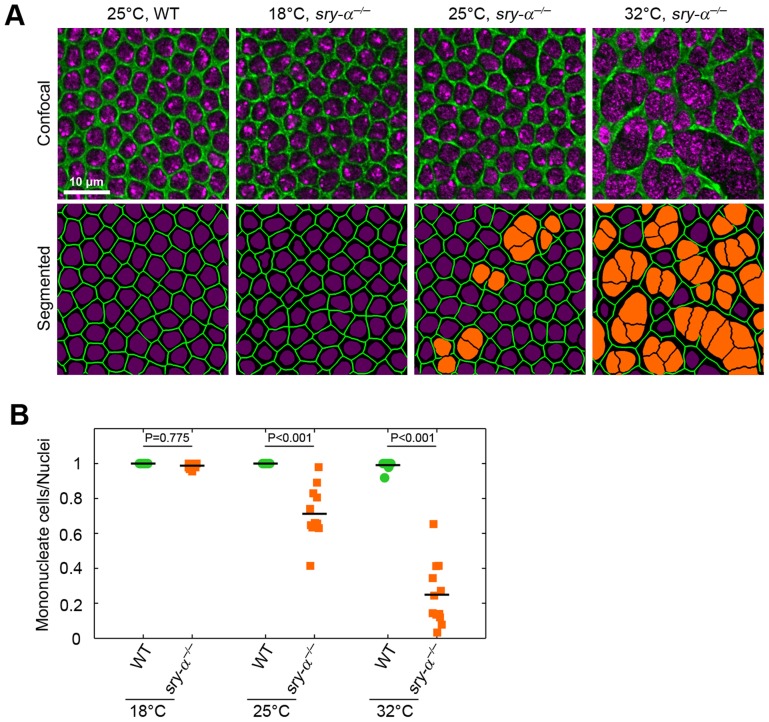
Robustness is a property built into biological systems to ensure stereotypical outcomes despite fluctuating inputs from gene dosage, biochemical noise, and the environment. During development, robustness safeguards embryos against structural and functional defects. Yet, our understanding of how robustness is achieved in embryos is limited. While much attention has been paid to the role of gene and signaling networks in promoting robust cell fate determination, little has been done to rigorously assay how mechanical processes like morphogenesis are designed to buffer against variable conditions. Here we show that the cell shape changes that drive morphogenesis can be made robust by mechanisms targeting the actin cytoskeleton. We identified two novel members of the Vinculin/α-Catenin Superfamily that work together to promote robustness during Drosophila cellularization, the dramatic tissue-building event that generates the primary epithelium of the embryo. We find that zygotically-expressed Serendipity-α (Sry-α) and maternally-loaded Spitting Image (Spt) share a redundant, actin-regulating activity during cellularization. Spt alone is sufficient for cellularization at an optimal temperature, but both Spt plus Sry-α are required at high temperature and when actin assembly is compromised by genetic perturbation. Our results offer a clear example of how the maternal and zygotic genomes interact to promote the robustness of early developmental events. Specifically, the Spt and Sry-α collaboration is informative when it comes to genes that show both a maternal and zygotic requirement during a given morphogenetic process. For the cellularization of Drosophilids, Sry-α and its expression profile may represent a genetic adaptive trait with the sole purpose of making this extreme event more reliable. Since all morphogenesis depends on cytoskeletal remodeling, both in embryos and adults, we suggest that robustness-promoting mechanisms aimed at actin could be effective at all life stages.
稳健性是生物系统的固有属性,可确保在基因剂量、生化噪声和环境等波动输入的情况下产生典型的结果。在发育过程中,稳健性可保护胚胎免受结构和功能缺陷的影响。然而,我们对胚胎中稳健性是如何实现的理解有限。虽然人们已经关注基因和信号网络在促进稳健的细胞命运决定中的作用,但在严格评估形态发生等机械过程如何设计来缓冲可变条件方面做得还很少。在这里,我们表明,驱动形态发生的细胞形状变化可以通过针对肌动蛋白细胞骨架的机制变得稳健。我们鉴定了 Vinculin/α-Catenin 超家族的两个新成员,它们共同作用以促进 Drosophila 细胞化过程中的稳健性,细胞化是生成胚胎主要上皮组织的剧烈组织构建事件。我们发现,合子表达的 Serendipity-α (Sry-α) 和母源加载的 Spitting Image (Spt) 在细胞化过程中具有冗余的、调节肌动蛋白的活性。Spt 本身在最佳温度下足以进行细胞化,但 Spt 加上 Sry-α 在高温下以及当肌动蛋白组装因遗传干扰而受损时都是必需的。我们的结果提供了一个清晰的例子,说明母源和合子基因组如何相互作用以促进早期发育事件的稳健性。具体来说,当涉及到在特定形态发生过程中既有母源要求又有合子要求的基因时,Spt 和 Sry-α 的协作具有信息性。对于 Drosophila 的细胞化,Sry-α及其表达谱可能代表一种遗传适应特征,其唯一目的是使这一极端事件更可靠。由于所有形态发生都依赖于细胞骨架重塑,无论是在胚胎中还是在成年中,我们建议针对肌动蛋白的稳健性促进机制可能在所有生命阶段都有效。