Bhalodia Nayan R, Nariya Pankaj B, Acharya R N, Shukla V J
Ph. D Scholars, Pharmaceutical Chemistry Laboratory, Institute for Post Graduate Teaching and Research in Ayurveda, Gujarat Ayurved University, Jamnagar, Gujarat, India.
Ayu. 2013 Apr;34(2):209-14. doi: 10.4103/0974-8520.119684.
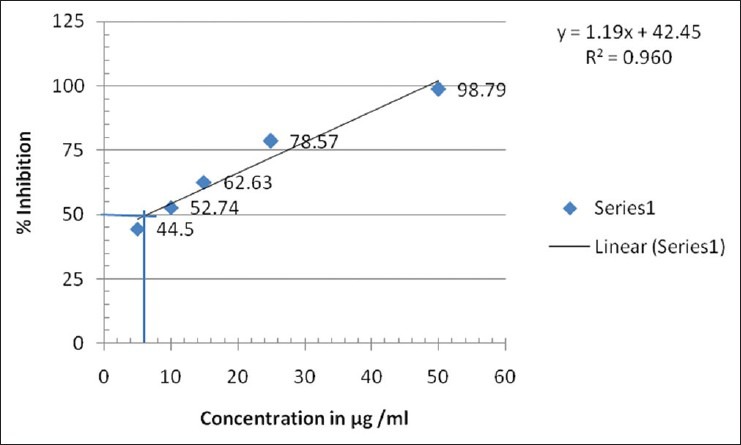
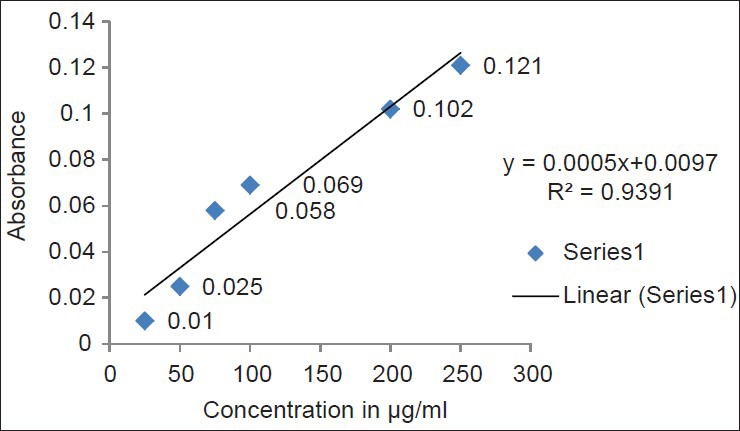
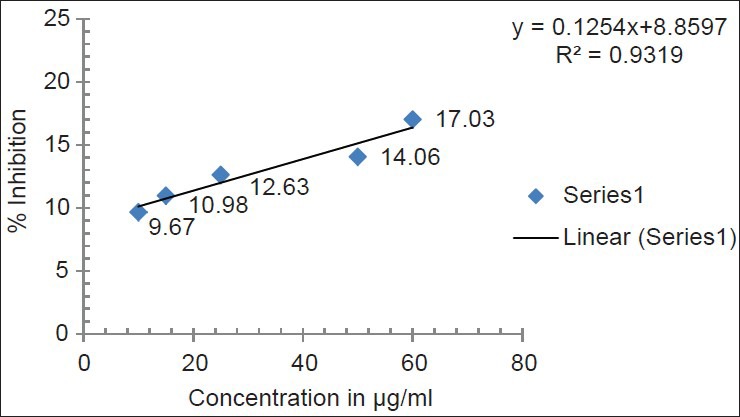
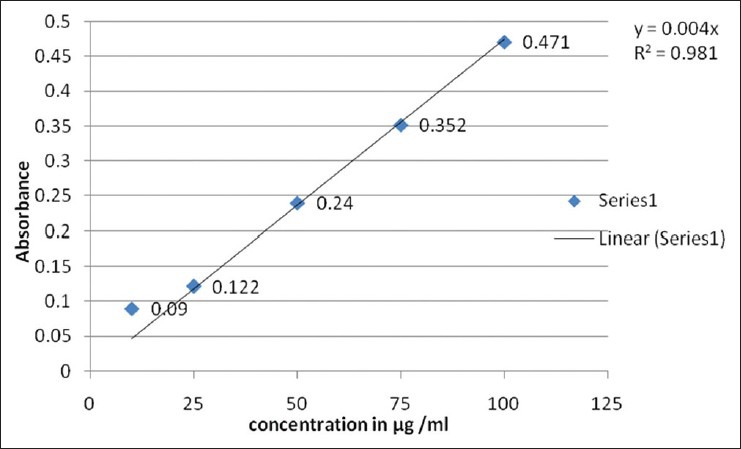
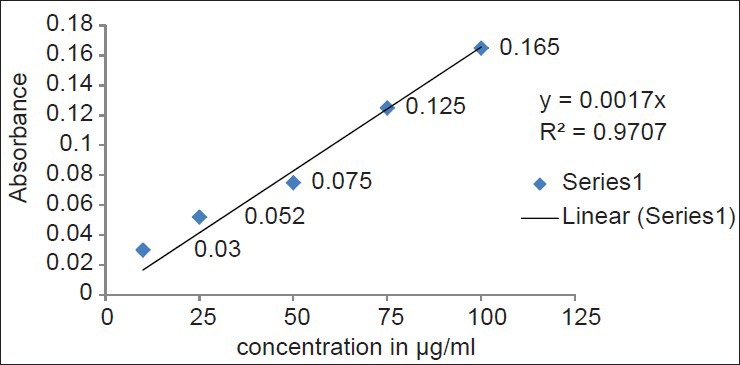
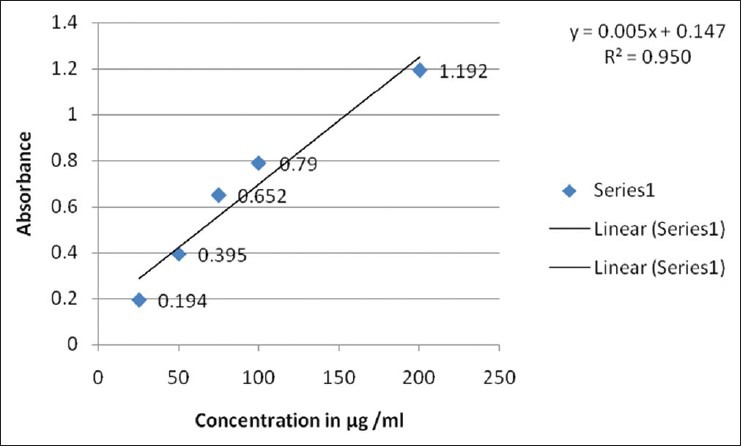
The present study is aimed to investigate antioxidant activity of the extracts of Cassia fistula Linn. (Leguminosae) fruit pulp. Cassia fistula Linn., a Indian Laburnum, is widely cultivated in various countries and different continents including Asia, Mauritius, South Africa, Mexico, China, West Indies, East Africa and Brazil as an ornamental tree for its beautiful bunches of yellow flowers and also used in traditional medicine for several indications. The primary phytochemical study and in vitro antioxidant study was performed on hydro alcoholic extract of fruit pulp. Phytochemical screening of the plant has shown the presence of phenolic compounds, fatty acids, flavonoids, tannins and glycosides. Phenolic content was measured using Folin-Ciocalteu reagent and was calculated as gallic acid equivalents. Antiradical activity of hydro alcoholic extract was measured by DPPH (2,2-diphenyl-1- picrylhydrazyl) assay and was compared to ascorbic acid. Ferric reducing power of the extract was also evaluated by Oyaizu method. In the present study, three methods were used for evaluation of antioxidant activity. First two methods were for direct measurement of radical scavenging activity and third method to evaluate the reducing power. Results indicate that hydro alcoholic fruit pulp extracts have marked amount of total phenols which could be responsible for the antioxidant activity. These in vitro assays indicate that this plant extract is a significant source of natural antioxidant, Cassia fistula fruit pulp extract shows lower activity in DPPH and total phenol content as compared with standard which might be helpful in preventing the progress of various oxidative stresses.
本研究旨在调查腊肠树(豆科)果肉提取物的抗氧化活性。腊肠树,一种印度金链花,因其美丽的黄色花束作为观赏树在包括亚洲、毛里求斯、南非、墨西哥、中国、西印度群岛、东非和巴西等不同国家和各大洲广泛种植,并且在传统医学中用于多种适应症。对果肉的水醇提取物进行了初步植物化学研究和体外抗氧化研究。对该植物的植物化学筛选表明存在酚类化合物、脂肪酸、黄酮类、单宁和糖苷。使用福林-西奥尔特试剂测量酚含量,并以没食子酸当量计算。通过DPPH(2,2-二苯基-1-苦基肼)法测量水醇提取物的抗自由基活性,并与抗坏血酸进行比较。提取物的铁还原能力也通过大井法进行评估。在本研究中,使用三种方法评估抗氧化活性。前两种方法用于直接测量自由基清除活性,第三种方法用于评估还原能力。结果表明,水醇果肉提取物含有大量总酚,这可能是其抗氧化活性的原因。这些体外试验表明,这种植物提取物是天然抗氧化剂的重要来源,腊肠树果实果肉提取物在DPPH和总酚含量方面与标准品相比活性较低,这可能有助于预防各种氧化应激的进展。