Hepatitis C Research Group, Institute for Biomedical Research, University of Birmingham, Birmingham, UK.
Hepatology. 2014 Apr;59(4):1320-30. doi: 10.1002/hep.26911. Epub 2014 Feb 25.
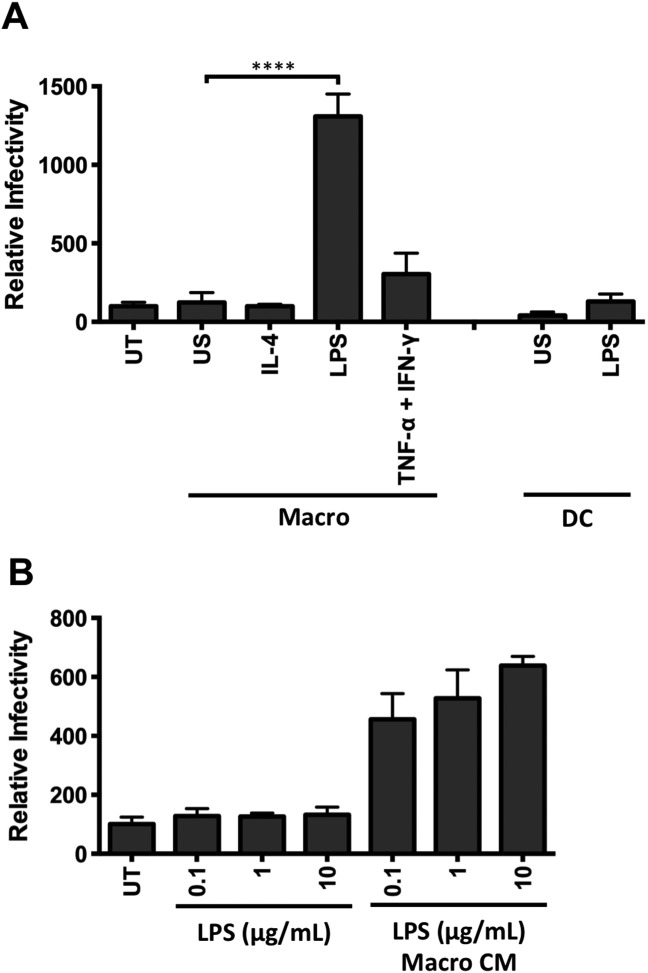
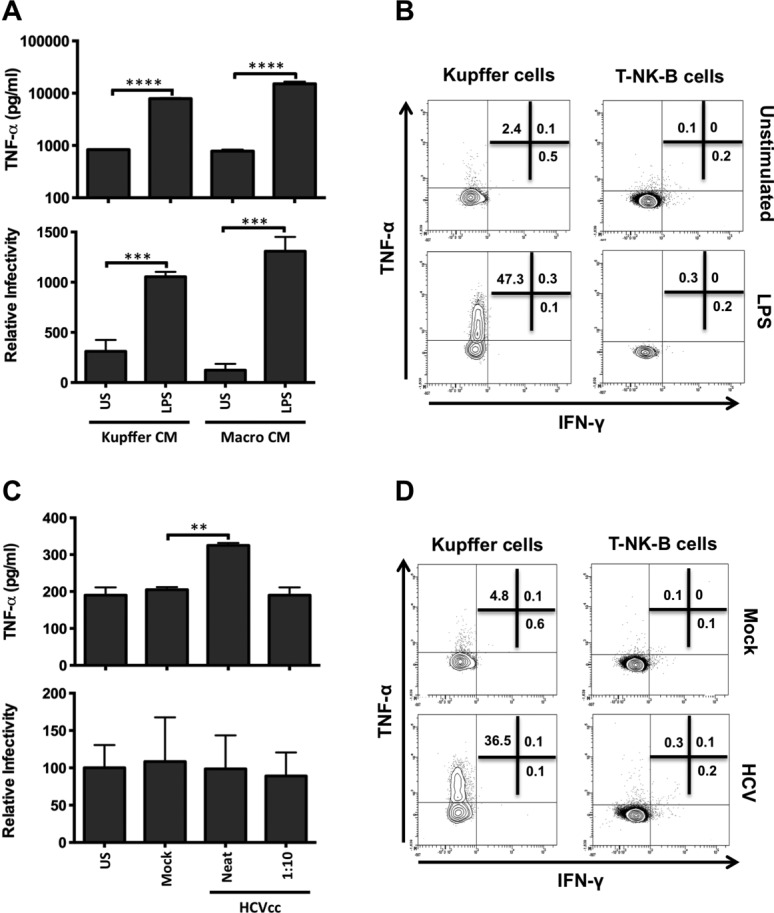
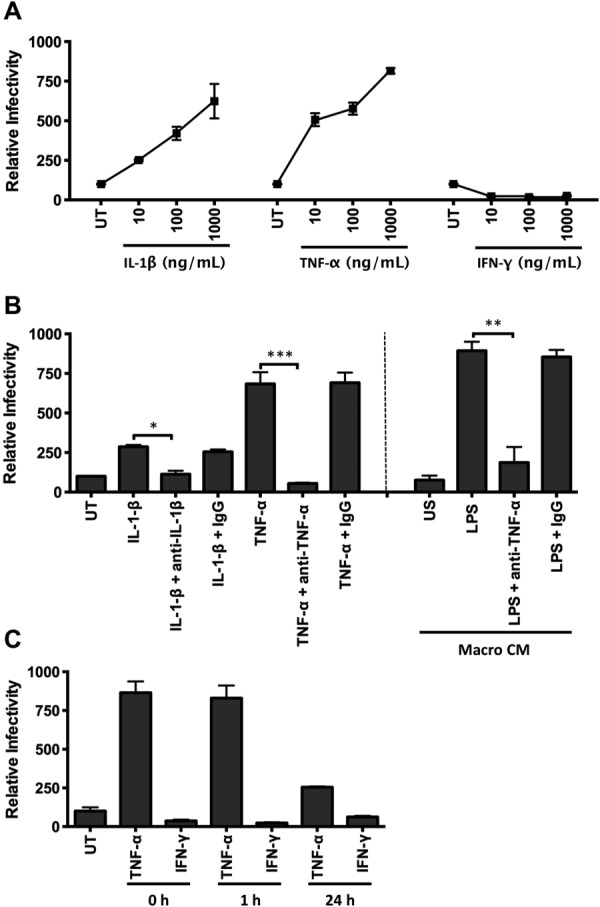
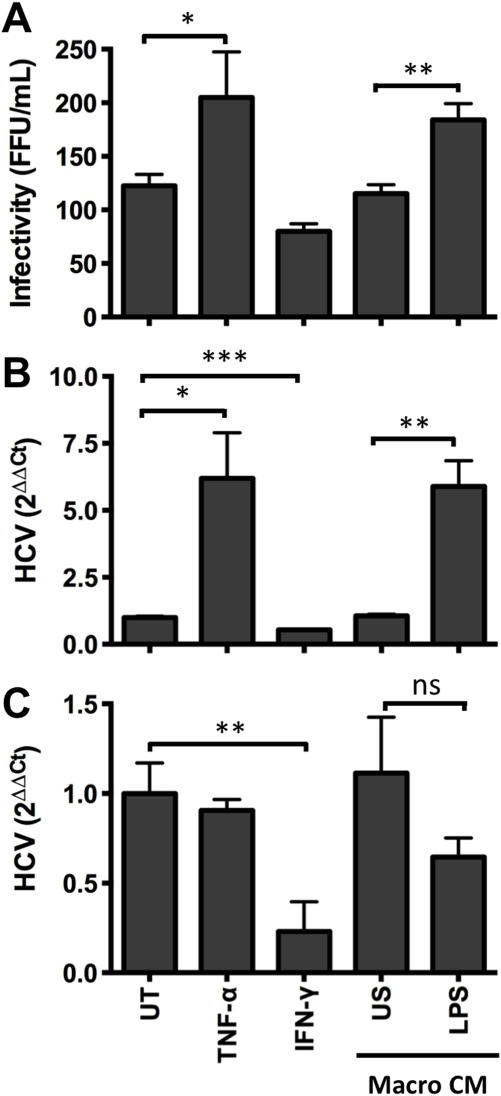
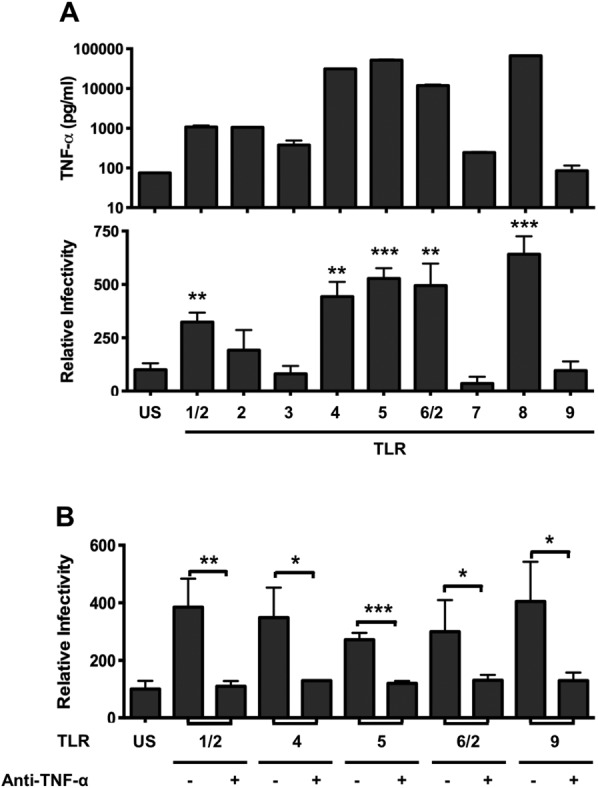
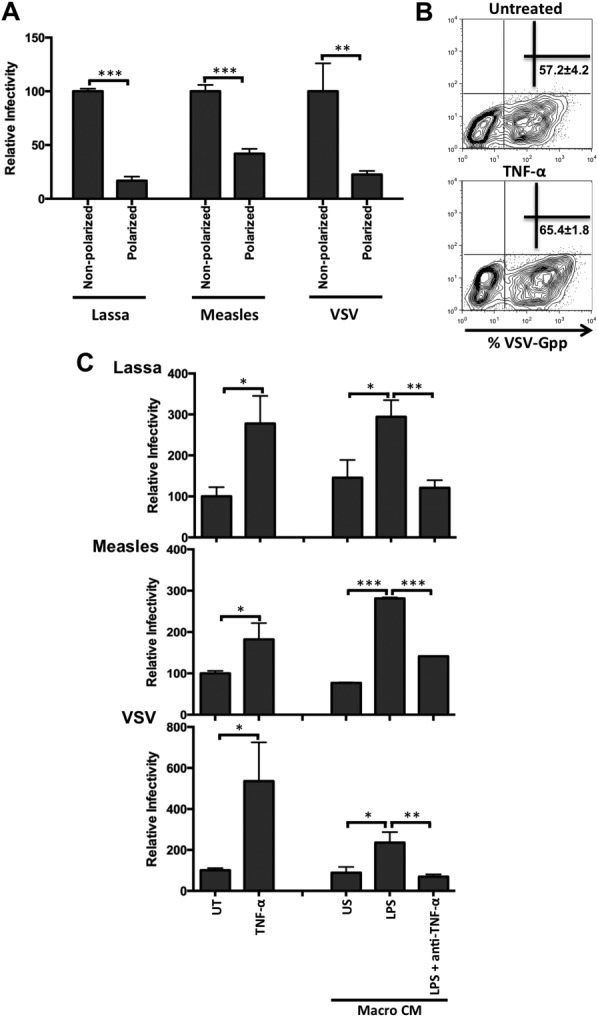
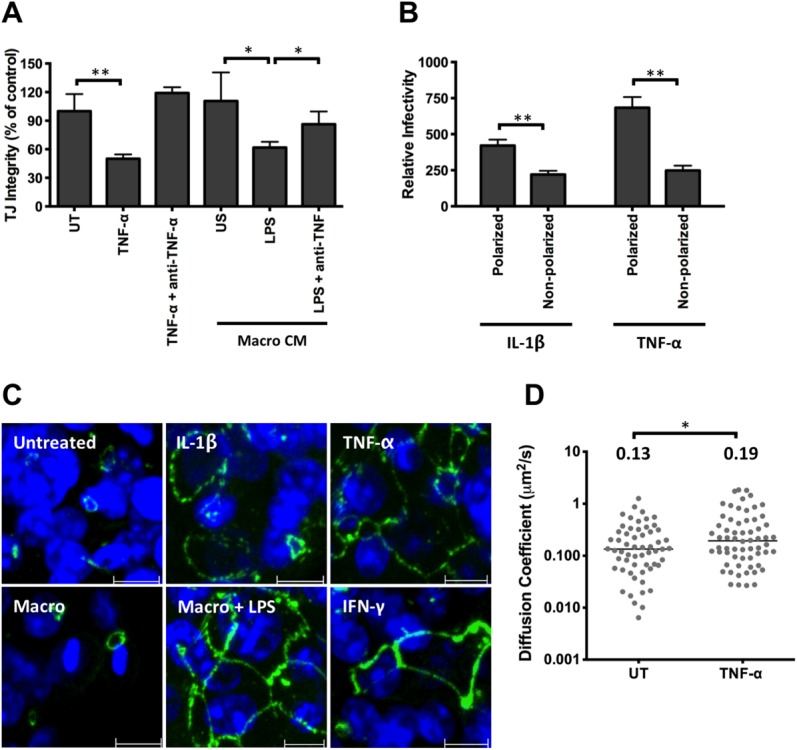
Macrophages are critical components of the innate immune response in the liver. Chronic hepatitis C is associated with immune infiltration and the infected liver shows a significant increase in total macrophage numbers; however, their role in the viral life cycle is poorly understood. Activation of blood-derived and intrahepatic macrophages with a panel of Toll-like receptor agonists induce soluble mediators that promote hepatitis C virus (HCV) entry into polarized hepatoma cells. We identified tumor necrosis factor α (TNF-α) as the major cytokine involved in this process. Importantly, this effect was not limited to HCV; TNF-α increased the permissivity of hepatoma cells to infection by Lassa, measles and vesicular stomatitis pseudoviruses. TNF-α induced a relocalization of tight junction protein occludin and increased the lateral diffusion speed of HCV receptor tetraspanin CD81 in polarized HepG2 cells, providing a mechanism for their increased permissivity to support HCV entry. High concentrations of HCV particles could stimulate macrophages to express TNF-α, providing a direct mechanism for the virus to promote infection.
This study shows a new role for TNF-α to increase virus entry and highlights the potential for HCV to exploit existing innate immune responses in the liver to promote de novo infection events.
巨噬细胞是肝脏固有免疫反应的关键组成部分。慢性丙型肝炎与免疫浸润有关,受感染的肝脏总巨噬细胞数量显著增加;然而,它们在病毒生命周期中的作用仍不清楚。用一系列 Toll 样受体激动剂激活血液来源的和肝内巨噬细胞,诱导促进丙型肝炎病毒(HCV)进入极化肝癌细胞的可溶性介质。我们确定肿瘤坏死因子α(TNF-α)是该过程中主要的细胞因子。重要的是,这种效应不仅限于 HCV;TNF-α增加了肝癌细胞对拉沙、麻疹和水疱性口炎假病毒感染的易感性。TNF-α诱导紧密连接蛋白 occludin 的重定位,并增加极化 HepG2 细胞中 HCV 受体四跨膜蛋白 CD81 的侧向扩散速度,为其增加易感性以支持 HCV 进入提供了一种机制。高浓度的 HCV 颗粒可以刺激巨噬细胞表达 TNF-α,为病毒促进感染提供了一种直接的机制。
本研究显示 TNF-α增加病毒进入的新作用,并强调 HCV 利用肝脏中现有的固有免疫反应促进新感染事件的潜力。