Department of Computer Science, University of Bristol, Bristol, United Kingdom.
PLoS One. 2013 Nov 27;8(11):e78993. doi: 10.1371/journal.pone.0078993. eCollection 2013.
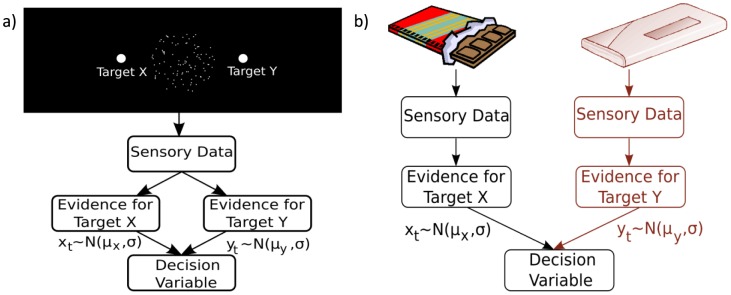
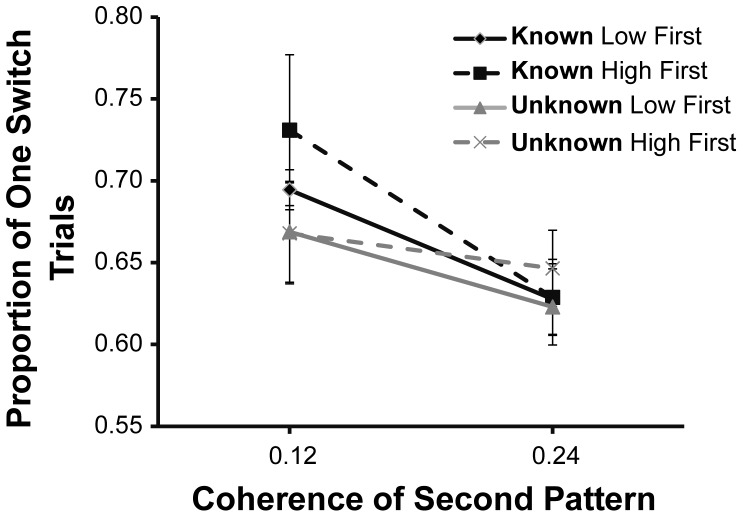
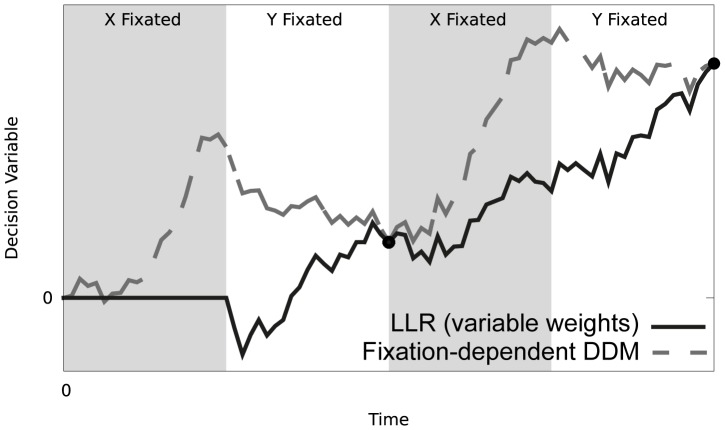
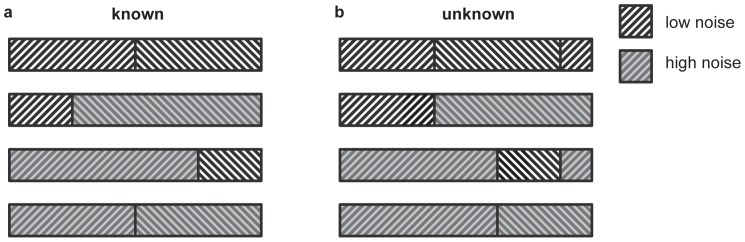
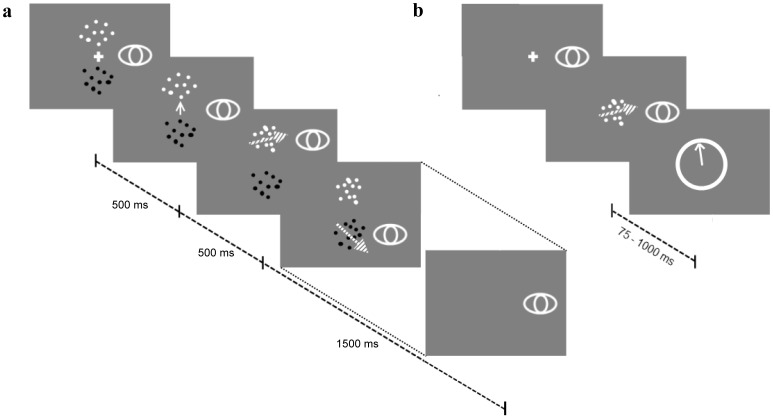
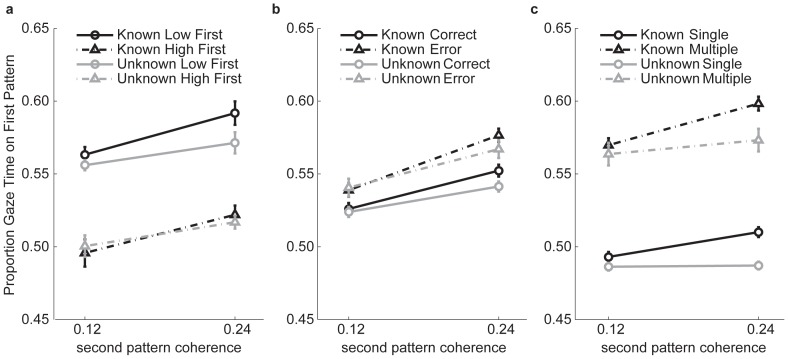
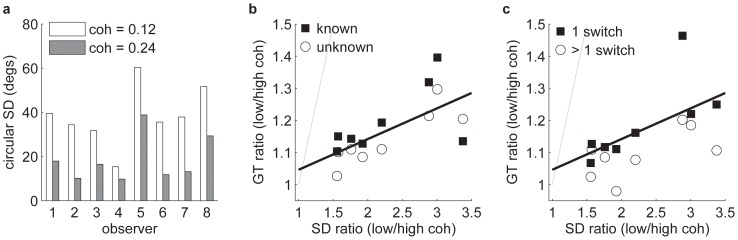
In many perceptual and cognitive decision-making problems, humans sample multiple noisy information sources serially, and integrate the sampled information to make an overall decision. We derive the optimal decision procedure for two-alternative choice tasks in which the different options are sampled one at a time, sources vary in the quality of the information they provide, and the available time is fixed. To maximize accuracy, the optimal observer allocates time to sampling different information sources in proportion to their noise levels. We tested human observers in a corresponding perceptual decision-making task. Observers compared the direction of two random dot motion patterns that were triggered only when fixated. Observers allocated more time to the noisier pattern, in a manner that correlated with their sensory uncertainty about the direction of the patterns. There were several differences between the optimal observer predictions and human behaviour. These differences point to a number of other factors, beyond the quality of the currently available sources of information, that influences the sampling strategy.
在许多感知和认知决策问题中,人类会依次对多个嘈杂的信息源进行采样,并整合采样信息以做出整体决策。我们推导出了在以下两种情况下的最优决策过程:二择一任务中,不同的选项一次被采样一个,信息源提供的信息质量不同,可用时间固定。为了最大化准确性,最优观察者会根据噪声水平按比例分配时间来采样不同的信息源。我们在相应的感知决策任务中对人类观察者进行了测试。观察者比较了仅在注视时触发的两个随机点运动模式的方向。观察者会将更多的时间分配给噪声较大的模式,这种分配方式与他们对模式方向的感官不确定性相关。最优观察者预测与人类行为之间存在一些差异。这些差异表明,除了当前可用信息源的质量之外,还有许多其他因素会影响采样策略。