Department of Biology, University of Turku, Turku, Finland.
PLoS One. 2013 Nov 27;8(11):e82168. doi: 10.1371/journal.pone.0082168. eCollection 2013.
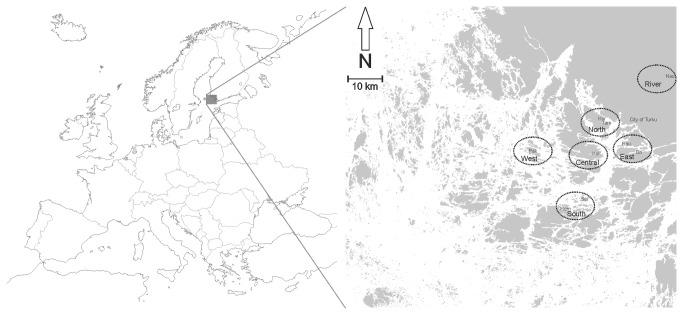
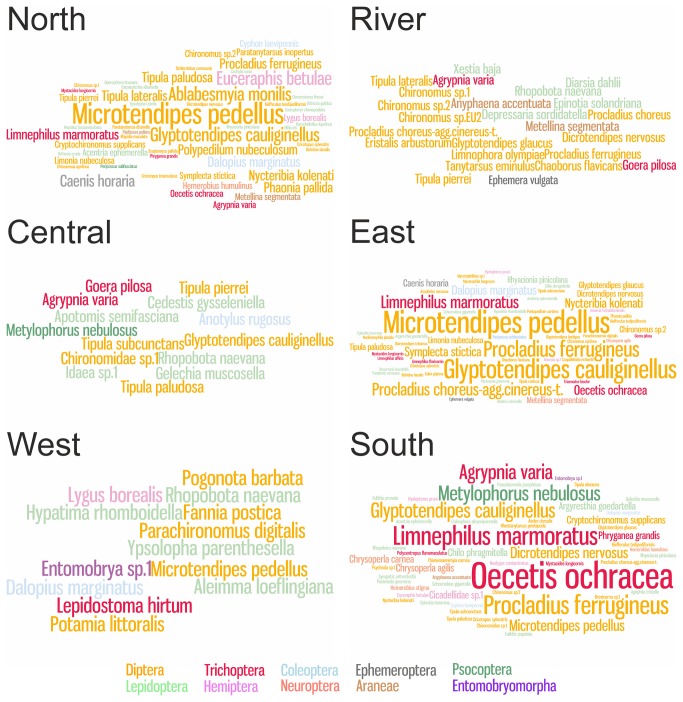
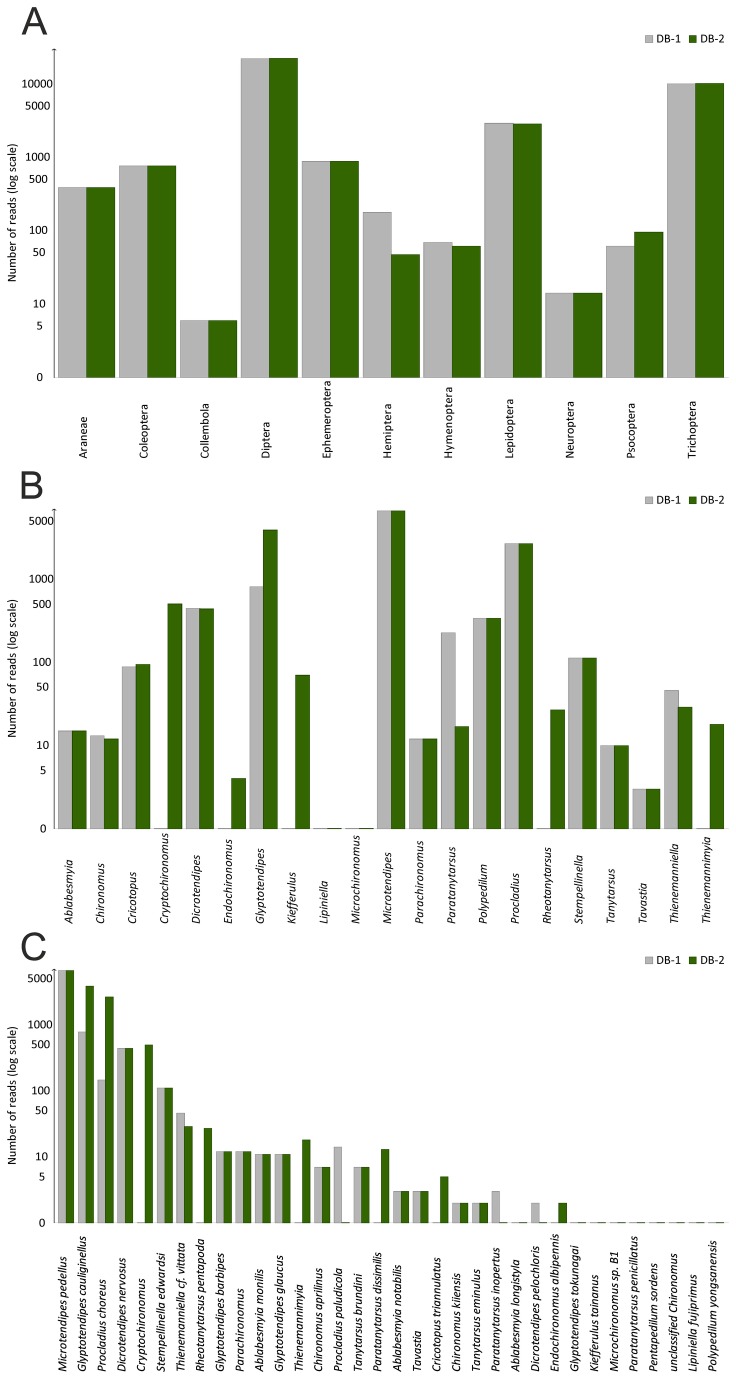
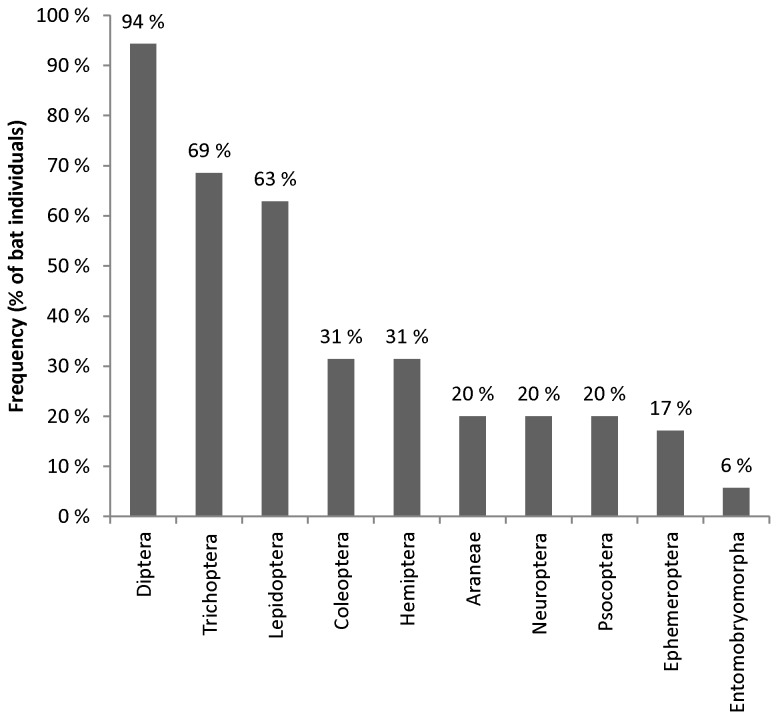
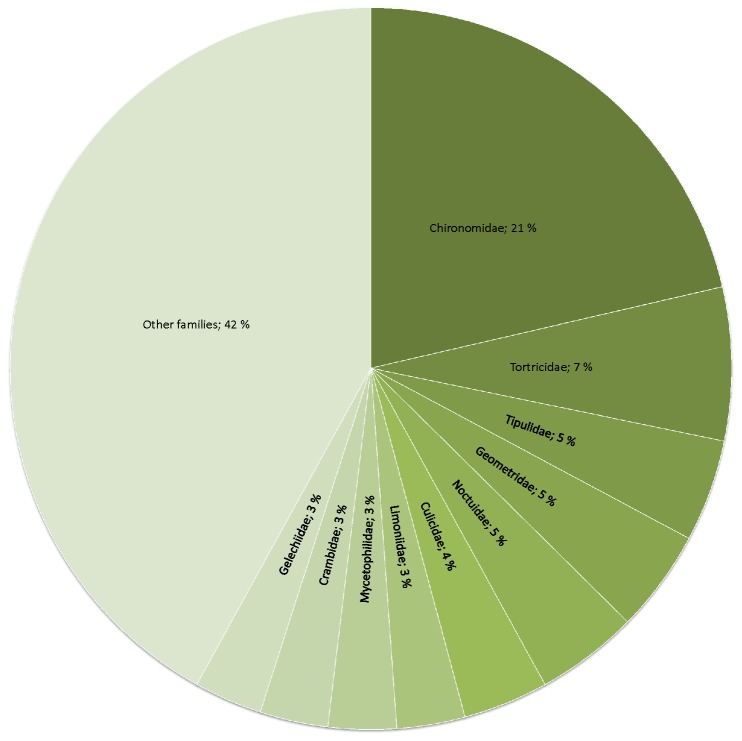
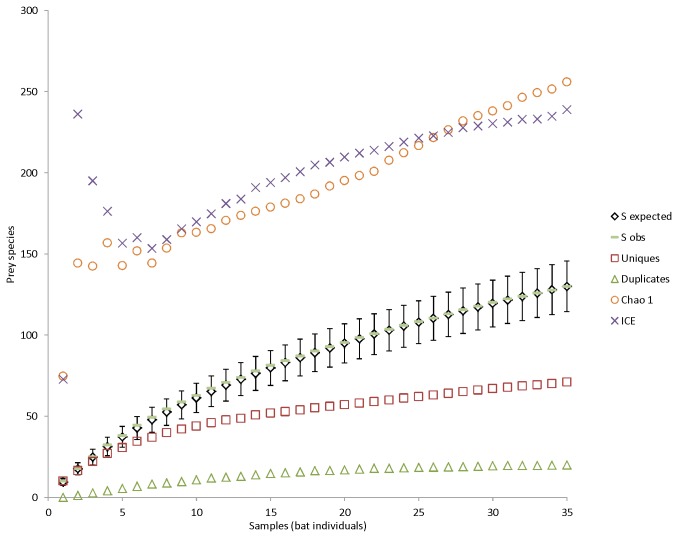
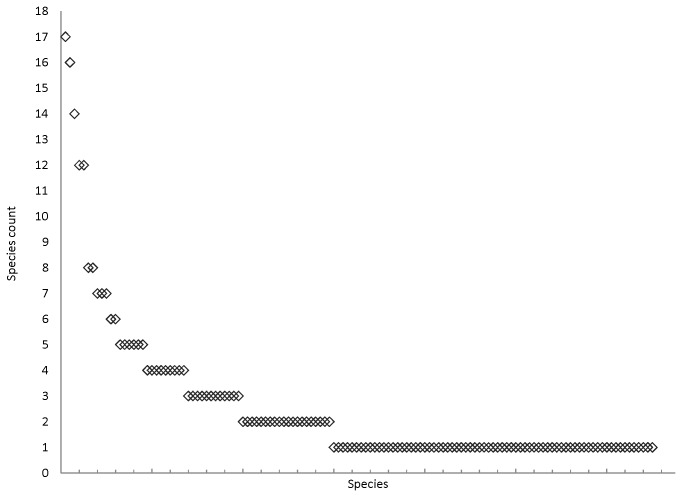
Understanding predator-prey dynamics is a fundamental task in the evaluation of the adaptive capacities of species. However, direct observations or morphological identification of fecal remains do not offer an effective way to study the dietary ecology of elusive species, such as nocturnal insectivorous bats. However, recent advances in molecular techniques have opened a new method for identifying prey species from fecal samples. In this study, we amplified species-specific mitochondrial COI fragments from fecal DNA extractions from 34 individual Daubenton's bats (Myotis daubentonii) collected between 2008 and 2010 from southwestern Finland. Altogether, 128 different species of prey were identified based on a comprehensive local DNA reference library. In our study area, Daubenton's bats feed most frequently on insects of the orders Diptera (found in the diet of 94% individuals), Trichoptera (69%) and Lepidoptera (63%). The most frequent dipteran family in the diet was Chironomidae, which was found in 31 of 34 individuals. Most common prey species were chironomids Microtendipes pedellus (found in 50% of bats), Glyptotendipes cauliginellus (44%), and Procladius ferrugineus (41%). For the first time, an accurate species level list of the diet of the insectivorous Daubenton's bat (Myotis daubentonii) in Finland is presented. We report a generally applicable method for describing the arthropod diet of vertebrate predators. We compare public databases to a national database to highlight the importance of a local reference database.
了解捕食者-猎物动态是评估物种适应能力的基本任务。然而,直接观察或形态学鉴定粪便残留物并不能有效地研究难以捉摸的物种(如夜间食虫蝙蝠)的饮食生态。然而,分子技术的最新进展为从粪便样本中鉴定猎物物种开辟了一种新方法。在这项研究中,我们从 2008 年至 2010 年在芬兰西南部收集的 34 只达氏蝙蝠(Myotis daubentonii)的粪便 DNA 提取物中扩增了种特异性线粒体 COI 片段。总共根据综合的本地 DNA 参考文库鉴定了 128 种不同的猎物。在我们的研究区域,达氏蝙蝠最常以昆虫的订单(在 94%个体的饮食中发现),毛翅目(69%)和鳞翅目(63%)为食。饮食中最常见的双翅目科是摇蚊科,在 34 个个体中的 31 个中都有发现。最常见的猎物物种是摇蚊 Microtendipes pedellus(在 50%的蝙蝠中发现), Glyptotendipes cauliginellus(44%)和 Procladius ferrugineus(41%)。首次提出了芬兰食虫达氏蝙蝠(Myotis daubentonii)饮食的准确物种清单。我们提出了一种描述脊椎动物捕食者节肢动物饮食的通用方法。我们将公共数据库与国家数据库进行比较,以突出本地参考数据库的重要性。