Yuan Juanli, Gao Jinyan, Li Xin, Liu Fahui, Wijmenga Cisca, Chen Hongbing, Gilissen Luud J W J
State Key Laboratory of Food Science and Technology, Nanchang University, Nanchang, Jiangxi, China ; College of Pharmaceutical Sciences, Nanchang University, Nanchang, Jiangxi, China.
PLoS One. 2013 Dec 4;8(12):e81151. doi: 10.1371/journal.pone.0081151. eCollection 2013.
Until recently, celiac disease was considered to be rare in China. We aimed to estimate its true status.
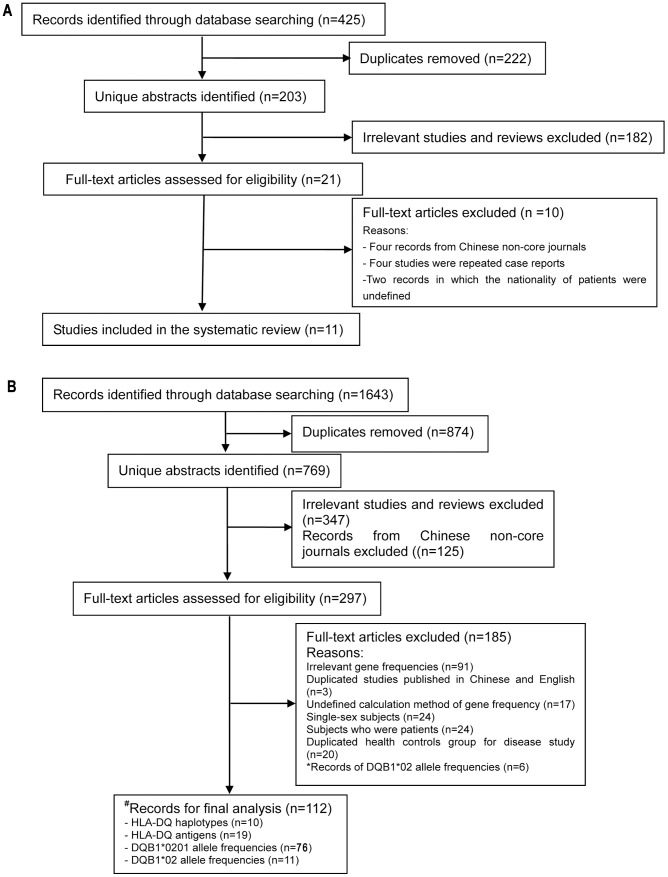
By searching the MEDLINE database and four Chinese full-text databases (CNKI, CBM, VIP and WANFANG) (up to August 2012), as well as two HLA allele frequency net databases and the Chinese Statistics Yearbook databases, we systematically reviewed the literature on definite and suspected cases of celiac disease, the predisposing HLA allele frequencies, and on gluten exposure in China. Meta-analysis was performed by analyzing DQ2, DQ8 and DQB1*0201 gene frequencies and heterogeneity in populations from different geographic regions and ethnicities in China.
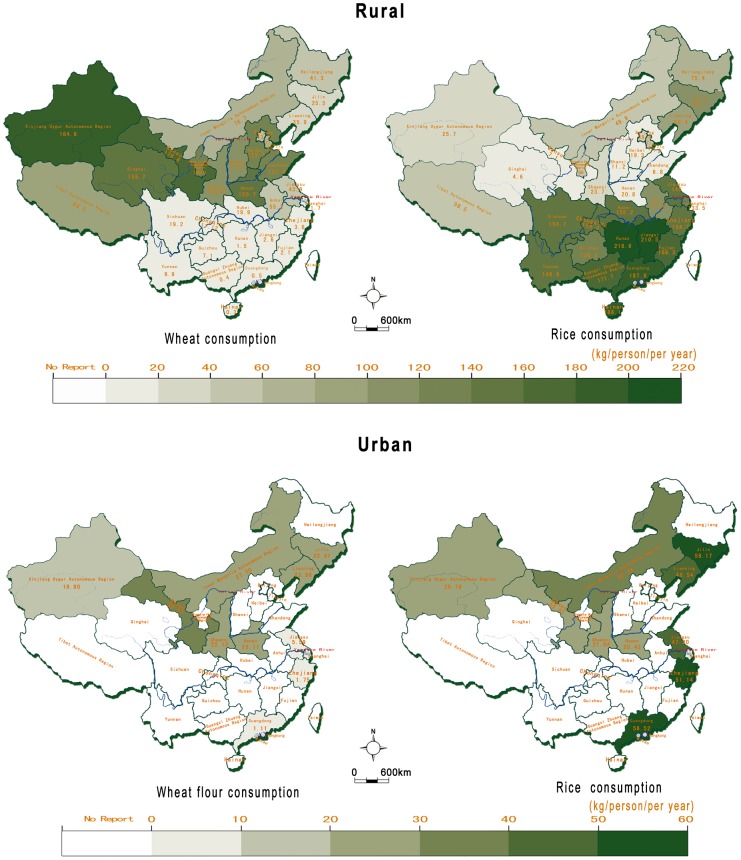
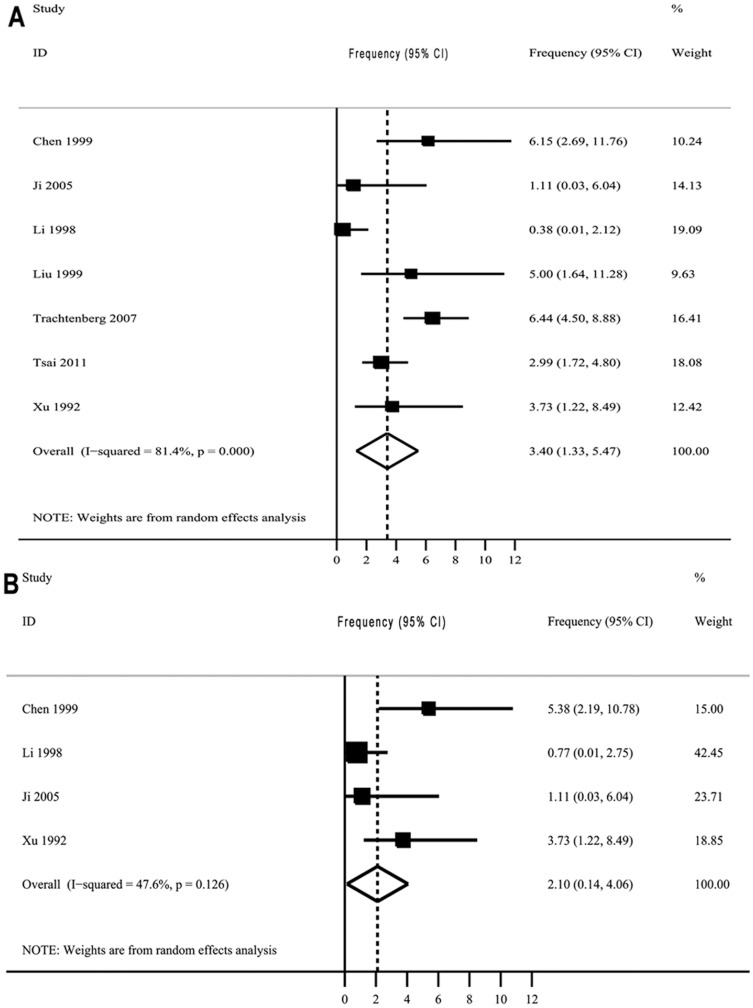
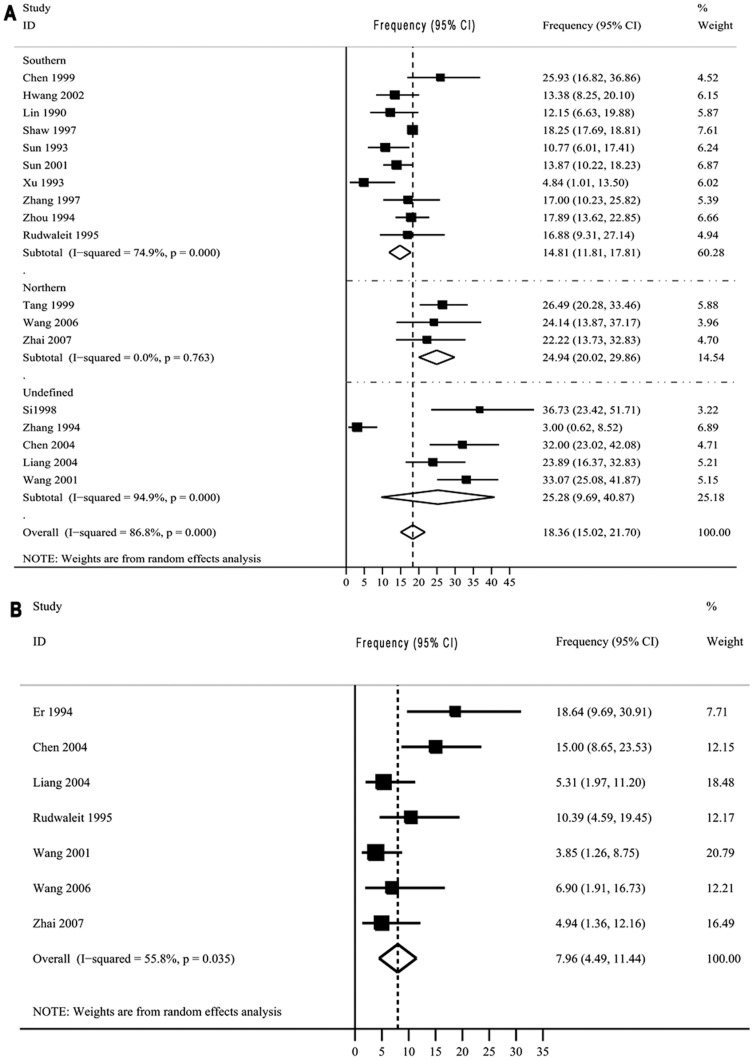
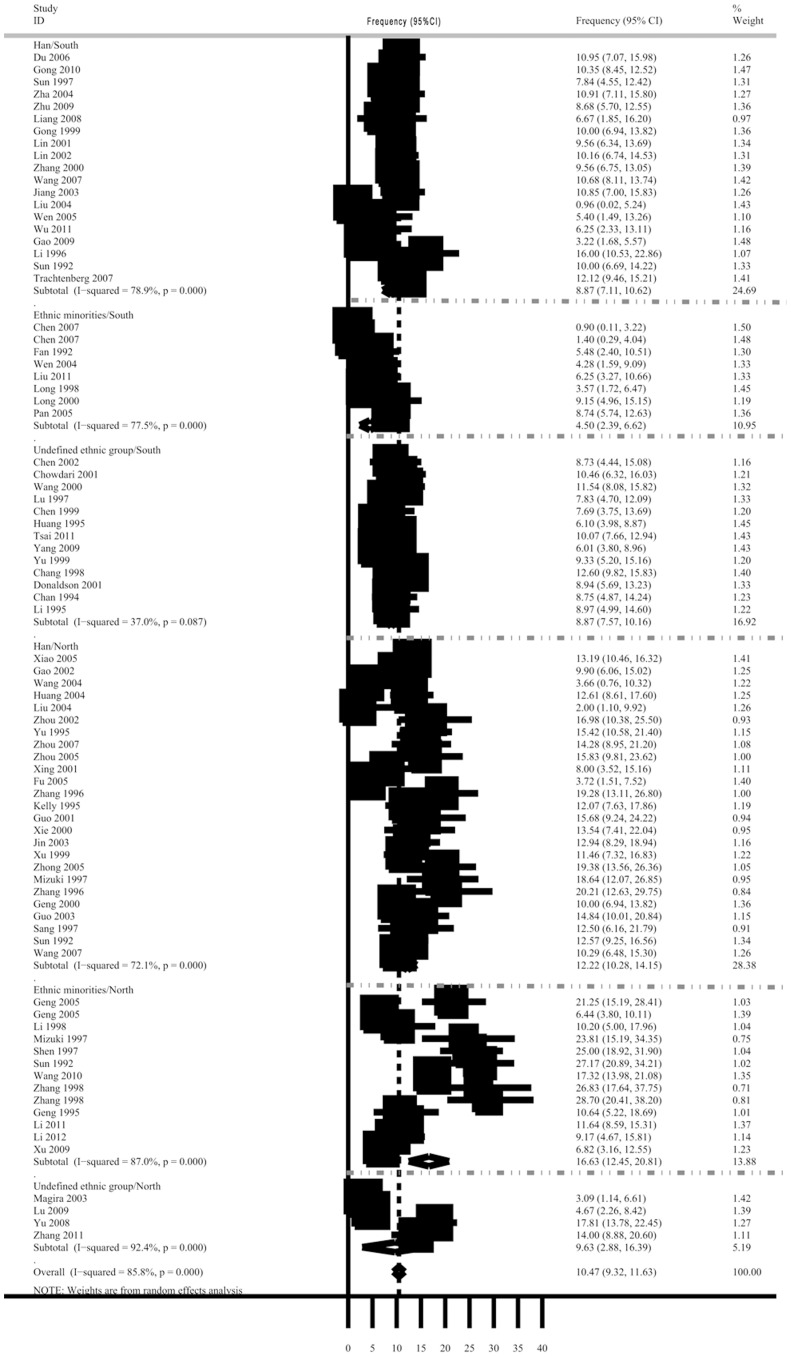
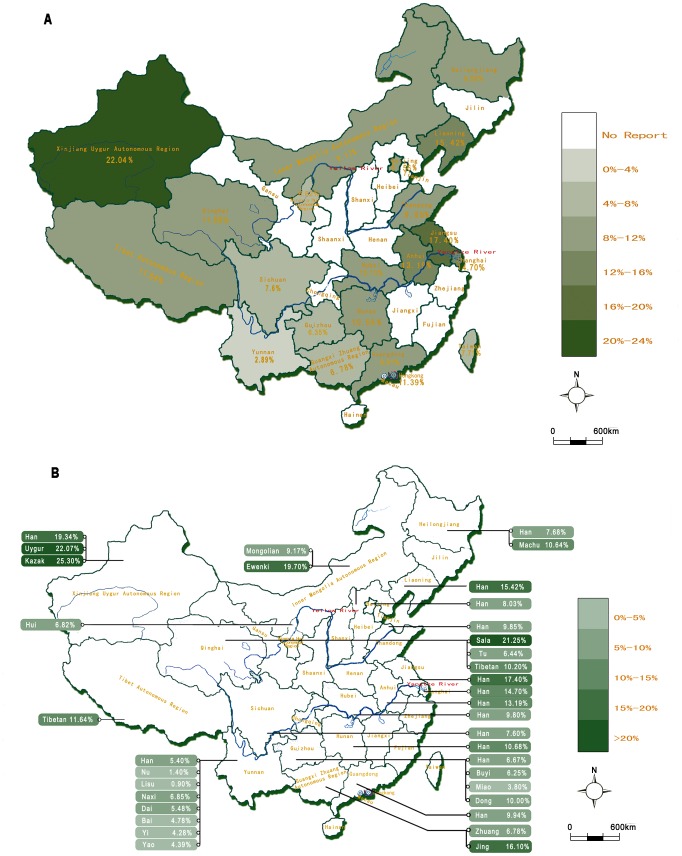
At present, the number of reported celiac disease cases is extremely low in China. The frequencies of the HLA-DQ2.5 and HLA-DQ8 haplotypes were 3.4% (95% confidence interval 1.3-5.5%) and 2.1% (0.1-4.1%), respectively. HLA-DQ2 and HLA-DQ8 antigen frequencies were 18.4% (15.0-21.7%) and 8.0% (4.5-11.4%), respectively. The frequency of the DQB1*0201 allele was 10.5% (9.3-11.6%) and it was more common in the northern Chinese than in the southern Chinese populations. The chance of being exposed to gluten is rapidly increasing all over China nowadays.
The data on HLA haplotyping, in conjunction with increasing wheat consumption, strongly suggests that the occurrence of celiac disease is more common in China than currently reported. Coordinated measures by the Chinese government, medical and agricultural research institutions, and food industries, would be justified to create more awareness about celiac disease and to prevent it becoming a medical and societal burden.
直到最近,乳糜泻在中国仍被认为较为罕见。我们旨在评估其真实情况。
通过检索MEDLINE数据库以及四个中文全文数据库(中国知网、中国生物医学文献数据库、维普资讯网和万方数据)(截至2012年8月),以及两个HLA等位基因频率网络数据库和中国统计年鉴数据库,我们系统回顾了有关中国乳糜泻确诊和疑似病例、易感HLA等位基因频率以及麸质暴露情况的文献。通过分析中国不同地理区域和民族人群中的DQ2、DQ8和DQB1*0201基因频率及异质性进行荟萃分析。
目前,中国报告的乳糜泻病例数量极低。HLA-DQ2.5和HLA-DQ8单倍型频率分别为3.4%(95%置信区间1.3 - 5.5%)和2.1%(0.1 - 4.1%)。HLA-DQ2和HLA-DQ8抗原频率分别为18.4%(15.0 - 21.7%)和8.0%(4.5 - 11.4%)。DQB1*0201等位基因频率为10.5%(9.3 - 11.6%),在中国北方人群中比南方人群更常见。如今在中国,接触麸质的几率正在迅速增加。
HLA分型数据,加上小麦消费量的增加,有力地表明乳糜泻在中国的发生率比目前报告的更为普遍。中国政府、医学和农业研究机构以及食品行业采取协调措施,以提高对乳糜泻的认识并防止其成为医疗和社会负担是合理的。