Favrin G, Bean D M, Bilsland E, Boyer H, Fischer B E, Russell S, Crowther D C, Baylis H A, Oliver S G, Giannakou M E
1] Cambridge Systems Biology Centre, University of Cambridge, Cambridge, CB2 1GA, UK [2] Department of Biochemistry, University of Cambridge, Cambridge, CB2 1GA, UK [3].
1] Cambridge Systems Biology Centre, University of Cambridge, Cambridge, CB2 1GA, UK [2] Department of Biochemistry, University of Cambridge, Cambridge, CB2 1GA, UK.
Sci Rep. 2013 Dec 16;3:3512. doi: 10.1038/srep03512.
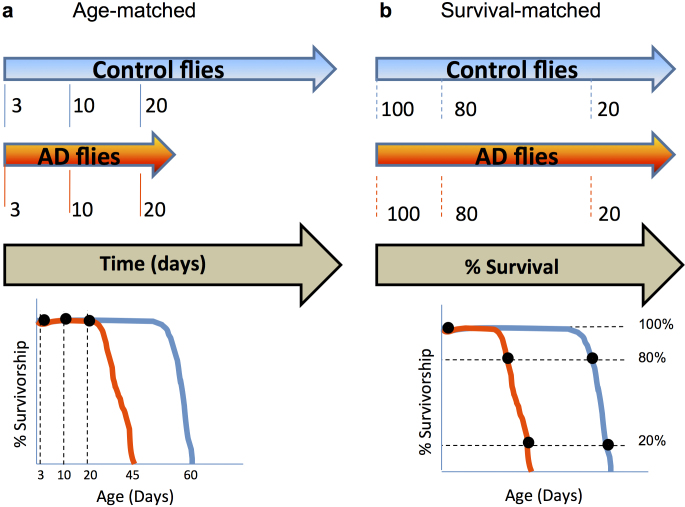
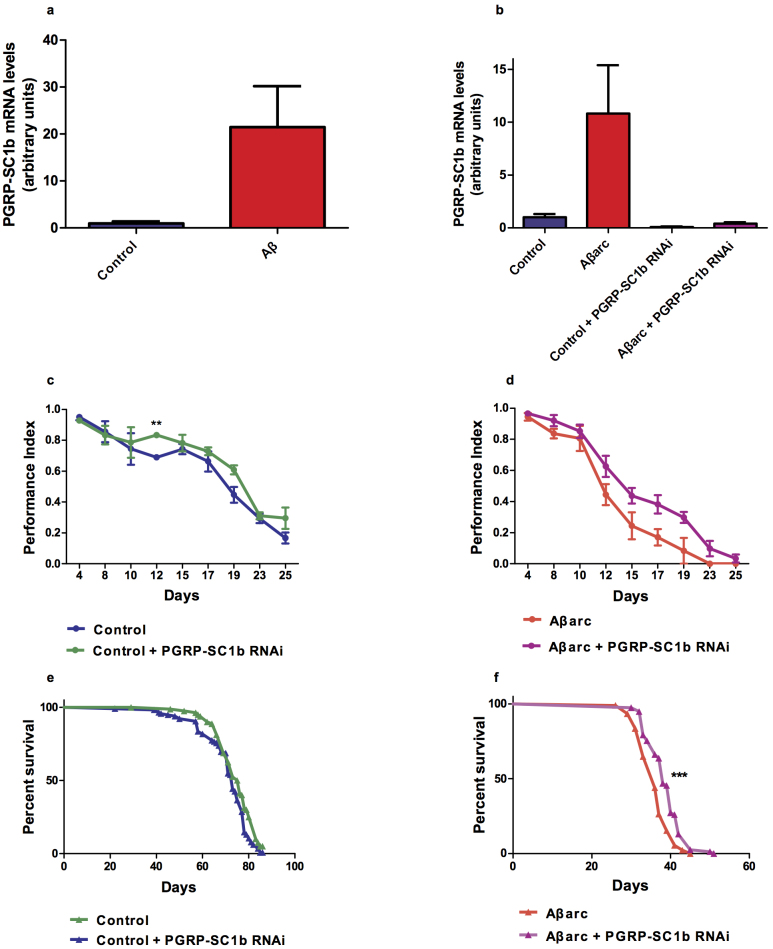
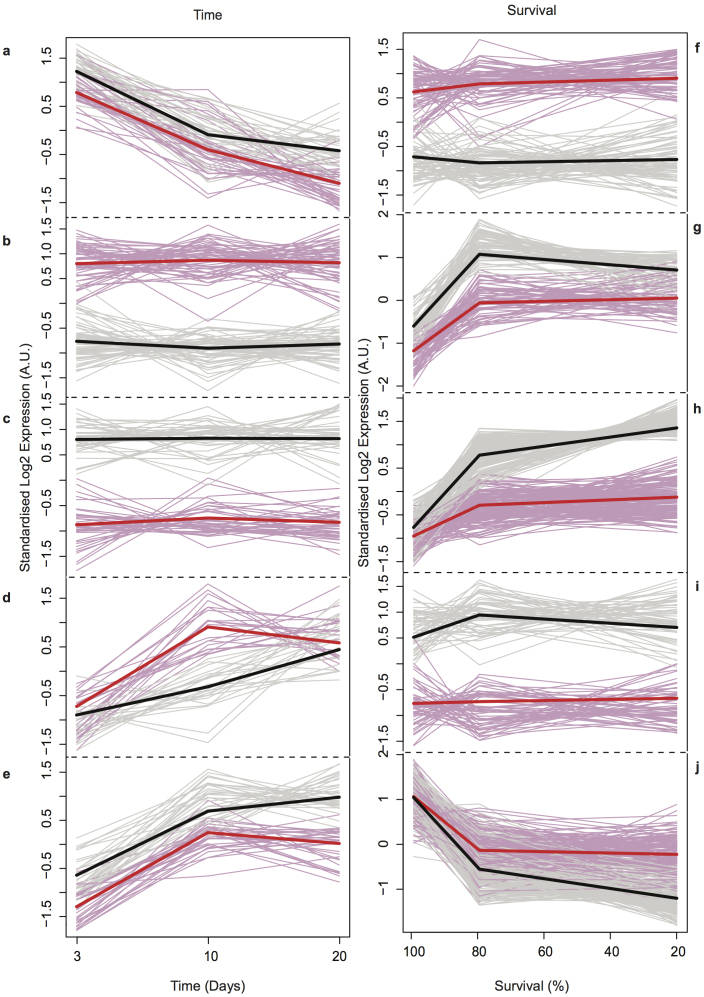
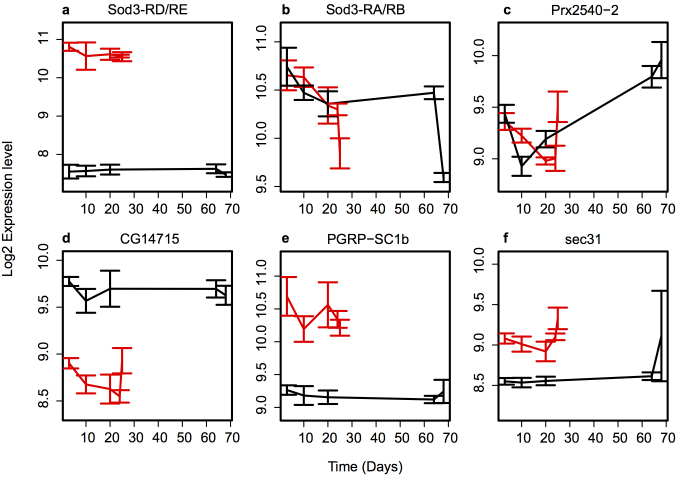
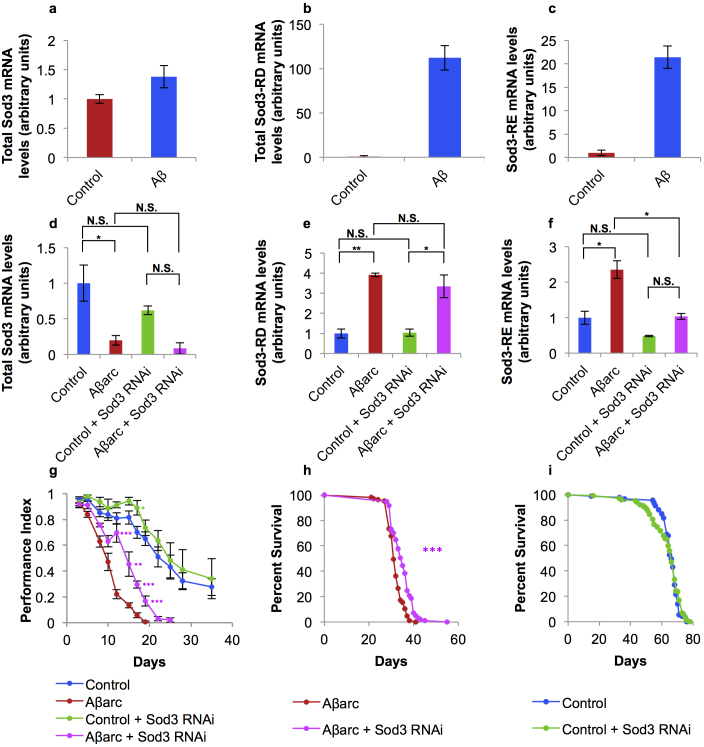
The strongest risk factor for developing Alzheimer's Disease (AD) is age. Here, we study the relationship between ageing and AD using a systems biology approach that employs a Drosophila (fruitfly) model of AD in which the flies overexpress the human Aβ42 peptide. We identified 712 genes that are differentially expressed between control and Aβ-expressing flies. We further divided these genes according to how they change over the animal's lifetime and discovered that the AD-related gene expression signature is age-independent. We have identified a number of differentially expressed pathways that are likely to play an important role in the disease, including oxidative stress and innate immunity. In particular, we uncovered two new modifiers of the Aβ phenotype, namely Sod3 and PGRP-SC1b.
患阿尔茨海默病(AD)的最强风险因素是年龄。在此,我们采用系统生物学方法研究衰老与AD之间的关系,该方法使用了AD的果蝇模型,其中果蝇过度表达人类Aβ42肽。我们鉴定出712个在对照果蝇和表达Aβ的果蝇之间差异表达的基因。我们根据这些基因在动物生命周期中的变化方式进一步对其进行划分,发现与AD相关的基因表达特征与年龄无关。我们确定了一些可能在该疾病中起重要作用的差异表达通路,包括氧化应激和固有免疫。特别是,我们发现了Aβ表型的两个新修饰因子,即Sod3和PGRP-SC1b。