Department of Pharmaceutical Sciences, Faculty of Medicine and Pharmacy, Dunarea de Jos University of Galati, Romania.
Department of Chemistry, Physics and Environment, Faculty of Sciences and Environment, Dunarea de Jos University of Galati, Romania.
Int J Nanomedicine. 2013;8:4391-8. doi: 10.2147/IJN.S52760. Epub 2013 Nov 12.
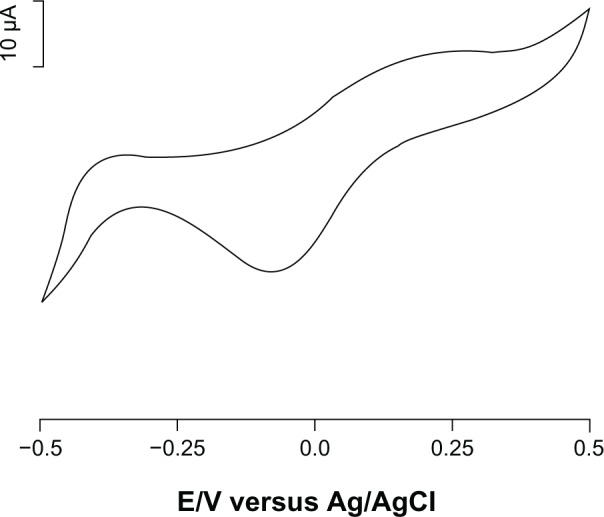
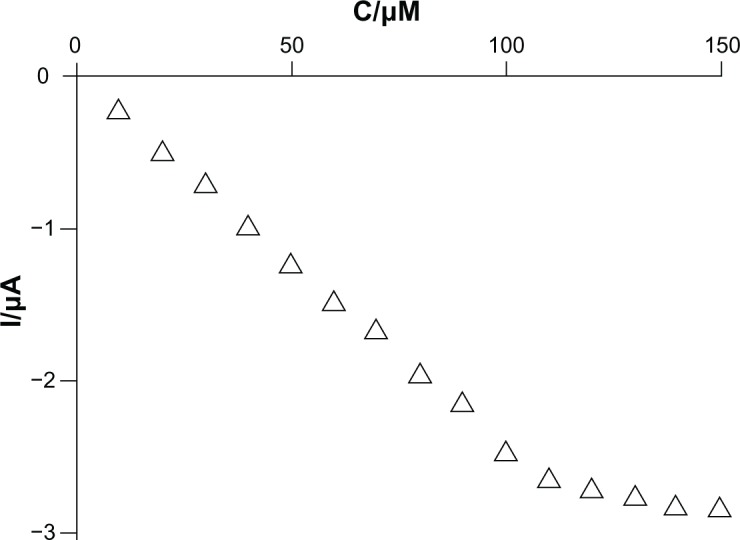
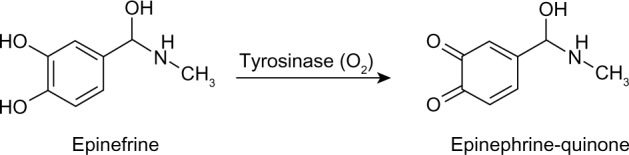
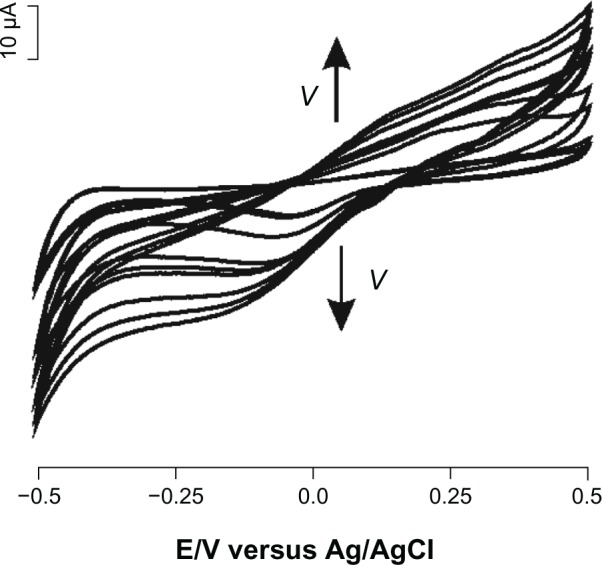
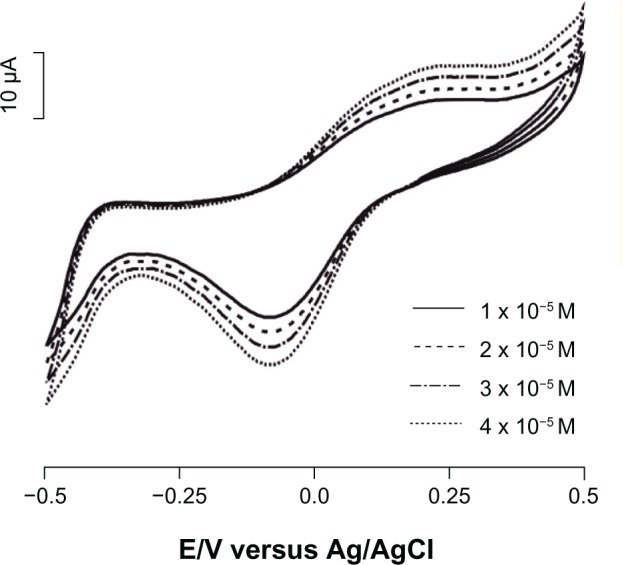
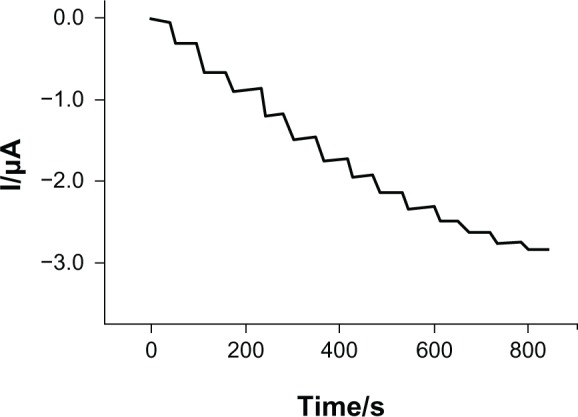
A biosensor comprising tyrosinase immobilized on a single-walled carbon nanotube-modified glassy carbon electrode has been developed. The sensitive element, ie, tyrosinase, was immobilized using a drop-and-dry method followed by cross-linking. Tyrosinase maintained high bioactivity on this nanomaterial, catalyzing the oxidation of epinephrine to epinephrine-quinone, which was electrochemically reduced (-0.07 V versus Ag/AgCl) on the biosensor surface. Under optimum conditions, the biosensor showed a linear response in the range of 10-110 μM. The limit of detection was calculated to be 2.54 μM with a correlation coefficient of 0.977. The repeatability, expressed as the relative standard deviation for five consecutive determinations of 10(-5) M epinephrine solution was 3.4%. A good correlation was obtained between results obtained by the biosensor and those obtained by ultraviolet spectrophotometric methods.
一种基于固定在单壁碳纳米管修饰玻碳电极上的酪氨酸酶的生物传感器已经被开发出来。敏感元件,即酪氨酸酶,通过滴涂-干燥法固定,然后进行交联。在这种纳米材料上,酪氨酸酶保持着很高的生物活性,能够催化儿茶酚的氧化,生成儿茶酚醌,然后在生物传感器表面被电化学还原(相对于 Ag/AgCl 为-0.07 V)。在最佳条件下,该生物传感器在 10-110 μM 的范围内呈现出线性响应。检测限计算为 2.54 μM,相关系数为 0.977。五次连续测定 10(-5) M 肾上腺素溶液的相对标准偏差表示重复性为 3.4%。通过生物传感器获得的结果与通过紫外分光光度法获得的结果之间存在良好的相关性。