Mueller Sebastian, Sandrin Laurent
Department of Medicine and Center for Alcohol Research, Liver Disease and Nutrition, Salem Medical Center, University of Heidelberg, Heidelberg, Germany.
Echosens, Department of Research and Development, Paris, France.
Hepat Med. 2010 May 25;2:49-67. doi: 10.2147/hmer.s7394.
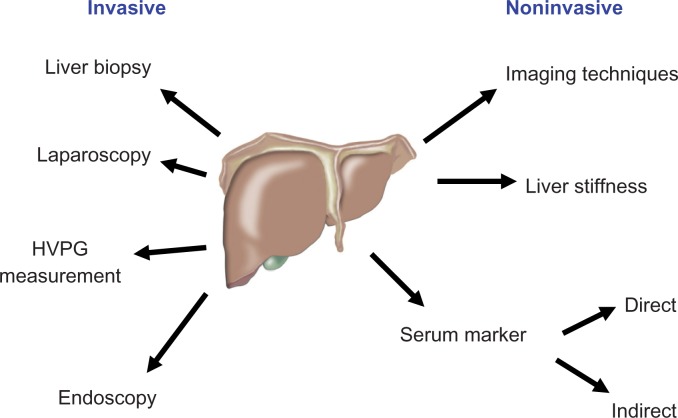
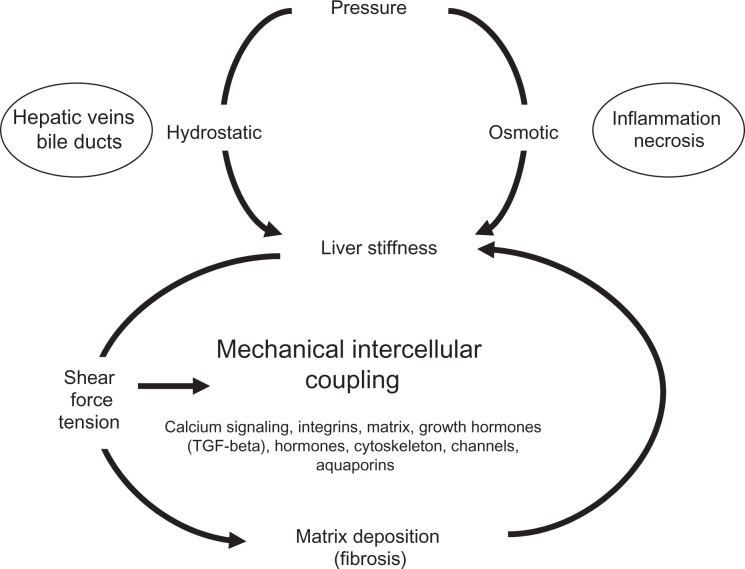
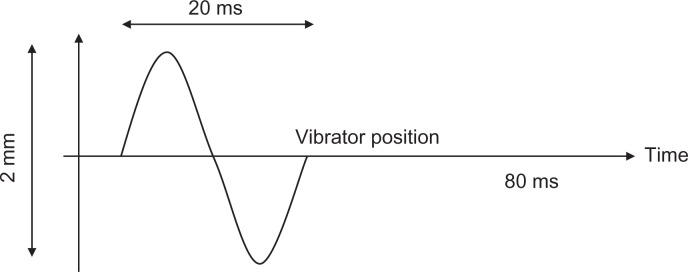
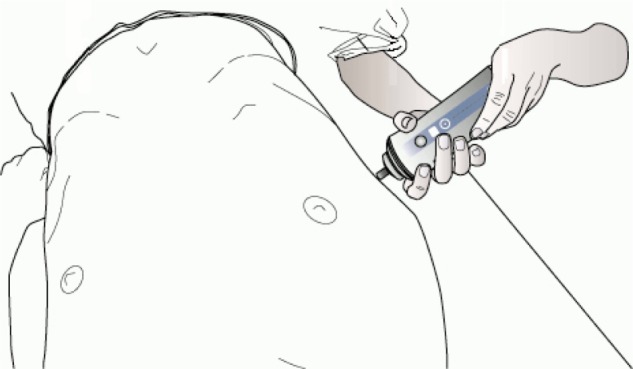
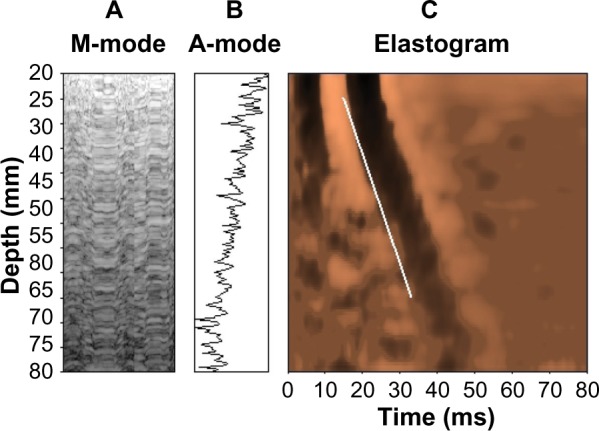
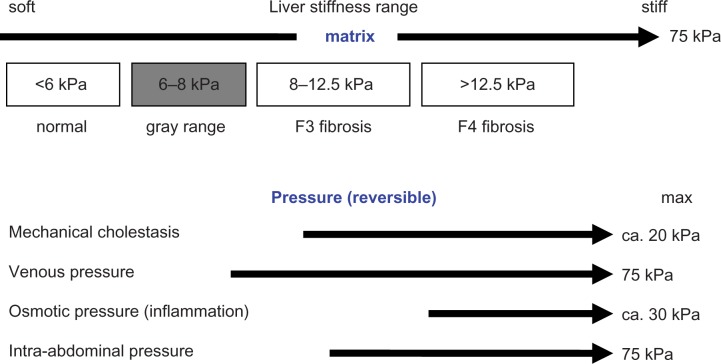
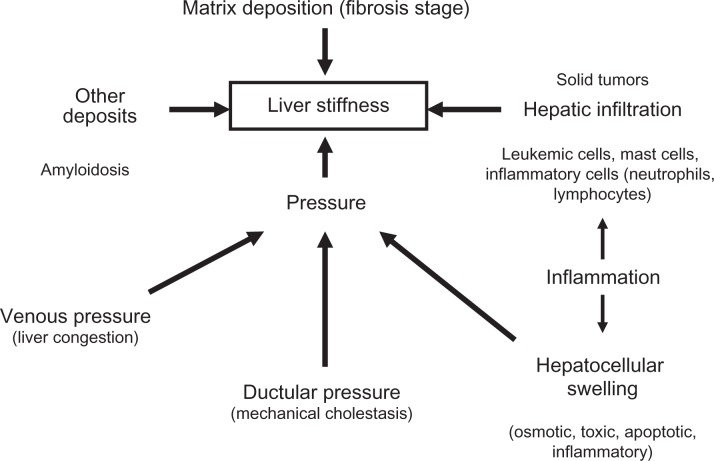
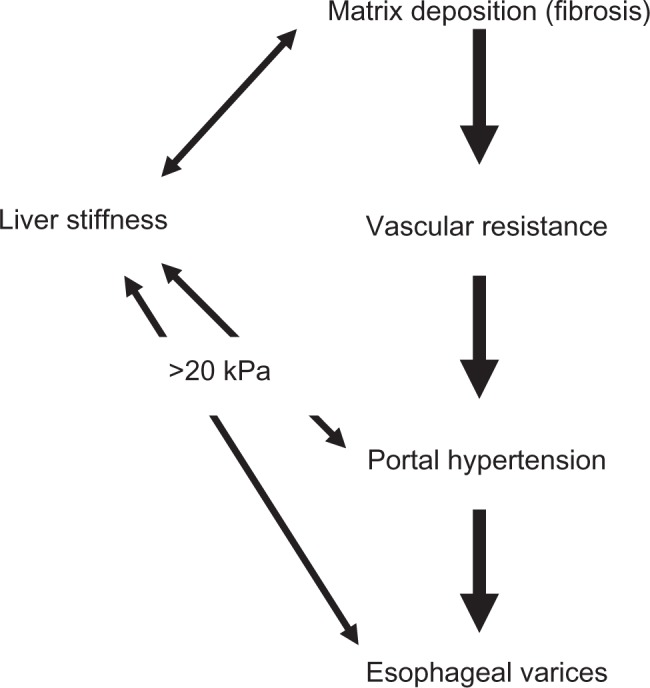
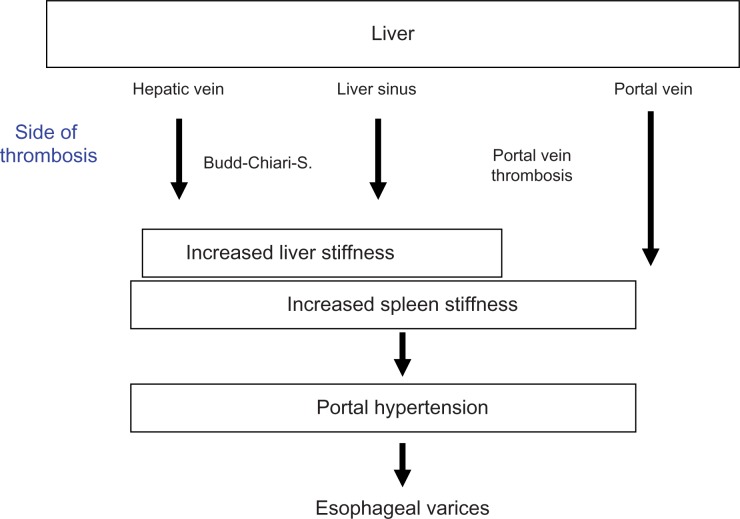
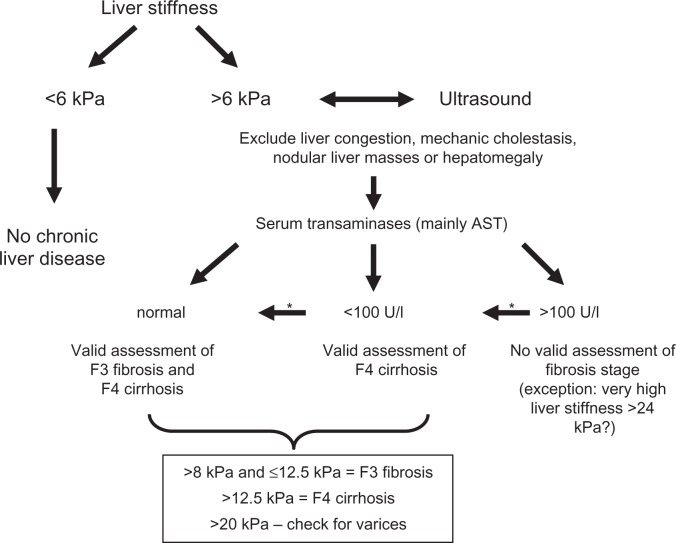
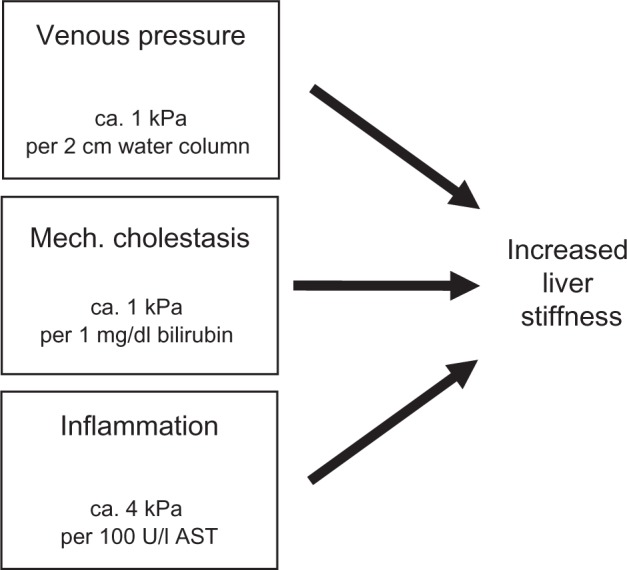
The noninvasive quantitation of liver stiffness (LS) by ultrasound based transient elastography using FibroScan® has revolutionized the diagnosis of liver diseases, namely liver cirrhosis. Alternative techniques such as acoustic radiation impulse frequency imaging or magnetic resonance elastography are currently under investigation. LS is an excellent surrogate marker of advanced fibrosis (F3) and cirrhosis (F4) outscoring all previous noninvasive approaches to detect cirrhosis. LS values below 6 kPa are considered as normal and exclude ongoing liver disease. LS of 8 and 12.5 kPa represent generally accepted cut-off values for F3 and F4 fibrosis. LS highly correlates with portal pressure, and esophageal varices are likely at values >20 kPa. Many other factors may also increase LS such as hepatic infiltration with tumor cells, mast cells (mastocytosis), inflammatory cells (all forms of hepatitis) or amyloidosis. In addition, LS is directly correlated with the venous pressure (eg, during liver congestion) and is increased during mechanic cholestasis. Thus, LS should always be interpreted in the context of clinical, imaging and laboratory findings. Finally, LS has helped to better understand the molecular mechanisms underlying liver fibrosis. The novel pressure-stiffness-fibrosis sequence hypothesis is introduced.
使用FibroScan®通过基于超声的瞬时弹性成像技术对肝脏硬度(LS)进行无创定量,彻底改变了肝脏疾病(即肝硬化)的诊断方式。目前正在研究诸如声辐射脉冲频率成像或磁共振弹性成像等替代技术。LS是晚期纤维化(F3)和肝硬化(F4)的优秀替代标志物,优于以往所有检测肝硬化的无创方法。LS值低于6 kPa被认为是正常的,可排除正在发生的肝脏疾病。8 kPa和12.5 kPa的LS通常被视为F3和F4纤维化的公认临界值。LS与门静脉压力高度相关,当值>20 kPa时可能出现食管静脉曲张。许多其他因素也可能增加LS,如肿瘤细胞、肥大细胞(肥大细胞增多症)、炎性细胞(各种形式的肝炎)或淀粉样变性的肝浸润。此外,LS与静脉压力直接相关(例如,在肝淤血期间),并在机械性胆汁淤积期间升高。因此,LS应始终结合临床、影像学和实验室检查结果进行解释。最后,LS有助于更好地理解肝纤维化的分子机制。本文引入了新的压力-硬度-纤维化序列假说。