Department of Stomatology, Punan Hospital of Pudong New District, Shanghai, China.
Department of Oral and Craniomaxillofacial Science, Ninth People's Hospital, College of Stomatology, Shanghai Jiao Tong University School of Medicine, Shanghai Key Laboratory of Stomatology, Shanghai, China.
PLoS One. 2013 Dec 18;8(12):e84672. doi: 10.1371/journal.pone.0084672. eCollection 2013.
A method for assessing dental maturity in different populations was first developed in 1973 by Demirjian and has been widely used and accepted since then. While the accuracy for evaluating dental age using Demirjian's method compared to children's chronological age has been extensively studied in recent years, the results currently available remain controversial and ambiguous.
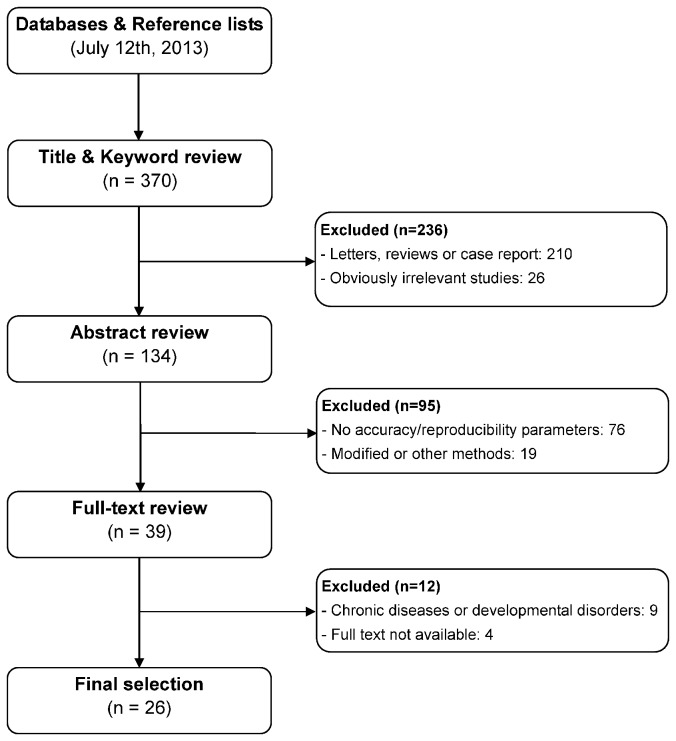
A literature search of PubMed, Embase, Web of Science, CNKI and CBM databases was conducted to identify all eligible studies published before July 12th, 2013. Weighted mean difference (WMD) with corresponding 95% confidence interval (95% CI) was used to evaluate the applicability of Demirjian's method for estimating chronological age in children.
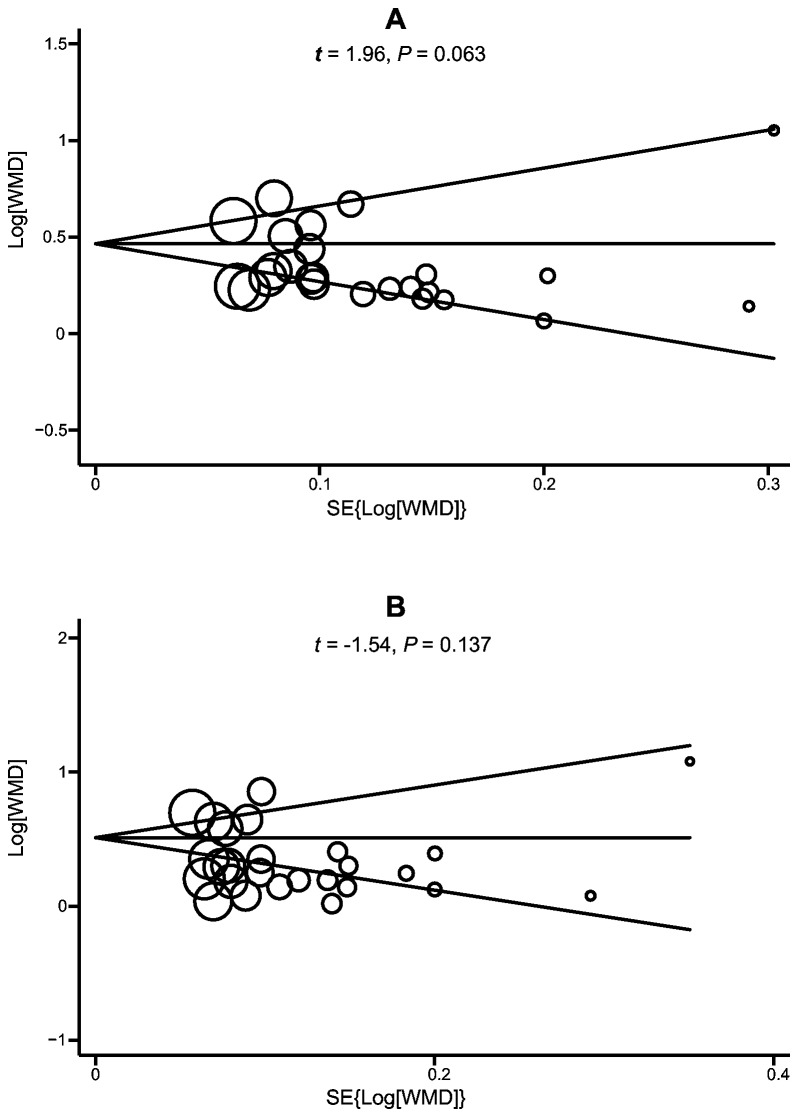
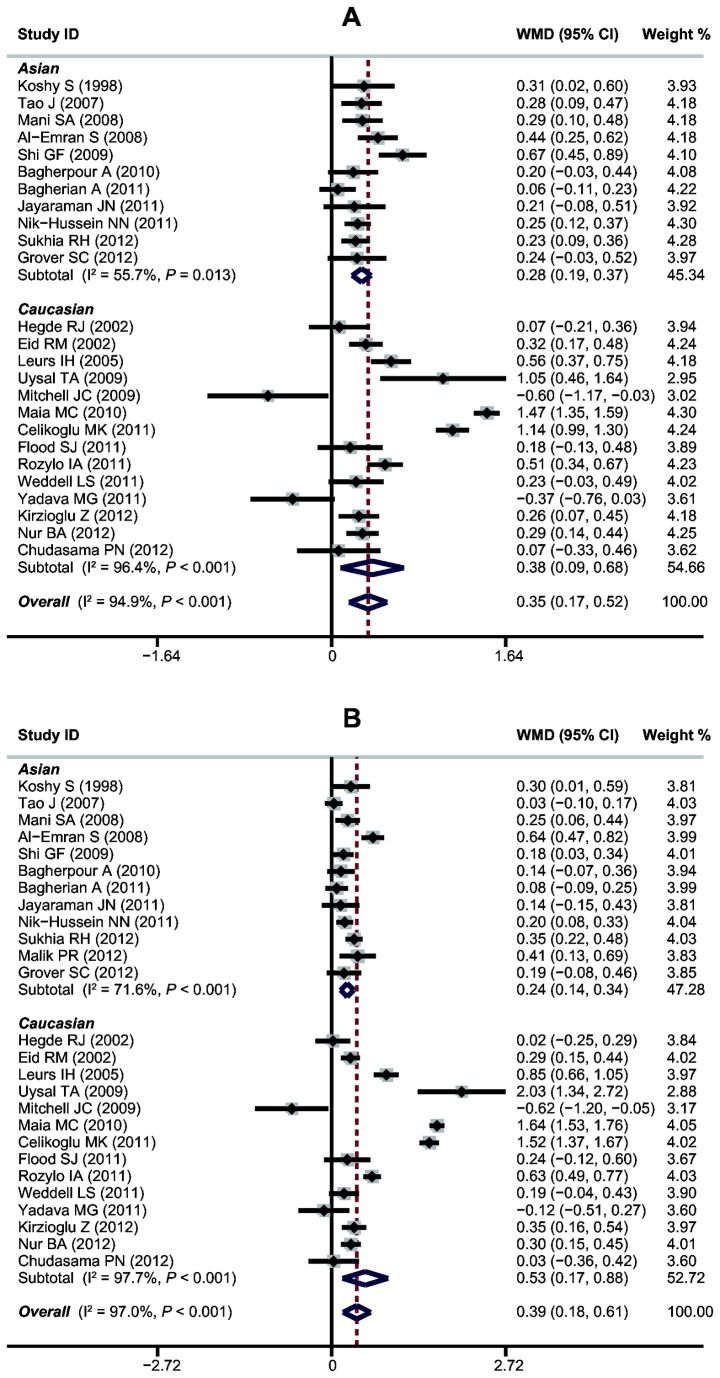
A meta-analysis was conducted on 26 studies with a total of 11,499 children (5,301 boys and 6,198 girls) aged 3.5 to 16.9 years. Overall, we found that Demirjian's method overestimated dental age by 0.35 (4.2 months) and 0.39 (4.68 months) years in males and females, respectively. A subgroup analysis by age revealed that boys and girls between the ages of 5 to 14 were given a dental age estimate that was significantly more advanced than their chronological age. Differences between underestimated dental ages and actual chronological ages were lower for male and female 15- and 16-year-old subgroups, though a significant difference was found in the 16-year-old subgroup.
Demirjian's method's overestimation of actual chronological tooth age reveals the need for population-specific standards to better estimate the rate of human dental maturation.
1973 年,Demirjian 首次提出了一种评估不同人群牙齿成熟度的方法,此后该方法得到了广泛应用和认可。近年来,人们广泛研究了 Demirjian 法评估牙齿年龄与儿童实际年龄的准确性,但是目前的研究结果仍存在争议和不确定性。
通过检索 PubMed、Embase、Web of Science、CNKI 和 CBM 数据库,收集截至 2013 年 7 月 12 日前发表的所有相关研究。采用加权均数差(WMD)及其 95%置信区间(95%CI)来评估 Demirjian 法评估儿童实际年龄的适用性。
本研究共纳入 26 项研究,总计 11499 名儿童(男 5301 名,女 6198 名),年龄 3.5-16.9 岁。总体而言,我们发现 Demirjian 法在男性和女性中分别高估了 0.35(4.2 个月)和 0.39(4.68 个月)岁的牙齿年龄。年龄亚组分析显示,5-14 岁的男孩和女孩的牙齿年龄明显比实际年龄更成熟。15-16 岁的男性和女性亚组低估的牙齿年龄与实际年龄的差异较小,但是 16 岁亚组差异具有统计学意义。
Demirjian 法高估了实际的牙齿年龄,这表明需要制定特定于人群的标准来更好地评估人类牙齿成熟的速度。