Nguyen Tam H, Han Hae-Ra, Kim Miyong T, Chan Kitty S
Boston College, Connell School of Nursing, 140 Commonwealth Avenue Cushing Hall, #336C, Chestnut Hill, MA, 02467, USA.
Patient. 2014;7(1):23-35. doi: 10.1007/s40271-013-0041-0.
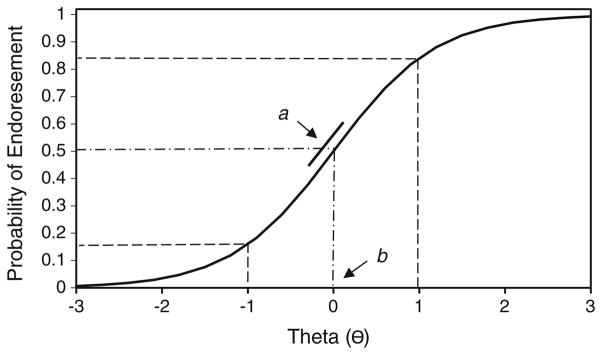
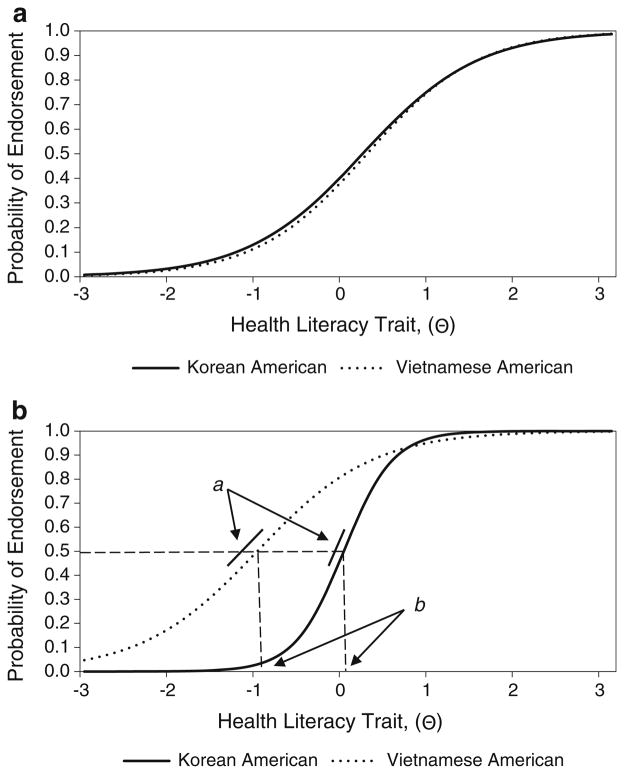
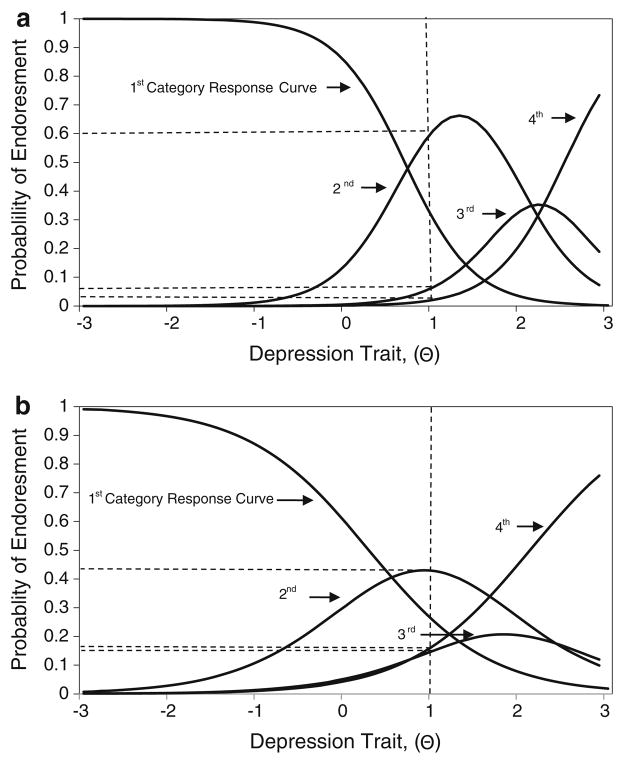
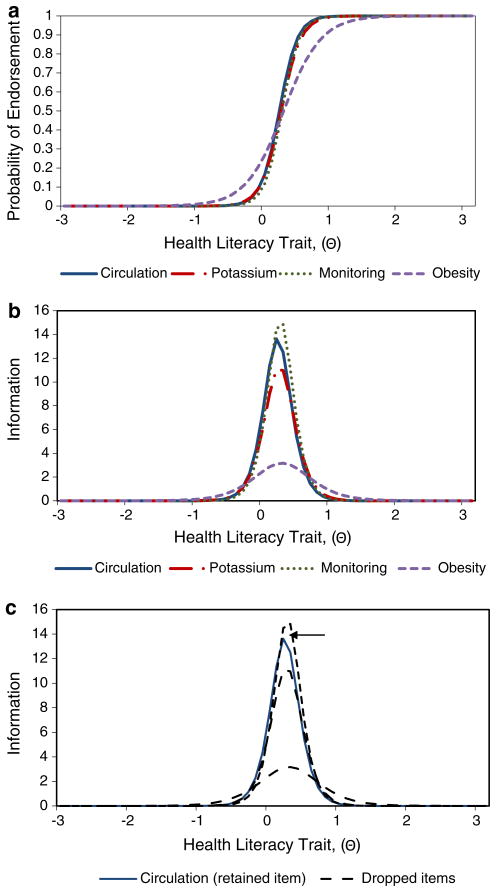
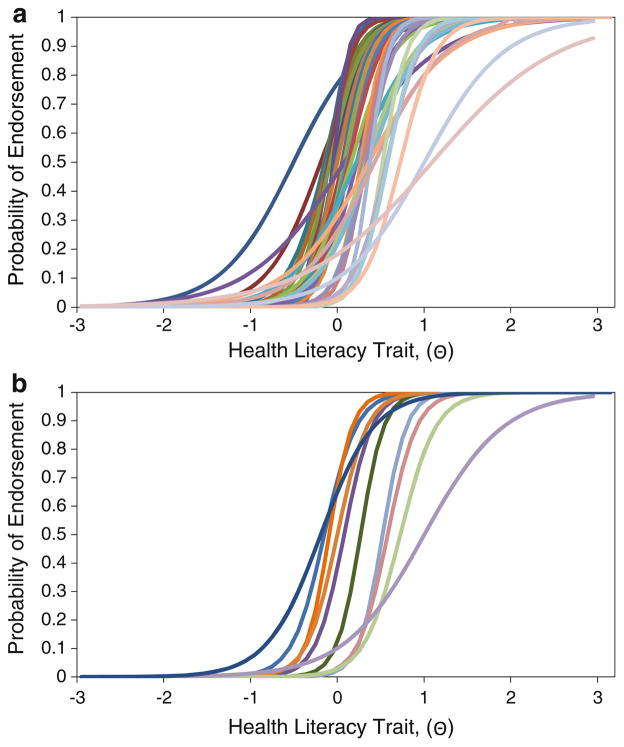
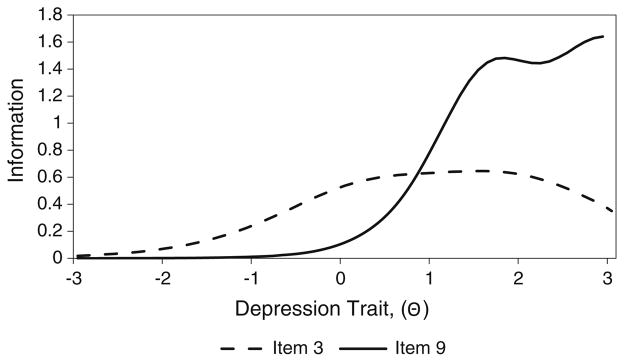
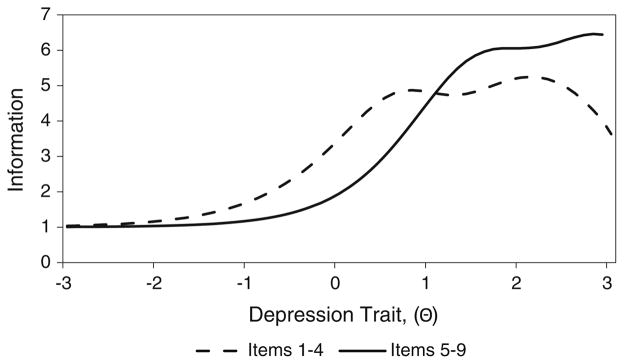
The growing emphasis on patient-centered care has accelerated the demand for high-quality data from patient-reported outcome (PRO) measures. Traditionally, the development and validation of these measures has been guided by classical test theory. However, item response theory (IRT), an alternate measurement framework, offers promise for addressing practical measurement problems found in health-related research that have been difficult to solve through classical methods. This paper introduces foundational concepts in IRT, as well as commonly used models and their assumptions. Existing data on a combined sample (n = 636) of Korean American and Vietnamese American adults who responded to the High Blood Pressure Health Literacy Scale and the Patient Health Questionnaire-9 are used to exemplify typical applications of IRT. These examples illustrate how IRT can be used to improve the development, refinement, and evaluation of PRO measures. Greater use of methods based on this framework can increase the accuracy and efficiency with which PROs are measured.
对以患者为中心的护理的日益重视加速了对来自患者报告结局(PRO)测量的高质量数据的需求。传统上,这些测量方法的开发和验证一直以经典测试理论为指导。然而,项目反应理论(IRT)作为一种替代测量框架,有望解决健康相关研究中发现的实际测量问题,而这些问题通过经典方法很难解决。本文介绍了IRT的基础概念,以及常用模型及其假设。使用来自韩裔美国人和越南裔美国成年人的合并样本(n = 636)的现有数据,这些成年人对高血压健康素养量表和患者健康问卷-9进行了回答,以举例说明IRT的典型应用。这些例子说明了IRT如何用于改进PRO测量方法的开发、完善和评估。更多地使用基于该框架的方法可以提高测量PRO的准确性和效率。