Department of Biotechnology, Indian Institute of Technology Madras Chennai, India.
Parkinson's Disease Research Clinic, Brain and Mind Research Institute, The University of Sydney Sydney, NSW, Australia.
Front Comput Neurosci. 2014 Jan 9;7:190. doi: 10.3389/fncom.2013.00190. eCollection 2014.
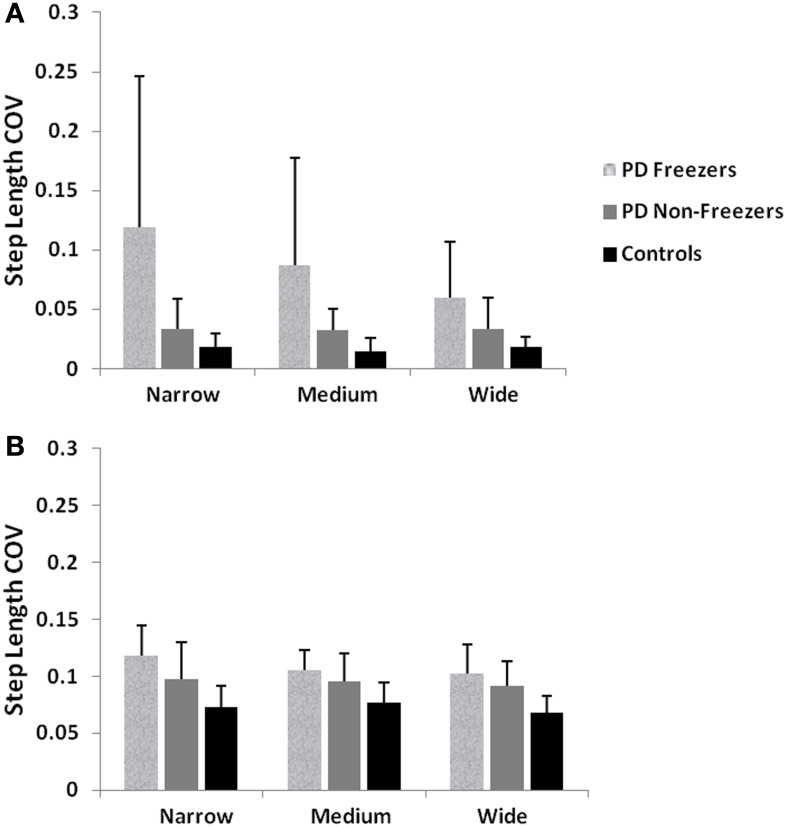
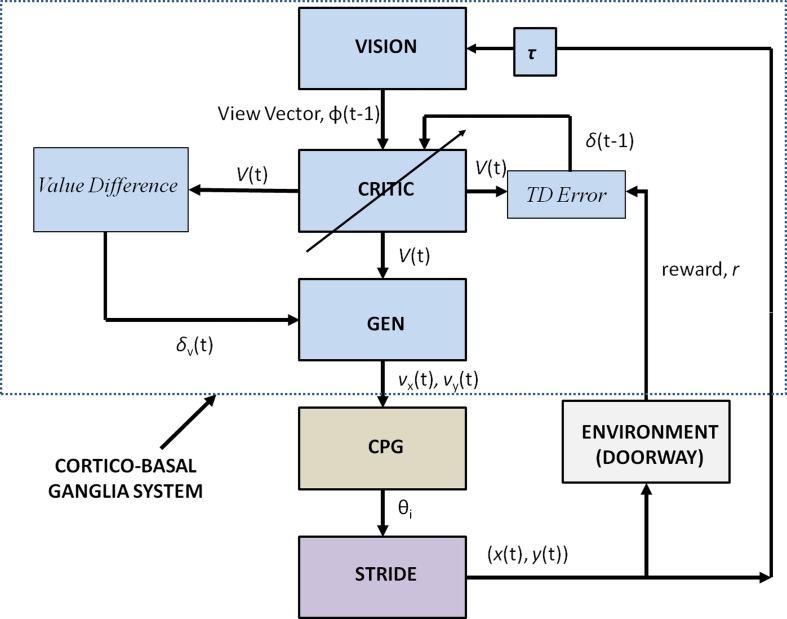
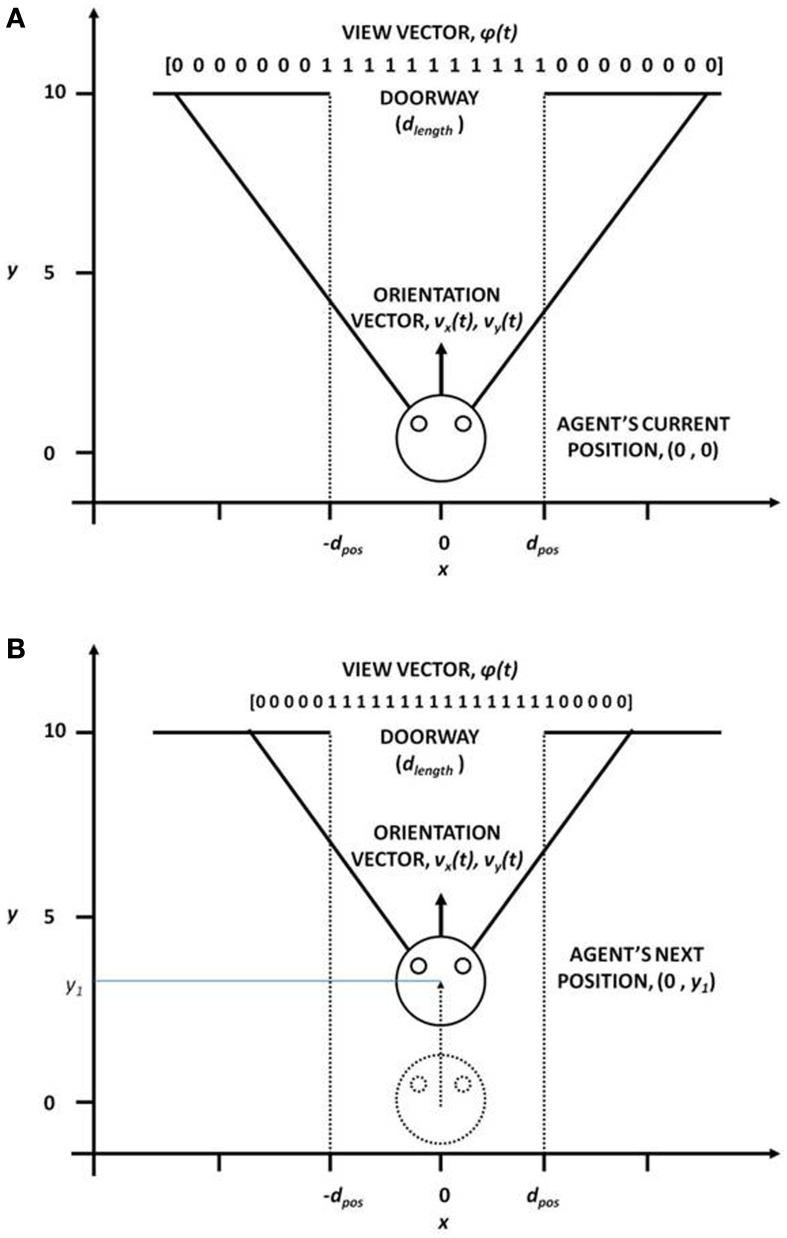
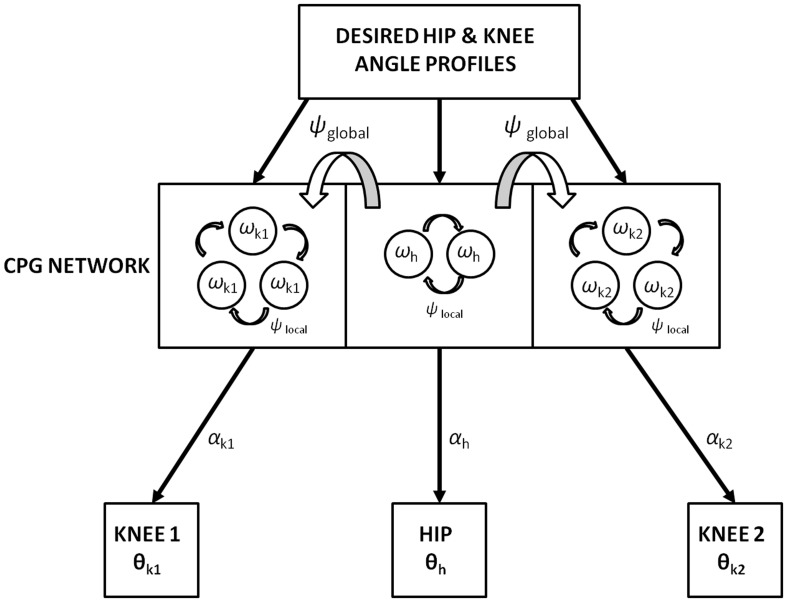
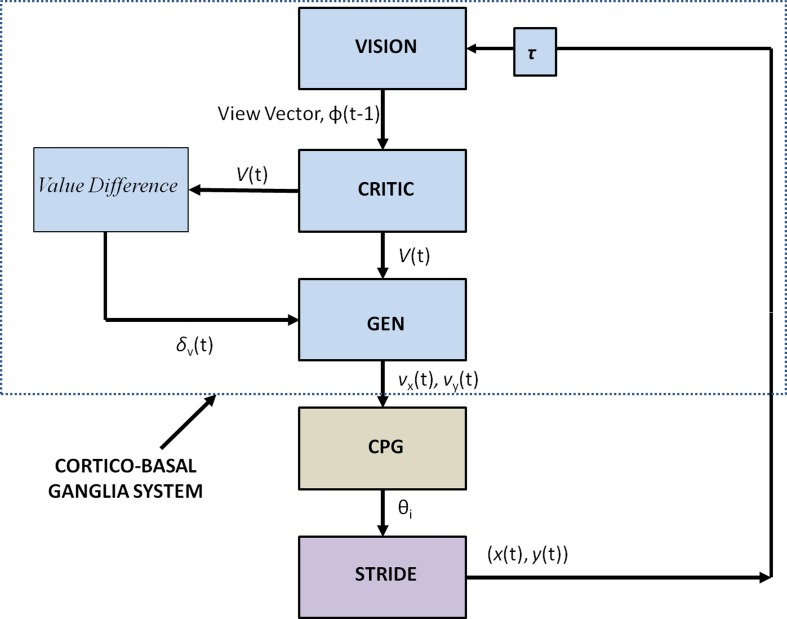
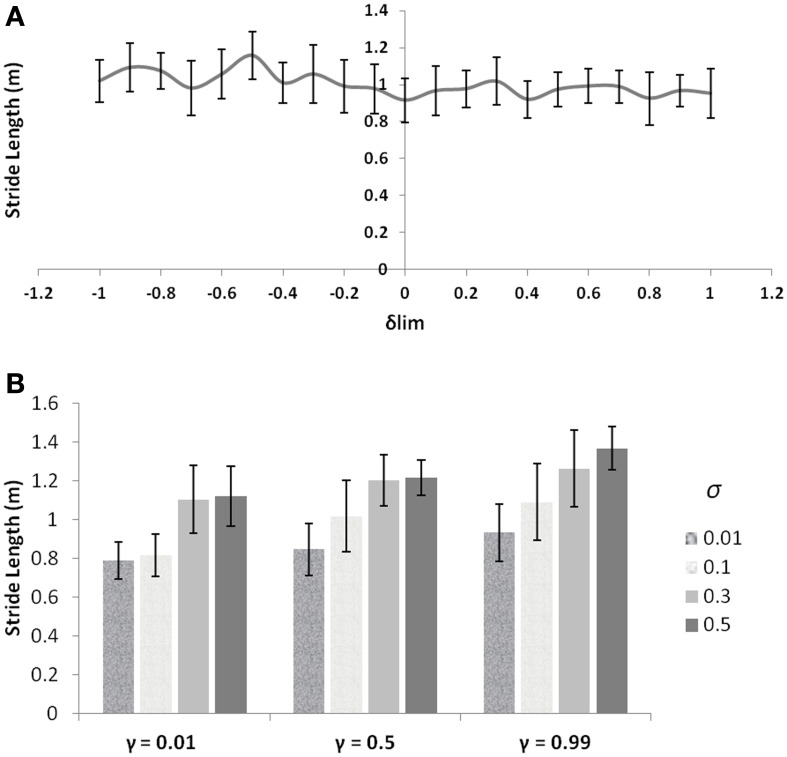
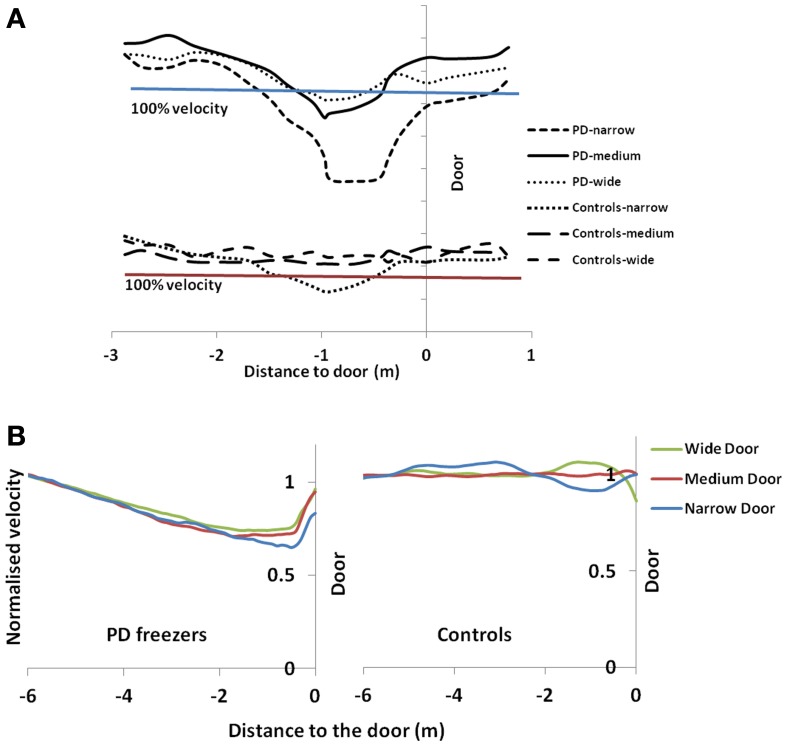
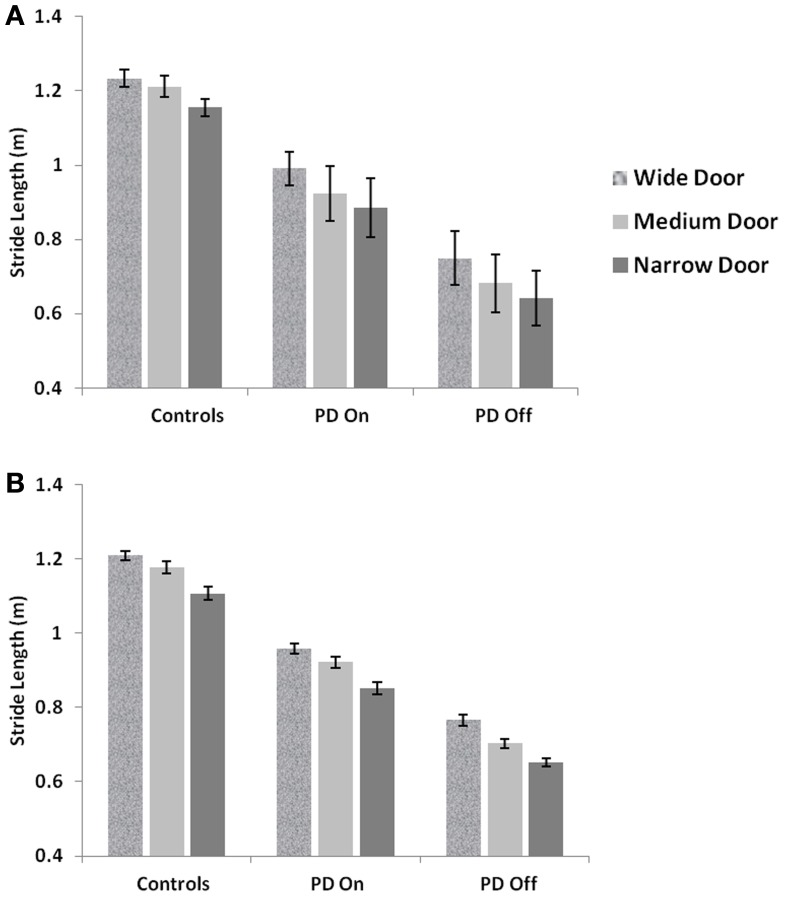
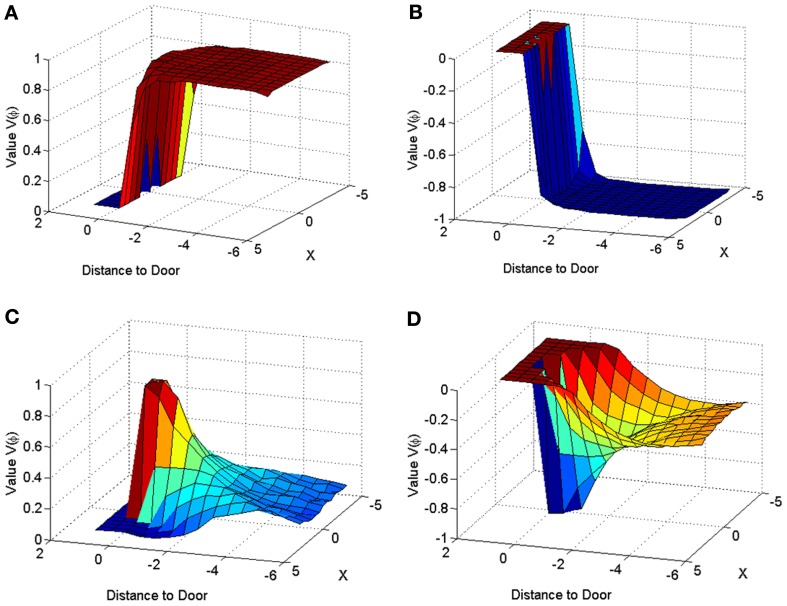
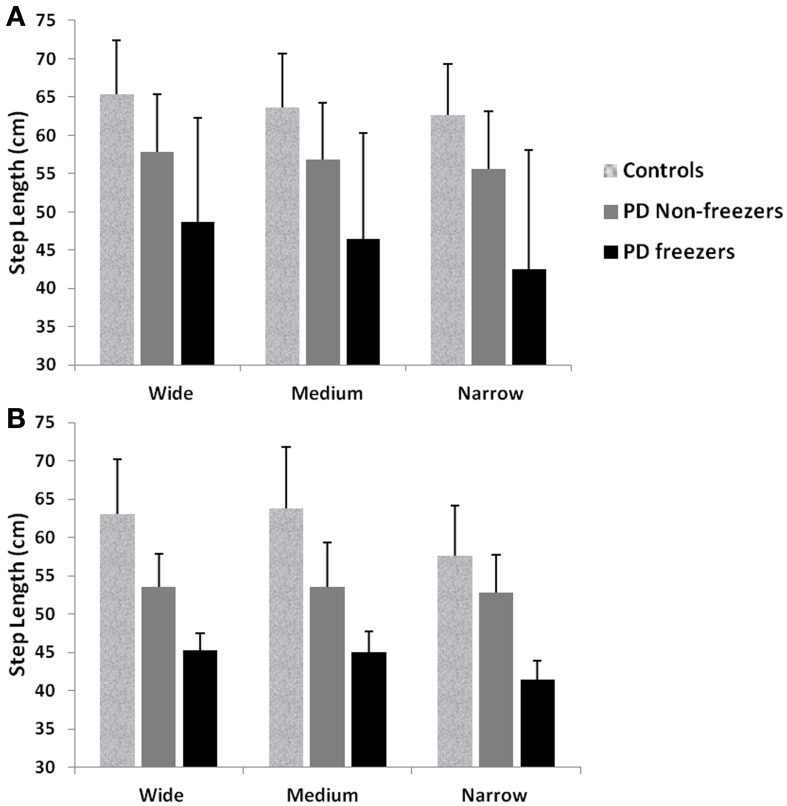
We present a computational model of altered gait velocity patterns in Parkinson's Disease (PD) patients. PD gait is characterized by short shuffling steps, reduced walking speed, increased double support time and sometimes increased cadence. The most debilitating symptom of PD gait is the context dependent cessation in gait known as freezing of gait (FOG). Cowie et al. (2010) and Almeida and Lebold (2010) investigated FOG as the changes in velocity profiles of PD gait, as patients walked through a doorway with variable width. The former reported a sharp dip in velocity, a short distance from the doorway that was greater for narrower doorways. They compared the gait performance in PD freezers at ON and OFF dopaminergic medication. In keeping with this finding, the latter also reported the same for ON medicated PD freezers and non-freezers. In the current study, we sought to simulate these gait changes using a computational model of Basal Ganglia based on Reinforcement Learning, coupled with a spinal rhythm mimicking central pattern generator (CPG) model. In the model, a simulated agent was trained to learn a value profile over a corridor leading to the doorway by repeatedly attempting to pass through the doorway. Temporal difference error in value, associated with dopamine signal, was appropriately constrained in order to reflect the dopamine-deficient conditions of PD. Simulated gait under PD conditions exhibited a sharp dip in velocity close to the doorway, with PD OFF freezers showing the largest decrease in velocity compared to PD ON freezers and controls. PD ON and PD OFF freezers both showed sensitivity to the doorway width, with narrow door producing the least velocity/ stride length. Step length variations were also captured with PD freezers producing smaller steps and larger step-variability than PD non-freezers and controls. In addition this model is the first to explain the non-dopamine dependence for FOG giving rise to several other possibilities for its etiology.
我们提出了一个帕金森病(PD)患者步态速度模式改变的计算模型。PD 步态的特征是短步幅、行走速度降低、双支撑时间增加,有时步频增加。PD 步态最具致残性的症状是与环境相关的步态停止,即冻结步态(FOG)。Cowie 等人(2010 年)和 Almeida 和 Lebold(2010 年)研究了 FOG 作为 PD 步态速度谱的变化,患者在不同宽度的门口行走。前者报告说,在距离门口很短的距离内,速度急剧下降,对于较窄的门口,下降幅度更大。他们比较了 ON 和 OFF 多巴胺能药物治疗的 PD 冻结者的步态表现。与这一发现一致,后者也报告了 ON 药物治疗的 PD 冻结者和非冻结者的相同情况。在目前的研究中,我们试图使用基于强化学习的基底神经节计算模型,结合模仿中枢模式发生器(CPG)的脊髓节律模型来模拟这些步态变化。在该模型中,通过反复尝试通过门口,模拟代理人被训练学习通向门口的走廊上的价值曲线。与多巴胺信号相关的价值时间差分误差被适当约束,以反映 PD 的多巴胺缺乏条件。在 PD 条件下,模拟步态在靠近门口处表现出速度急剧下降,PD OFF 冻结者的速度下降幅度最大,其次是 PD ON 冻结者和对照组。PD ON 和 PD OFF 冻结者都对门口宽度敏感,狭窄的门导致速度/步长最小。PD 冻结者还产生了步长变化,步长较小,步长变化较大,而 PD 非冻结者和对照组则较小。此外,该模型首次解释了 FOG 对多巴胺的非依赖性,为其病因学提供了其他几种可能性。