Czubowicz Kinga, Strosznajder Robert
Laboratory of Preclinical Research and Environmental Agents, Department of Neurosurgery, Mossakowski Medical Research Centre, Polish Academy of Sciences, 5 Pawinskiego Street, 02-106, Warsaw, Poland.
Mol Neurobiol. 2014 Aug;50(1):26-37. doi: 10.1007/s12035-013-8606-4. Epub 2014 Jan 14.
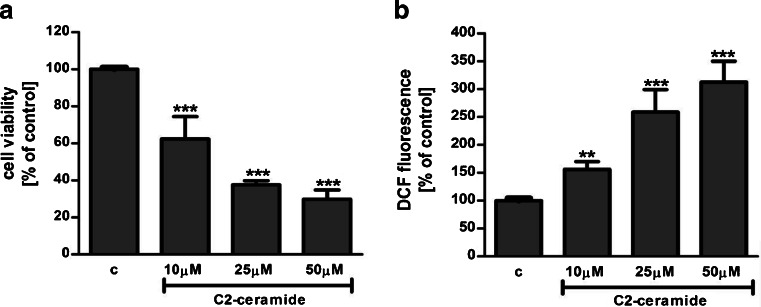
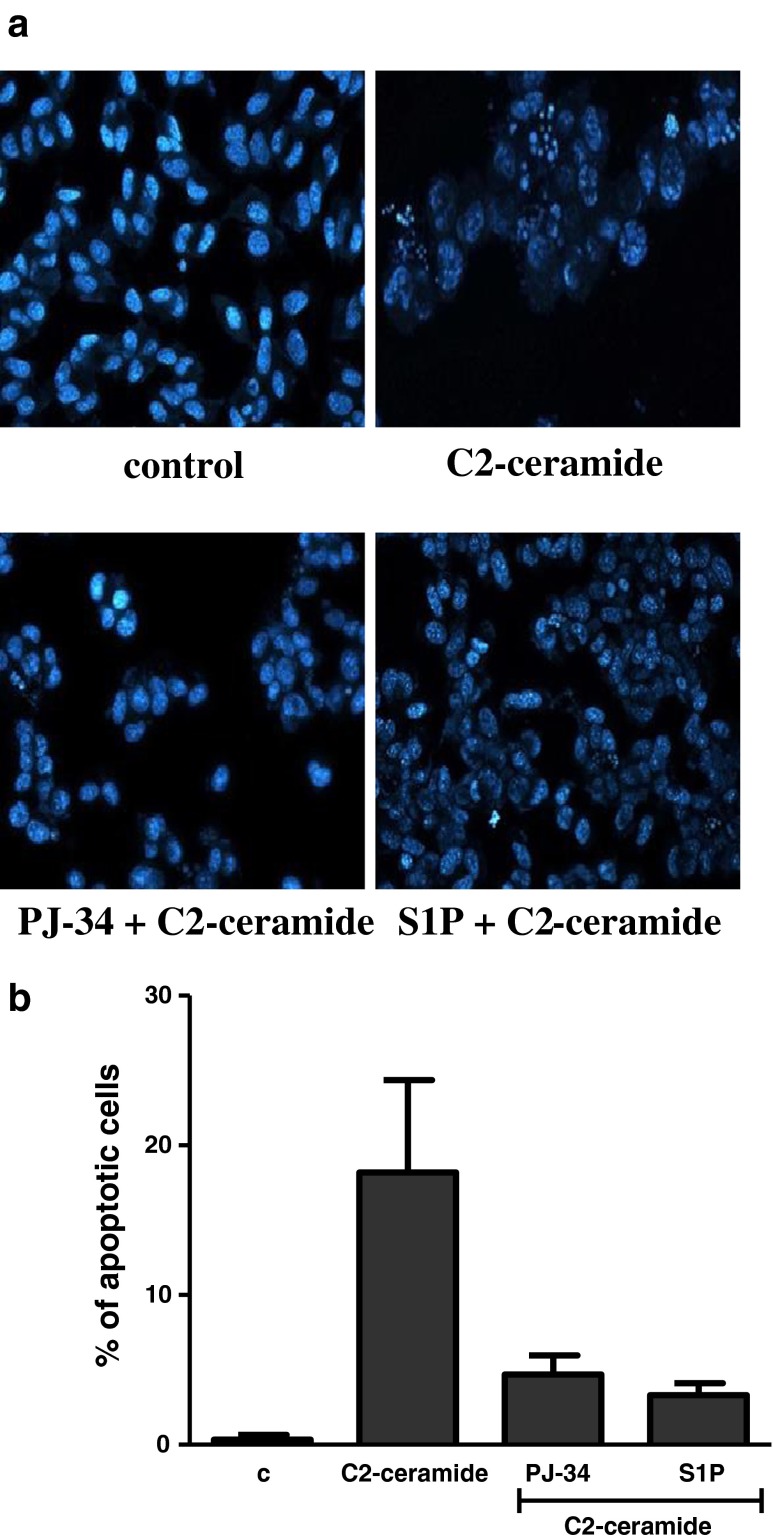
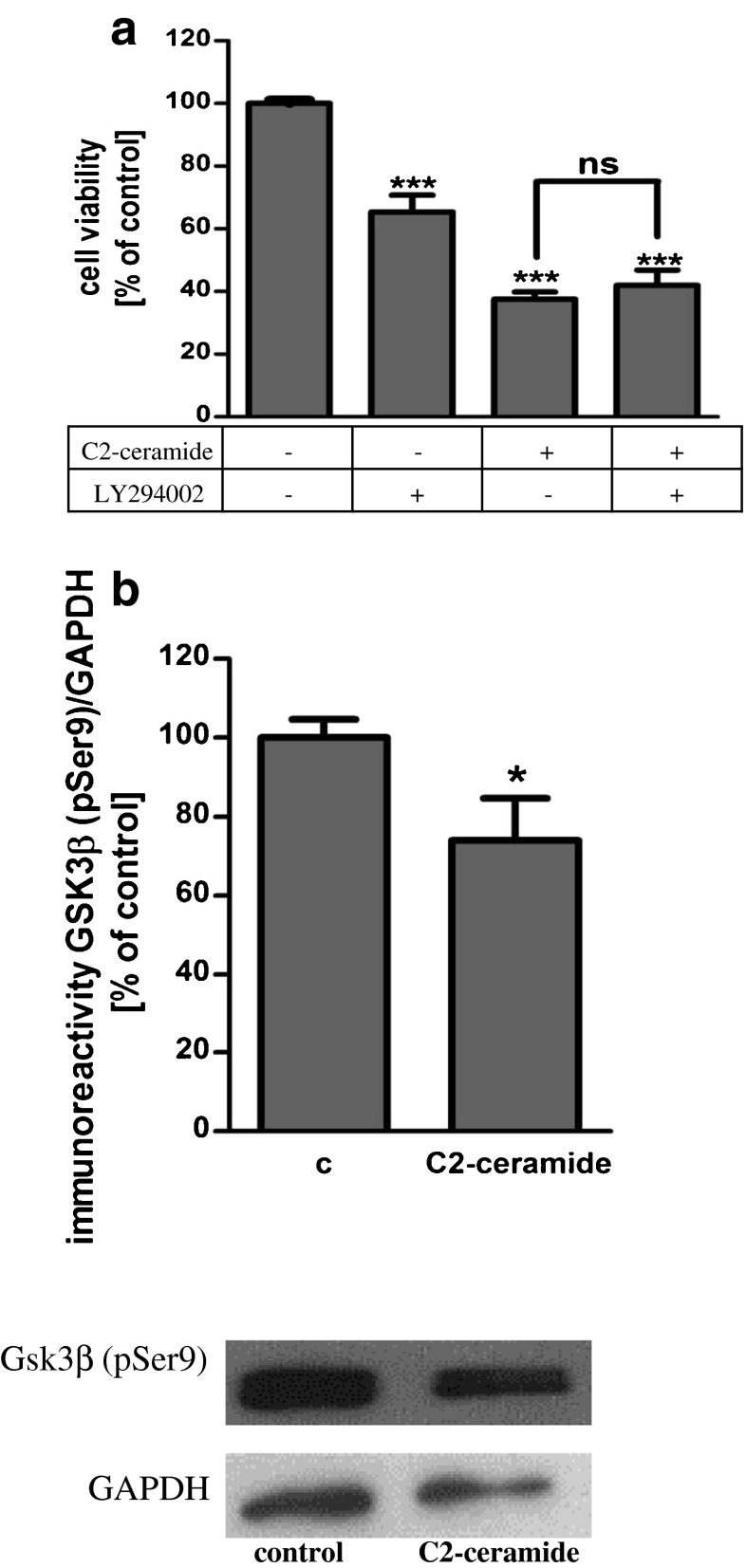
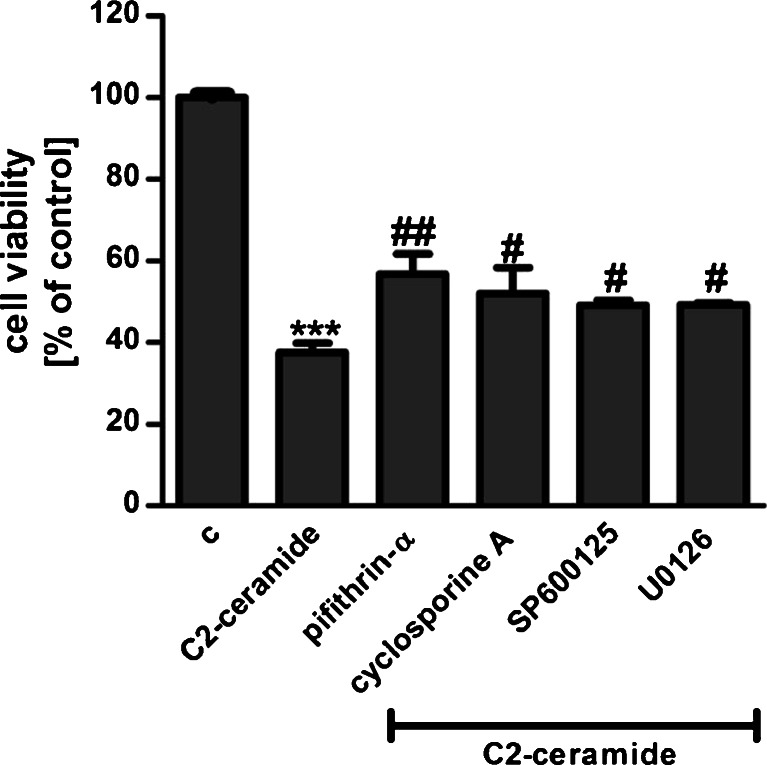
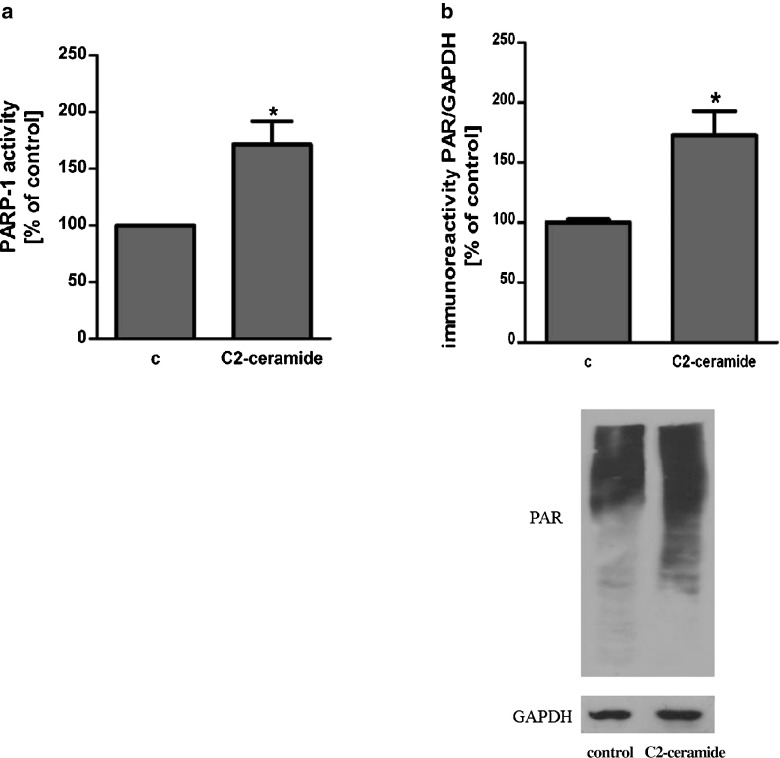
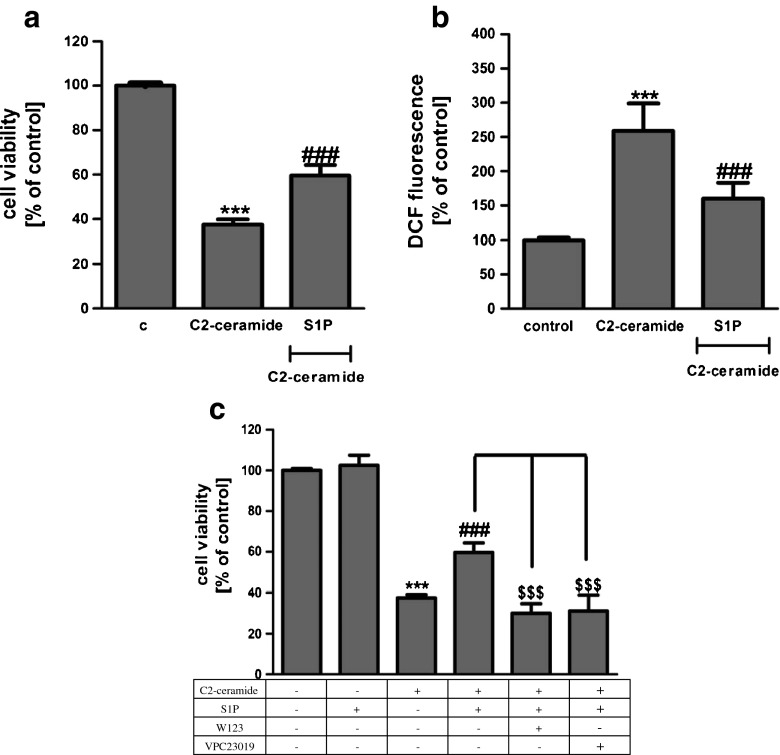
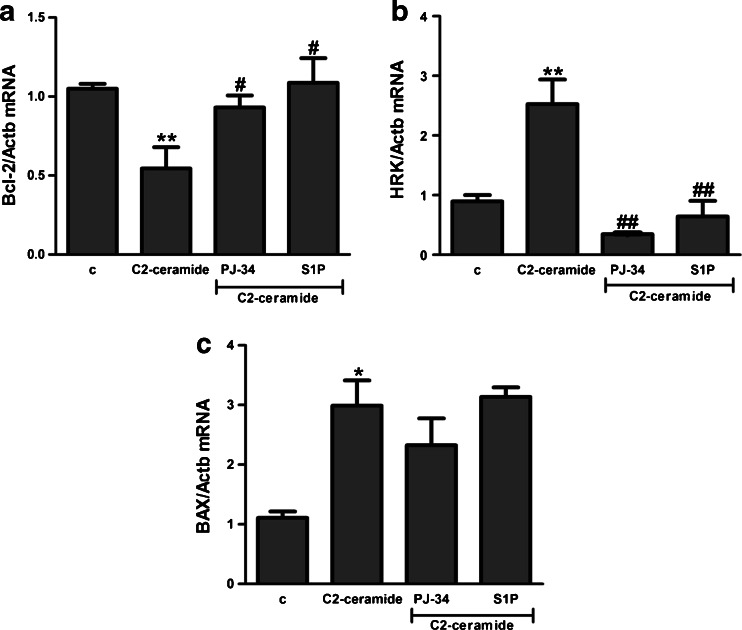
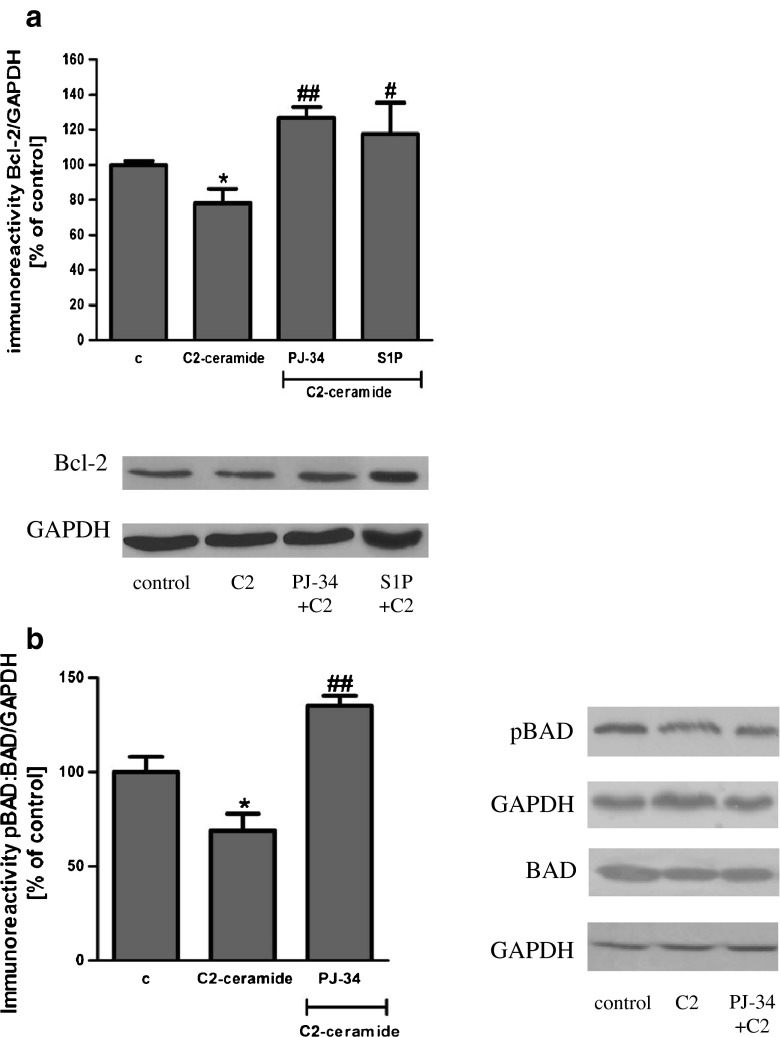
Ceramide and sphingosine-1-phosphate (S1P), two important bioactive sphingolipids, have been suggested as being key players in the pathology of Alzheimer's disease in inflammation and cancer. However, their role in the molecular mechanisms of neuronal death has not been fully elucidated. Our study indicated that ceramide significantly enhanced the level of free radicals and decreased the viability of the human neuroblastoma cell line (SH-SY5Y) through inhibition of the prosurvival PI3-K/Akt pathway. Ceramide also decreased anti-apoptotic (Bcl-2) and increased pro-apoptotic (Bax, Hrk) mRNA/protein levels. Concomitantly, our study indicated that ceramide induced poly(ADP-ribose) polymerase-1 (PARP-1) activation and accumulation of poly(ADP-ribose) PAR, a signalling molecule involved in mitochondria-nucleus cross-talk and mitochondria integrity. Ceramide treatment significantly decreased the level of apoptosis-inducing factor (AIF) in the mitochondria. The PARP-1 inhibitor (PJ-34) prevented AIF release from the mitochondria. In addition, our data showed that exogenously added S1P increased the viability of SH-SY5Y through the S1P (1,3) receptor-dependent mechanism. It was also revealed that the S1P and PARP-1 inhibitor (PJ-34) decreased oxidative stress, gene expression of the pro-apoptotic Hrk protein and up-regulated the anti-apoptotic Bcl-2 protein. Our data demonstrate that neuronal cell death evoked by ceramide is regulated by PARP/PAR/AIF and by S1P receptor signalling. In summary, our results suggest that PARP-1 inhibitor(s) and modulators of sphingosine-1-phosphate receptor(s) should be considered in potential therapeutic strategies directed at neurodegenerative diseases.
神经酰胺和1-磷酸鞘氨醇(S1P)是两种重要的生物活性鞘脂,被认为是阿尔茨海默病炎症和癌症病理过程中的关键因素。然而,它们在神经元死亡分子机制中的作用尚未完全阐明。我们的研究表明,神经酰胺通过抑制促生存PI3-K/Akt途径,显著提高自由基水平并降低人神经母细胞瘤细胞系(SH-SY5Y)的活力。神经酰胺还降低抗凋亡蛋白(Bcl-2)水平,并提高促凋亡蛋白(Bax、Hrk)的mRNA/蛋白水平。同时,我们的研究表明,神经酰胺诱导聚(ADP-核糖)聚合酶-1(PARP-1)激活以及聚(ADP-核糖)PAR的积累,PAR是一种参与线粒体-细胞核相互作用和线粒体完整性的信号分子。神经酰胺处理显著降低线粒体中凋亡诱导因子(AIF)的水平。PARP-1抑制剂(PJ-34)可阻止AIF从线粒体释放。此外,我们的数据表明,外源性添加的S1P通过S1P(1,3)受体依赖性机制提高SH-SY5Y的活力。还发现S1P和PARP-1抑制剂(PJ-34)可降低氧化应激、促凋亡Hrk蛋白的基因表达,并上调抗凋亡Bcl-2蛋白。我们的数据表明,神经酰胺诱发的神经元细胞死亡受PARP/PAR/AIF和S1P受体信号传导调节。总之,我们的结果表明,在针对神经退行性疾病的潜在治疗策略中,应考虑PARP-1抑制剂和1-磷酸鞘氨醇受体调节剂。