Schroeder Josh, Kaplan Leon, Fischer Dena J, Skelly Andrea C
Department of Spine Surgery, The Hospital for Special Surgery, New York, New York, United States.
Department of Orthopedic Surgery, Spine Unit, Hadassah Hebrew University Medical Center, Jerusalem, Israel.
Evid Based Spine Care J. 2013 Apr;4(1):30-41. doi: 10.1055/s-0033-1341605.
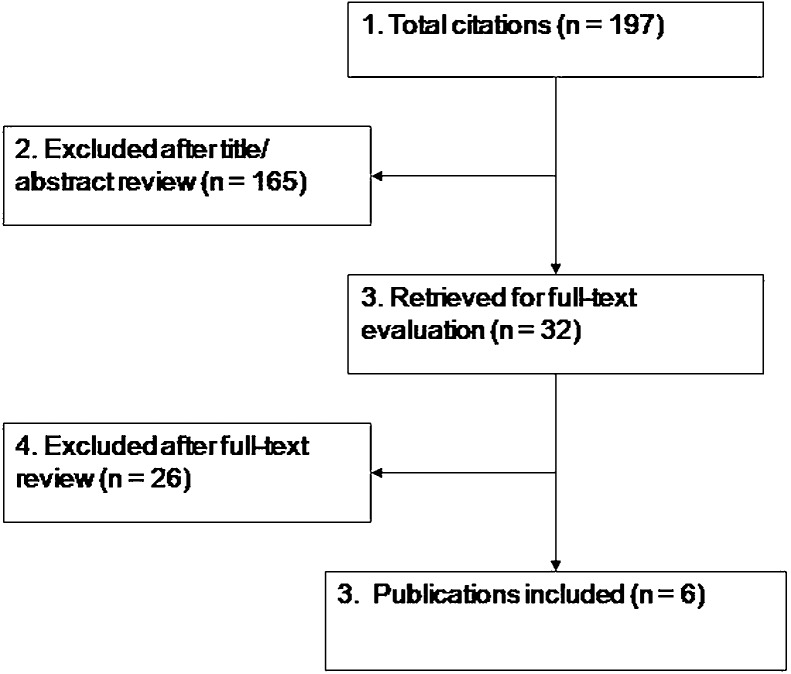
Study Design Systematic review. Study Rationale Neck pain is a prevalent condition. Spinal manipulation and mobilization procedures are becoming an accepted treatment for neck pain. However, data on the effectiveness of these treatments have not been summarized. Objective To compare manipulation or mobilization of the cervical spine to physical therapy or exercise for symptom improvement in patients with neck pain. Methods A systematic review of the literature was performed using PubMed, the National Guideline Clearinghouse Database, and bibliographies of key articles, which compared spinal manipulation or mobilization therapy with physical therapy or exercise in patients with neck pain. Articles were included based on predetermined criteria and were appraised using a predefined quality rating scheme. Results From 197 citations, 7 articles met all inclusion and exclusion criteria. There were no differences in pain improvement when comparing spinal manipulation to exercise, and there were inconsistent reports of pain improvement in subjects who underwent mobilization therapy versus physical therapy. No disability improvement was reported between treatment groups in studies of acute or chronic neck pain patients. No functional improvement was found with manipulation therapy compared with exercise treatment or mobilization therapy compared with physical therapy groups in patients with acute pain. In chronic neck pain subjects who underwent spinal manipulation therapy compared to exercise treatment, results for short-term functional improvement were inconsistent. Conclusion The data available suggest that there are minimal short- and long-term treatment differences in pain, disability, patient-rated treatment improvement, treatment satisfaction, health status, or functional improvement when comparing manipulation or mobilization therapy to physical therapy or exercise in patients with neck pain. This systematic review is limited by the variability of treatment interventions and lack of standardized outcomes to assess treatment benefit.
系统评价。研究依据:颈部疼痛是一种常见病症。脊柱推拿和松动术正成为治疗颈部疼痛的一种被认可的方法。然而,关于这些治疗方法有效性的数据尚未得到总结。目的:比较颈椎推拿或松动术与物理治疗或运动疗法对颈部疼痛患者症状改善情况的差异。方法:使用PubMed、国家指南资料库数据库以及关键文章的参考文献对文献进行系统评价,比较脊柱推拿或松动术治疗与物理治疗或运动疗法治疗颈部疼痛患者的效果。根据预定标准纳入文章,并使用预定义的质量评级方案进行评估。结果:从197篇文献中,有7篇文章符合所有纳入和排除标准。将脊柱推拿与运动疗法进行比较时,疼痛改善情况无差异,对于接受松动术治疗与物理治疗的受试者,疼痛改善情况的报告不一致。在急性或慢性颈部疼痛患者的研究中,各治疗组之间未报告残疾情况有改善。在急性疼痛患者中,与运动疗法相比,推拿疗法未发现功能改善,与物理治疗组相比,松动术疗法也未发现功能改善。在接受脊柱推拿疗法与运动疗法的慢性颈部疼痛受试者中,短期功能改善结果不一致。结论:现有数据表明,在颈部疼痛患者中,将推拿或松动术疗法与物理治疗或运动疗法进行比较时,在疼痛、残疾、患者自评治疗改善、治疗满意度、健康状况或功能改善方面,短期和长期治疗差异极小。本系统评价受到治疗干预措施的变异性以及缺乏评估治疗益处的标准化结局的限制。