Nour Sayed, Liu Jia, Dai Gang, Carbognani Daniel, Yang Daya, Wu Guifu, Wang Qinmei, Chachques Juan Carlos
Laboratory of Biosurgical Research (Alain Carpentier Foundation), Pompidou Hospital, University Paris Descartes, 56 Rue Leblanc, 75015 Paris, France ; Division of Cardiology and the Key Laboratory on Assisted Circulation, Ministry of Health of China, The First Affiliated Hospital of Sun Yat-sen University, Guangzhou 510080, China.
Division of Cardiology and the Key Laboratory on Assisted Circulation, Ministry of Health of China, The First Affiliated Hospital of Sun Yat-sen University, Guangzhou 510080, China.
Biomed Res Int. 2014;2014:651769. doi: 10.1155/2014/651769. Epub 2014 Jan 8.
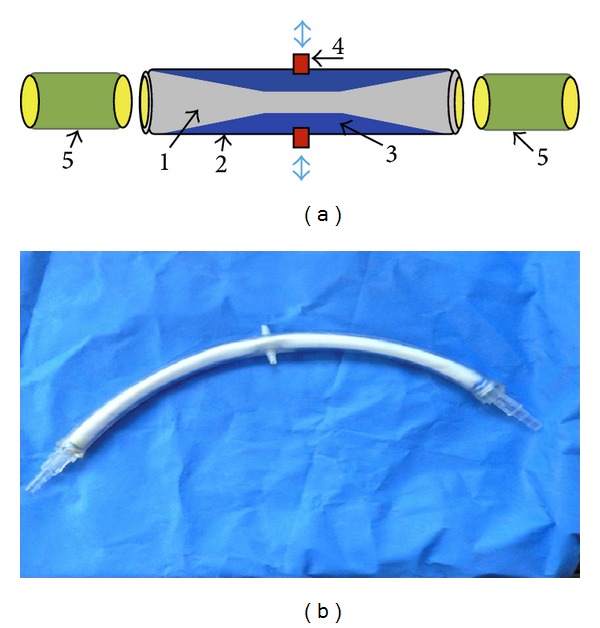
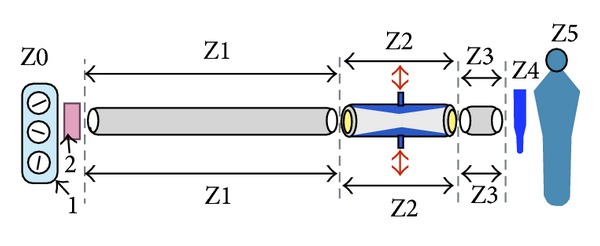
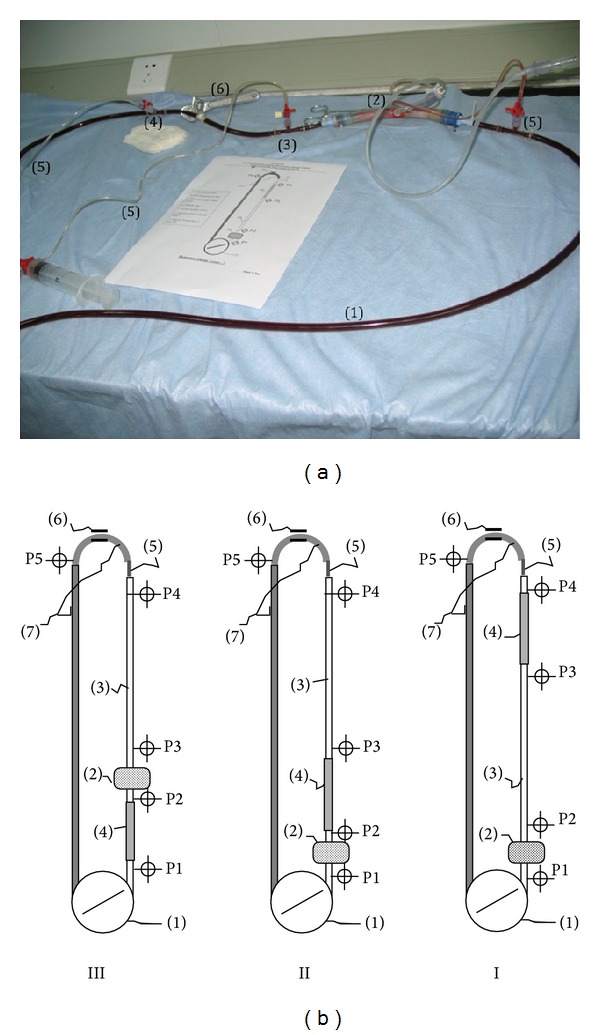
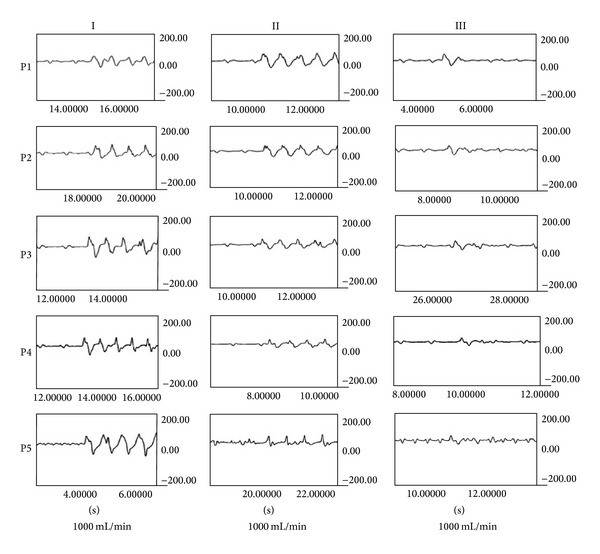
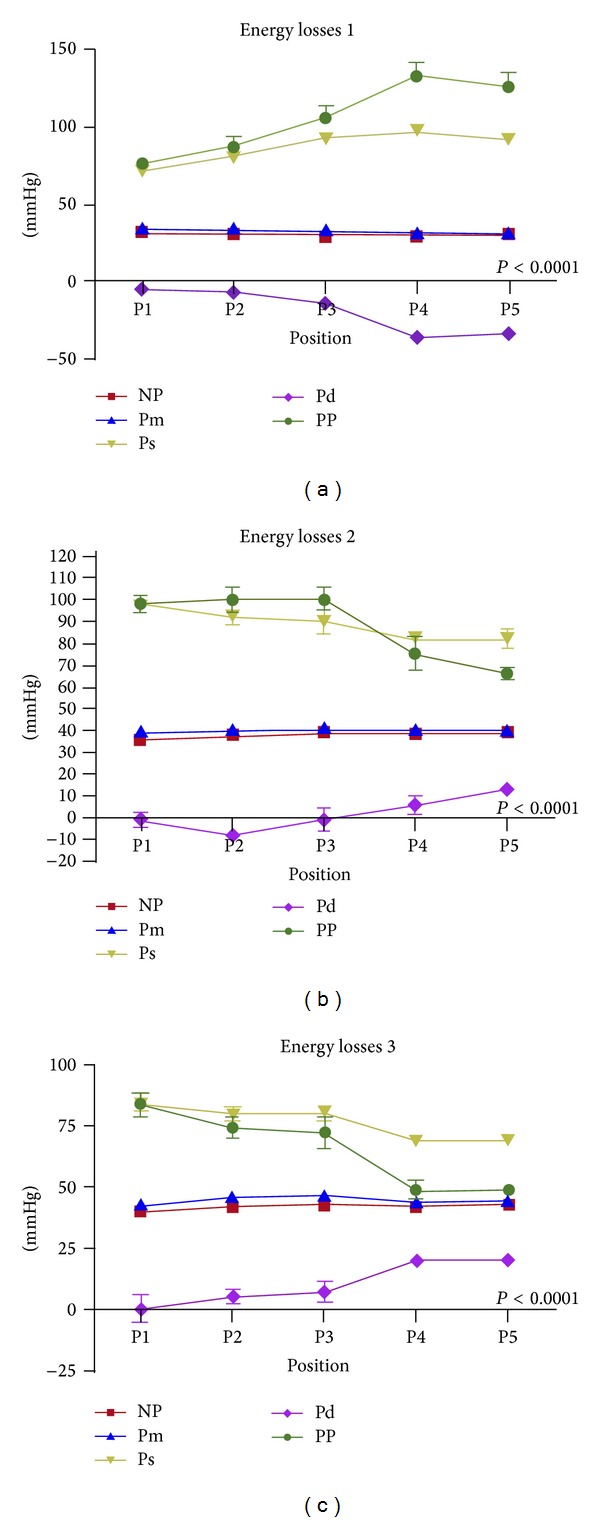
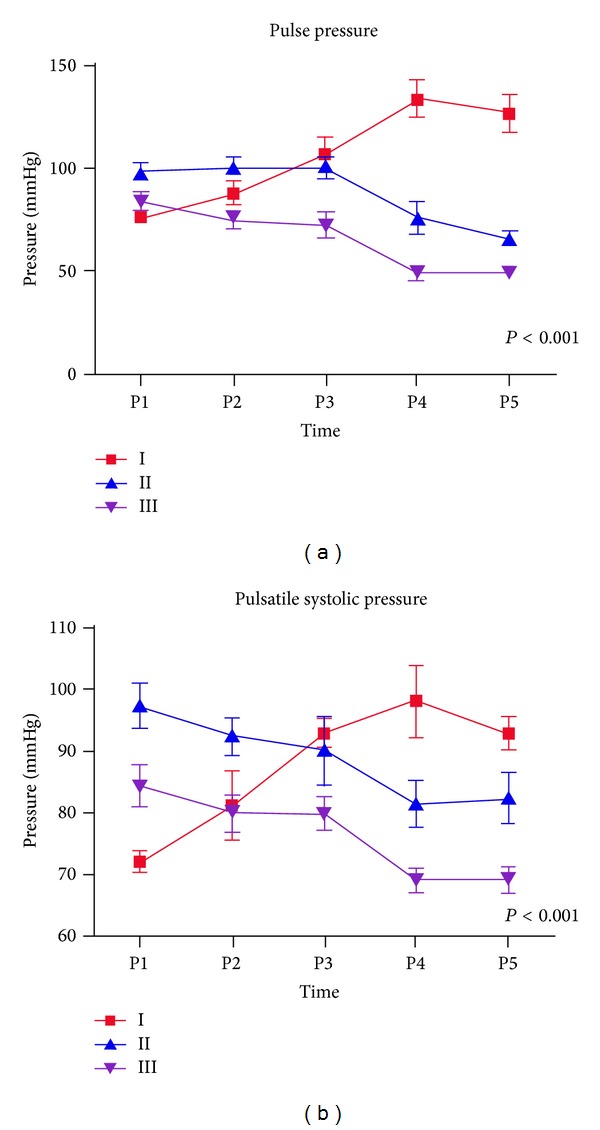
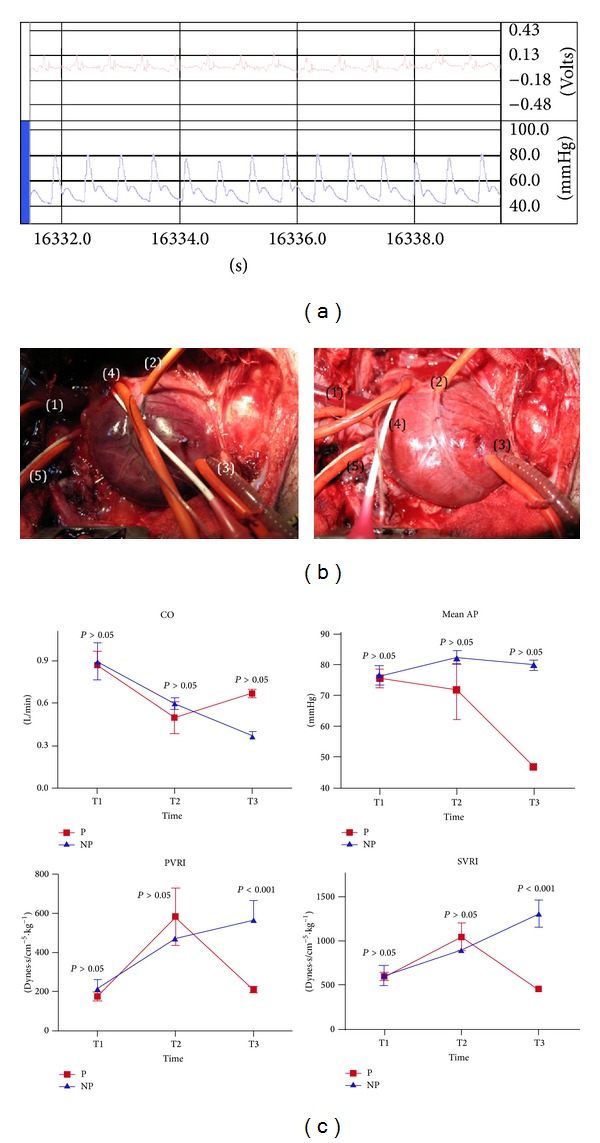
Cardiac assist devices (CAD) cause endothelial dysfunction with considerable morbidity. Employment of pulsatile CAD remains controversial due to inadequate perfusion curves and costs. Alternatively, we are proposing a new concept of pulsatile CAD based on a fundamental revision of the entire circulatory system in correspondence with the physiopathology and law of physics. It concerns a double lumen disposable tube device that could be adapted to conventional cardiopulmonary bypass (CPB) and/or CAD, for inducing a homogenous, downstream pulsatile perfusion mode with lower energy losses. In this study, the device's prototypes were tested in a simulated conventional pediatric CPB circuit for energy losses and as a left ventricular assist device (LVAD) in ischemic piglets model for endothelial shear stress (ESS) evaluations. In conclusion and according to the study results the pulsatile tube was successfully capable of transforming a conventional CPB and/or CAD steady flow into a pulsatile perfusion mode, with nearly physiologic pulse pressure and lower energy losses. This represents a cost-effective promising method with low mortality and morbidity, especially in fragile cardiac patients.
心脏辅助装置(CAD)会导致内皮功能障碍,并伴有相当高的发病率。由于灌注曲线不理想和成本问题,搏动性CAD的应用仍存在争议。另外,我们基于对整个循环系统的根本性修订,结合生理病理学和物理定律,提出了一种搏动性CAD的新概念。它涉及一种双腔一次性使用的管道装置,该装置可适用于传统的体外循环(CPB)和/或CAD,以诱导均匀的下游搏动性灌注模式,同时降低能量损失。在本研究中,该装置的原型在模拟的传统儿科CPB回路中进行了能量损失测试,并在缺血仔猪模型中作为左心室辅助装置(LVAD)进行了内皮剪切应力(ESS)评估。总之,根据研究结果,搏动性管道能够成功地将传统CPB和/或CAD的稳定血流转变为搏动性灌注模式,具有接近生理的脉压和更低的能量损失。这是一种具有成本效益的、有前景的方法,死亡率和发病率较低,尤其适用于心脏脆弱的患者。