Yu Zeta Tak For, Aw Yong Koh Meng, Fu Jianping
Integrated Biosystems and Biomechanics Laboratory, University of Michigan, Ann Arbor, Michigan, USA; Department of Mechanical Engineering, University of Michigan, Ann Arbor, Michigan, USA.
Small. 2014 May 14;10(9):1687-703. doi: 10.1002/smll.201302907. Epub 2014 Feb 10.
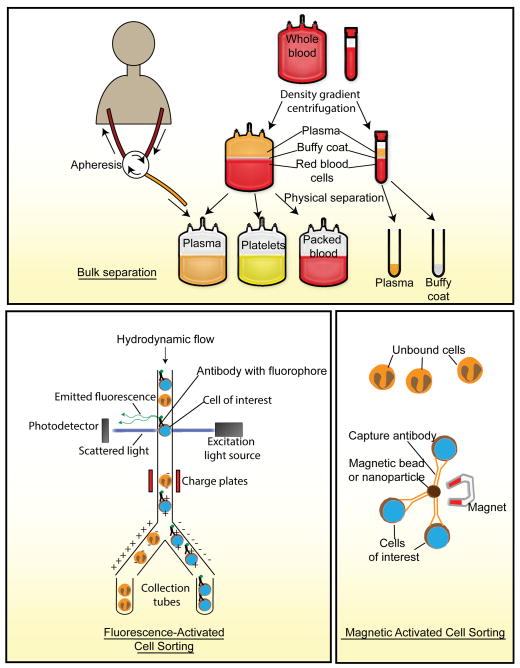
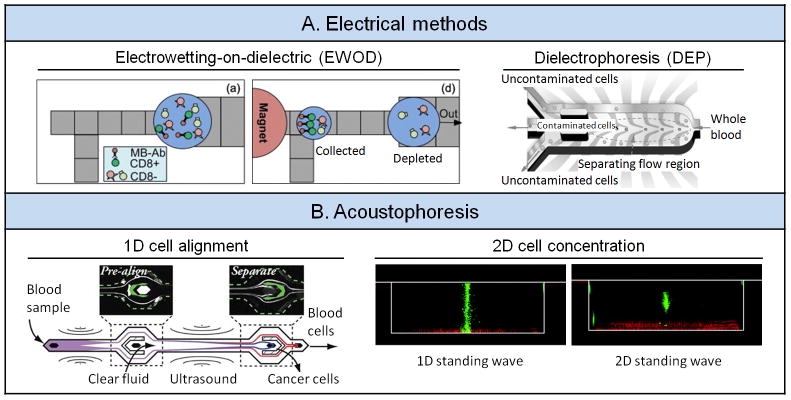
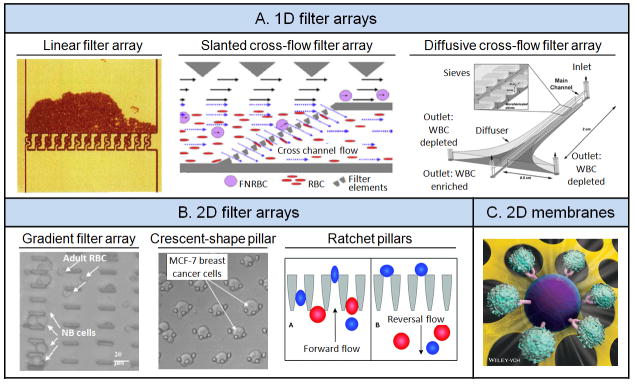
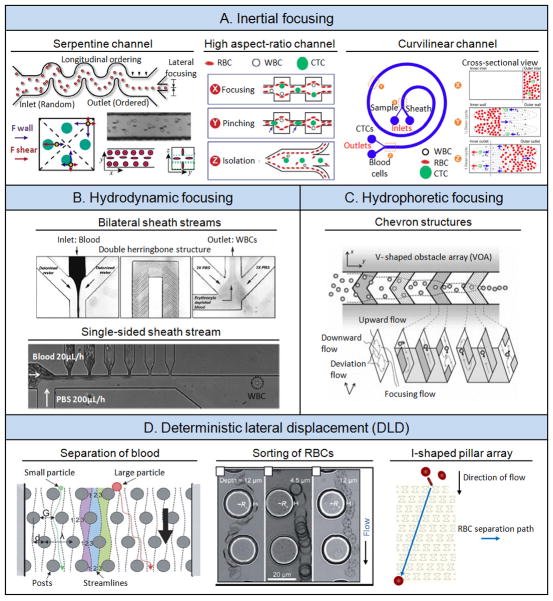
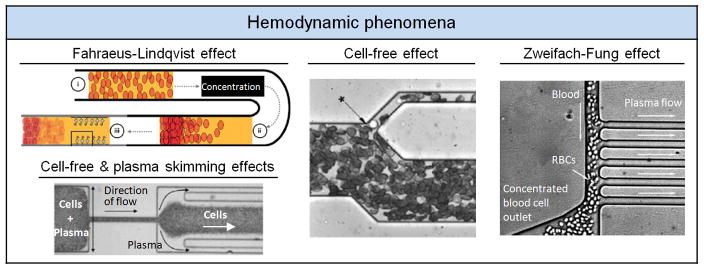
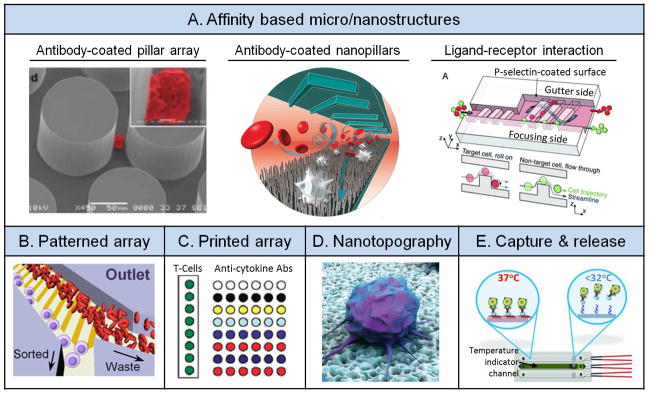
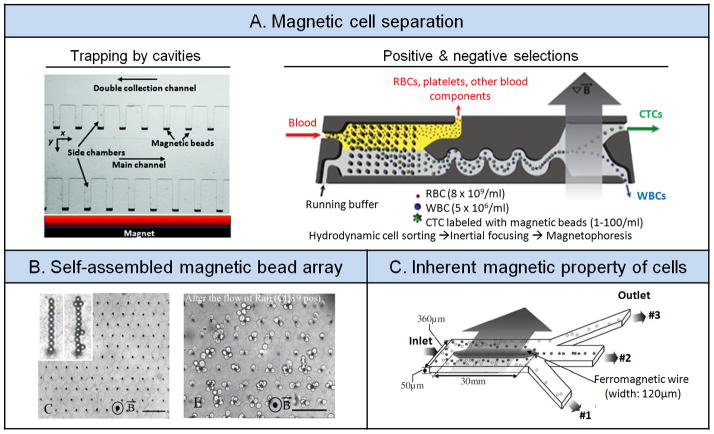
Blood plays an important role in homeostatic regulation with each of its cellular components having important therapeutic and diagnostic uses. Therefore, separation and sorting of blood cells hasa been of a great interest to clinicians and researchers. However, while conventional methods of processing blood have been successful in generating relatively pure fractions, they are time consuming, labor intensive, and are not optimal for processing small volume blood samples. In recent years, microfluidics has garnered great interest from clinicians and researchers as a powerful technology for separating blood into different cell fractions. As microfluidics involves fluid manipulation at the microscale level, it has the potential for achieving high-resolution separation and sorting of blood cells down to a single-cell level, with an added benefit of integrating physical and biological methods for blood cell separation and analysis on the same single chip platform. This paper will first review the conventional methods of processing and sorting blood cells, followed by a discussion on how microfluidics is emerging as an efficient tool to rapidly change the field of blood cell sorting for blood-based therapeutic and diagnostic applications.
血液在稳态调节中起着重要作用,其每种细胞成分都具有重要的治疗和诊断用途。因此,血细胞的分离和分选一直是临床医生和研究人员非常感兴趣的领域。然而,尽管传统的血液处理方法已经成功地产生了相对纯净的组分,但它们耗时、劳动强度大,并且对于处理小体积血液样本并非最佳选择。近年来,微流控技术作为一种将血液分离成不同细胞组分的强大技术,引起了临床医生和研究人员的极大兴趣。由于微流控涉及在微观尺度上对流体进行操控,它有可能实现血细胞的高分辨率分离和分选,直至单细胞水平,并且还有一个额外的好处,即可以在同一个单芯片平台上集成用于血细胞分离和分析的物理和生物学方法。本文将首先回顾传统的血细胞处理和分选方法,然后讨论微流控技术如何正在成为一种高效工具,迅速改变用于基于血液的治疗和诊断应用的血细胞分选领域。