Cartwright C A, Simantov R, Cowan W M, Hunter T, Eckhart W
Molecular Biology and Virology Laboratory, Salk Institute for Biological Studies, San Diego, CA 92138.
Proc Natl Acad Sci U S A. 1988 May;85(10):3348-52. doi: 10.1073/pnas.85.10.3348.
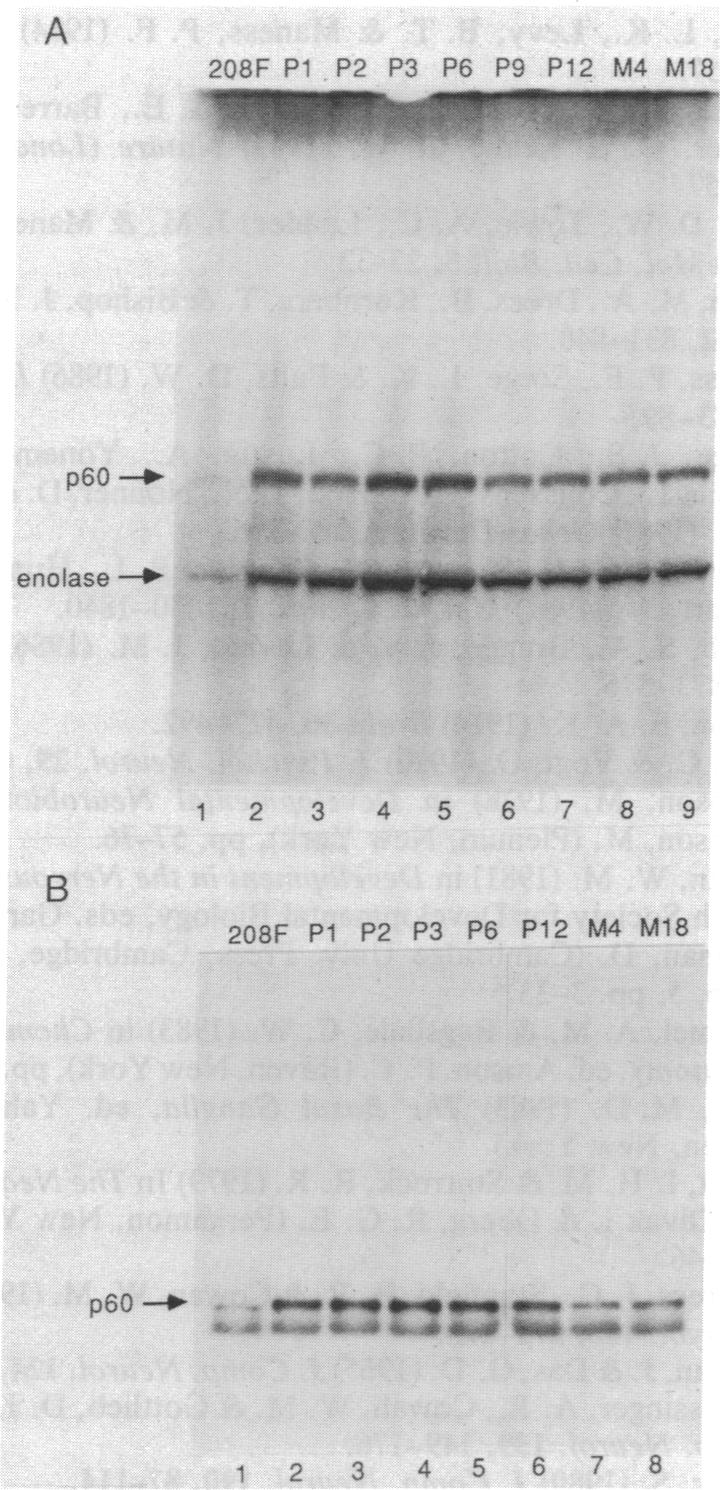
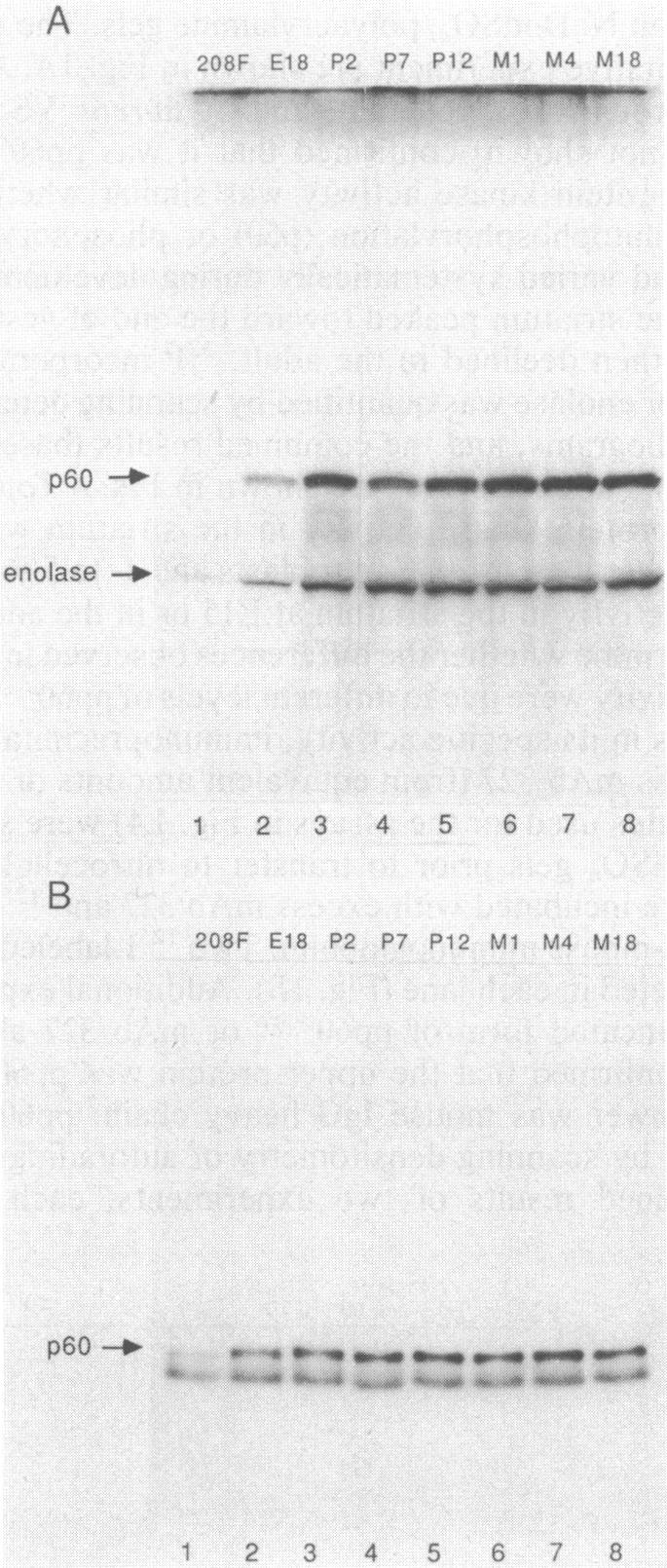
We have studied pp60c-src expression in the striatum, hippocampus, and cerebellum of the developing rat brain. In the striatum, pp60c-src protein kinase activity peaks during embryonic development and then declines in the adult. The peak activity occurs in the striatum on embryonic day 20 (E20) when it is 18- to 20-fold higher than the activity in fibroblasts and 4- to 5-fold higher than the activity in the striatum at E15 or in the adult striatum. In the hippocampal region, pp60c-src activity reaches a maximum shortly after birth but remains high throughout life. On postnatal day 2 (P2) the activity in the hippocampus is 9- to 13-fold higher than the activity in fibroblasts and twice as high as the activity in the hippocampus at E18. In the cerebellum, the kinase activity remains constant from E20 onward and is 6- to 10-fold higher than that observed in fibroblasts. The increase in pp60c-src kinase activity observed during the development of the striatum and hippocampus is due to an increase in the amount of pp60c-src protein and to an increase in the specific activity of the kinase. The increase in specific activity in these regions coincides with the peak periods of neurogenesis and neuronal growth. In the striatum, we have found that the increase in pp60c-src activity also parallels the increase observed in culture as embryonic striatal neurons differentiate. Taken together, our results are consonant with the idea that pp60c-src is the product of a developmentally regulated gene that is important for the differentiation and/or the continuing function of neurons.
我们研究了发育中大鼠脑纹状体、海马体和小脑中pp60c-src的表达。在纹状体中,pp60c-src蛋白激酶活性在胚胎发育期间达到峰值,然后在成年期下降。峰值活性出现在胚胎第20天(E20)的纹状体中,此时它比成纤维细胞中的活性高18至20倍,比E15时或成年纹状体中的活性高4至5倍。在海马区,pp60c-src活性在出生后不久达到最大值,但在整个生命过程中都保持较高水平。在出生后第2天(P2),海马体中的活性比成纤维细胞中的活性高9至13倍,是E18时海马体中活性的两倍。在小脑中,激酶活性从E20开始保持恒定,比在成纤维细胞中观察到的活性高6至10倍。在纹状体和海马体发育过程中观察到的pp60c-src激酶活性增加是由于pp60c-src蛋白量的增加和激酶比活性的增加。这些区域比活性的增加与神经发生和神经元生长的高峰期一致。在纹状体中,我们发现pp60c-src活性的增加也与胚胎纹状体神经元分化时培养物中观察到的增加平行。综上所述,我们的结果与以下观点一致,即pp60c-src是一个发育调控基因的产物,对神经元的分化和/或持续功能很重要。